

This is Tuesday in live event production. The call time you published on the schedule is already wrong, and you have roughly four hours to rebook half the roster without accidentally triggering $18,000 in penalty pay or showing up without a head carpenter.
The production companies that hold their rosters together when this happens aren't the ones with bigger benches. They're the ones with faster rebooking systems.
The 24-Hour Window: Why Load-In Rosters Collapse When Call Times Move
Late trucks, lost freight elevators, speakers who run long, headliners who push soundcheck — call time changes are not an exception in this business. They are the operating environment. The industry itself openly codifies this: by the nature of the industry, all calls are subject to schedule changes, and at any point during or before a call, the amount of work may fluctuate.
That honest disclosure from an IATSE local dispatch FAQ is useful because it sets the baseline. The question isn't whether the call will move. It's what your system does in the four hours after it moves.
And the financial stakes are not small. Depending on the agreement, crew may be eligible for a 4 hour minimum if the cancellation was made less than 24 (or sometimes 16) hours before the start of the call. Push a call poorly, cancel a hand too late, and you're paying four hours of reporting pay to someone who never unloaded a single road case.
Multiply that across a 40-person load-in crew and the math gets real fast.
What Actually Breaks: Jurisdiction, Minimums, and Overtime Triggers
A three-hour call time push is never just a three-hour call time push. It's a cascade of contract mechanics that turn a scheduling problem into a labor budget problem.
Hourly minimums
The core structure is well-documented across locals. A load-in will usually have a set paid minimum of four or five hours per load-in period. A load-out will usually have a set paid minimum of four or five hours per load-out period. A recall will have a set paid minimum of two hours. A recall is defined as a resumption of work within two hours of the beginning of an unpaid break. Work continuing after time off in excess of two hours shall require a set paid minimum of four or five hours.
Translation: the moment you release a hand and bring them back, you've either rung up a 2-hour recall minimum or a fresh 4- or 5-hour minimum, depending on how long the gap was.
Overtime and yellow card premium time
Overtime triggers are where pushed call times get expensive. Overtime rates of one and one-half times the hourly rates are to be paid for hours in excess of forty hours per week. For yellow card attractions the overtime rate will also be applied for all work done between the hours of 12:00am (midnight) and 8:00am. Furthermore it is understood that no personnel shall be replaced at any time during a call for the purpose of avoiding payment of overtime.
That last rule — no replacement to dodge overtime — is the one that catches production coordinators trying to play games with swaps. You can't rotate a fresh body in at hour 7 to keep the first body under 8.
Meal penalties
There will be a meal break five hours from the posted starting time. Either a one-half hour paid meal break if the employer provides a meal or a one hour unpaid meal break if the employees provide their own meals. All work done in excess of five consecutive hours without a meal break shall be paid at double the prevailing rate until a meal break is provided.
Push the call later and your meal window shifts with it. Miss the window and every hour past hour five is double-time.
| Change | Cascading trigger | Likely cost impact |
|---|---|---|
| Push call 3 hours, hold crew | Midnight–8am yellow card premium | OT rate on back half of shift |
| Release crew, rebook | Fresh 4-hour load-in minimum | Paying twice for partial work |
| Recall within 2 hours | 2-hour recall minimum | Small, but compounds across crew |
| Skip meal to catch up | Double time after 5 consecutive hours | 2x rate until break given |
| Cancel inside 16–24 hours | 4-hour reporting pay | Full minimum for zero work |
A scheduling tool that doesn't understand these rules is a spreadsheet with a login screen.
Triage First: Which Roles You Refill Before the Truck Arrives
Not every open role carries the same risk. When a call time moves at T-minus-18 hours, the production coordinator should already know which five names get called first and which can wait for the next pass.
Sort the roster into three buckets before the call sheet ever goes out:
- Critical: department heads, rigging leads, forklift operators, pyro, quick-change stitchers. Without them, nothing moves.
- Important: specialized hands — audio A1s, follow-spot ops, LED techs.
- Supportive: general loaders, push crew, runners.
The department head rule makes the top bucket non-negotiable. Many IATSE venue agreements require department leads to be present whenever their department is working — for example, if a show does not call for an electrician for performances but the Local contract requires a department head if any equipment is used, then there will be an electrician for each performance.
That's not a staffing preference. That's a contract requirement. If you refill 30 loaders but can't get a head electrician, the call doesn't legally happen.
Important
The yellow card itself only specifies minimums. The Yellow Card contains the minimum number of local workers a show requires in order to function. Local conditions always prevail. For example, if a Local's contract requires non-working department heads, then the number of people in each department will increase by one. Your rebooking logic has to respect local conditions, not just the card.

Building a Dispatch-Grade Bench (Not Just a Contact List)
A real bench is not a contact list in your phone. It's a stratified, tagged, live-availability pool that mirrors the way IATSE dispatch actually works.
Here's how a local describes the offer waterfall: work is offered first to qualified members in good standing, in order of seniority, secondly to sister local members, thirdly to permittees. All work offers will come via text message.
And for the urgent stuff: calls placed less than 24 hours in advance — the first available member/permit reached in person shall be offered the call. Inside 24 hours, speed replaces seniority. That's the rule you're designing your rebooking workflow around.
A dispatch-grade bench tags each crew member by:
- Craft and department — rigging, carpentry, electrics, audio, wardrobe, props
- Seniority tier — A-list, B-list, permittee, sister local
- Credentials — rigging cert, forklift endorsement, MEWP, OSHA 10/30
- Venue history — who knows this arena's loading dock quirks
- Reliability signal — response rate, no-show history, last-minute pickup rate
- Current availability — actually working right now, on call, free
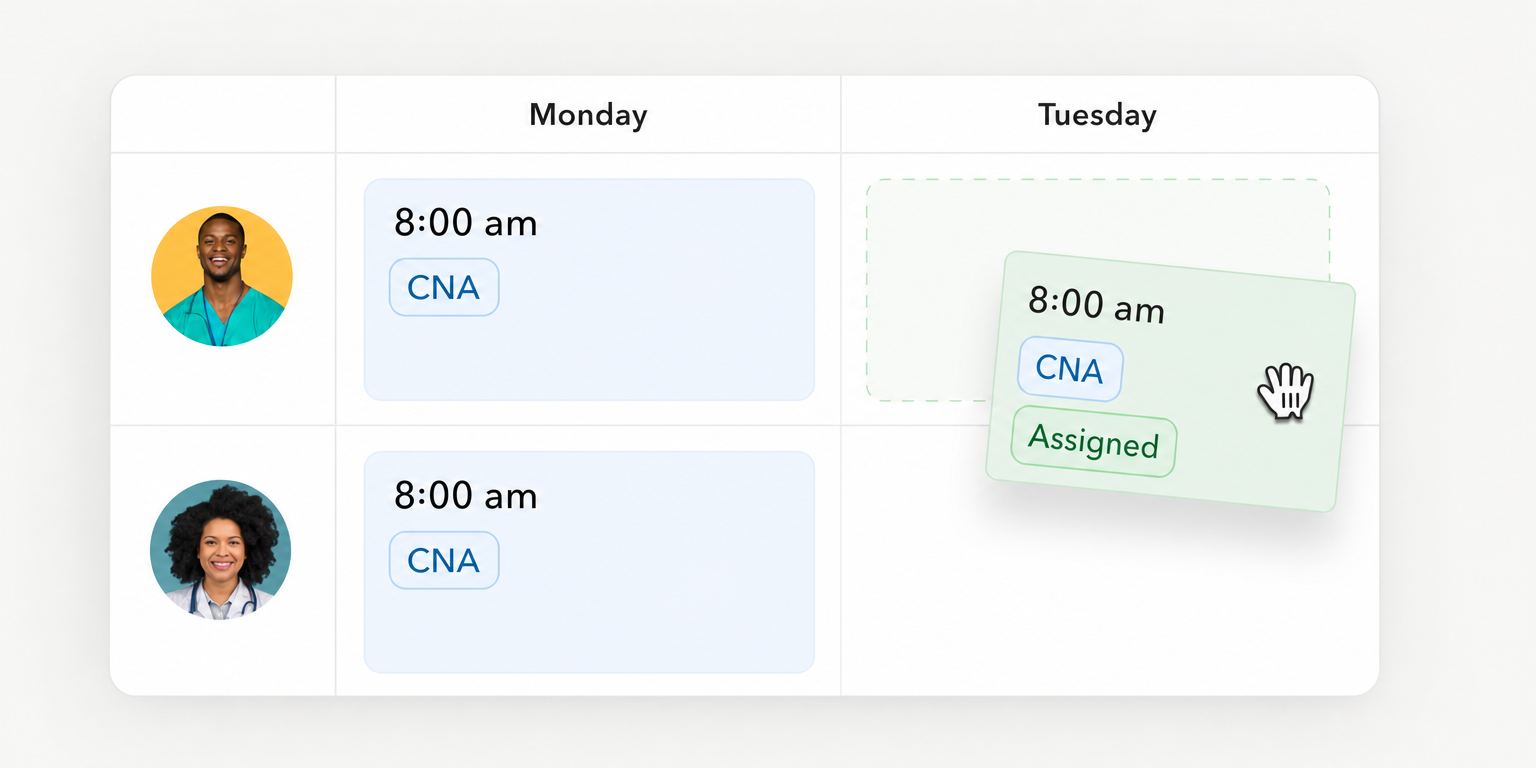
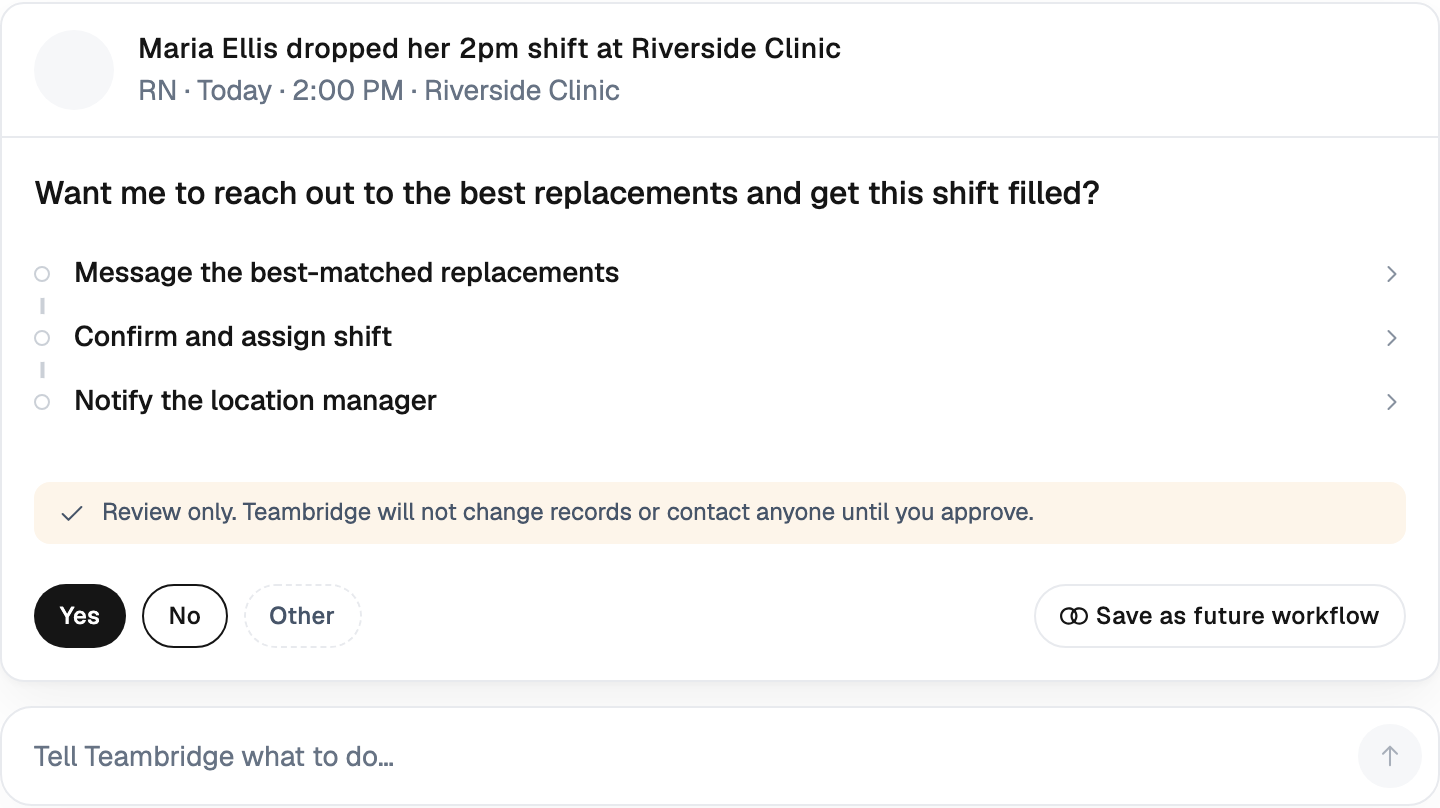
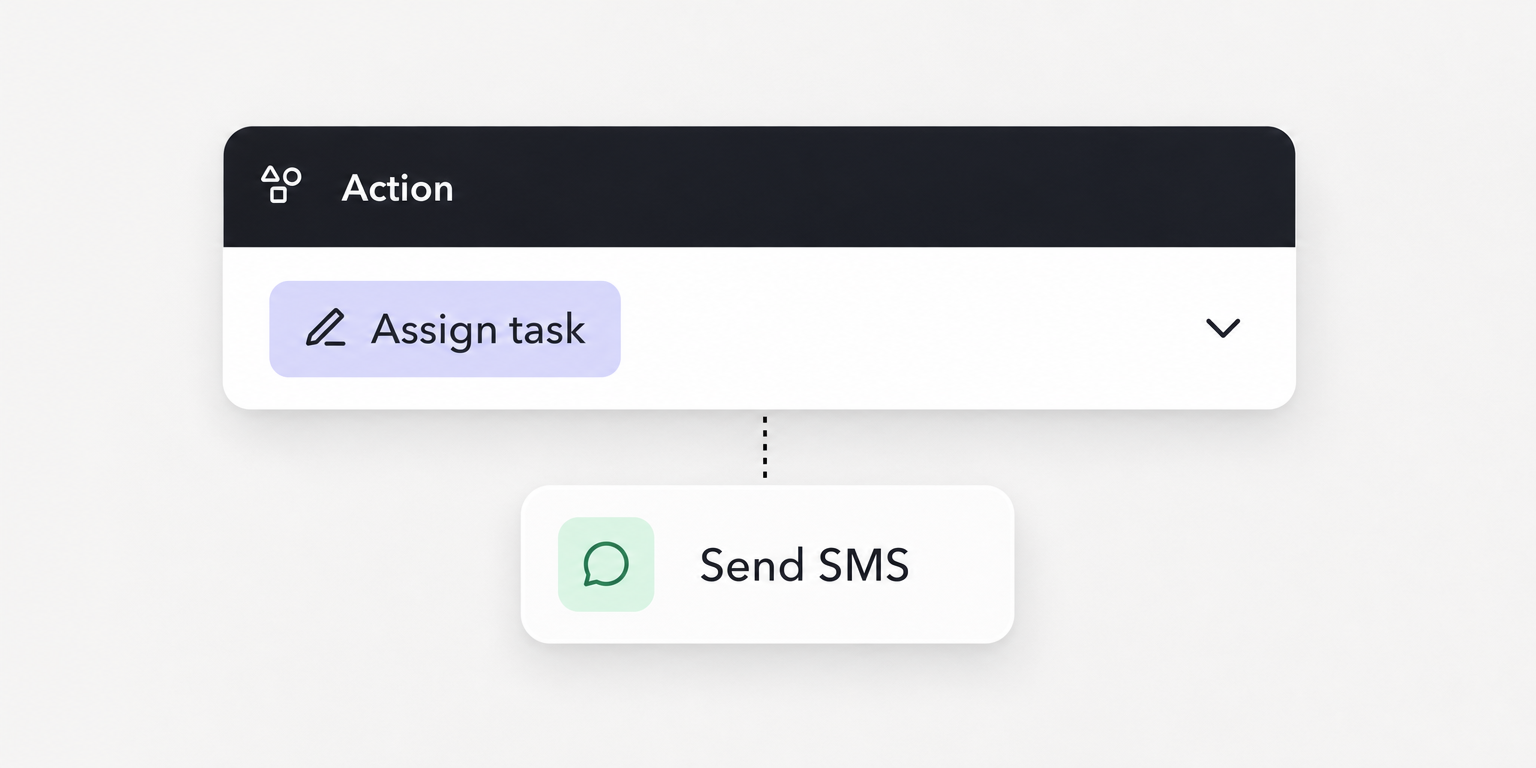
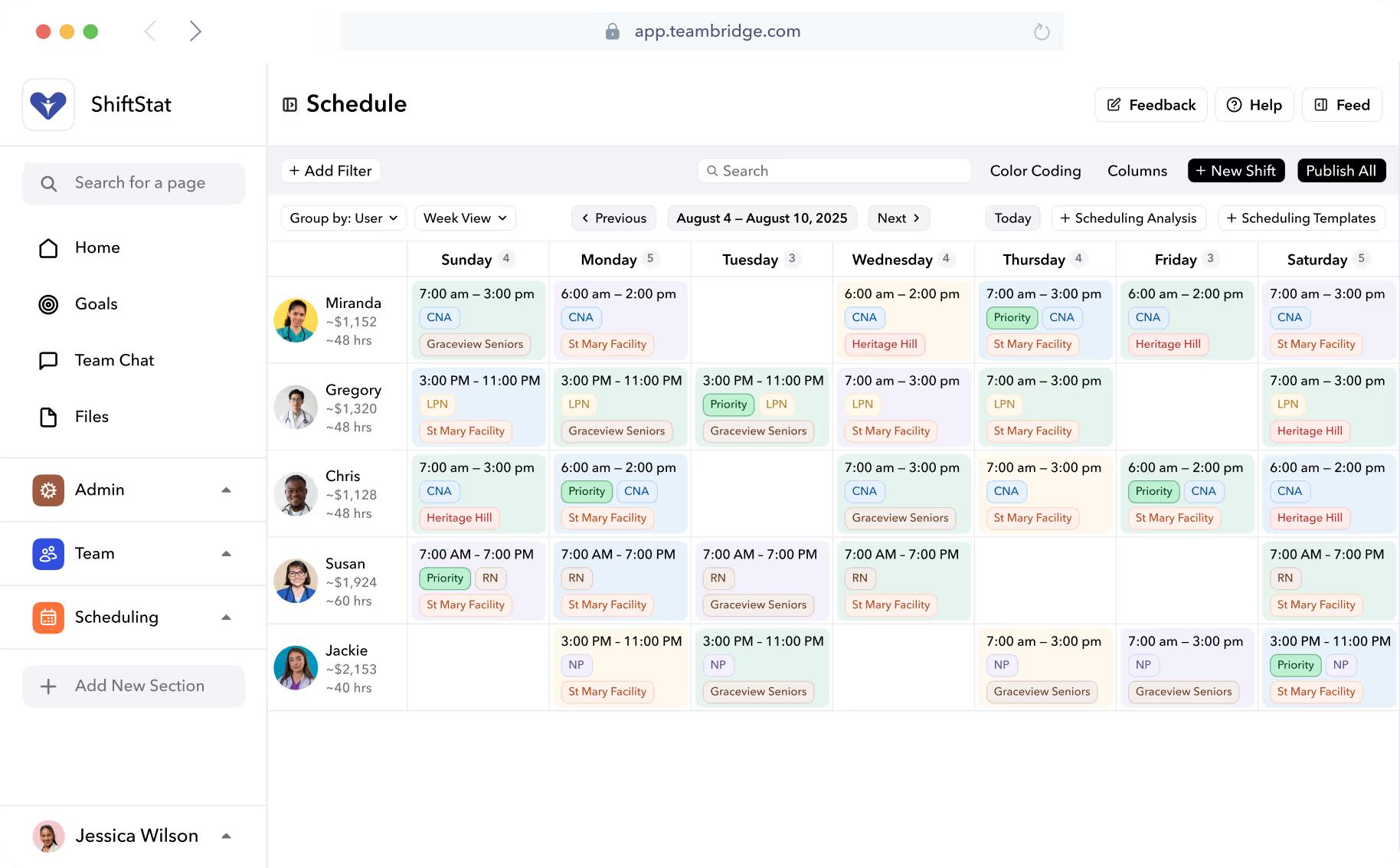
Teambridge's scheduling system lets you encode that same waterfall so the rebooking sequence runs automatically instead of through a coordinator texting names off a spreadsheet. When a call moves at 11pm, the system offers the open slots to qualified Tier A members first, rolls to sister locals after a response window, then permittees, then the ASAP pool — without anyone manually managing the ladder.
For a deeper look at how this plays out in arenas, festivals, and touring productions, see how Teambridge handles live events and venues.
The Notification Chain: Moving Faster Than the Phone Tree
Late arrivals, duplicate assignments, and wrong placements almost always trace back to information flow, not effort. The production coordinator did text everyone — they just texted across four threads, two group chats, and one 2am phone tree, and nobody knows whose version of the call sheet is current.
A few ground rules for the notification layer:
- One person approves staffing changes during show hours. Conflicting instructions from three ADs create more problems than the original schedule change.
- Every update includes the full package: new call time, new report location, new department assignment, new safety briefing time.
- Confirmation tracking is not optional. "Sent" is not "received," and "received" is not "coming."
- Mobile check-in replaces the sign-in clipboard at the dock.
The locals themselves lean on this discipline. As one dispatch rule puts it, should a Member or Permit not return dispatch calls on 2 consecutive occasions, they will be deemed unavailable and will not be called for future work until such time as their availability is updated with the Union. It is essential for people to respond to the calls as quickly as possible whether or not they want the job. This frees up the Dispatch person to proceed down the seniority list to fill the positions in a timely manner.
Unresponsive crew aren't mysteries. They're a signal the system should treat as a decline and keep moving.
Tip
Build a 20-minute response window into your rebooking logic. If a crew member hasn't confirmed in 20 minutes, the offer auto-rolls to the next name on the list. This is how dispatch halls have operated for decades — you're just automating the timer.
Rebooking Without Triggering Penalty Pay
Here's where the math gets ugly. A 3-hour push creates three different labor outcomes depending on the crew member:
- Hands who were already approaching 40 weekly hours cross into OT.
- Hands who were released and brought back within 2 hours hit the recall minimum.
- Hands released for longer than 2 hours get a fresh 4- or 5-hour minimum on return.
- On yellow card attractions, any hour worked between midnight and 8am gets premium time, regardless of weekly total.
A production manager trying to compute the cheapest option from a parking lot at 11pm will pick wrong. Not because they're bad at their job — because the math has four variables and a CBA reference sheet in the glovebox.
This is the scenario where scheduling software with jurisdiction awareness earns its keep. For each affected hand, the system should model:
- Hold and absorb OT: total cost if you keep the crew on the clock through the push.
- Release and rebook: cost of paying out whatever minimum applies, plus the fresh minimum on return.
- Swap to standby: cost of releasing hand A (minimum pay) and bringing in a fresh hand B (new minimum) — and whether that violates the no-replacement-to-avoid-OT rule.
The answer changes by the hand. A crew member who's only logged 22 weekly hours is cheap to hold. A crew member already at 38 who's about to cross into yellow card midnight territory is expensive to hold and maybe cheaper to release. Nobody should be doing that calculation on a clipboard.
Staffing partners already play the role of labor budget liaison manually for their production clients. The system should surface that math automatically — which is core to how Teambridge's platform and staffing agency tooling are built.
Briefing the Replacement Crew So the New Call Time Actually Holds
The last failure mode: you refilled the roster, the call time held, and the replacement crew shows up unbriefed. Now they're standing at the loading dock asking which department they're on while the head carpenter tries to get an LED wall off a truck.
A five-minute briefing missed at the top of call becomes a thirty-minute disruption three hours in.
Every shift offer — not just the original one, but every rebooked one — needs to carry:
- Department and role card
- Shift map and zone assignment
- Radio channel and escalation contact
- Dress and PPE standards
- Venue-specific safety requirements (rigging harness, climbing cert, forklift endorsement)
- Credential expiration check on file
Rigging in particular is a category that cannot be improvised. Rigging is the term applied to all theatrical work where the crew is required to work on support structures other than permanent catwalks or off the ground ladders or scaffolding or where an element of risk of falling is involved. This term also applies to any crew member required to hang chains or cables from the roof members or grid. If your replacement up-rigger doesn't have a current climbing cert on file, the venue doesn't let them on the grid, and the rebooking was pointless.
Cross-training is what makes a bench actually usable under pressure. A crew member tagged as both audio A2 and a spot op is twice as useful at T-minus-12 hours as one who only does audio.
Stop Treating Schedule Changes Like Emergencies
The unions assume calls will shift — that's literally why the 4-hour cancellation minimum exists. The venues assume calls will shift — that's why they build recall minimums into their CBAs. The only people still treating each call time change as a five-alarm fire are the production companies whose workflow was built on the assumption that published schedules hold.
They don't. They never did.
A scheduling system that handles jurisdiction rules, seniority-ordered rebooking, credential-aware backfill, and one-send notifications turns a 24-hour call-time change from a roster collapse into a Tuesday. The call moves, the waterfall runs, the confirmations come in, the briefings push to phones, and the forklift operator shows up at the new dock time with the right PPE.
Not because someone worked the phone tree harder. Because the system knew what to do.
See how Teambridge handles live event crew scheduling end-to-end — from dispatch-grade bench management to jurisdiction-aware rebooking to mobile briefings that travel with the shift offer.

About the author

Content Writer at Teambridge
Anis Nanai is a content writer at Teambridge, with a focus on workforce management and the realities of running hourly teams. He prioritizes conversations with customers, staying close to the market, and understanding how workforce needs are changing. His writing connects those concerns to practical decisions about scheduling, time tracking, staffing, and automation. He examines product developments through the questions that matter to operators: what does this solve, how would it work for my team, and what evidence supports it?
Company perspective: this author works at Teambridge. Customer outcomes are attributed to their published sources.
View LinkedIn profile