

Defining "In-Home Care"
In-home care is a broad term for professional support services that allow individuals to live safely and comfortably in their own homes. This can include everything from skilled medical care administered by nurses to non-medical assistance with daily activities like meal preparation and personal hygiene. The primary goal is to help people who are aging, recovering from illness, or managing a disability maintain their independence and quality of life outside of a hospital or facility setting.
How in-home care is commonly used
It's often used to help older adults continue living independently, support patients recovering from surgery, or provide ongoing assistance for individuals managing chronic illnesses or disabilities from the comfort of their own home.
Why In-Home Care Matters & Industry Context
Historical context
Historically, care was almost always provided in the home, often by family members or community helpers. Over time, this informal support system has evolved into a structured part of the modern healthcare landscape, offering professional services to meet complex patient needs.
Relevance in healthcare settings
As hospitals and clinics face growing pressure to manage capacity and costs, in-home care offers a vital solution. It helps reduce preventable readmissions and frees up facility resources, allowing for more focused inpatient treatment. This shift toward home-based services ultimately supports a more sustainable, patient-centered healthcare system for everyone involved.
Key Benefits of In-Home Care for Patients and Families
For patients, the most significant benefit is receiving care in the comfort and familiarity of their own home. This personalized setting promotes independence and emotional well-being, often leading to faster recovery and a higher quality of life. One-on-one attention from a caregiver ensures their unique needs are met consistently.
Families also experience importantprofound relief. In-home care alleviates the pressure on family members who might otherwise struggle to balance caregiving with their own lives and responsibilities. It provides peace of mind, knowing a professional is managing their loved one’s health and safety, allowing families to focus on quality time together.
Operational challenges in in-home care
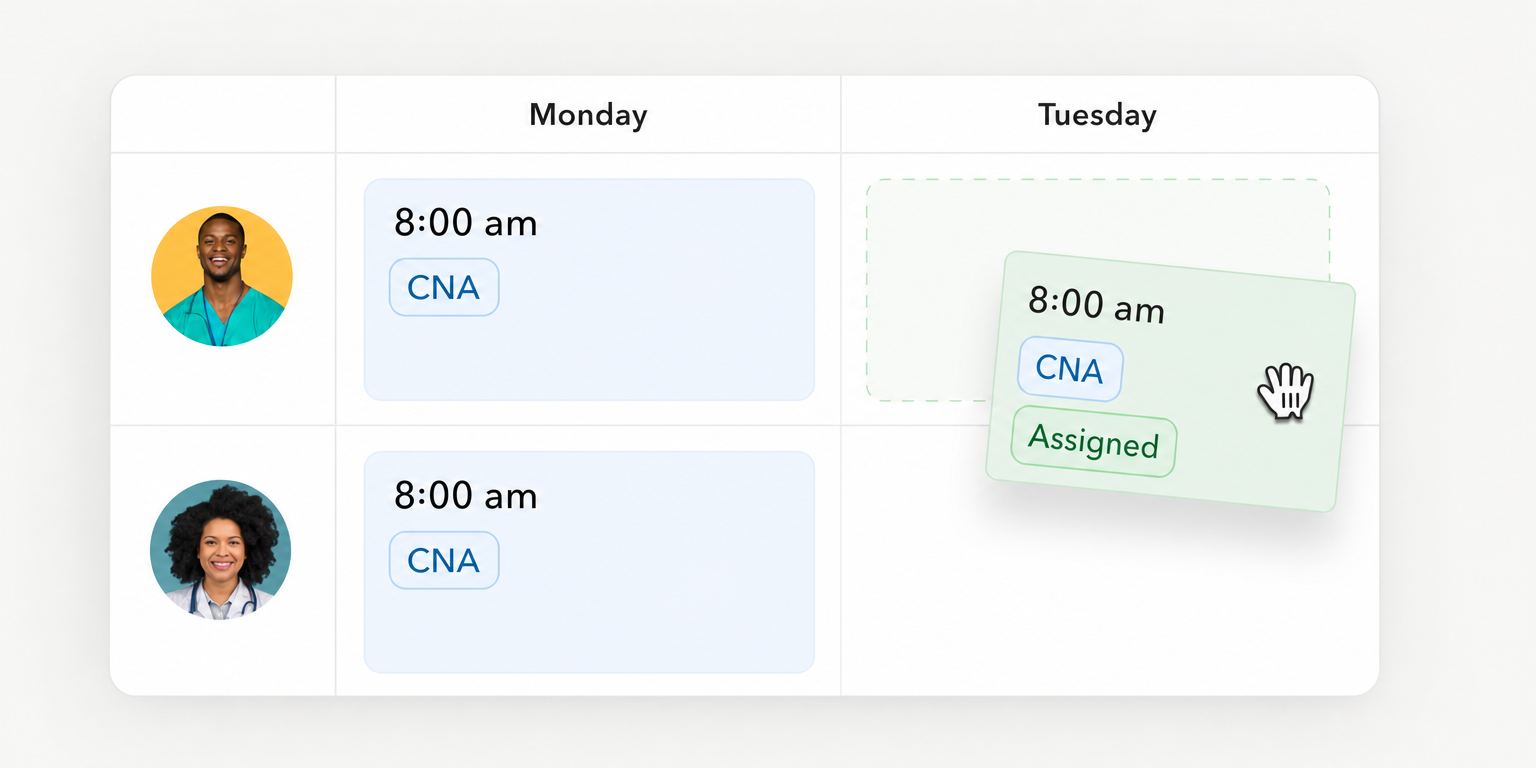
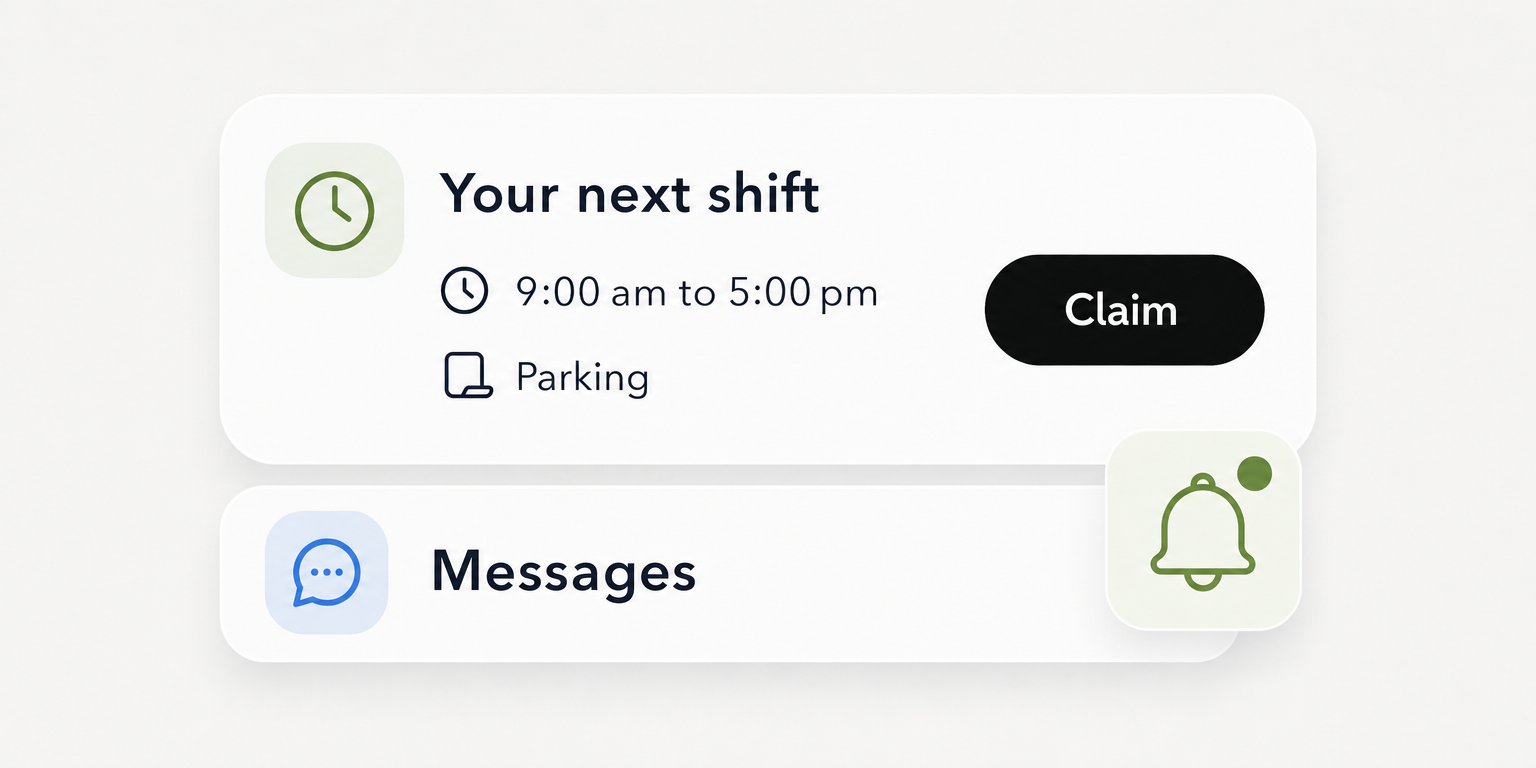
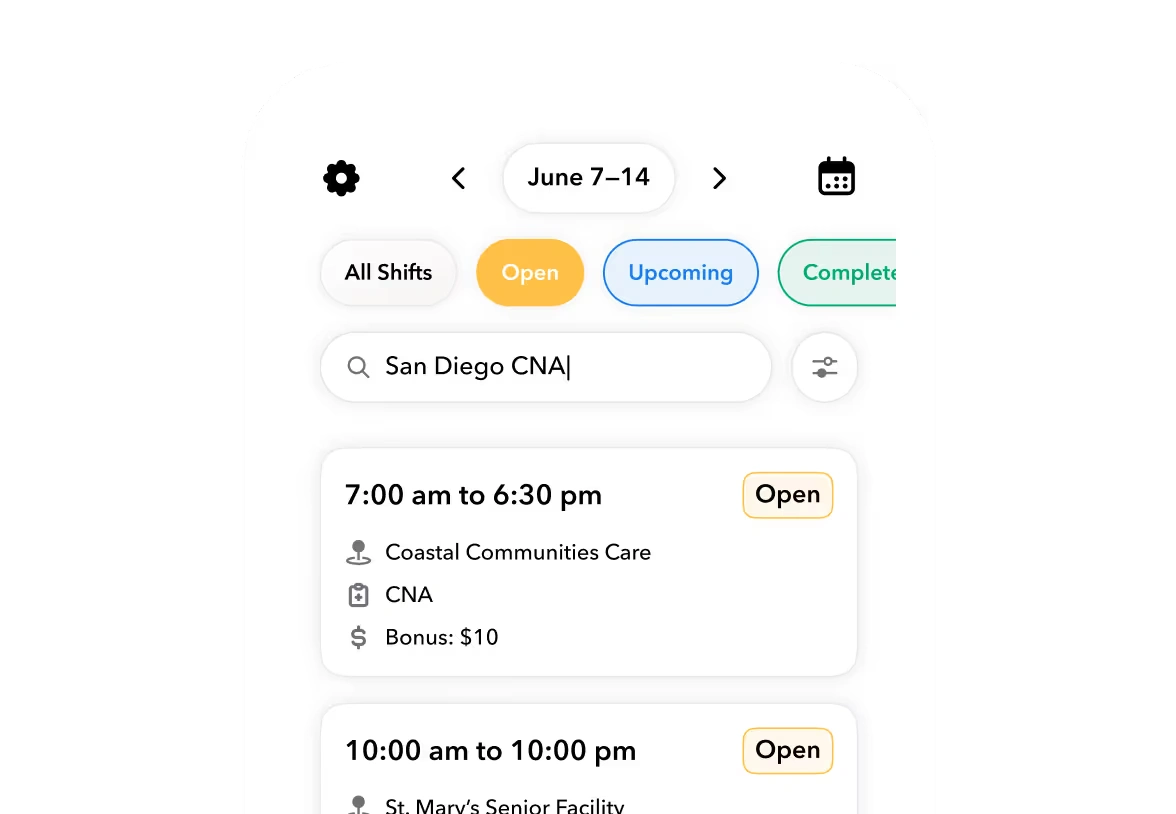
While the benefits are clear, delivering consistent, high-quality care presents significant logistical hurdles. Coordinating schedules for a mobile workforce, ensuring clear communication between caregivers and the office, and managing last-minute changes can quickly become complex. These operational demands require robust systems to keep everything running smoothly and prevent caregiver burnout.
Types of Services Commonly Included in In-Home Care
In-home care services are tailored to meet a wide spectrum of patient needs, from basic daily assistance to complex medical treatments. These services generally fall into two categories: non-medical support, which includes personal care like bathing and dressing, and companion services for tasks like meal prep and errands. For more intensive needs, skilled nursing care covers medical tasks such as medication administration and wound management, while specialized therapies help with recovery and rehabilitation. This flexible approach ensures that every individual receives a customized plan that supports their specific health goals right at home.
How to Determine If In-Home Care Is the Right Option
This is how you can determine if in-home care is the right choice for your loved one or patient.
- Assess their specific needs. Start by making a list of daily tasks they need help with, from personal care like bathing and dressing to medical needs like medication reminders or wound care. Also, consider their need for companionship and social interaction. This helps clarify the level of support required.
- Evaluate the home environment. Is the home safe and accessible? Look for potential fall hazards, check if doorways are wide enough for a walker, and ensure the bathroom is equipped with safety features. A safe environment is crucial for successful in-home care.
- Talk about their preferences. The most important voice in this decision is the person receiving care. Discuss their feelings about staying at home versus moving to a facility. Their comfort and willingness to accept help are key to making the arrangement work.
- Review financial and family resources. Explore the costs of in-home care and check what insurance, Medicare, or other programs might cover. Also, be realistic about how much support family members can provide. This helps create a sustainable, long-term care plan that works for everyone.
Choosing and Managing In-Home Care Providers
Selecting the right in-home care provider is a critical decision that balances quality, cost, and management overhead. Whether you choose to work with an established agency or hire an independent caregiver, each path comes with its own set of advantages and challenges.
- Vetting: Agencies handle background checks and credential verification, while hiring independently requires you to manage the entire screening process yourself.
- Costs: Independent caregivers may offer a lower hourly rate, but agencies bundle costs like insurance, taxes, and administrative fees into their pricing for simplicity.
- Flexibility: Working with an agency provides built-in backup care for sick days or emergencies, whereas managing an independent caregiver means you are responsible for finding replacements.
Coordinating In-Home Care with Other Healthcare Services
For in-home care to be truly effective, it can't operate in a vacuum. It must integrate seamlessly with a patient's other healthcare services, like their primary doctor or physical therapist. Strong coordination ensures everyone is working together, preventing miscommunications and keeping the patient's recovery on track.
- Communication: Create clear, consistent channels for the in-home caregiver, doctors, and specialists to share real-time updates and align on the care plan.
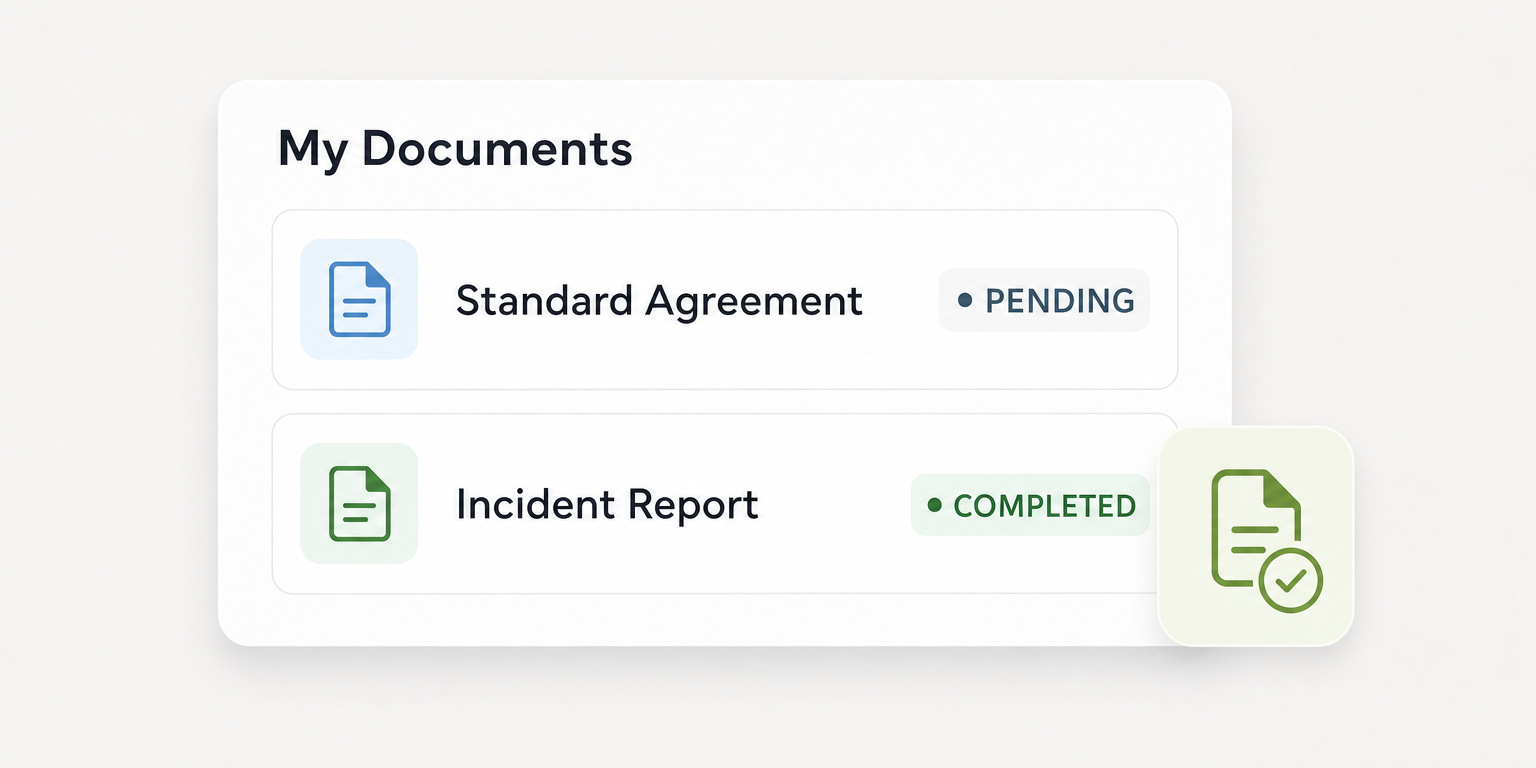
- Documentation: Use a shared digital platform to keep patient records and care plans in one accessible place, eliminating information silos between providers.
- Transitions: Carefully manage patient handoffs, especially after a hospital stay, by coordinating discharge details and scheduling follow-up appointments ahead of time.
Final Takeaways
In-home care is a vital service that allows individuals to receive personalized support in the comfort of their own homes, promoting independence and well-being. However, delivering this care effectively brings operational challenges, from coordinating schedules to integrating with other healthcare services. By understanding the various types of care, carefully selecting providers, and establishing clear communication channels, organizations can overcome these hurdles. This strategic approach ensures patients receive high-quality, consistent support while providing families with essential peace of mind.

About the author

Content Writer at Teambridge
Anis Nanai is a content writer at Teambridge, with a focus on workforce management and the realities of running hourly teams. He prioritizes conversations with customers, staying close to the market, and understanding how workforce needs are changing. His writing connects those concerns to practical decisions about scheduling, time tracking, staffing, and automation. He examines product developments through the questions that matter to operators: what does this solve, how would it work for my team, and what evidence supports it?
Company perspective: this author works at Teambridge. Customer outcomes are attributed to their published sources.
View LinkedIn profile