

Symplr and BlueSky are both well-established platforms in both agency staffing and the healthcare ecosystem, but they address workforce management from distinct perspectives. Symplr is oriented towards enterprise healthcare administration, with strengths in credentialing, privileging, vendor management, and integrations with EHR and clinical systems. Its platform is commonly used by hospitals but is also used by agencies. BlueSky is designed for staffing and enrollment workflows that support agencies, healthcare staffing, and managed service models. Choosing the right platform comes down to whether you’re primarily managing internal hospital operations or running staffing and enrollment workflows across agencies or managed service models.
In this guide, we’ll compare Symplr and BlueSky across functionality, automation, integrations, price, and real-world use cases to help leaders, HR teams, and operations managers choose the system that best fits their full workforce lifecycle.
Platform overviews
Before diving into individual features, it’s helpful to look at how each platform is built and the problems it was designed to address. Although Symplr and BlueSky both support complex operations, they differ in core capabilities, workflow design, and how they fit into the broader workforce management ecosystem. Those differences play a major role in how each platform supports real-world healthcare teams and staffing models.
Symplr at a glance
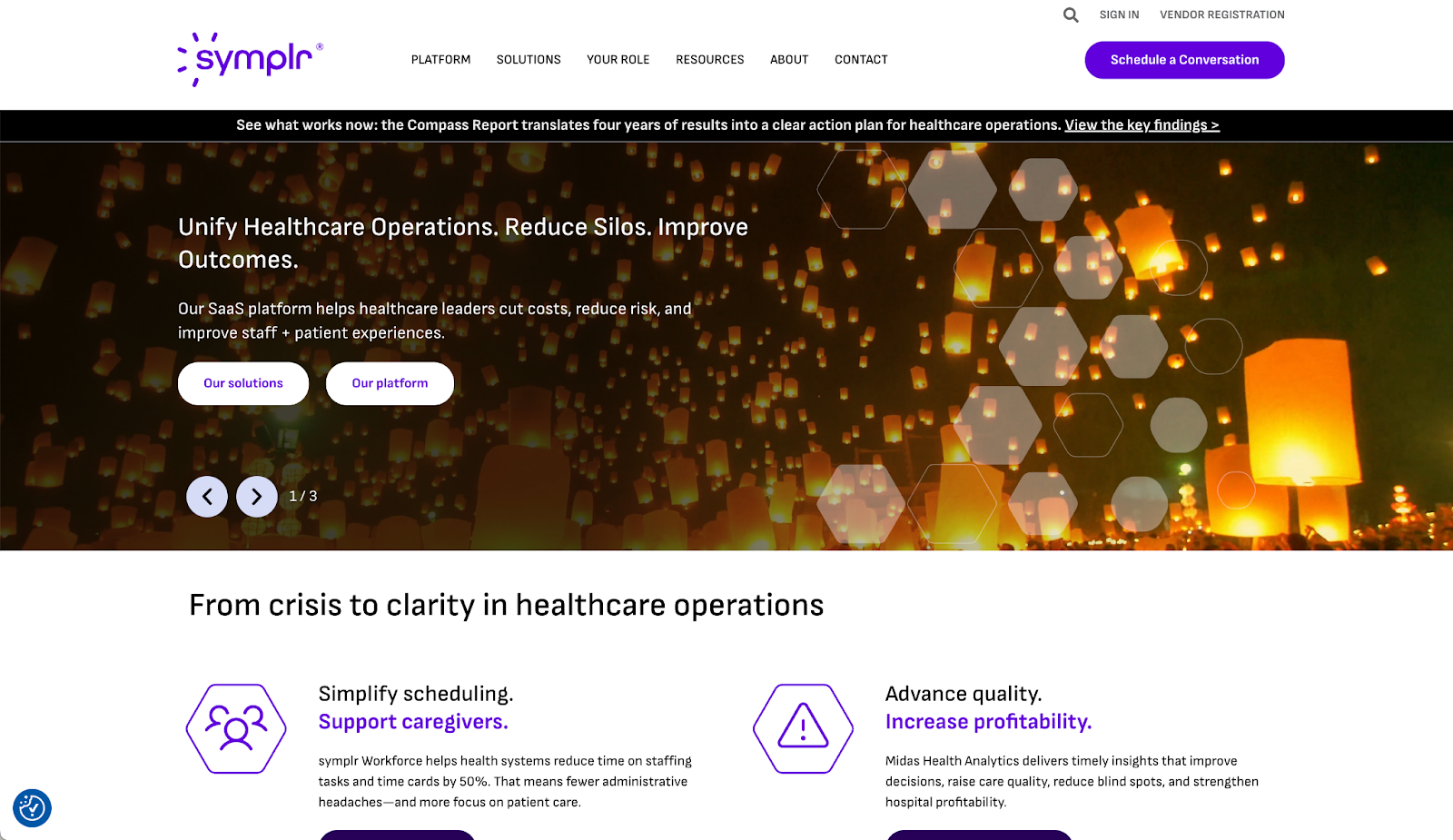
Symplr is an enterprise operations platform used by large healthcare organizations to manage administrative and workforce-related processes. Its functionality includes credentialing, privileging, provider data management, and vendor management, with integrations across EHR, HRIS, and human resources systems. Symplr supports workforce lifecycle activities such as applicant tracking, onboarding, compliance monitoring, and contract management. The platform uses configurable permissions, dashboards, and standardized workflows to support governance and coordination across teams. Some healthcare systems use Symplr as a centralized system for managing both internal and external providers.
BlueSky at a glance
BlueSky is a healthcare staffing and operations platform used to manage contingent clinical labor. It is adopted by staffing divisions, managed service providers, and agency partners that support hospitals with travel, per-diem, and other temporary clinicians. BlueSky’s functionality focuses on vendor management, enrollment, onboarding, and workforce coordination, with automation for high-volume staffing workflows. The platform includes applicant tracking, document management, scheduling, and payroll-related processes for day-to-day operations and workforce visibility. BlueSky is typically used to coordinate staffing activity across multiple facilities while supporting compliance requirements within staffing-led operating models.
Comparing core features
Recruiting, applicant tracking, and onboarding
Symplr approaches recruiting within a broader healthcare operations and compliance framework. Its applicant tracking is linked to credentialing, privileging, and provider data management, so candidates typically move forward only once required documentation is complete. Onboarding workflows are standardized and governed through role-based permissions, supporting consistency across departments in large healthcare organizations.By centralizing documentation, approvals, and compliance steps within the platform, Symplr replaces spreadsheet-based tracking with system-governed workflows.
BlueSky is designed for staffing-led recruiting environments where speed is key. Its applicant tracking supports high-volume clinician intake, enrollment, and onboarding, with automation to streamline tasks such as document collection and eligibility verification. Staffing teams can manage candidates and active clinicians in real time, making it easier to deploy providers quickly across multiple facilities. This model fits organizations managing external labor through vendor-driven staffing workflows.
Workforce management and scheduling
Symplr is commonly used by enterprise healthcare organizations that manage much of their clinical workforce internally. Its workforce management tools emphasize structured scheduling, demand planning, and compliance-focused controls. Staffing rules, approvals, and schedules are managed through permissions, supporting standardized workflows across departments. Centralized dashboards display coverage, utilization, and staffing gaps based on system-tracked schedules and assignments.
BlueSky focuses on flexibility for staffing-driven environments. Its scheduling tools support the rapid deployment of clinicians across multiple facilities, with updates reflecting changes in availability and assignments. Automation helps reduce administrative effort around shift management, which is useful for teams managing contingent labor at scale. This model aligns with organizations that rely on vendor management and external staffing partners, where responsiveness and day-to-day adaptability are critical.
Integrations and API ecosystem
Symplr is built around enterprise-grade integrations that position it as a central system of record. It connects with EHR platforms, HRIS systems, and human resources tools to keep provider data, credentialing, and privileging information available across the workforce lifecycle. Integrations also extend to vendor management and contract-related workflows, supporting organizations with strict governance and compliance requirements. While API access is available, Symplr’s strength lies in standardized, controlled integrations designed to support audit readiness and operational consistency.
BlueSky emphasizes integration flexibility through configurable connections and API capabilities tailored to staffing use cases. It integrates with payroll systems, background screening providers, and other operational tools to support fast-moving staffing workflows. APIs allow teams to sync workforce data in real time, helping streamline onboarding, scheduling, and document management across partners. Rather than serving as a single enterprise hub, BlueSky fits into a modular technology stack built for speed and execution.
Reporting, dashboards, and user experience
Symplr offers reporting designed for governance, compliance, and enterprise oversight. Dashboards provide visibility into workforce coverage, credentialing status, and compliance milestones, with access controlled through permissions. The user experience favors structured workflows and administrative control, supporting large organizations with complex oversight needs.
BlueSky prioritizes real-time visibility and usability for operational teams. Dashboards focus on staffing activity, onboarding progress, and deployment status, with an interface designed for speed and ease of use. This approach supports staffing coordinators and vendor teams managing daily execution, helping improve responsiveness without extensive configuration or training.
Pricing and value considerations
Evaluating price requires looking beyond licensing fees to understand how a platform supports long-term healthcare operations, reduces manual processes, and fits into an organization’s broader workflows and workforce management strategy.
Symplr
Symplr follows a modular, enterprise-oriented price structure, with costs typically based on organizational size, number of healthcare providers, or scope of deployed functionality. Health systems often license specific modules, such as credentialing, privileging, vendor management, or scheduling, rather than purchasing a single flat package. Implementation costs are usually significant, reflecting the depth of integrations with EHR, HRIS, human resources, and payer systems. For large healthcare organizations, the value proposition centers on compliance assurance, reduced risk, and replacing fragmented tools like excel and manual checklists with a more centralized, all-in-one administrative platform.
BlueSky
BlueSky uses a tiered or usage-based price model aligned with staffing-driven use cases. Pricing often scales based on the number of active clinicians, vendors, or facilities supported through the platform’s workforce management and vendor management capabilities. Because BlueSky is designed to streamline staffing execution, its value is frequently measured by faster deployment, reduced administrative overhead, and improved real-time visibility rather than long-term enterprise consolidation. Implementation tends to be faster and lighter than large hospital systems, making BlueSky attractive for organizations that want to optimize staffing operations without heavy upfront investment.
When to choose Symplr or BlueSky
Selecting between Symplr and BlueSky comes down to differences in labor management models, operational ownership, and the degree of structure required across workflows and compliance.
When Symplr is the better fit
Symplr is best suited for enterprise health systems that prioritize centralized control, compliance, and long-term operational stability.
- In-house workforce ownership: Designed for healthcare organizations managing clinicians and staff primarily in-house rather than through external vendors.
- Compliance-driven operations: Strong support for credentialing, privileging, and provider governance across the full workforce lifecycle.
- Enterprise integrations: Deep integrations with EHR, HRIS, human resources, and payer systems support regulated healthcare operations.
- Structured workflows and permissions: Granular permissions help standardize workflows across departments and facilities.
- Centralized oversight: Enterprise dashboards provide leadership with visibility for auditing, risk management, and long-term optimization.
- All-in-one administration: Replaces fragmented tools like excel, manual checklists, and disconnected document management systems with a consolidated platform.
When BlueSky is the better fit
BlueSky is commonly used in agency-driven staffing models that emphasize flexible workflows and execution.
- Vendor-driven staffing models: Built for organizations relying on vendor management, MSPs, or internal staffing divisions.
- Rapid workforce deployment: Supports fast onboarding, enrollment, and scheduling of healthcare providers with real-time updates.
- Operational automation: Uses automation to streamline staffing tasks and reduce administrative overhead.
- Staffing-focused use cases: Optimized for contingent labor, travel clinicians, and dynamic staffing use cases.
- User-friendly interface: Prioritizes a practical user experience with a more user-friendly interface for coordinators and operations teams.
- Faster time to value: Typically lighter implementation compared to enterprise platforms, helping teams optimize execution quickly.
Pros and cons for each platform
Both Symplr and BlueSky are established solutions supporting complex healthcare and staffing operations, but they reflect different design philosophies around workflows, automation, and ownership of workforce management. The following pros and cons focus on functional trade-offs:
Symplr
Pros
- Enterprise healthcare focus: Purpose-built for large healthcare organizations managing clinicians and staff in-house across regulated environments.
- Strong credentialing and privileging: Deep support for credentialing, privileging, and compliance throughout the workforce lifecycle.
- Robust integrations: Extensive integrations with EHR, HRIS, human resources, and payer systems support centralized healthcare operations.
- Governance and permissions: Granular permissions help enforce standardized workflows and reduce operational risk.
- All-in-one administration: Consolidates vendor management, contract management, document management, and provider data into a single system, reducing reliance on excel and manual checklists.
Cons
- Higher enterprise price: Price and implementation costs may be prohibitive for smaller organizations or staffing-focused teams.
- Longer deployment timelines: Complex integrations and configuration can extend time to value.
- Administrative-heavy user experience: Optimized for governance rather than speed, which may feel less intuitive for daily operations.
- Limited staffing agility: Less flexible for vendor-led or high-churn staffing use cases.
- API flexibility varies by module: While API access exists, customization is often bounded by enterprise configuration standards.
BlueSky
Pros
- Staffing-first design: Built specifically for healthcare staffing and vendor-driven use cases.
- Operational automation: Uses automation to streamline onboarding, enrollment, and daily staffing workflows.
- Real-time execution: Strong real-time visibility into workforce status, assignments, and documentation for healthcare providers.
- User-friendly interface: More accessible user experience for coordinators and operations teams managing daily execution.
- Faster implementation: Typically quicker to deploy than large enterprise platforms, helping teams optimize staffing operations sooner.
Cons
- Less enterprise consolidation: Not designed as a single administrative hub for all healthcare operations.
- Limited deep HR alignment: Weaker native alignment with human resources and HRIS systems compared to enterprise platforms.
- Governance depth: Fewer controls for complex permissions and internal policy enforcement.
- Reporting depth varies: Dashboards are operationally focused rather than enterprise-wide.
- Scalability trade-offs: May require additional tools as organizational complexity grows.
When You Need a Better Option
Symplr and BlueSky each solve important parts of healthcare workforce management, but many organizations need more than either platform offers on its own. Symplr excels at enterprise governance and compliance, while BlueSky prioritizes staffing execution and speed. If your operations require both structure and flexibility, relying on separate systems can quickly create friction.
Healthcare teams managing a mix of internal staff, contingent labor, and external vendors often need tighter coordination across recruiting, onboarding, scheduling, compliance, and daily workforce operations. When those functions live in different tools, teams lose visibility, introduce manual handoffs, and fall back on spreadsheets to fill the gaps.
If you are looking for a single platform that brings these capabilities together without sacrificing usability, real-time insight, or adaptability, it is worth considering an alternative designed to support the full workforce lifecycle. That is where Teambridge stands apart.
Why Teambridge is the best alternative
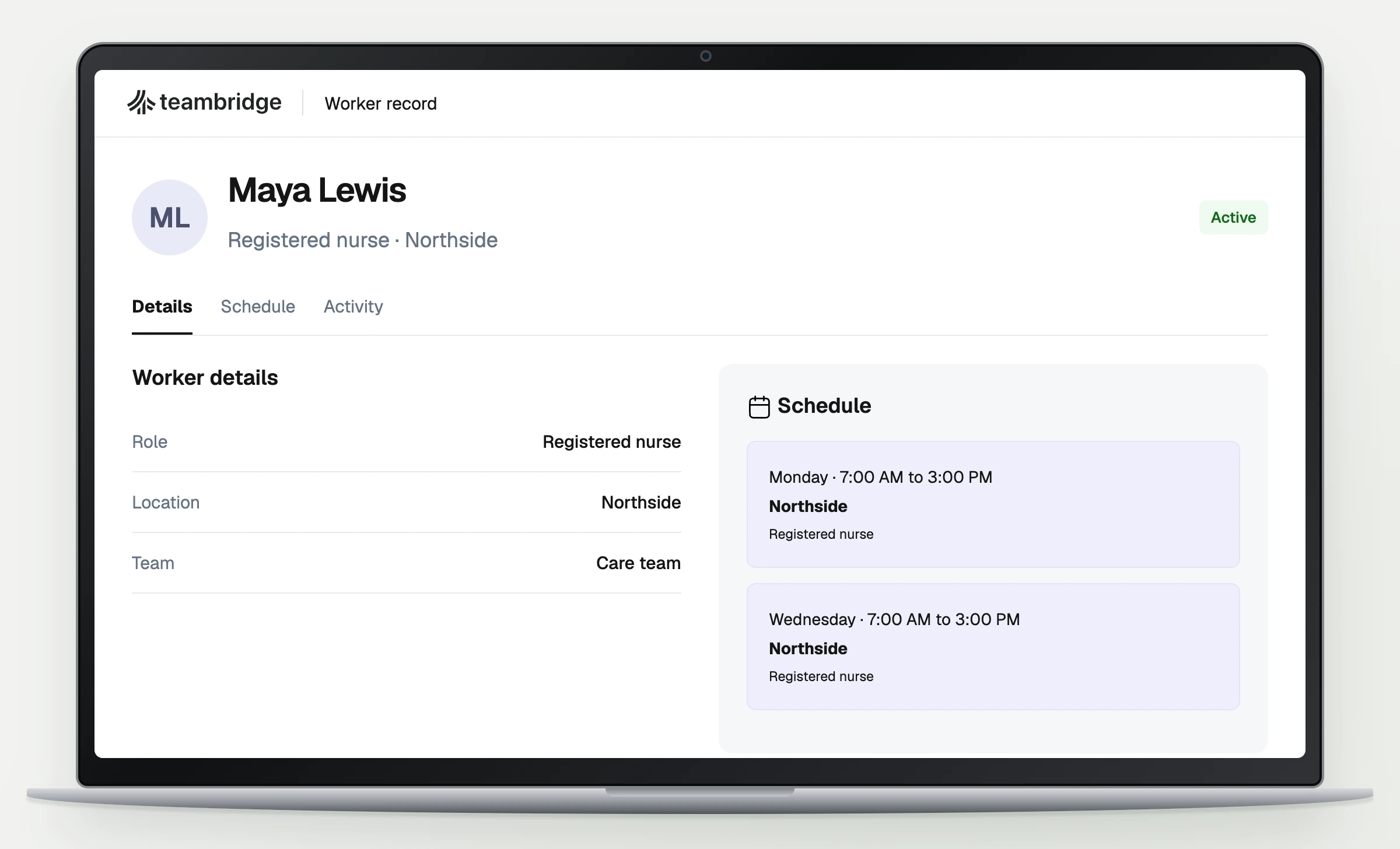
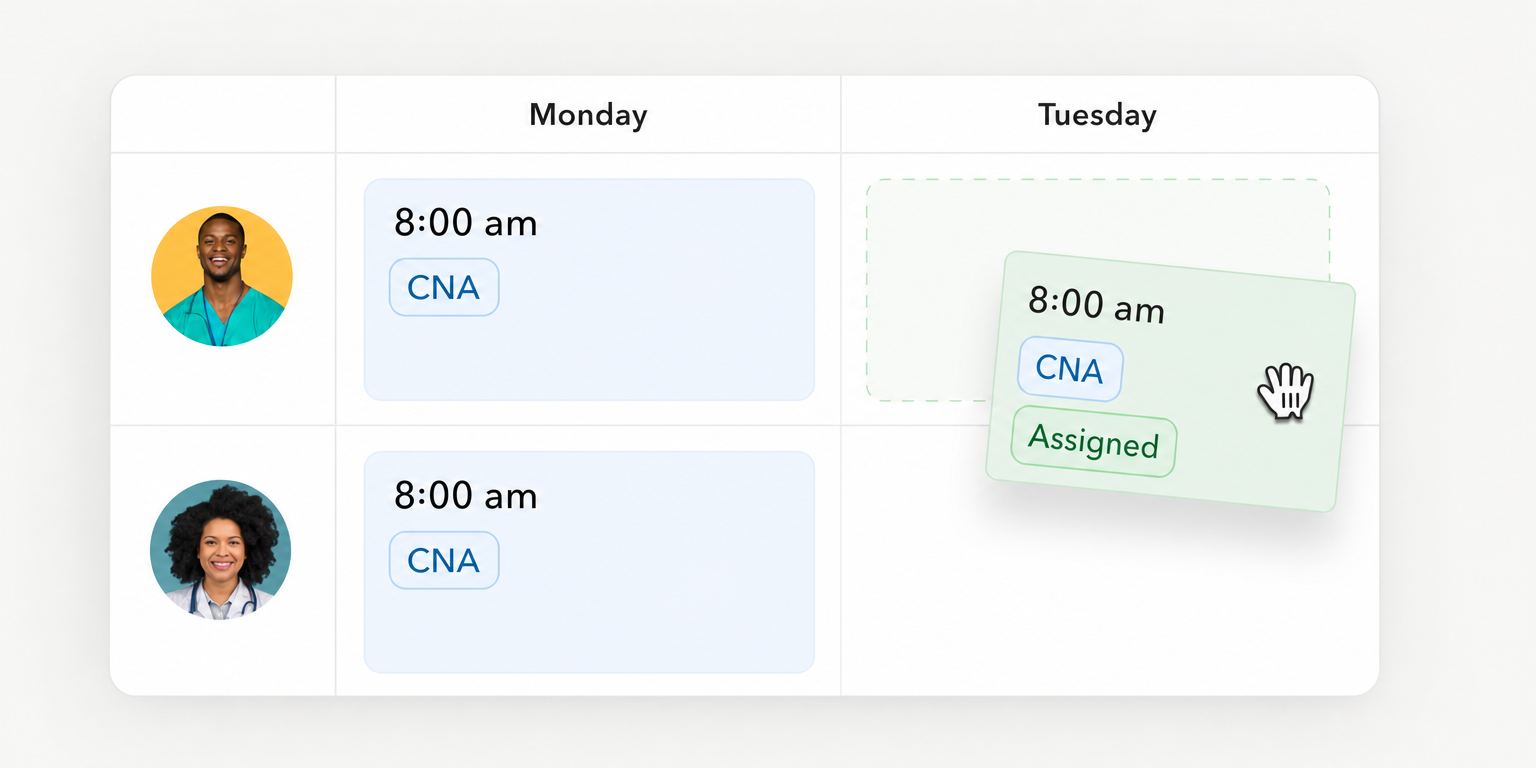
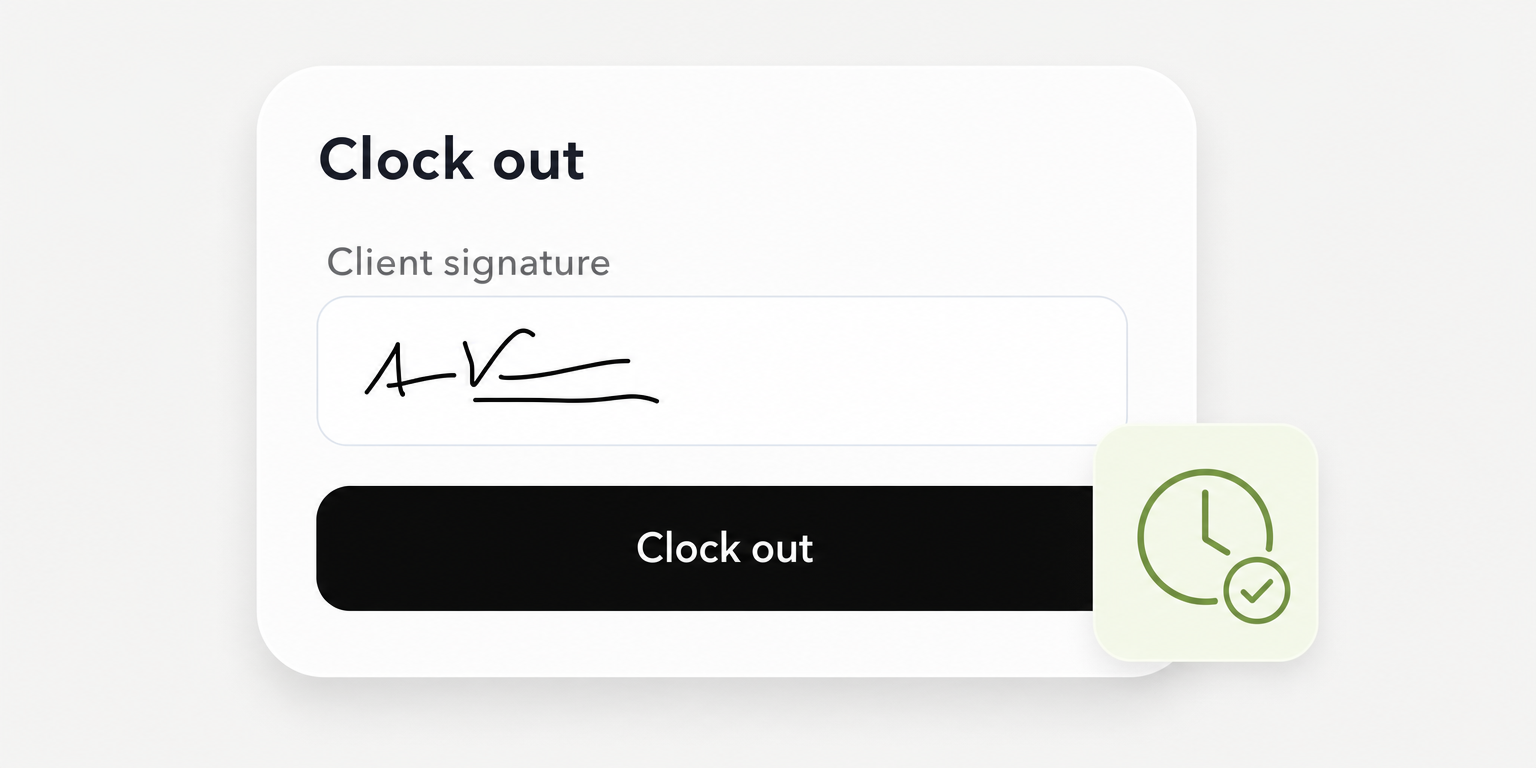
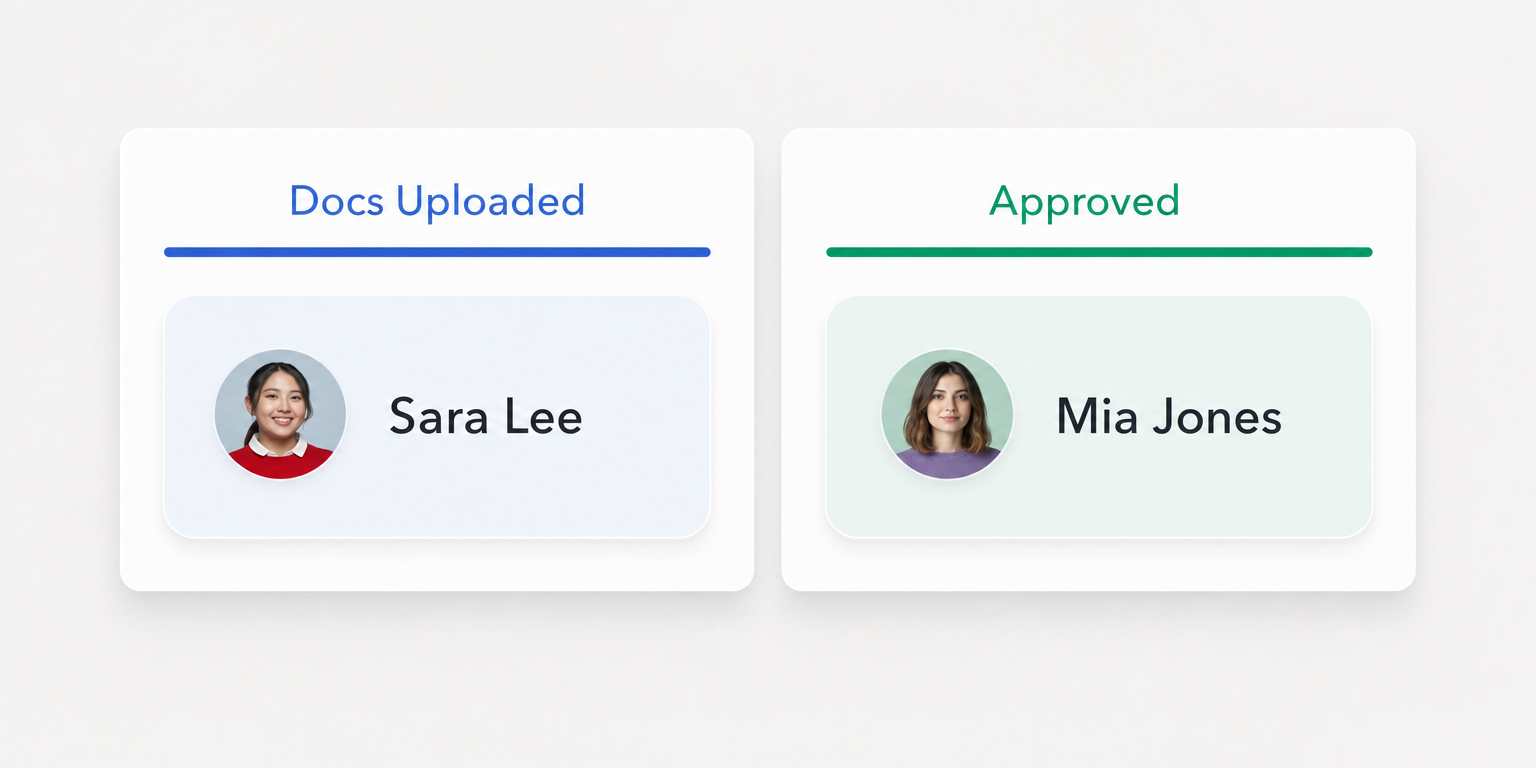
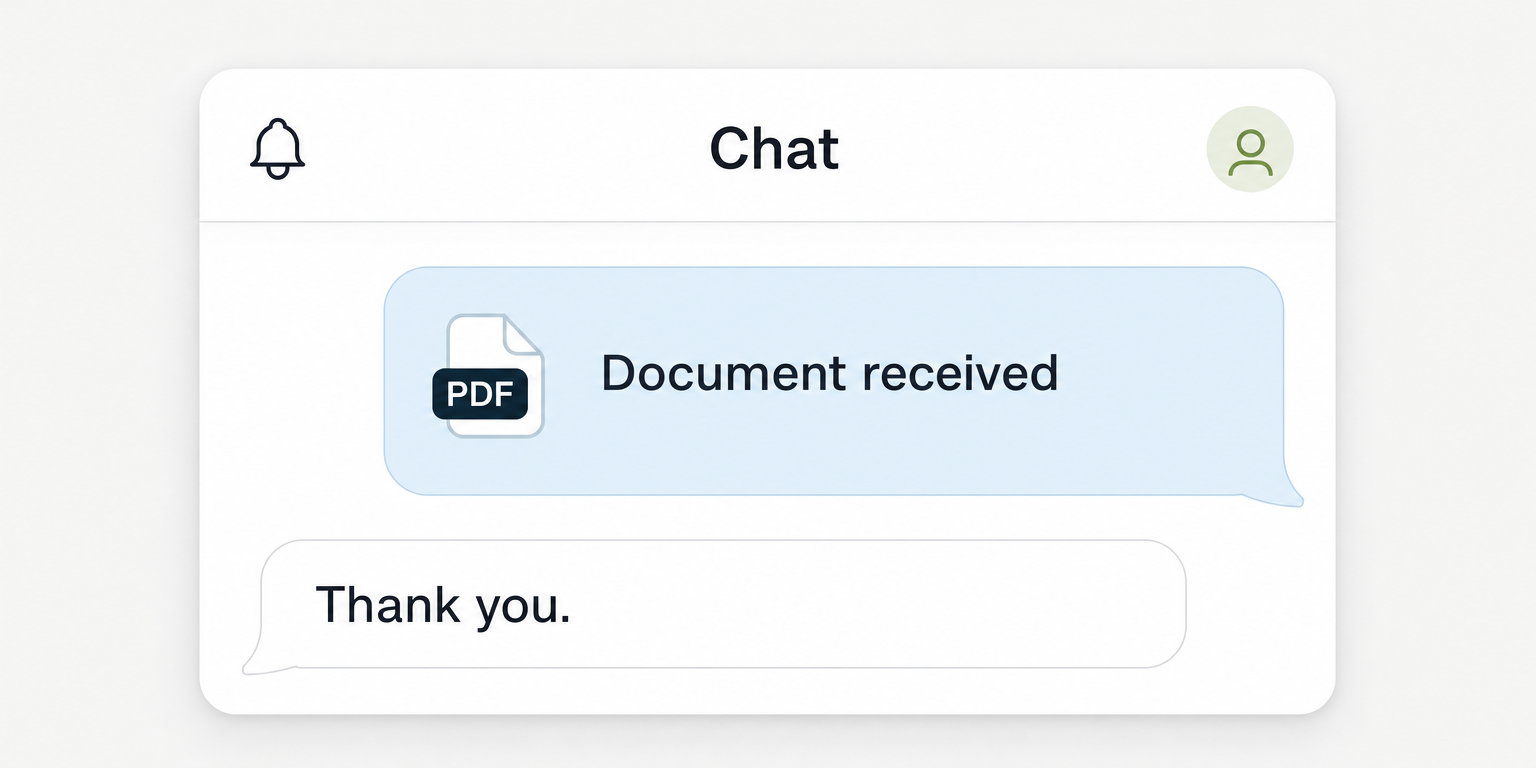
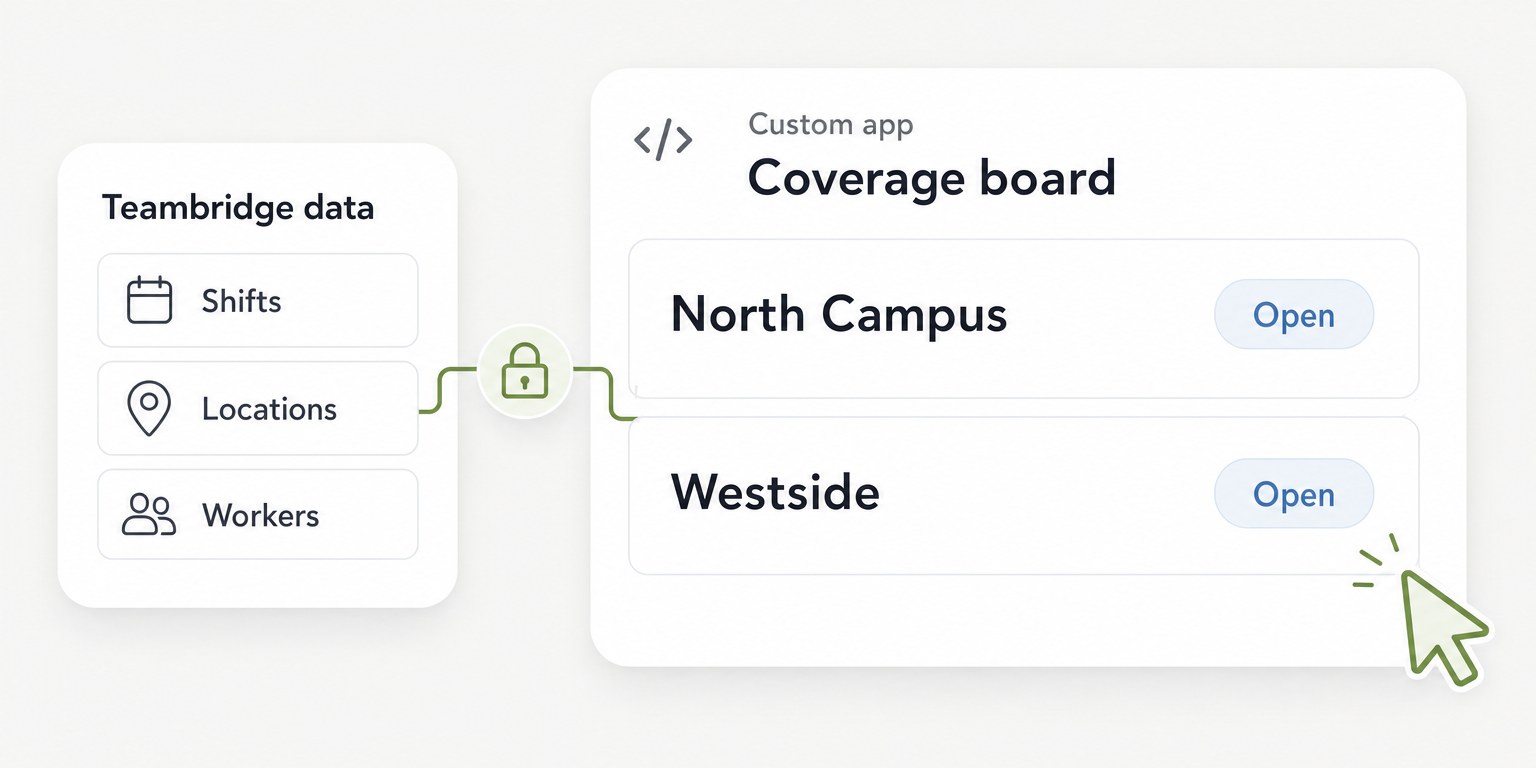
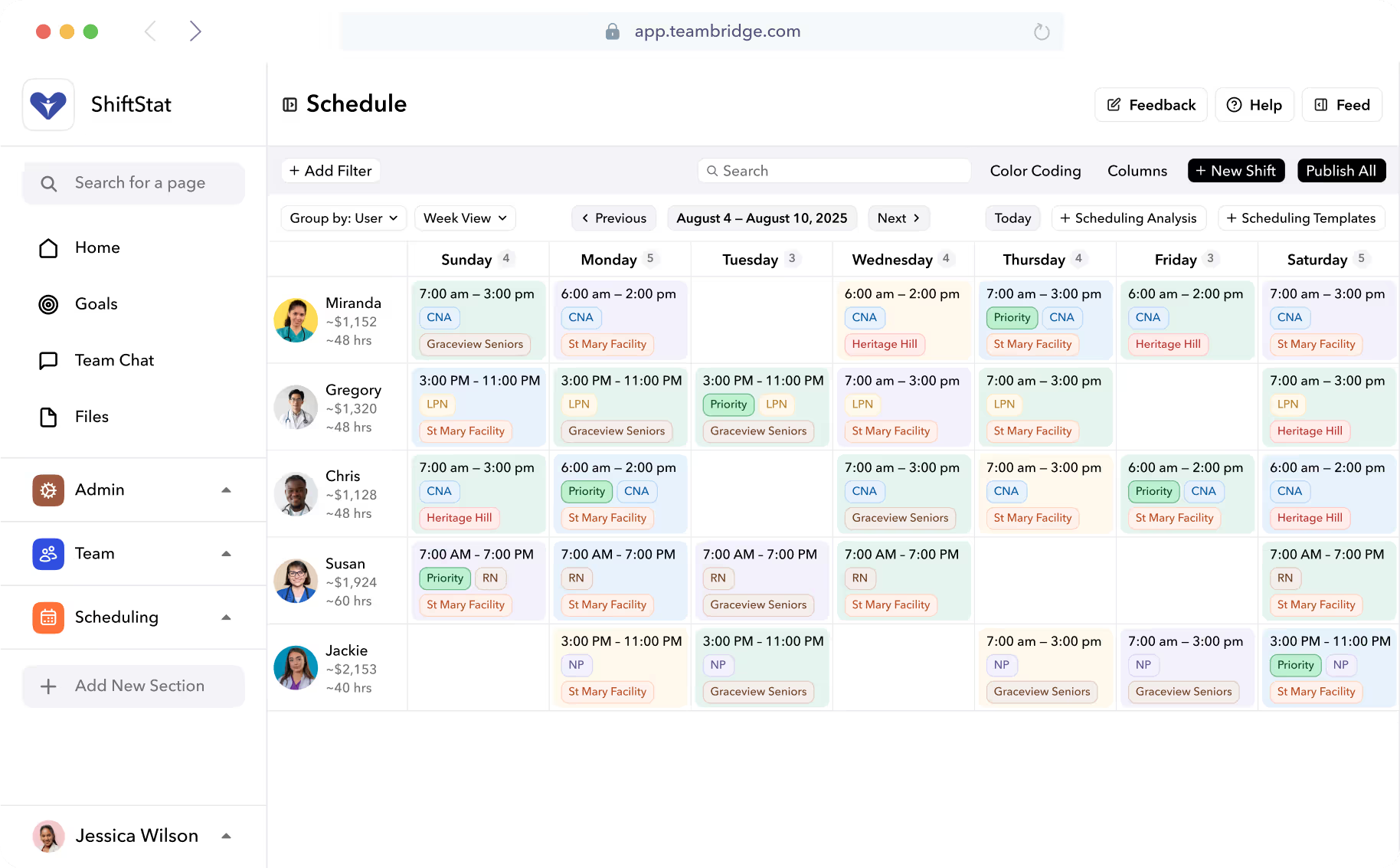
Teambridge takes a more all-in-one approach than both Symplr and BlueSky by bringing applicant tracking system capabilities, scheduling, time and attendance, onboarding, credentialing, privileging, document management, and team communication into a single platform. Instead of managing separate systems for workforce management, vendor management, compliance, and staffing execution, healthcare organizations can manage the entire workforce lifecycle in one place. This unified model helps teams reduce manual processes, improve real-time visibility, and streamline coordination across their healthcare operations without relying on excel, fragmented checklists, or disconnected tools.
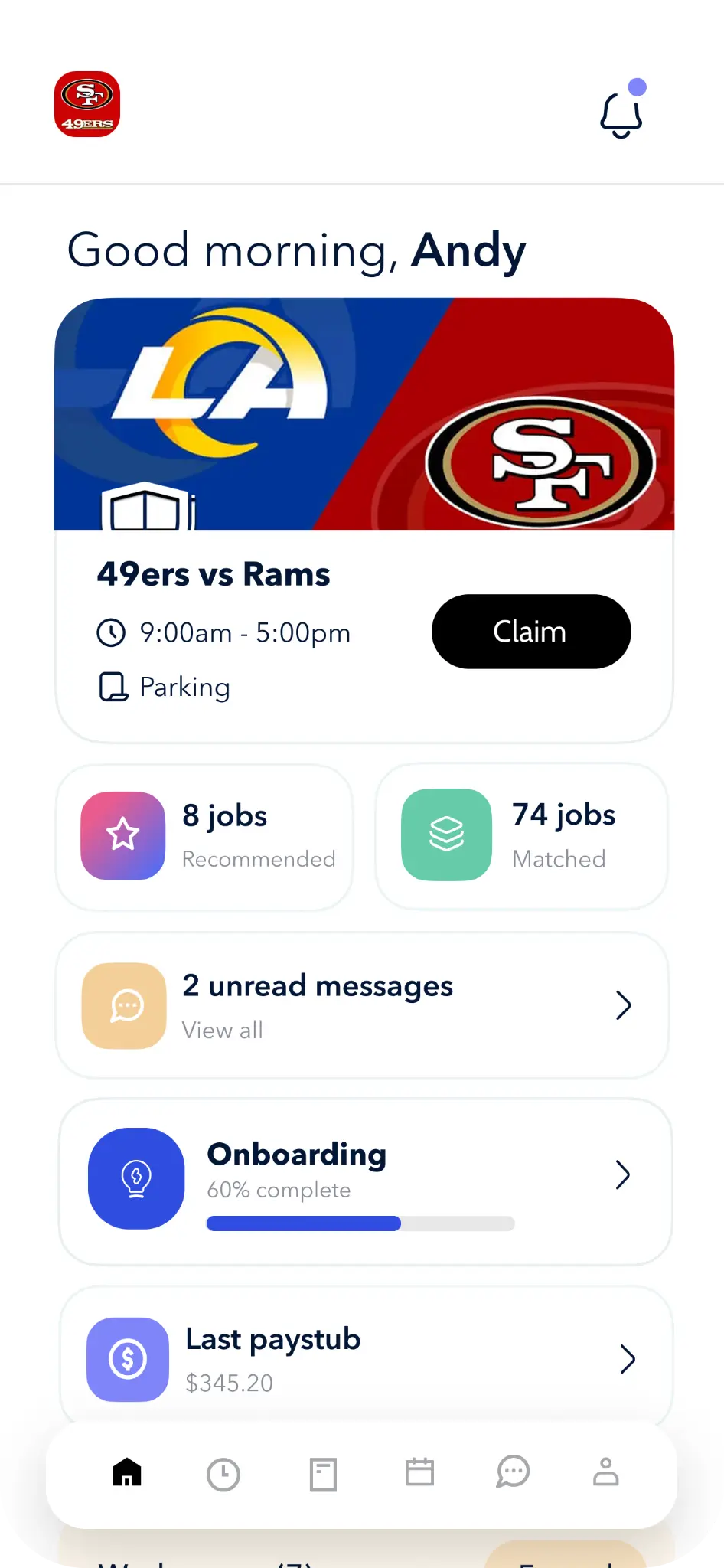
Built as modern workforce infrastructure, Teambridge supports medical staffing firms operating in fast-changing environments where compliance and execution must stay aligned. Its user-friendly, mobile-first experience allows teams to adapt workflows without heavy configuration, while built-in automation and flexible permissions support consistent processes across roles and teams. Configurable dashboards help organizations manage staffing activity across in-house and agency-supported models without relying on rigid, compliance-first systems.
Book a demo with Teambridge and see how healthcare organizations modernize workforce management, support clinicians more effectively, and drive measurable impact across today’s complex staffing landscape.

About the author

Content Writer at Teambridge
Anis Nanai is a content writer at Teambridge, with a focus on workforce management and the realities of running hourly teams. He prioritizes conversations with customers, staying close to the market, and understanding how workforce needs are changing. His writing connects those concerns to practical decisions about scheduling, time tracking, staffing, and automation. He examines product developments through the questions that matter to operators: what does this solve, how would it work for my team, and what evidence supports it?
Company perspective: this author works at Teambridge. Customer outcomes are attributed to their published sources.
View LinkedIn profile