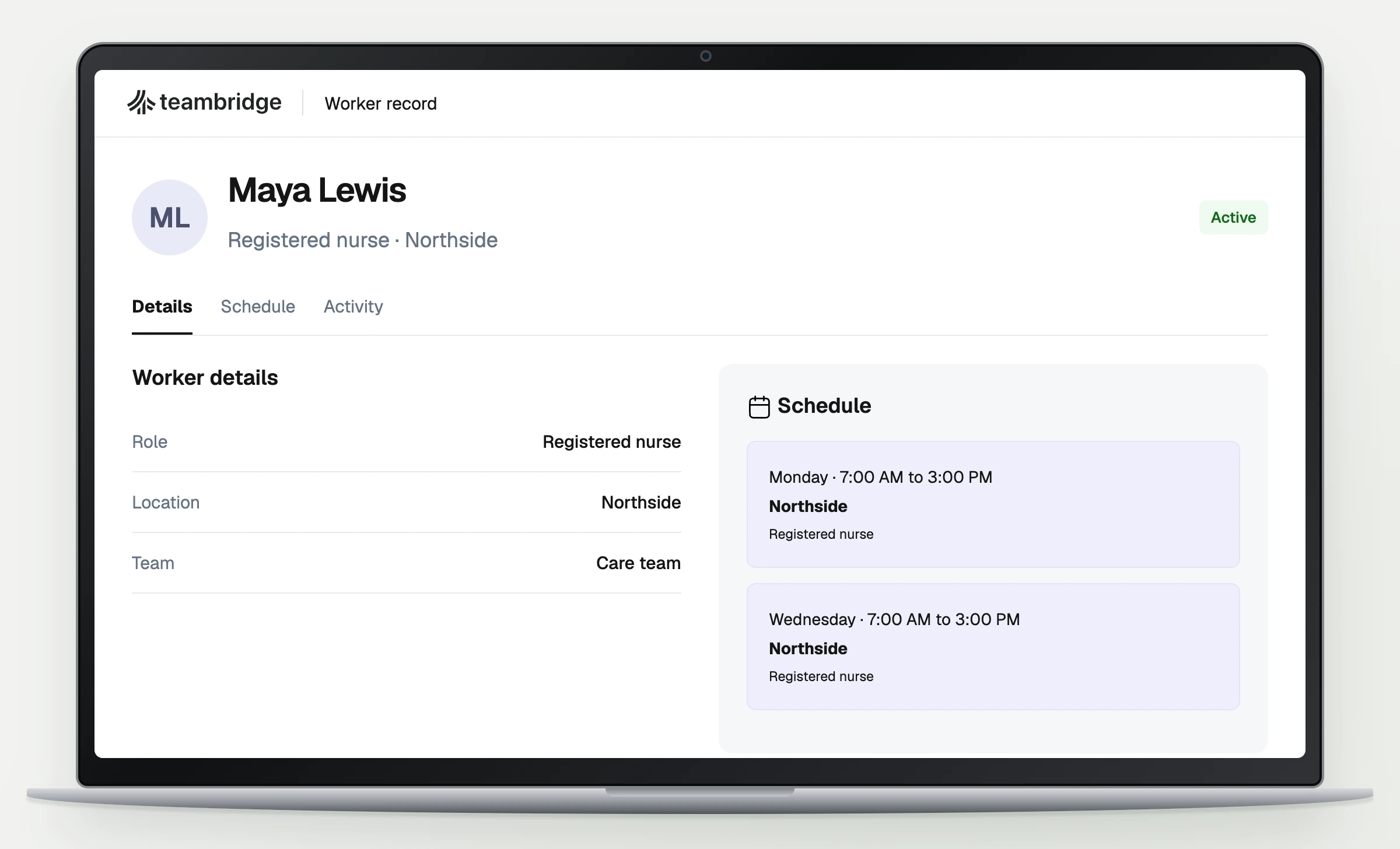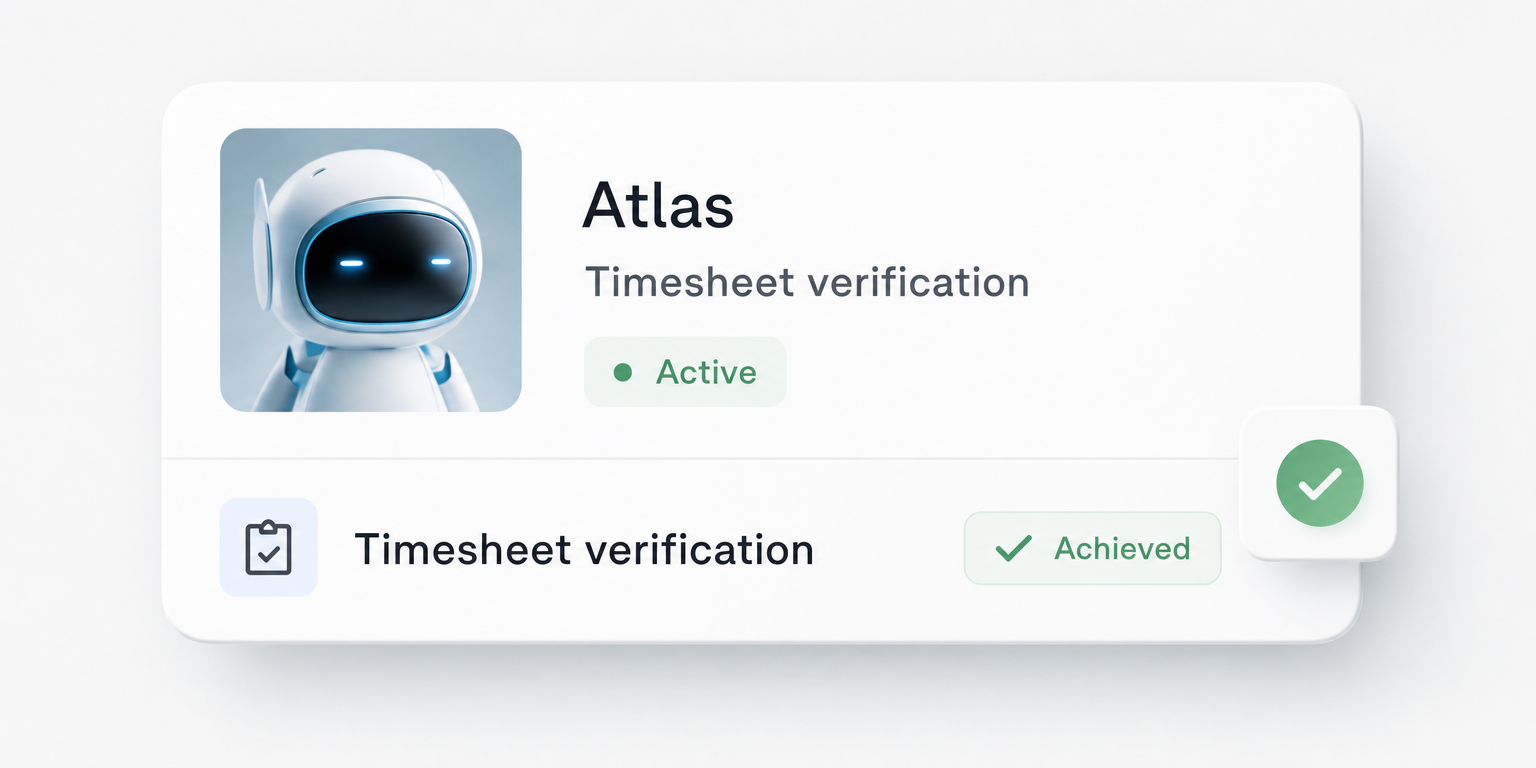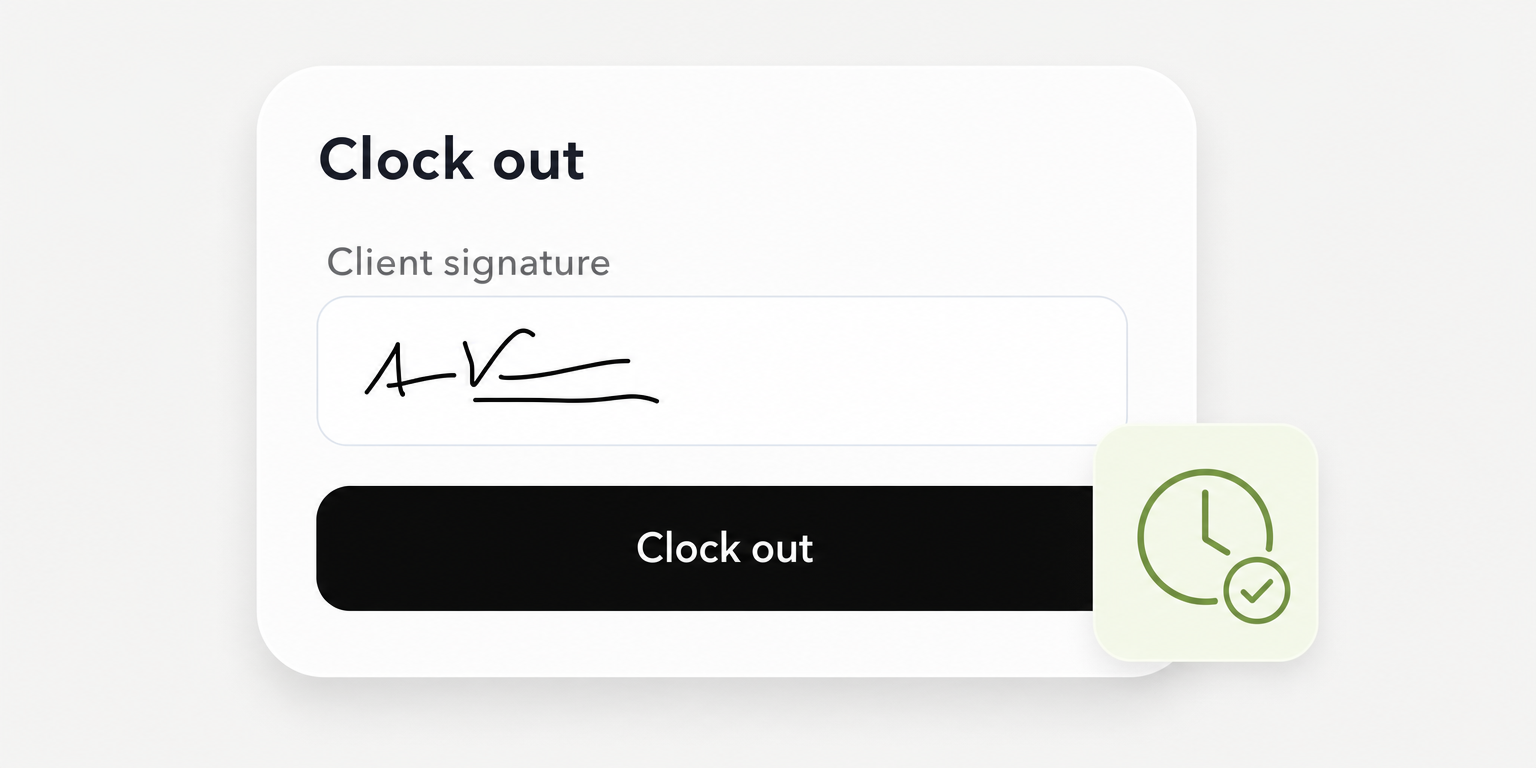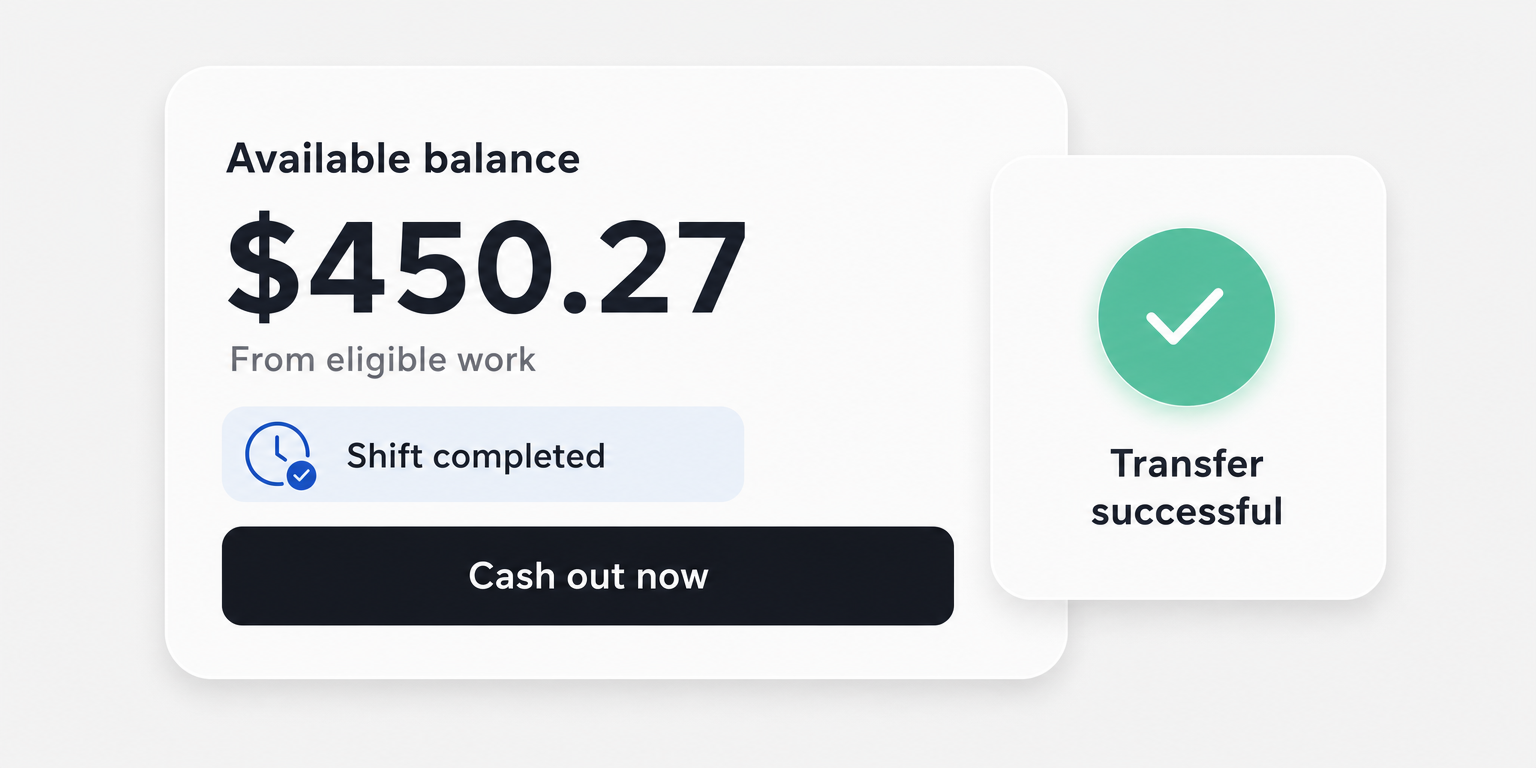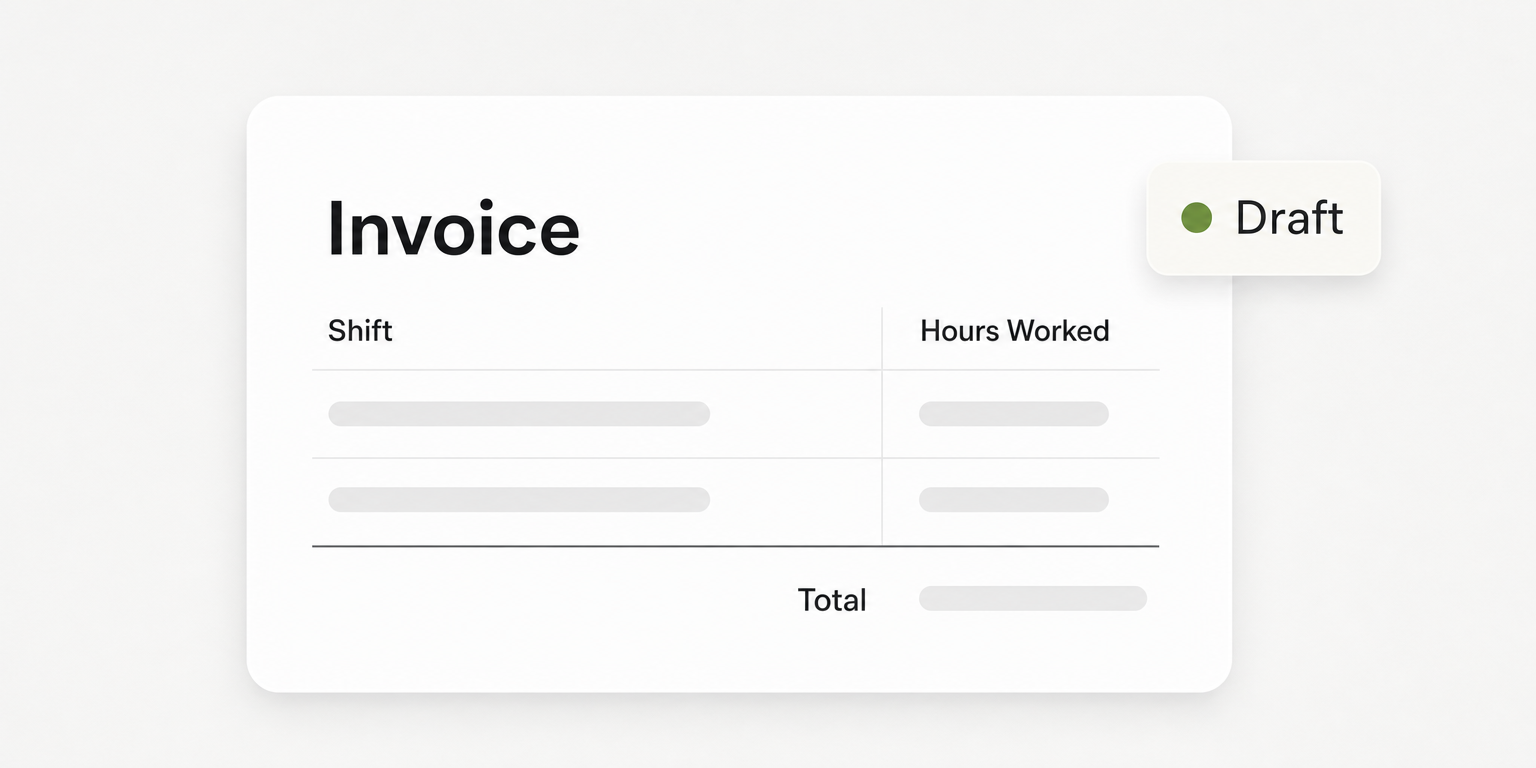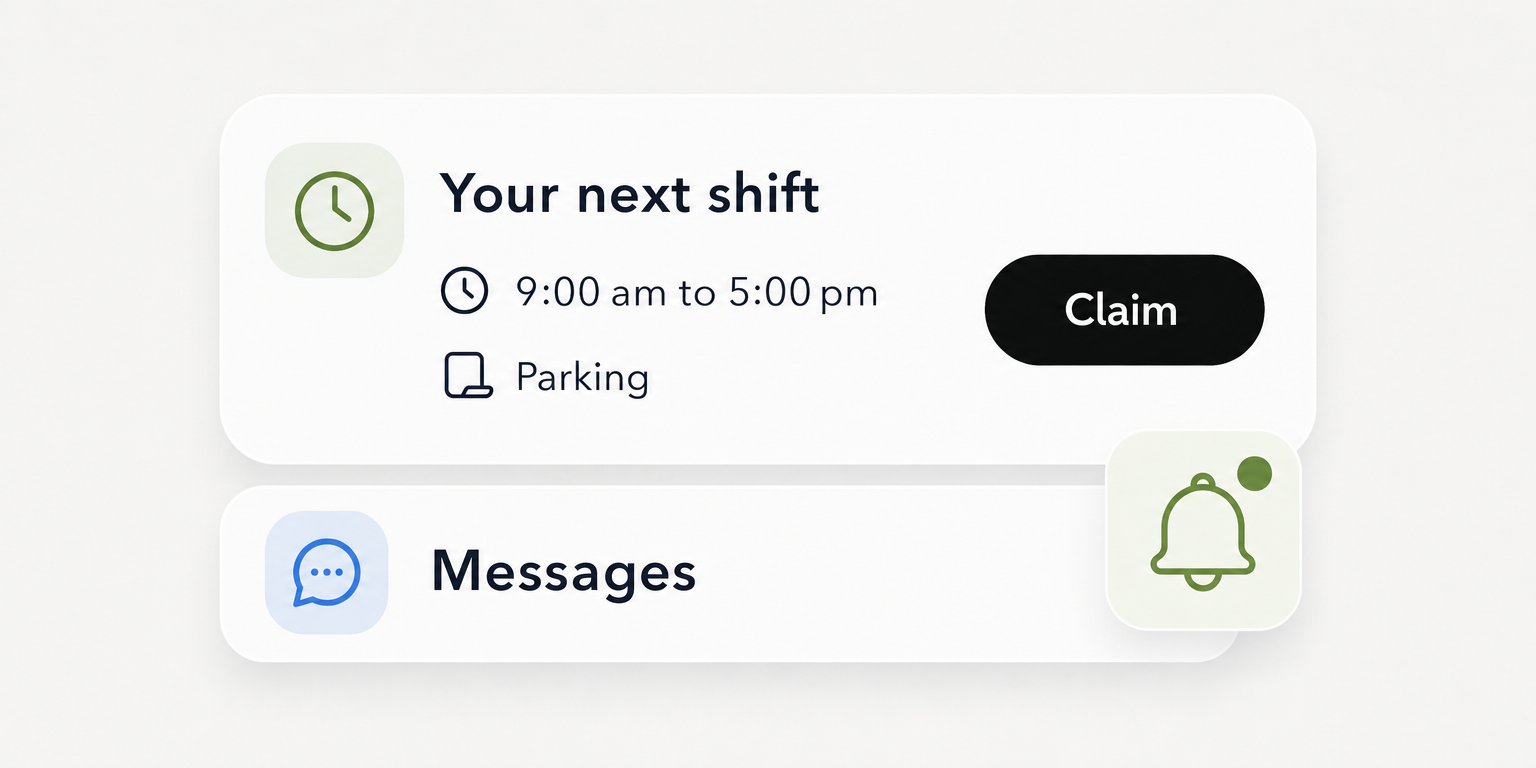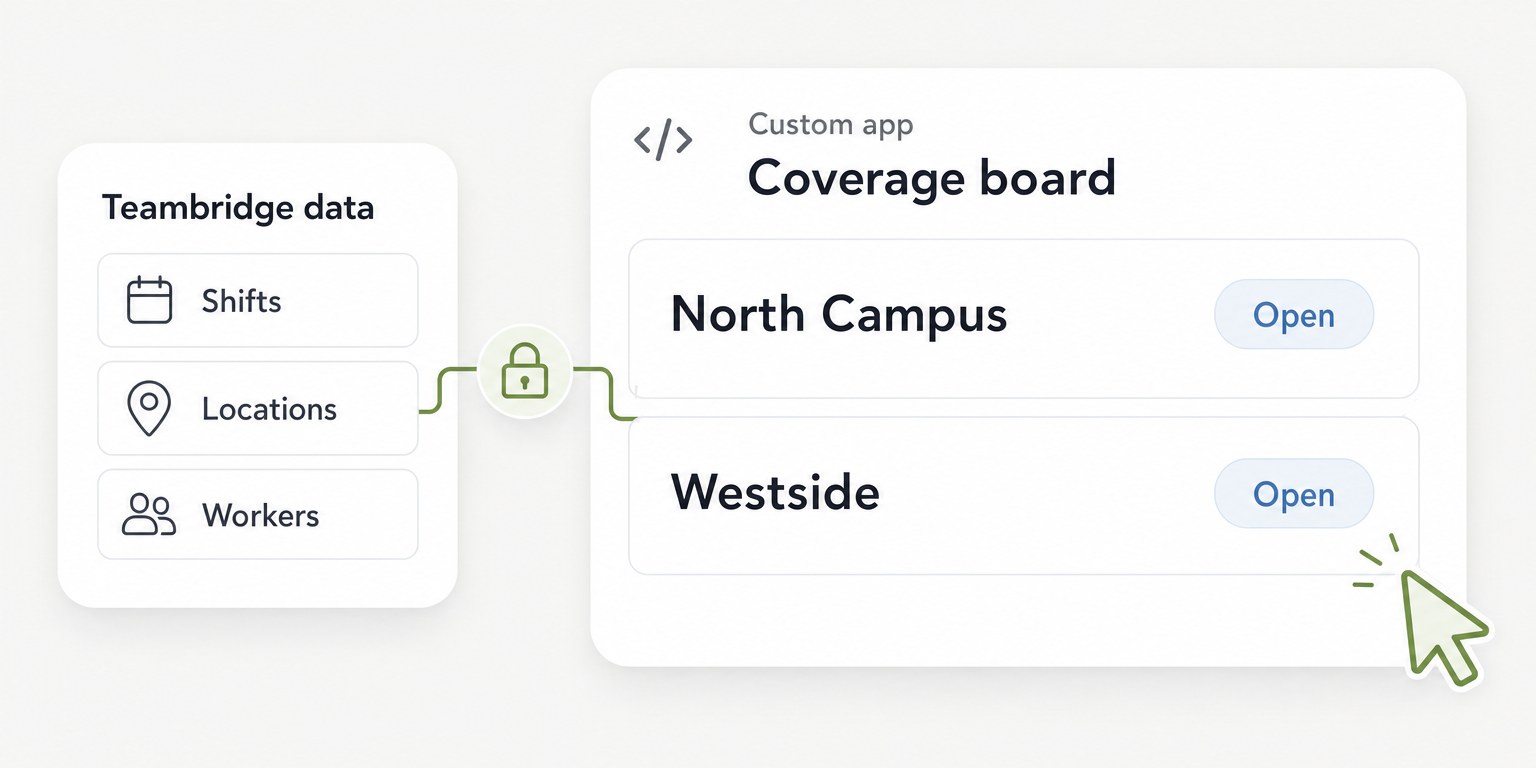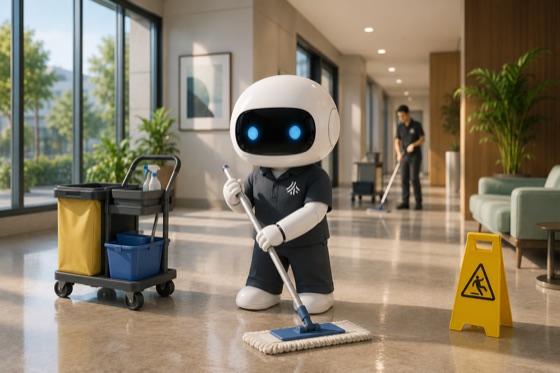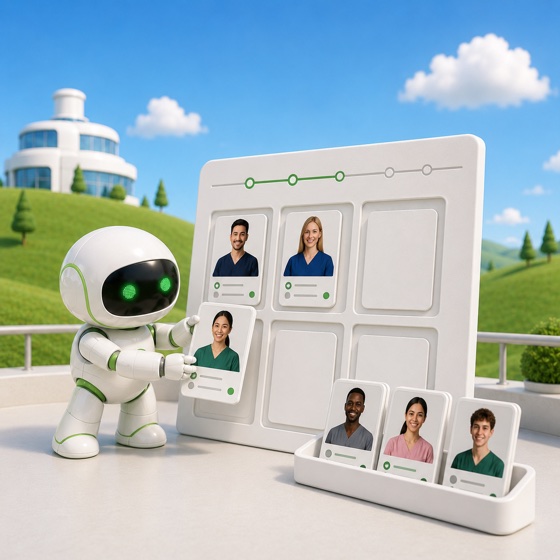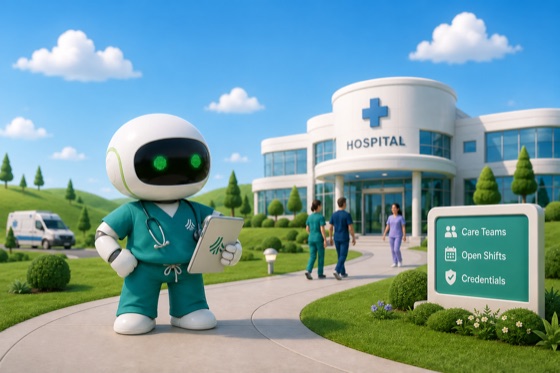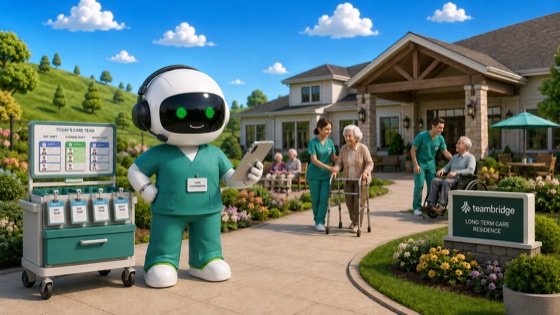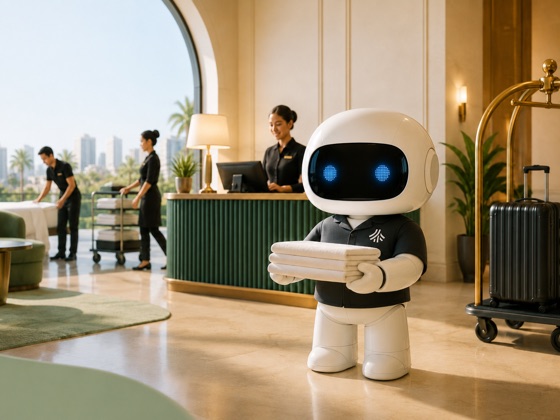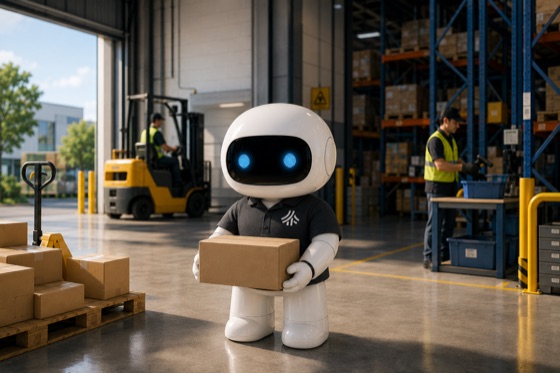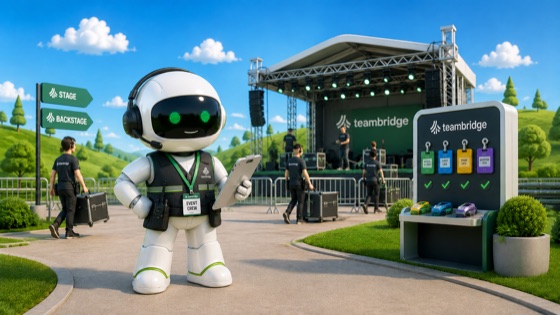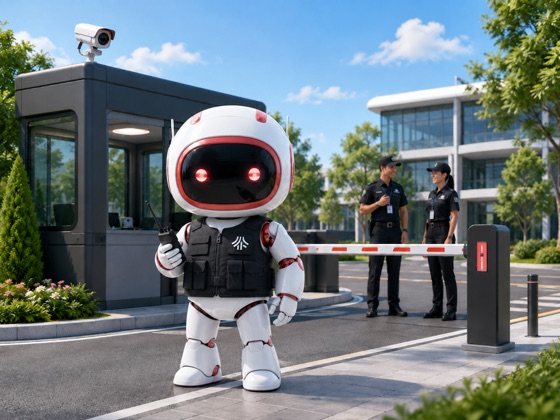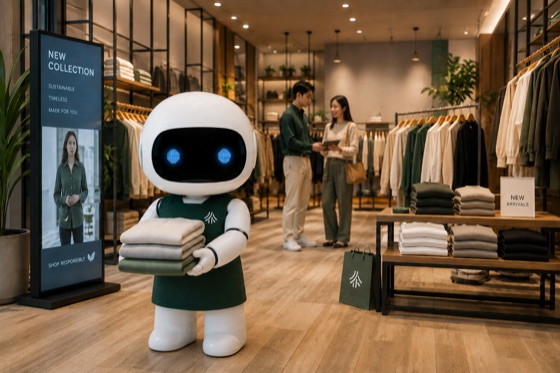


This scene — not the arrival of autonomous floor scrubbers — is what actually governs whether a janitorial company grows or stalls. The industry press keeps writing about robots. The operators know the constraint is upstream of the mop.
The Real Bottleneck Isn't the Mop — It's the Back Office
Walk into almost any commercial cleaning operation on a Monday morning and the pain is identical. Someone is manually rebuilding the schedule. Someone else is chasing an I-9 for a cleaner who was supposed to start last Tuesday. A third person is on the phone with a property manager explaining why the second-floor restrooms didn't get hit on Friday.
The physical work — pushing a scrubber, emptying a trash can, wiping down a conference room — is the visible product. But it's the smallest slice of the operating cost surface. The back office is where margin leaks, where contracts get lost, and where growth dies.
When a building service contractor can't put a qualified, credentialed cleaner in front of a specific door at a specific time, it doesn't matter how advanced their equipment is. The mop doesn't move itself to the building. Neither does the person holding it.
A Growing Market Meeting a Shrinking Labor Pool
The demand curve is steep and it's accelerating. The Global Commercial Cleaning Services Market is projected to expand from USD 225.24 billion in 2025 to USD 336.32 billion by 2031, growing at a CAGR of 6.91%, covering professional maintenance and sanitation for non-residential environments such as healthcare institutions, corporate offices, educational facilities, and industrial sites. Outsourcing is accelerating. Hygiene expectations have reset post-pandemic and haven't come back down.
The workforce side is moving the opposite direction. A severe labor shortage coupled with difficulty retaining a qualified workforce is the critical obstacle hindering the market. This operational bottleneck limits providers' ability to meet rising demand, forcing them to decline new contracts or restrict the scope of existing ones, and a lack of workforce stability disrupts service continuity and quality.
And the outlook from contractors themselves isn't improving. According to the Building Service Contractors Association International, 40 percent of contractors in 2025 expected recruitment challenges to escalate in the coming year.
Then there's turnover — the number that every BSC operator has memorized and every outsider finds unbelievable. In the janitorial industry, employee turnover averages about 200%. This level of turnover is "normal" but it shouldn't be because it doesn't have to be. Some operators run higher. In non-pandemic times the janitorial industry employee turnover rate is typically between 200-400%.
Important
Demand is compounding at ~7% per year. The workforce isn't. Every contractor is effectively in a footrace against their own labor attrition — rehiring their entire roster twice annually just to stay flat.
That's the setup. A market growing toward $336B with a labor base that cycles out twice a year. You cannot hire your way out of that math. You have to operate differently.
Why Robots Get the Headlines and Schedulers Get the Results
The robotics story is real, and it deserves credit where credit is due. Autonomous floor machines have moved from trade-show novelties to deployed hardware in hospitals, airports, and retail centers.
Pudu Robotics has launched its CC1 Pro, an autonomous cleaning machine designed to serve large-scale commercial facilities such as retail centers, hospitals, airports, and industrial warehouses. The new model builds on the company's earlier CC1 unit, expanding its cleaning range and incorporating more advanced AI-driven features, combining four cleaning functions – sweeping, scrubbing, vacuuming, and dust-mopping – and uses onboard AI to adjust its operations in real time. Equipped with a rear AI camera, it can continuously monitor the cleanliness of floors, and if any stubborn stain remains, it marks the location on the map and automatically re-cleans the area.
That's genuinely useful. Floor scrubbing in wide, repetitive spaces is a good fit for automation. But notice what robots don't do:
- They don't call out sick at 5:45 AM
- They don't need an I-9, a background check, or a building badge
- They don't cover the restrooms, the conference rooms, the stairwells, or the high-touch surfaces
- They don't talk to the property manager when something goes wrong
- They don't manage another robot

A BSC can lease a scrubber for roughly the cost of a part-time cleaner. That frees up labor hours. It does not, by itself, solve staffing, credentialing, replacements, or compliance. The robot handles a narrow slice of repetitive floor work. The messy, expensive, margin-defining problem is the human workforce surrounding it.
That's where AI actually moves the P&L — not on the floor, but in the operations layer above it.
The 5:45 AM Shift Replacement Problem, Solved Without a Phone Tree
Back to the parking lot at 5:43 AM. The legacy playbook for a last-minute callout is roughly:
- Supervisor identifies the gap (usually because someone didn't show, not because of proactive notification)
- Supervisor texts a group of "usual suspects" — typically the same five people who always say yes
- Waits for a response while the minutes tick
- Escalates to phone calls
- If nothing lands, drives to the site and cleans it herself
This works until it doesn't. And when it doesn't work, the client notices.
What AI-driven scheduling actually does
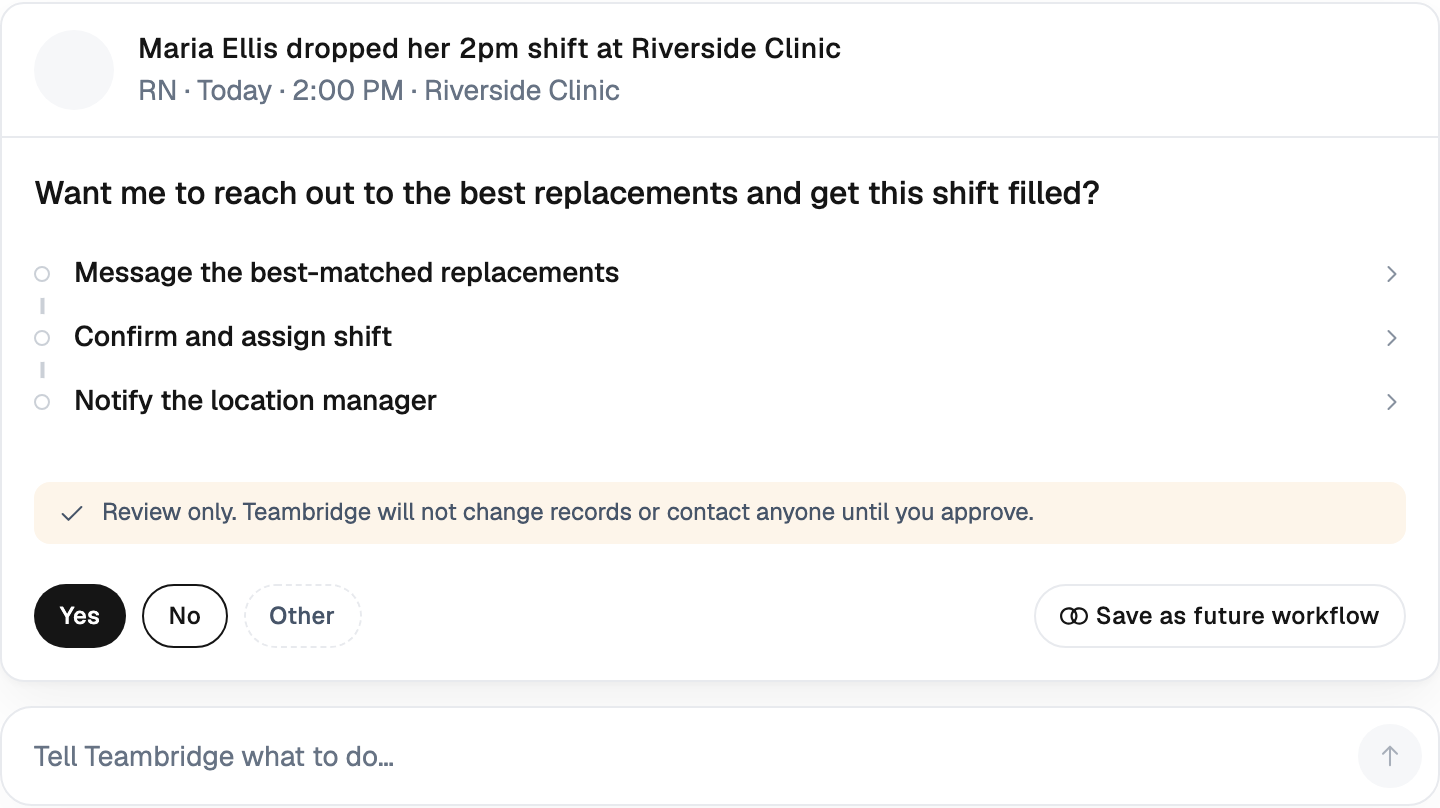
An automated scheduling system handles the same problem differently. When a callout hits, the system:
- Identifies the open shift and its requirements — building, task list, credentials, site-specific training, access badge
- Filters the qualified pool — only cleaners with valid credentials, no overtime conflicts, no scheduling clash, within a reasonable commute
- Ranks by response likelihood — who historically accepts early-morning offers, who lives closest, who hasn't picked up a shift this week
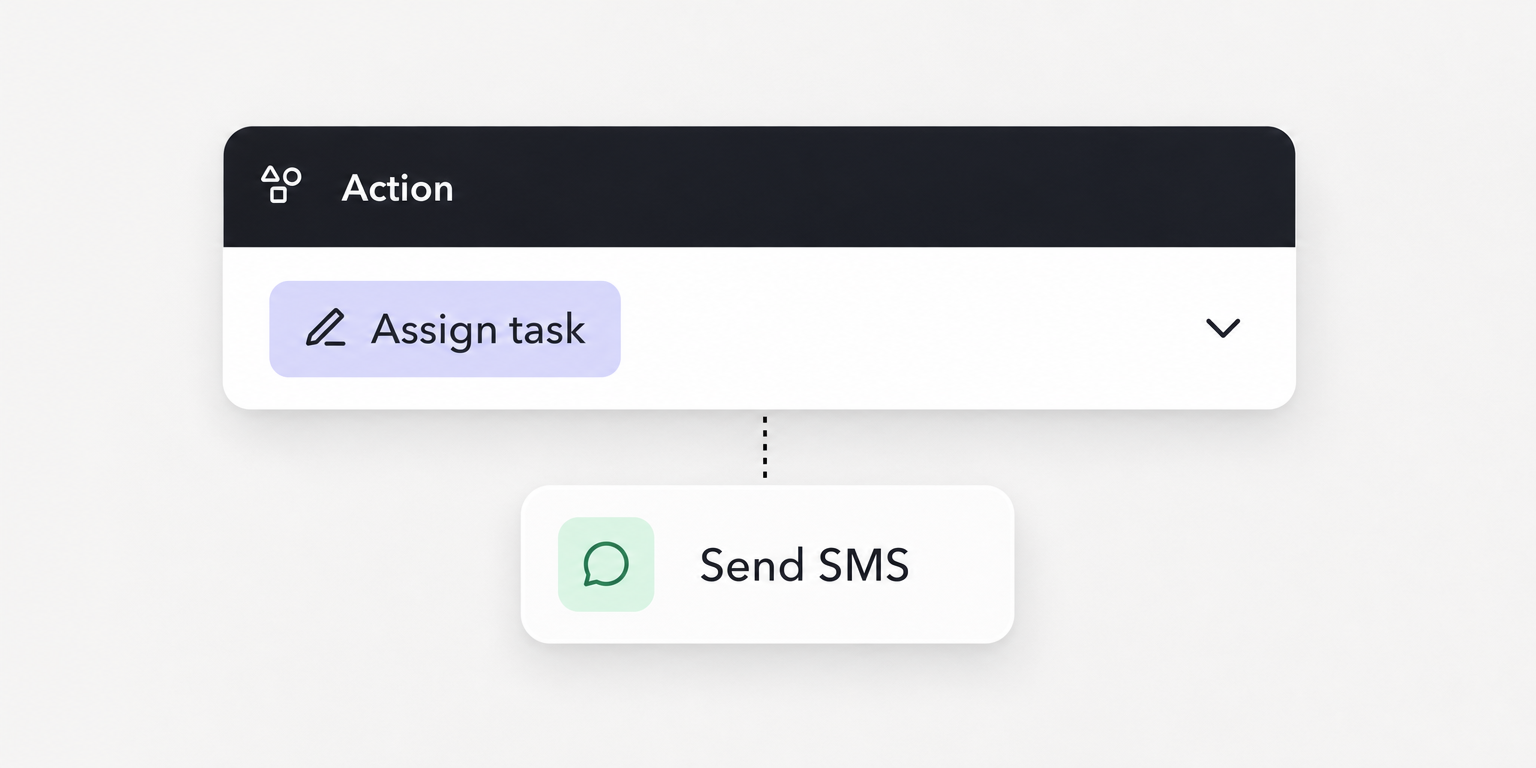
- Sends offers in waves — not a spray-and-pray group text, but targeted notifications with short expiration windows
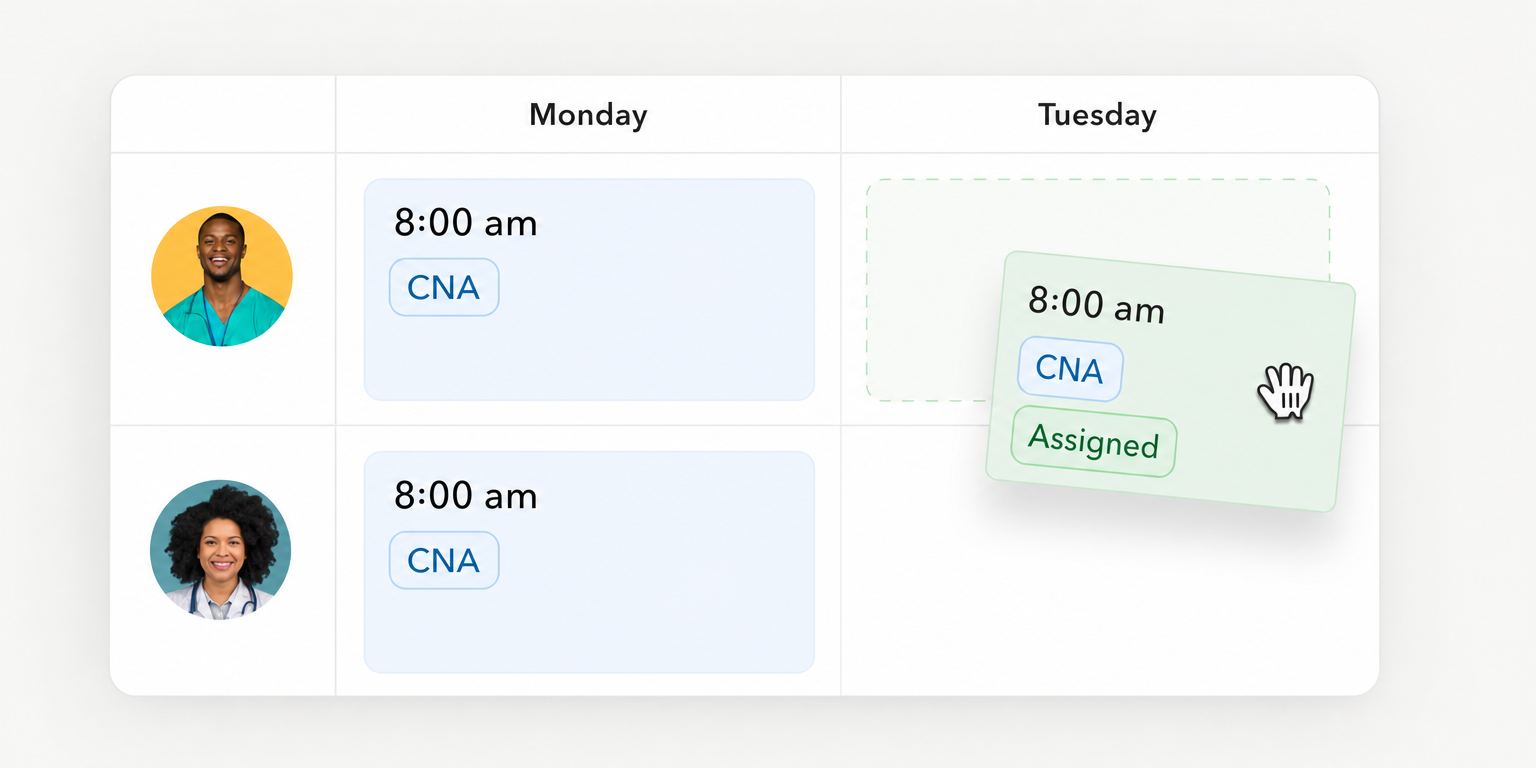
- Auto-confirms and updates the schedule — once someone accepts, the shift is locked, the client portal updates, and the supervisor gets one notification instead of making twelve
Layer automations on top and the system also handles the tail end: late-arrival alerts, geofenced clock-in verification, a note to payroll if the replacement hit overtime. The supervisor in the parking lot? She's not in the parking lot anymore. She's home. The system handled it.
| Legacy Replacement Workflow | AI-Driven Replacement Workflow |
|---|---|
| Supervisor manually texts group | System auto-identifies qualified, available cleaners |
| Based on who the supervisor knows | Based on credentials, proximity, response history |
| Time-to-fill: 45–90 minutes | Time-to-fill: often under 10 minutes |
| No audit trail of who was offered | Full log of offers, responses, acceptance |
| Supervisor cleans shift herself as backup | Backup tier triggered automatically |
| Overtime surprises at payroll | Overtime flagged before offer goes out |
Onboarding a Cleaner in Days, Not Weeks
In a 200% turnover environment, onboarding is not a once-a-quarter HR task. It's a continuous, high-volume pipeline. Every day a new hire is not billable is margin you're lighting on fire — and in most BSC operations, the median time from signed offer to first billable shift is measured in weeks, not days.
Why? Because the legacy process is a relay race of paper:
- Paper I-9 mailed or dropped off
- Background check ordered manually
- Building access requested via email
- Site-specific training scheduled for "next Tuesday"
- PPE acknowledgment printed, signed, filed
- First shift scheduled once "everything's in"
Each handoff introduces delay. A cleaner who signed on Monday might not be on-site until week three. That's two weeks of lost revenue on a contract you've already agreed to staff.
What pre-day-one actually means
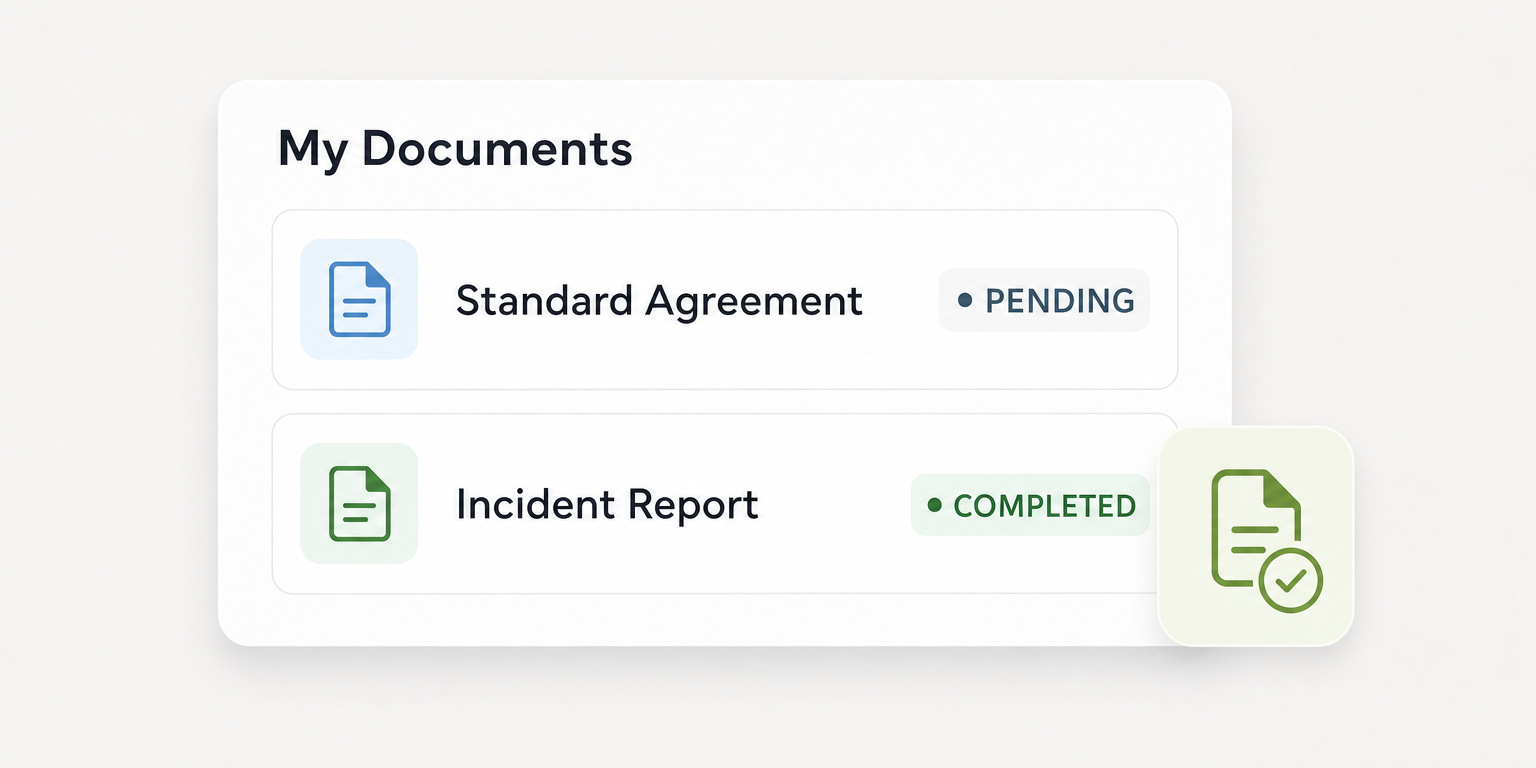
Digital onboarding collapses this from a three-week linear sequence into a parallel, mostly self-serve flow the candidate can finish on their phone in under an hour. I-9 verification, background check initiation, direct deposit, building-specific training modules, PPE acknowledgments, and access credential requests all run simultaneously. Supervisors get alerts only on exceptions — someone's I-9 is blocked, a background check flagged something, a training module wasn't completed.
For BSCs whose workforce isn't English-first, multilingual onboarding is not a nice-to-have. It's the difference between a completed file and a stalled one. Running the same workflow in Spanish, Portuguese, or whatever the local labor market needs — with document generation that adapts to the cleaner's jurisdiction, language, and pay structure — cuts the rework loop that eats supervisor hours.
Tip
If you want to see where onboarding delay costs you the most, measure two numbers: days from offer to first shift, and percentage of new hires who quit before their first shift. Both drop sharply when the candidate can finish paperwork before day one.
Compliance Isn't a Binder Anymore — It's a Live System
Clients used to accept a binder and a handshake. They don't anymore. Enterprise property managers and government contract officers want receipts — real-time proof that cleaning happened, that the cleaner who did it was credentialed, and that the work complied with whatever rules apply to that site.
The compliance surface has gotten wider:
- OSHA documentation — chemical handling, bloodborne pathogen training, lockout/tagout where applicable
- Site-specific certifications — healthcare cleaning, food-service, cleanroom protocols
- Union rules and prevailing wage — particularly on government contracts and in regulated metros
- Proof-of-service reporting — timestamped, often geofenced, often with photo verification
- Background check and I-9 currency — not just at hire, at renewal
Handled manually, compliance is a quarterly panic. Someone pulls credentials from a spreadsheet, discovers three have expired, scrambles to retrain, and hopes no auditor looks at the gap.
Handled as a live system — through admin tools with credential tracking, geofenced time tracking, and automated renewal workflows — compliance becomes a continuous background process. Expired credential? The cleaner can't clock in at that site. Overdue training? The shift offer doesn't go out. Government contract requires prevailing wage at a specific rate for a specific building? The pay engine handles it at timecard submission, not at month-end reconciliation.
That's the shift: from compliance as a periodic audit to compliance as a property of the system itself. The binder is dead. The data is live.

What the Fastest-Scaling BSCs Are Actually Doing Differently
Pattern-match across the contractors who are growing through this labor environment rather than stalling in it, and the playbook looks similar.
They're not abandoning robotics — most have piloted or deployed autonomous floor machines in the right-shaped spaces. As one industry operator put it, "A cleaning robot operating at roughly twenty-five dollars per day and capable of covering close to one hundred thousand square feet in the right environment does not compete with labor." The robots handle the work that should be automated. Fine.
But the real operational lift is happening in the back office. These operators have:
- Automated shift replacement — no more 5:45 AM phone trees
- Pre-day-one onboarding — cleaners billable within days of offer acceptance
- Live credential tracking — expired documents block shifts before they ship, not after
- Geofenced clock-in with task verification — proof-of-service flows straight to the client portal
- Integrated pay — prevailing wage, overtime, shift differentials handled at the timecard, not in a spreadsheet
The result isn't just efficiency. It's the ability to say yes. Say yes to a new building without adding an ops coordinator. Say yes to a government contract without a compliance panic. Say yes to a 24/7 medical facility knowing the scheduling engine will handle the rotation.
Turnover also bends. BSCs running integrated workforce platforms routinely report retention 20–30% better than industry norms — not because the cleaning work changed, but because the workforce experience around it did. Cleaners who get their schedule on time, get paid correctly, and don't get ambushed by mystery expired credentials tend to stay longer. Moving from scheduled cleaning to demand-based cleaning respects the reality of 200% turnover by ensuring every minute of labor is spent on a necessary task.
The Mop Still Needs a Human. The Scramble Doesn't.
Cleaning is human work. It will stay human work for the foreseeable future — for reasons that have nothing to do with the capability of robots and everything to do with the geometry of real buildings, the unpredictability of real messes, and the simple fact that clients are paying for someone to notice the thing the robot wasn't programmed to notice.
What AI eliminates is not the human cleaner. It's the chaos around the human. The phone trees. The expired credentials discovered mid-shift. The week-three onboarding delay. The Sunday-night schedule build that takes five hours and is wrong by Monday morning. The compliance binder that nobody's updated since Q2.
BSCs that treat workforce operations as the actual product — and cleaning as the thing that product enables — are the ones growing through this labor market. The competitive moat isn't the scrubber. It's the operating system.
The mop still needs a human. The 5:45 AM scramble doesn't.

About the author

Content Writer at Teambridge
Anis Nanai is a content writer at Teambridge, with a focus on workforce management and the realities of running hourly teams. He prioritizes conversations with customers, staying close to the market, and understanding how workforce needs are changing. His writing connects those concerns to practical decisions about scheduling, time tracking, staffing, and automation. He examines product developments through the questions that matter to operators: what does this solve, how would it work for my team, and what evidence supports it?
Company perspective: this author works at Teambridge. Customer outcomes are attributed to their published sources.
View LinkedIn profile