

In shift-based operations, the work doesn't wait. A nurse calling out at 6 a.m. is an open shift that needs filled before 7. A janitorial site lead approving PTO for next Tuesday is a coverage gap that has to be resolved before the client notices. A hotel banquet captain requesting personal time during peak weekend is a scheduling problem disguised as an HR request.
This is why the leave management tools bolted onto traditional HRIS platforms keep breaking for staffing, healthcare, hospitality, security, home care, and industrial operators. They were built around approval. The real job is coverage.
Why Leave Management Breaks Down in Shift-Based Operations
In a corporate environment, an approved leave request is the end of a workflow. The team absorbs the absence. Deadlines slide a day. Nothing falls over.
In shift work, an approved leave request is the start of a workflow. Someone has to take the shift. That someone has to be credentialed, available, not in overtime, and reachable on their phone before the shift starts. If any of those break down, you're short on the floor.
Demand for time off is also climbing. As leave requests grow and diversify, more than a third of HR leaders surveyed said managing intermittent leave and reduced schedules (38%) and tracking and reporting leave usage and data (35%) are among their biggest challenges. For deskless employers, every one of those intermittent requests is also an open shift that wasn't on the schedule yesterday.
The downstream impact lands on payroll. The average company has an 80% payroll accuracy rate and makes 15 corrections per pay period, and the average cost per incident is $281 in direct costs and $10 in indirect costs. Employees' most frequent errors include incorrect earnings for vacation or PTO time and requesting vacation or PTO time that is not available or accrued — both leave management problems leaking into pay.
Leave management stopped being an HR admin task somewhere around the time the workforce went mobile and the schedule became a living document. It's a workforce operations problem now.
What Leave Management Software Actually Has to Do in 2026
The modern baseline isn't a calendar with approval buttons. The buyer's checklist for a shift-based operator looks like this:
- Automated accruals that pro-rate by hours worked, tenure, and pay group
- Statutory entitlement logic by jurisdiction (city, state, federal)
- Bi-directional sync with payroll and time tracking
- Self-service mobile requests with real-time balance visibility
- Manager approval in the same channel where they manage the schedule
- Conflict detection against the published schedule before a request goes in
- Absence analytics tied to staffing forecasts
The market data tells you why this baseline is hardening. The global absence and leave management software market was valued at $1.8 billion in 2025 and is projected to reach $4.1 billion by 2034, expanding at a CAGR of 9.6%. Nearly 68% of organizations have implemented automated leave management systems and operational efficiency improves by nearly 23%.
Automation has crossed from nice-to-have to operational requirement. But automation alone doesn't solve the coverage problem. That's where most platforms still stop short.
The Coverage Gap Problem: Connecting Leave Requests to the Schedule
This is the substantive failure of generic leave tools in a shift environment.
In the typical stack, an HRIS approves the leave request. The scheduler — sometimes a different person, sometimes the same person in a different tool — finds out on Monday morning when they open the schedule and see a hole. The hole gets filled with phone calls, group texts, and whoever picks up. Sometimes nobody does, and the site runs short.
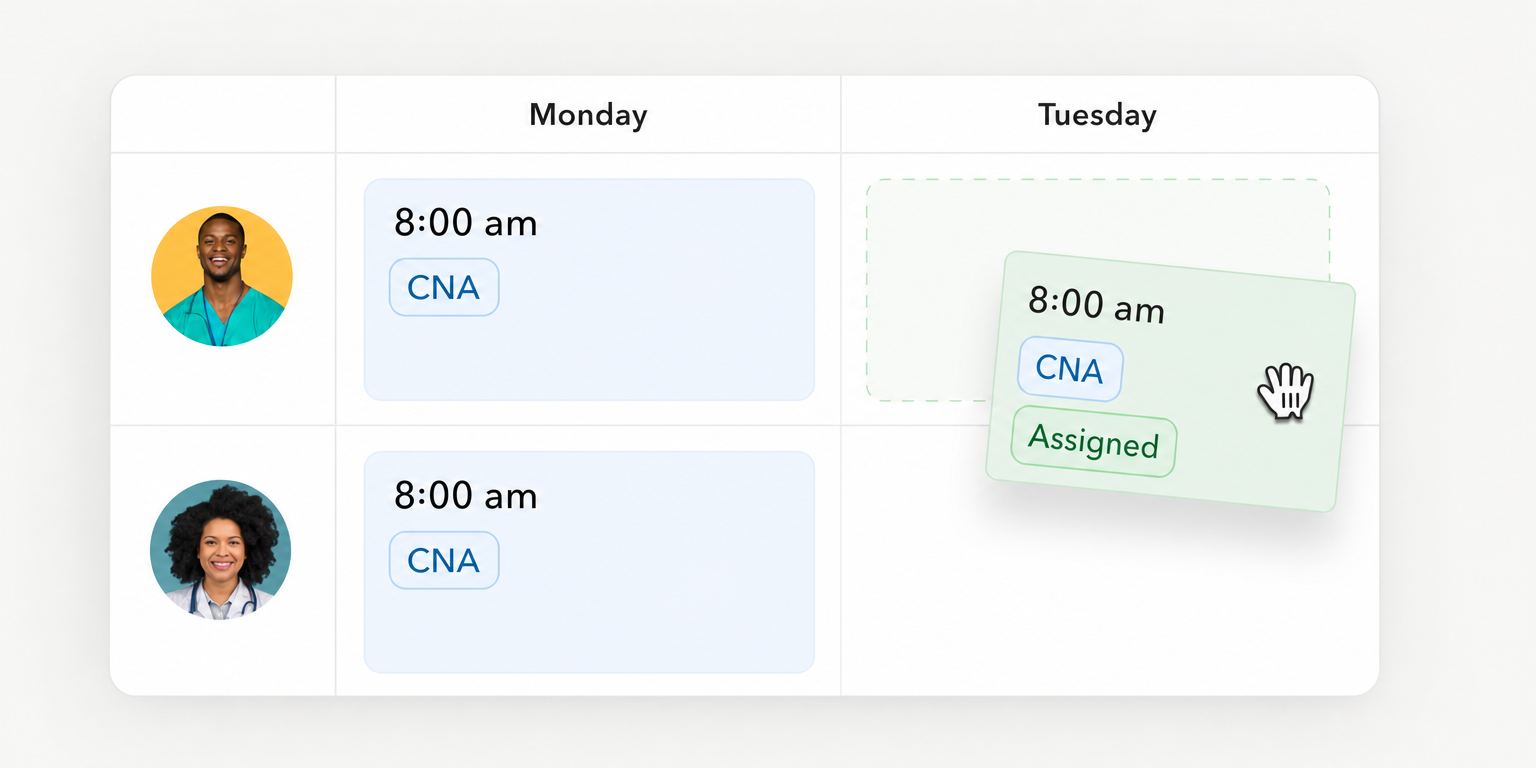
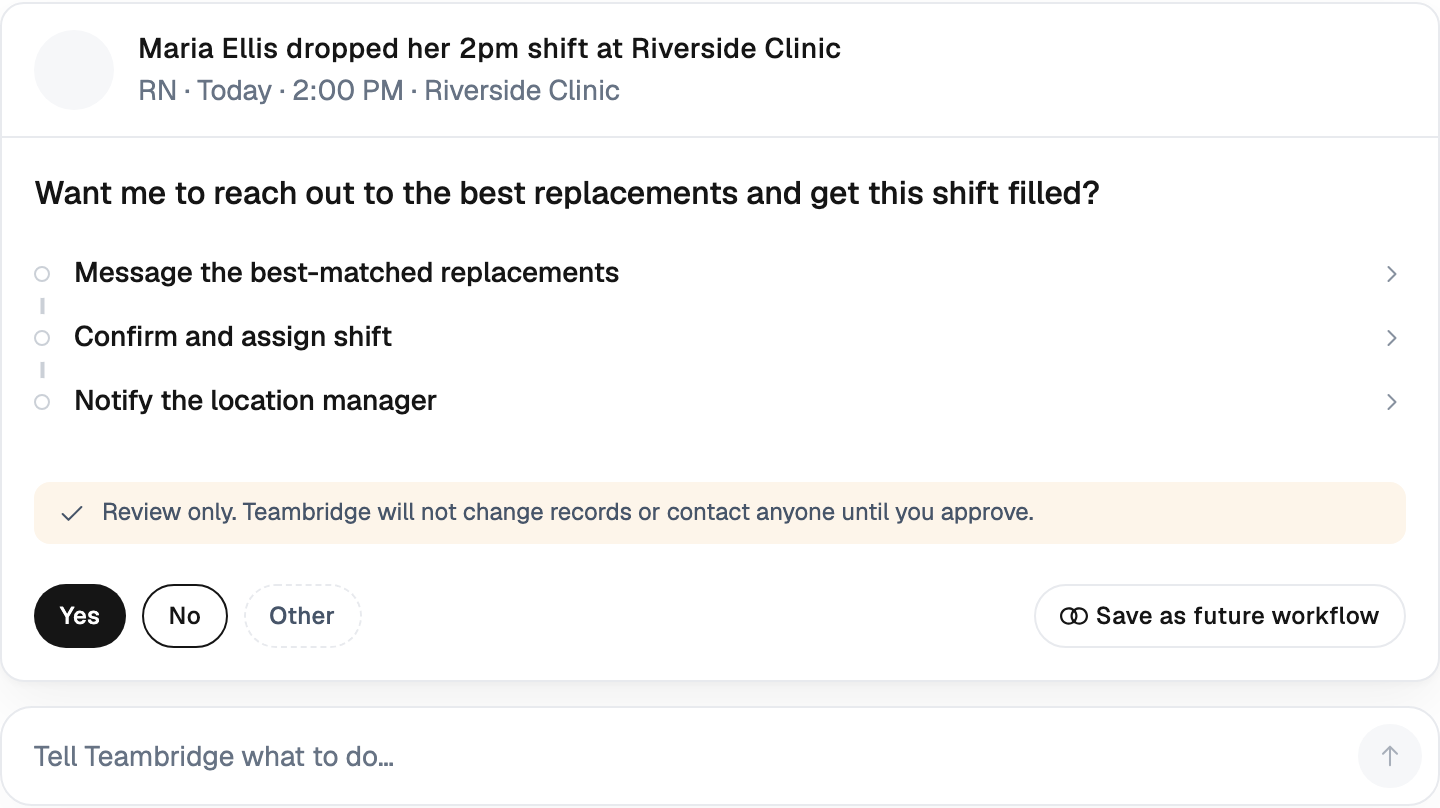
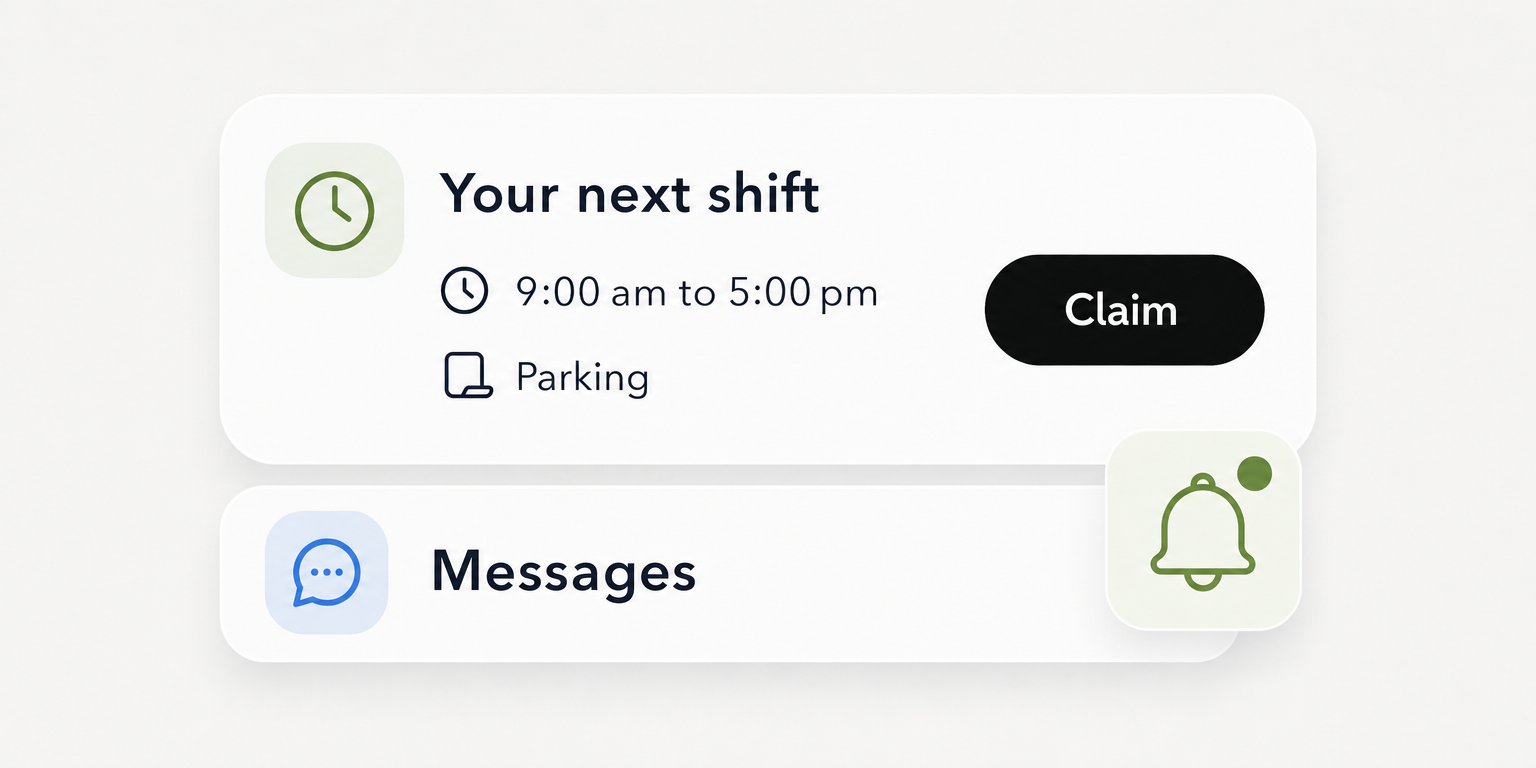
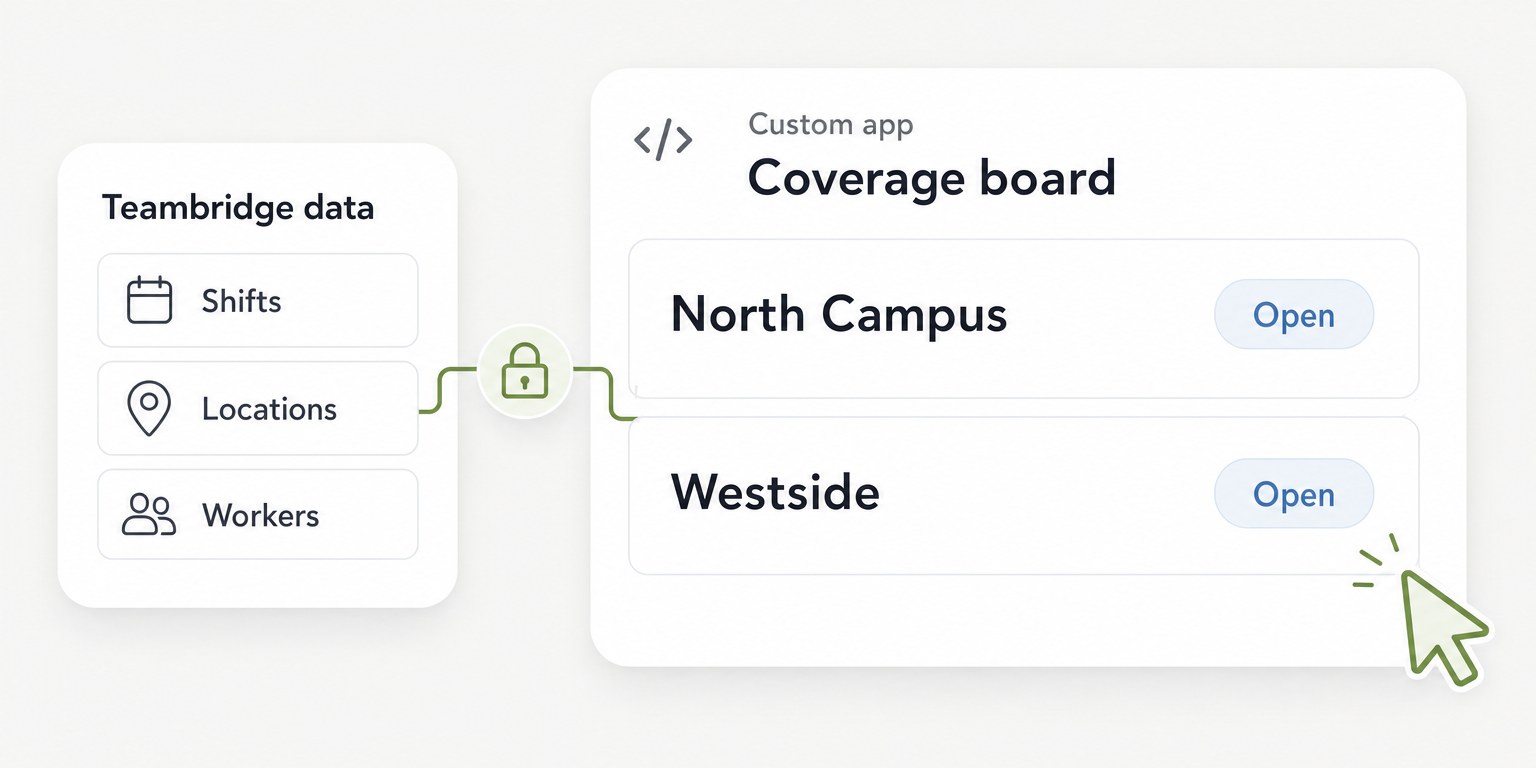
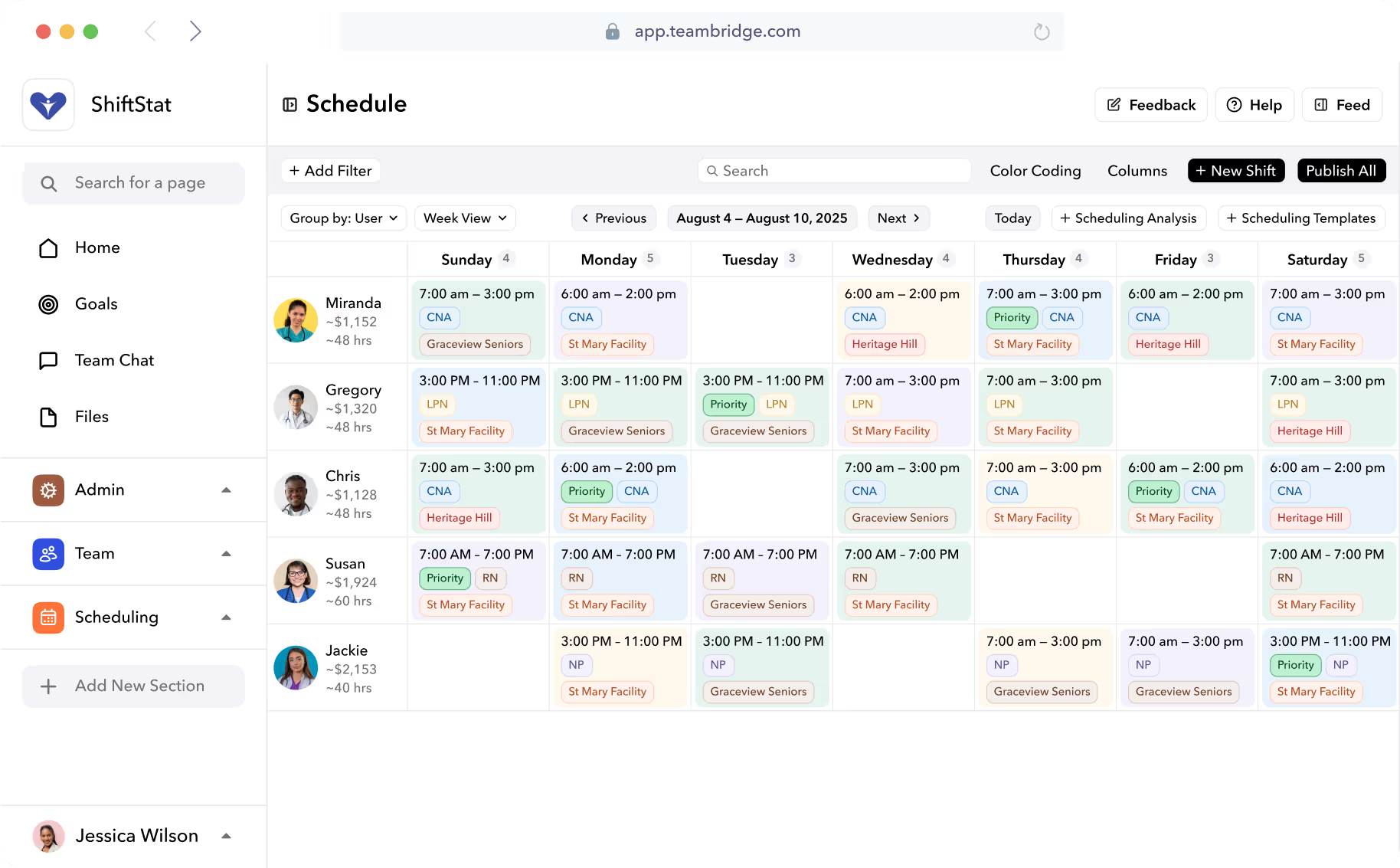
A connected system collapses that workflow. The moment a leave request is approved, the affected shift surfaces as open. Eligible workers — filtered by credential, location, overtime status, and contract eligibility — get a push notification. The first qualified taker claims it. The manager sees coverage status update in real time.
Here's what the two models look like side by side:
| Step | Disconnected HRIS + Scheduler | Connected Workforce Ops |
|---|---|---|
| Leave request submitted | Web portal, desktop only | Mobile app, balance visible |
| Approval routed | HR or manager email | Manager in scheduling view |
| Schedule impact | Detected at next manual review | Shift flagged open instantly |
| Coverage outreach | Group text, phone calls | Targeted push to eligible workers |
| Credential check | Manual | Automatic filter |
| Overtime check | After-the-fact correction | Blocked at offer |
| Manager visibility | Spreadsheet | Live coverage dashboard |
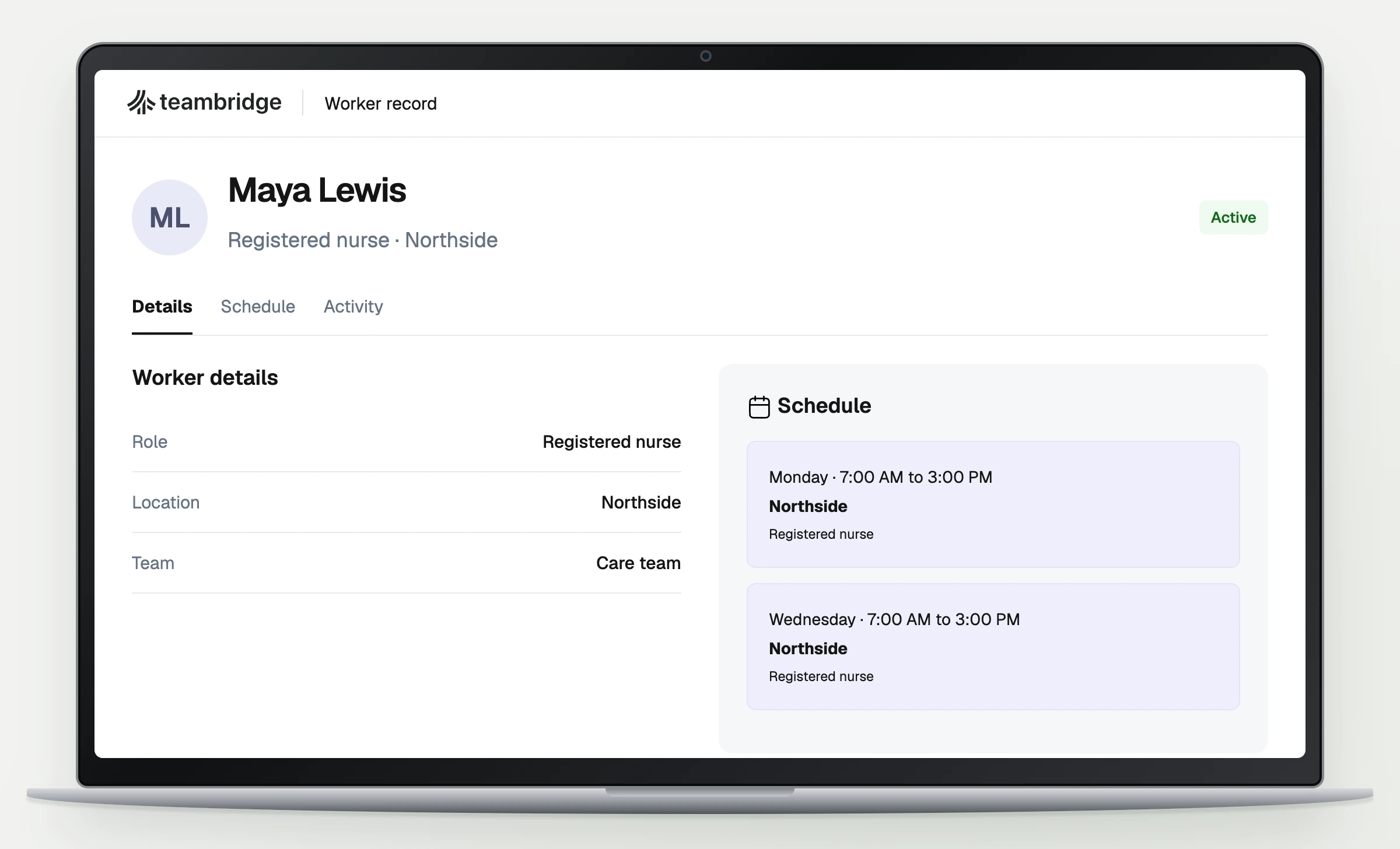
The difference isn't a feature. It's a different definition of what leave management is. Approving the request is half the job; resolving the shift is the other half. Teambridge's Scheduling product is built so the two halves run as one workflow.
Tip
When evaluating leave software, ask the vendor to demo what happens in the 60 seconds after a request is approved. If the answer involves a second system, a CSV, or a manual scheduler review — that's your coverage gap.

Ready to move?
Ready to see Teambridge in action?
Compliance: FMLA, Sick Leave Ordinances, and the Patchwork Problem
The regulatory floor under leave management has gotten harder to walk on every year. Federal FMLA. State paid sick leave laws. City-level predictive scheduling ordinances. Per-client contract overrides for staffing agencies. Collective bargaining agreements in healthcare and hospitality.
As organizations contend with increasingly complex leave entitlement frameworks, including family and medical leave, paid sick leave mandates, statutory holiday regulations across jurisdictions, and mental-health-related absence programs, purpose-built software solutions have moved from optional productivity tools to business-critical compliance infrastructure.
For a staffing agency running workers across three states and twelve client contracts, the leave engine has to encode:
- Local sick-leave accrual rates (often hours-per-hours-worked)
- Carryover caps and use-it-or-lose-it deadlines
- Statutory entitlements that override company policy
- Client-specific PTO rules baked into contracts
- Documentation requirements for audit
The consequence of getting this wrong isn't just a bad employee experience. Employers with multi-state workforces face 340% higher compliance complexity and spend 67% more on payroll administration than single-state employers, and multi-state payroll errors cost organizations an average of $1.2 million per year in penalties, corrections, and remediation.
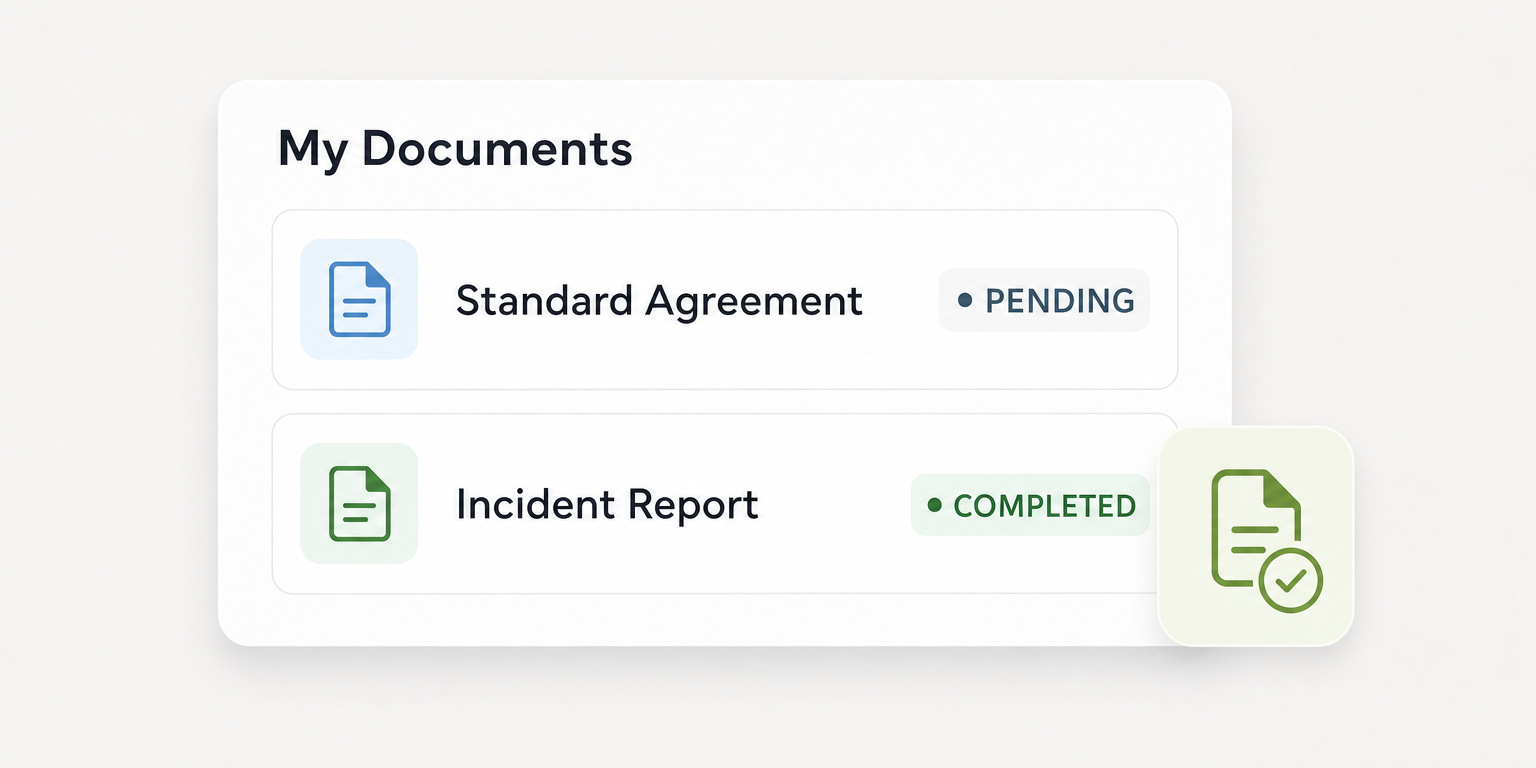
This is why compliance tooling, document generation, and admin reporting need to live inside the same platform that handles the leave request. Teambridge's Admin Tools generate the audit trail and exception reports operators need when a labor board or client compliance team comes asking.
Mobile-First Requests for Deskless Workers
Most leave software still assumes a laptop and an HR portal. The frontline worker doesn't have either. They have a phone, a uniform, and twenty minutes between clock-out and the bus.
If requesting time off requires logging into a desktop portal they've never used, two things happen: requests come in late or not at all, and managers absorb the friction as last-minute call-outs.
The demand signal is clear. Around 40% of users prefer mobile-friendly leave apps, and that share is higher among hourly and shift-based populations. Key trends include mobile-first self-service capabilities and seamless embedding within broader HCM suites, enhancing user experience and expanding the software's role from simple leave tracking to strategic talent and productivity optimization.
A working mobile flow for a deskless worker looks like:
- Open the same app they use to clock in and pick up shifts
- See current PTO and sick balance at the top of the request screen
- Pick dates; the app flags any scheduled shifts that conflict
- Submit; manager gets a push notification, not an email buried in their inbox
- Approval comes back as a push, with the balance updated and the shift removed from their schedule
That flow happens in under a minute. The portal-based equivalent doesn't happen at all for half the workforce. Teambridge's Mobile App is built around that reality — leave lives where the shift lives.
Payroll, Accruals, and the Cost of Getting It Wrong
Leave data is payroll data. Pretending otherwise creates expensive reconciliation work every pay period.
Payroll errors remain a costly and persistent challenge for employers, with new research suggesting that inaccuracies affect 20 per cent of annual payroll and can cost businesses with 1,000 employees as much as $922,131 a year, according to research cited by Paycom and reported by People Matters. A significant share of those errors trace directly to leave data that didn't sync.
Forrester Consulting found that 77 per cent of organisations store employee information across multiple HCM databases, companies use systems from more than six providers on average, and 71 per cent of organisations say they cannot effectively transfer or share employee data between those platforms. Each handoff is a place where leave balances drift out of sync with timecards.
The specific failure modes for shift employers:
- Unpaid PTO disputes when balances in the HRIS don't match what payroll sees
- Double-paid time when an approved leave day also generates a clocked shift somewhere
- Incorrect overtime calculations when sick hours either do or don't count toward weekly OT thresholds — and the rule varies by state
- Bill-rate errors at staffing agencies when leave hours flow to client invoices they shouldn't
The most expensive payroll errors are sick time not entered ($705 per error), the employee not being entered into the system in a timely manner ($635), and visa status update errors ($615). Sick time topping the list isn't a coincidence — it's the most schedule-adjacent leave type, and it breaks first when leave and time tracking live in different systems.
A unified Time Tracking and Invoicing layer removes the reconciliation step entirely. Leave hours feed timecards. Accrual rules tied to tenure and hours-worked update automatically. Client invoices reflect only billable time.
Warning
If your leave platform and your time clock are different vendors, your reconciliation process is your error surface. Audit how many manual corrections your payroll team makes each cycle — that number is your hidden cost of disconnection.
What to Look For: A Buyer's Checklist for Shift-Based Employers
If you're sitting through vendor demos, these are the questions that separate a leave tool that works for desk workers from one that holds up in a shift environment.
- Does leave approval auto-trigger shift coverage workflows? Not "can it integrate with a scheduler" — does approval and coverage happen in one motion, in one system?
- Can accrual rules be configured per pay group, state, and client contract? Staffing agencies need this. Multi-state operators need this. Anyone with collective bargaining needs this.
- Does it run natively on mobile for deskless workers? A responsive web view doesn't count. Push notifications, biometric login, offline tolerance.
- Does it integrate with the same time clock and payroll engine? Same database, not nightly sync. Sync introduces lag, and lag is where errors live.
- Does it produce compliance documentation by jurisdiction? FMLA designation notices, sick leave accrual statements, predictive scheduling premium calculations — automated, audit-ready.
- Can it forecast absence patterns to inform staffing? If you know Mondays after holidays produce 18% callout rates, you can over-schedule. Without that signal, you absorb the chaos.
Industry context matters here. Healthcare staffing operations have shift differentials and credential rules that interact with leave. Hotels have peak/valley demand that punishes leave-during-blackout policies. Home care has EVV requirements that don't pause for an unfilled visit. The right platform encodes your industry's reality, not a generic HR template.
Leave Management Belongs Inside Workforce Operations, Not Beside It
Standalone leave tools made sense when HR and operations were separate functions handing work back and forth on a weekly cadence. For shift-based employers in 2026, that cadence is broken. Leave, scheduling, time tracking, and pay are one continuous workflow — and every handoff between systems is where errors and coverage gaps live.
The market is catching up to this. Stricter labor compliance requirements and the need for data-driven workforce planning serve as primary growth drivers, while data privacy concerns and integration complexities with legacy HR systems act as notable restraints. The buyers who win are the ones who stop trying to integrate around the problem and start picking platforms that don't have the seams in the first place.
Leave management isn't an HR module. It's a workforce ops feature. Treat it that way when you evaluate, and the coverage gaps stop showing up in your schedule the next morning.
See how Teambridge handles leave inside a unified workforce ops platform — scheduling, time tracking, compliance, and pay in one system, built for shift-based employers.

About the author

Content Writer at Teambridge
Anis Nanai is a content writer at Teambridge, with a focus on workforce management and the realities of running hourly teams. He prioritizes conversations with customers, staying close to the market, and understanding how workforce needs are changing. His writing connects those concerns to practical decisions about scheduling, time tracking, staffing, and automation. He examines product developments through the questions that matter to operators: what does this solve, how would it work for my team, and what evidence supports it?
Company perspective: this author works at Teambridge. Customer outcomes are attributed to their published sources.
View LinkedIn profile