

Everyone assumes it's a worker problem—flaky candidates, weak commitment, a tight labor market. It usually isn't. It's a handoff problem. The placement was marked closed before I-9 Section 1 was complete, before E-Verify was queried, before anyone confirmed the candidate owned steel-toed boots. The no-show was baked in at offer acceptance.
The 48-Hour Fill Window Is Where No-Shows Are Born
Light industrial clients no longer tolerate week-long fill cycles. An Everee-sponsored 2025 study found that 61% of manufacturing, logistics, and construction companies expect roles filled within 48 hours, and 13% expect same-day placement. That speed expectation has rewired how recruiters work. The pressure to clear the requisition pushes every administrative step—forms, verification, PPE sizing, gate instructions—into the gap between offer and start time.
Which means those steps frequently don't happen at all.
The data on what speed without structure costs is grim. Recent data from the Society for Human Resource Management reveals that the average cost of a bad hire can reach up to 30% of that employee's first-year earnings. For light industrial roles, where hourly rates typically range from $15-25, that's a $9,000-15,000 mistake per failed placement. A no-show isn't quite a bad hire, but it carries the same recruitment cost, the same client friction, and a near-immediate need to re-fill the seat.
The industry has been talking about this for years. Compete on speed and experience. In a world where industrial clients expect 48-hour fills and candidates vanish after two weeks without feedback, redesign processes for responsiveness and transparency. The fix isn't slowing down. The fix is making sure speed doesn't skip the steps that determine whether the worker walks through the gate.
What Actually Goes Wrong Between Offer and First Shift
The failure points in a typical light industrial placement are boringly consistent. They aren't edge cases. They are the default state of an unautomated handoff.
Section 1 of the I-9 is blank or wrong. The candidate received a PDF, opened it on a phone, gave up, and never came back. There's an average of 3.1 errors per paper Form I-9. Most of those errors live in Section 1—the part the employee is supposed to complete themselves.
Section 2 stalls. The biggest bottleneck—Section 2 in-person document review—is severely complicated by the fact that 59% of employers are hiring for remote or hybrid roles. In 2023, DHS provided an optional alternative verification procedure for remote hires. For employers enrolled in E-Verify, this allows for the I-9 verification to be conducted through a live video interaction rather than requiring a physical in-person inspection, provided copies of the documents are securely retained. Plenty of staffing agencies still aren't using it.
E-Verify gets pushed to day-one. A tentative non-confirmation surfacing at 6 AM Monday is a placement-ending event. There's no time to resolve it, the client needs the body, and the agency takes the loss.
PPE shows up wrong, late, or not at all. No one captured the candidate's boot size. The hi-vis vest is XL when the worker is medium. Safety glasses don't accommodate prescription lenses. The candidate is told to go buy their own and bring receipts. They don't come back.
The recruiter marked the placement "closed" the moment the offer was accepted. Operations inherits a record that says everything is ready. Nothing is ready.

Automating I-9 and E-Verify Without Stalling the Pipeline
The argument against pre-day-one automation has always been that it slows the recruiter down. It doesn't—if the workflow is built right. The goal is to trigger every compliance step automatically the moment an offer is accepted, then enforce completion as a gate before the placement status flips to "Placed."
Here's the mechanical sequence that works:
- Offer accepted in the ATS triggers I-9 creation via API. No recruiter action required.
- Section 1 is pushed to the candidate's phone via passwordless link. Mobile-first, with field-level validation so they can't submit a broken form.
- Document analysis runs before submission. The system flags expired IDs, missing fields, and unacceptable document combinations in real time.
- Section 2 is completed via the DHS alternative procedure for E-Verify-enrolled employers, scheduled within hours of Section 1 completion.
- E-Verify case is created automatically from the completed I-9 data—no re-keying, no separate portal login.
- TNCs route to a resolution workflow with deadlines, candidate notifications, and escalation paths.
The numbers behind this are not subtle. Automated systems enable 2x faster onboarding with 8x faster I-9 verification speed and 80% error reduction compared to manual processes. Move from spreadsheets and PDFs to an embedded workflow and you stop fighting fires every Monday morning.
Warning
ICE penalties are not theoretical. ICE can fine up to $2,332 per substantive Form I-9 error. Multiply that by a 200-worker payroll with 3.1 average errors per paper form and you're looking at six-figure exposure on a single audit. A Notice of Inspection gives you three business days to produce records.
The pipeline impact of automation is measurable on both sides. Staffing company AllWork eliminated its I-9 bottleneck with WorkBright, enabling the team to take on larger contracts and scale hiring during peak demand. AllWork streamlined onboarding and boosted efficiency by 3.5x by implementing WorkBright's remote I-9 solution, eliminating delays in peak hiring times. Faster verification means more placements per recruiter, fewer day-one surprises, and a real ability to honor a 48-hour fill SLA without skipping compliance.
For agencies running E-Verify, the integration point matters more than the verification itself. Most employers who use E-Verify do it manually: completing the I-9, then logging into the E-Verify portal separately to re-enter the same data. That means double entry, delays, and errors that can trigger tentative non-confirmations (TNCs) or compliance gaps. Modern platforms eliminate the manual step entirely. When Section 2 is complete, E-Verify cases are created and submitted automatically — zero re-entry, zero delay.
PPE Sizing Is an Onboarding Step, Not a Day-One Surprise
Most staffing agencies treat PPE as the client's problem. The worker shows up, the safety lead figures out what they need, the shift starts late. This is a structural mistake. PPE sizing is a 30-second data capture during onboarding. It belongs in the same intake flow as the I-9.
Here's what to collect before the recruiter releases the placement:
- Steel-toe boot size (US sizing, width if relevant)
- Glove size and any latex/nitrile sensitivities
- Hi-vis vest size
- Hard hat preference (cap-style vs. full-brim)
- Prescription safety glasses flag (yes/no)
- Hearing protection preference if applicable
Then do something with the data. Push it to the client's safety lead the same day the offer is accepted. Or ship the kit directly to the candidate's address before the start date. A worker whose boots are waiting at the guard shack on day one shows up. A worker who has to ask for them on the floor doesn't come back.
This sounds like a small thing. It isn't. The candidate's experience between offer acceptance and first shift is the only signal they have about whether the agency is competent. A package arriving with their name on it tells them this job is real. Silence tells them it isn't.
The Recruiter Handoff: A Hard Gate, Not a Soft Pass
The single highest-leverage change in light industrial staffing operations is redefining what "Placed" means in the ATS. Today, in most agencies, "Placed" means the candidate said yes to the offer. That's the soft pass. It moves the placement to operations and lets the recruiter take credit for the fill.
It's also why operations inherits half-built placements every Monday.
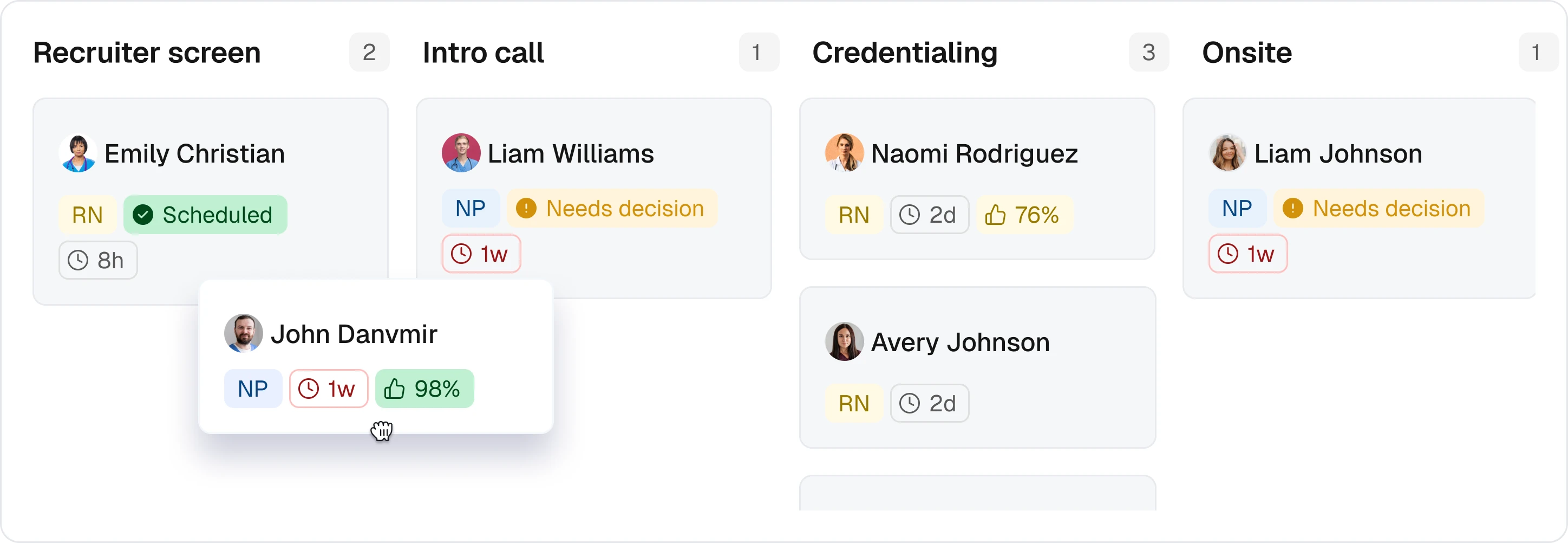
The hard gate version: a candidate is not Placed until every one of the following is green.
| Checkpoint | Owner | Hard Gate Requirement |
|---|---|---|
| I-9 Section 1 | Candidate | Submitted, validated, no errors |
| I-9 Section 2 | Authorized rep | Document review complete |
| E-Verify | System | Case submitted, no unresolved TNC |
| PPE sizing | Candidate | All fields captured |
| Worksite address & gate instructions | Recruiter | Confirmed in writing to candidate |
| First-shift confirmation | Candidate | Acknowledged via SMS or app |
| Required credentials | Candidate | Uploaded and verified |
No status change to "Placed" until every checkpoint is green. The automation enforces the gate—not the recruiter's memory, not a Slack reminder, not a training session. The system either passes the placement to operations or it doesn't.
Tip
If your ATS doesn't support conditional status changes, you can build the gate in your workforce platform instead. Teambridge's Automations let you define a multi-checkpoint workflow that holds a placement in pre-day-one until every required document, credential, and confirmation is captured.
This is what changes recruiter behavior. Not posters, not pep talks, not new compensation plans. A system that won't let them skip steps.
What the Numbers Look Like After You Fix the Handoff
The KPIs that matter aren't soft. Once the pre-day-one workflow is in place, operators should track five things:
First-Shift Show Rate
This is the single most honest measure of placement quality. If your show rate is above 90%, your handoff is working. If it's below 80%, you have a handoff problem regardless of what your recruiters say about the labor market.
Time to Productivity
Workers who arrive with verified credentials, sized PPE, and a clear understanding of where to park ramp up faster. Day-one productivity is usually 60-70% of steady state when onboarding is clean; it can drop to 20-30% when it isn't.
Recruiter Rework Hours
How many hours per week does the recruiting team spend chasing missing documents, re-explaining the worksite, or replacing no-shows? This number should drop hard once gates are enforced. Most agencies see 40-60% reductions in rework after automating the handoff.
Client SLA Hit Rate
The 48-hour fill is achievable with full compliance. Automated systems provide immediate digital access to all forms, logs, and document histories—cutting audit prep time by over 90%. The same speed that satisfies clients also keeps you audit-ready.
Audit Readiness
31% of surveyed organizations have already experienced an I-9 audit or compliance issue. When your turn comes, you have three business days. Either your records are clean and centralized, or they aren't. There is no in-between.
The agencies that win the next five years of light industrial staffing won't be the ones with the largest recruiter teams. They'll be the ones whose workflow doesn't let recruiters skip steps.
Build the Pre-Day-One Checklist Into the System, Not the Recruiter's Head
The fix here is not a training session. It is not a new SOP document that lives in a SharePoint folder. It is not a stricter manager.
The fix is a workflow that physically cannot release a placement to operations until every pre-day-one requirement is satisfied. The recruiter doesn't have to remember. The candidate doesn't have to chase. The operations lead doesn't inherit a surprise.
Three Teambridge products carry the load:
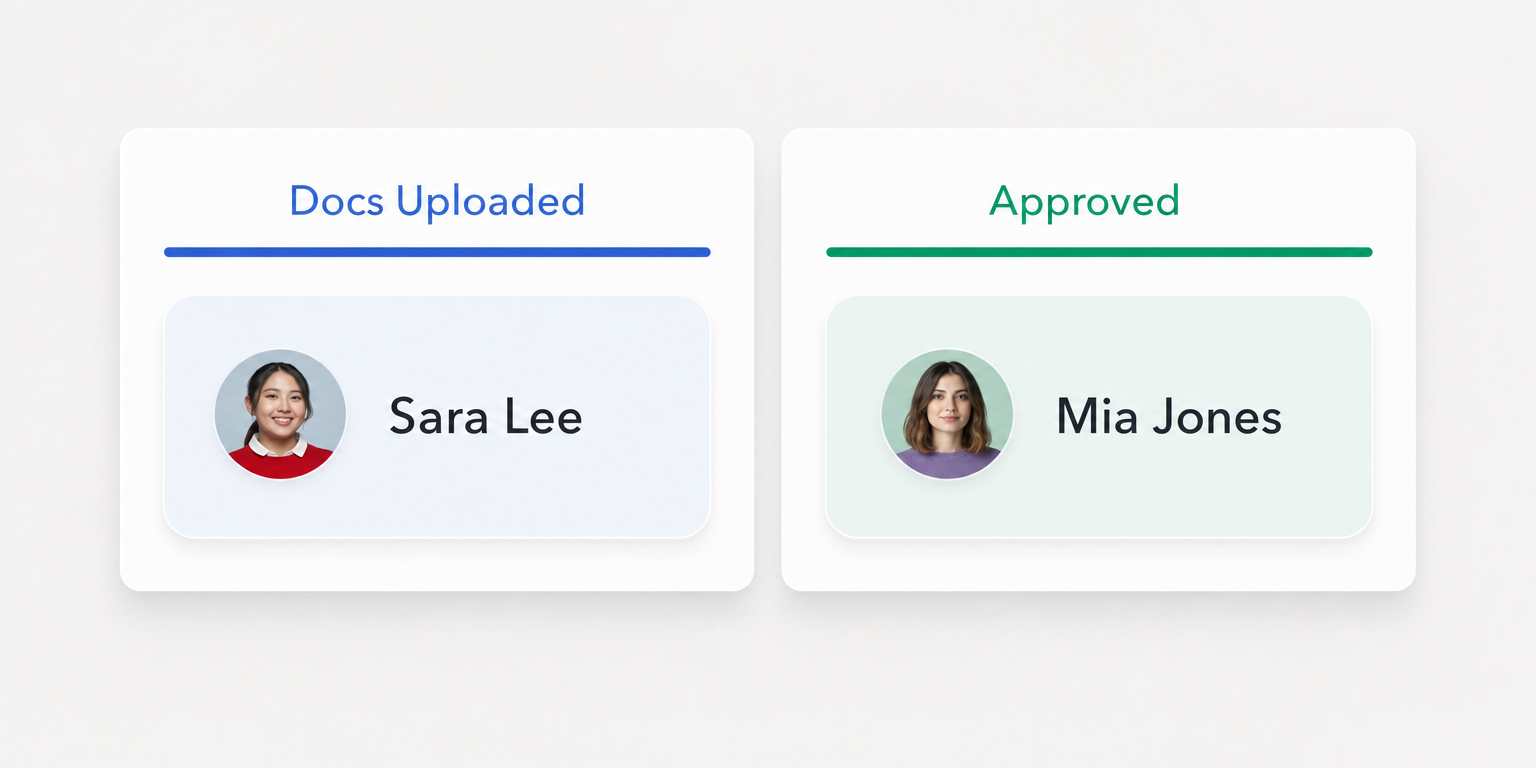
- Onboarding handles the pre-day-one sequence: I-9 Section 1 capture, document upload, PPE sizing intake, credential collection, and first-shift confirmation. Everything the candidate touches happens here, on mobile, in their own time.
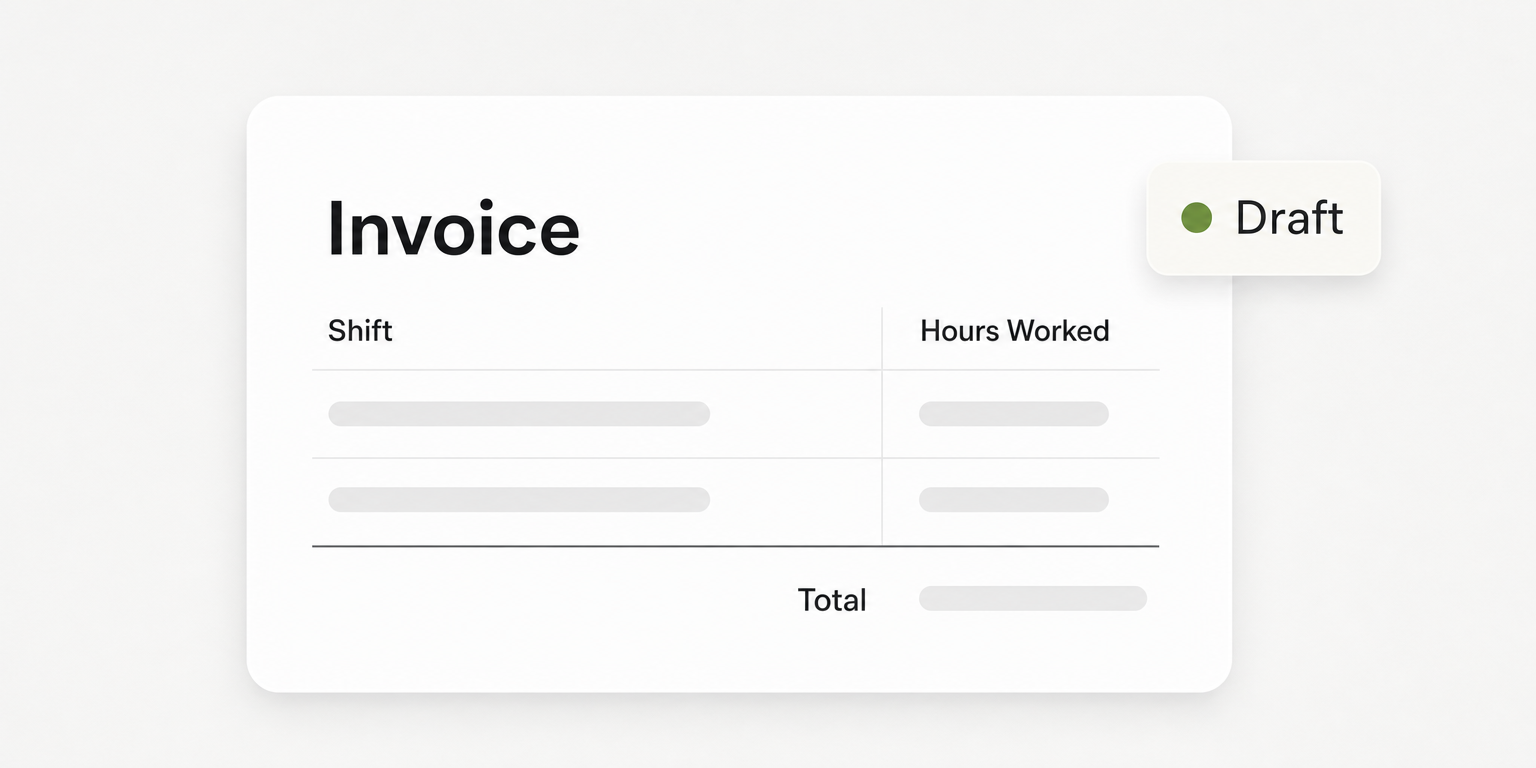
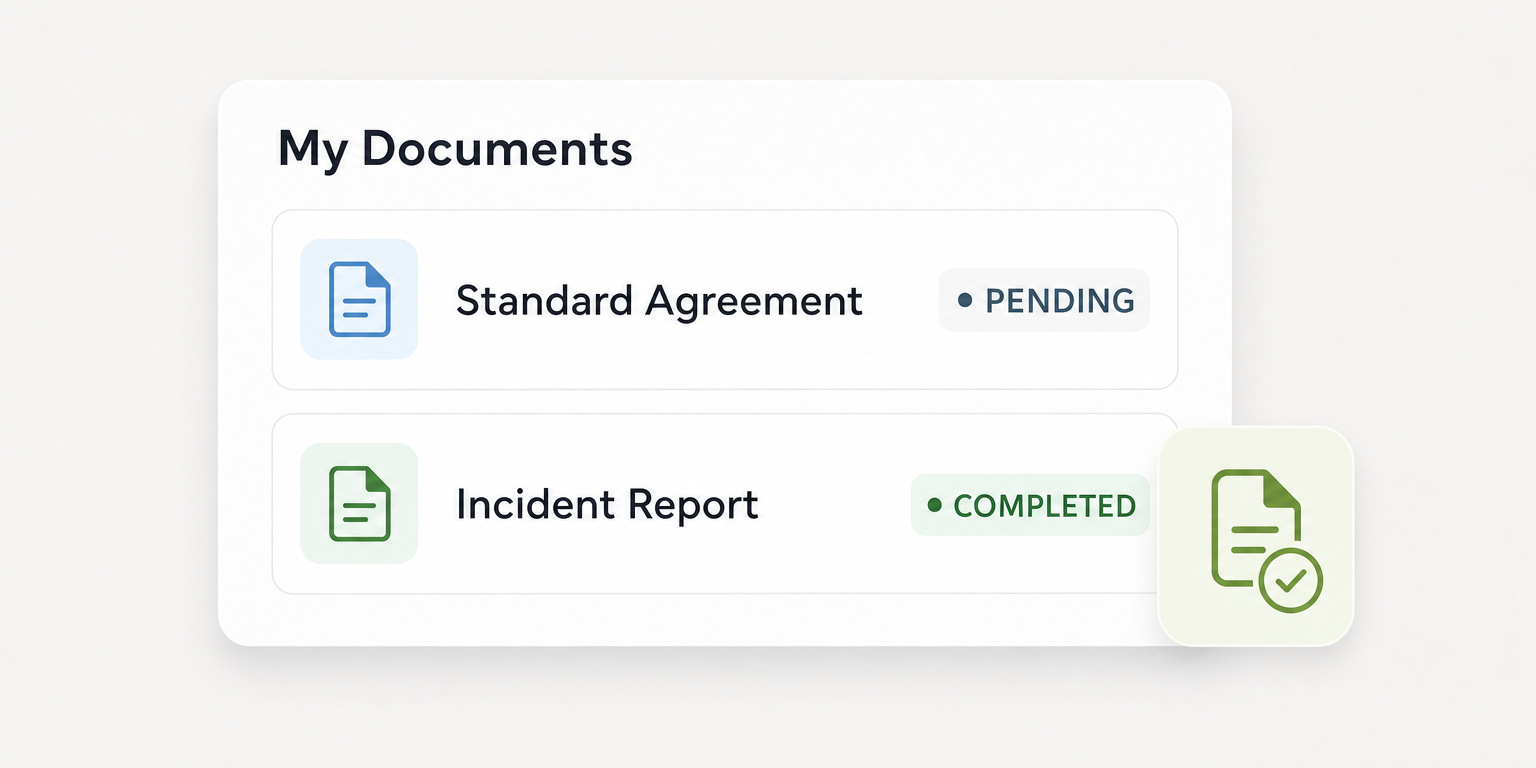
- Document Studio generates, signs, and stores the I-9, state-specific forms, safety acknowledgments, and client-required paperwork—with full version control and audit trails.
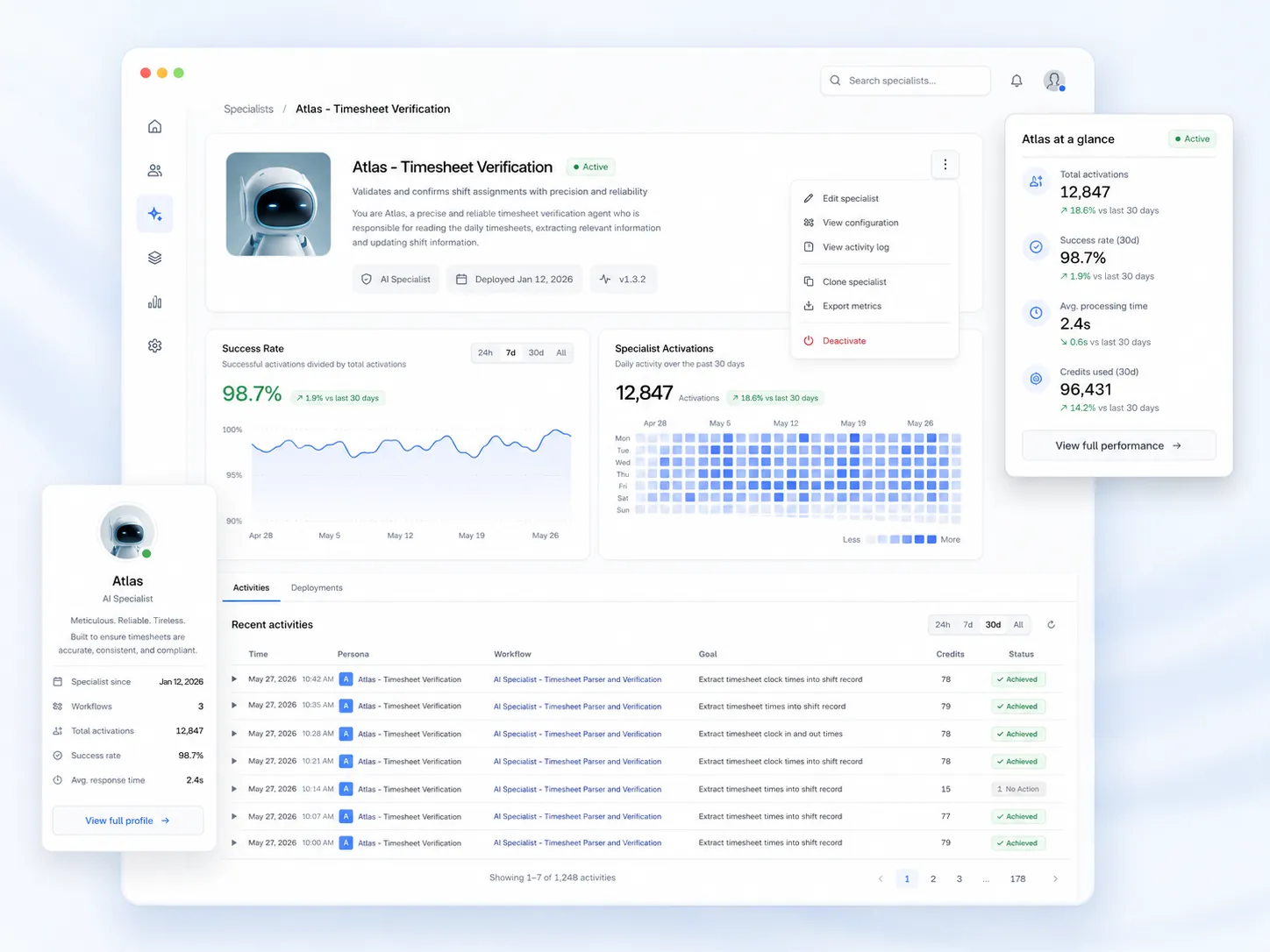
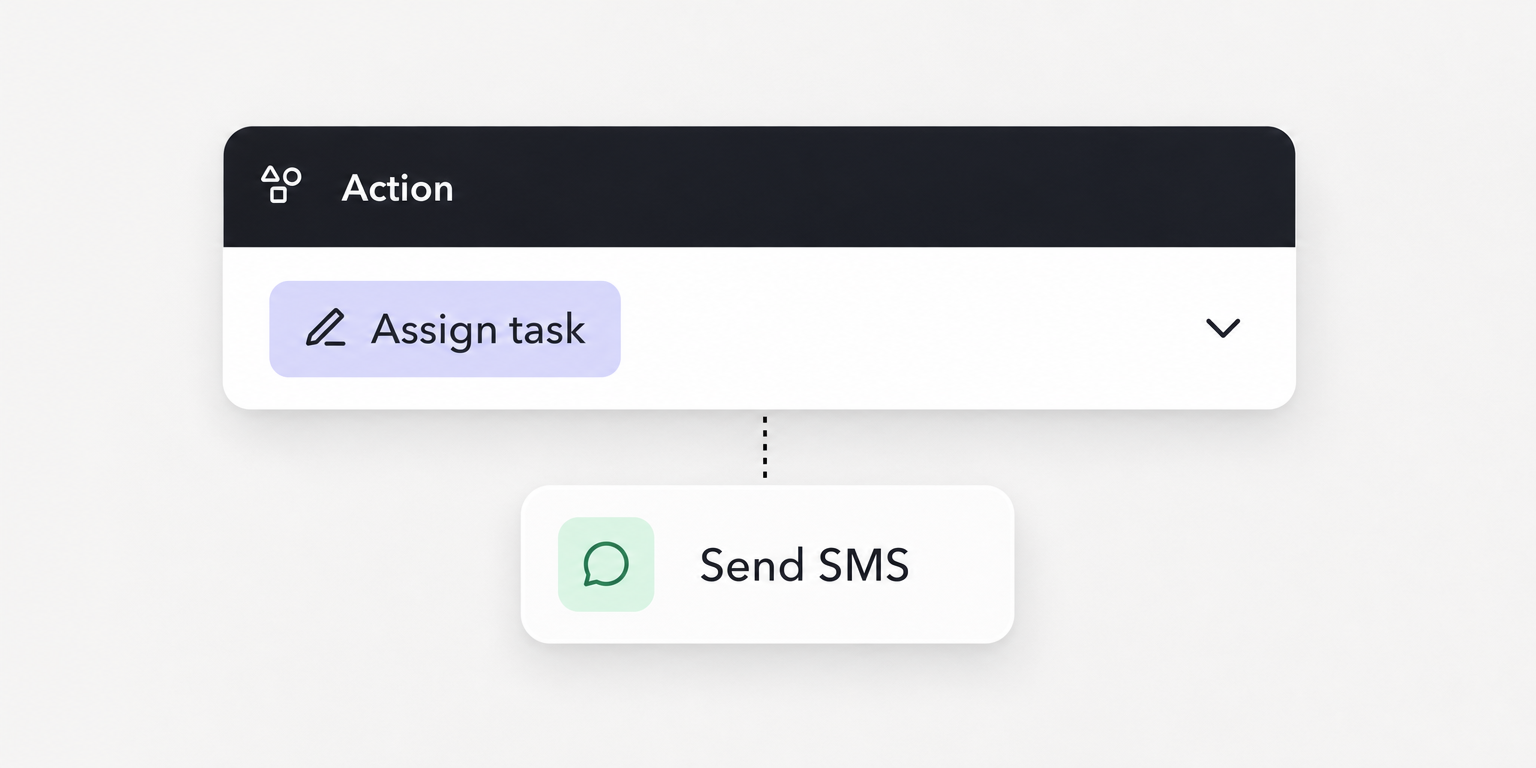
- Automations enforces the gates. No status change to Placed until checkpoints are green. TNC escalations route automatically. Missing PPE triggers a kit shipment. Late confirmations bump to a recruiter task.
For agencies operating in this vertical specifically, Light Industrial and Staffing Agencies are the starting points—the workflows are pre-built for shift-based, high-volume, client-facing operations where margin is tight and the gate guard is the moment of truth.
The operator-blunt version: if your first-day no-show rate is above 10%, the problem isn't the workers. It's the handoff. Fix the handoff and the workers show up.
For a deeper view of how light industrial staffing operators are responding to the 48-hour expectation, Staffing Hub's 2025 industrial staffing report is worth the read.

About the author

Content Writer at Teambridge
Anis Nanai is a content writer at Teambridge, with a focus on workforce management and the realities of running hourly teams. He prioritizes conversations with customers, staying close to the market, and understanding how workforce needs are changing. His writing connects those concerns to practical decisions about scheduling, time tracking, staffing, and automation. He examines product developments through the questions that matter to operators: what does this solve, how would it work for my team, and what evidence supports it?
Company perspective: this author works at Teambridge. Customer outcomes are attributed to their published sources.
View LinkedIn profile