

Now forty truck-pack hands are on the clock, two production managers are on speaker, and someone has to find a credentialed up-rigger before sunrise — or the show slips.
This isn't a safety culture problem. The crew is good. The replacement is good. The problem is that the scheduling system treated "rigger" as a yes/no field and pushed someone into a chain-motor call without checking the discipline, the expiration, or the renewal-credit standing. That's a software problem, and it's fixable.
The 4am Load-Out Problem: One ETCP Lapse Stops the Whole Show
Arena rigging is the part of the build where margin for error collapses to zero. ETCP-Arena certification covers rigging that uses chain hoists and truss systems to temporarily suspend objects from overhead structures — the methods used in arenas, convention spaces, and trade shows, which differ in principle and practice from traditional theatrical rigging. Translation: this is the exact gear in play at every load-in and load-out you'll run this quarter.
Venues and promoters increasingly treat the credential as a hard gate rather than a preference. A contract agreement between IATSE, Live Nation and Global Spectrum requires IATSE to provide the venues with an ETCP Certified Rigger at any rigging call. When that's the agreement on the wall, an expired card isn't a paperwork inconvenience. It's a stop-work order.
And the credential carries weight because the standard is intentionally narrow. According to ETCP, the rigging examinations are intended to evaluate and validate the knowledge and skill base of the upper third of riggers working in the entertainment industry. Production companies that run simultaneous shows don't lose load-outs because they hire bad riggers. They lose load-outs because credentialed riggers get reshuffled mid-week and nobody runs the lookup at call time.

Why Mid-Week Rigger Transfers Break Compliance Faster Than Tours Do
Touring shows have a fixed crew vetted before day one of rehearsals. Credentials are scanned, filed, and sometimes laminated on a clipboard the production manager keeps in the office. That works because the roster doesn't move.
Simultaneous arena production weeks are a different animal. A regional promoter running four buildings in one week is pulling from ETCP-certified labor pools, IATSE locals, and freelance benches. The roster is alive — coordinators reshuffle Tuesday night for Wednesday calls based on who's coming off a Vegas residency, who got hung up in Newark, and who's willing to drive three hours for a half-day.
Three specific failure modes recur:
- Expired credential not flagged before dispatch. The card lapsed between gigs. Nobody re-verified at booking.
- Wrong discipline assigned to the call. A Theatre-certified rigger gets put on a chain-motor up-rigging call because the dispatch sheet says "rigger."
- Renewal-credit standing silently failing. The card looks current on paper but the rigger never logged the continuing-education hours that keep it valid through the cycle.
Each one ends the same way: the safety officer pulls the rigger off the call and the production company eats the time.
Arena vs. Theatre: The Credential Distinction That Trips Up Dispatch
ETCP issues two separate rigger credentials for a reason, and dispatchers conflate them constantly.
There are two specialized certification paths: Rigger – Arena for those working with chain hoists and temporary truss systems, and Rigger – Theatre for professionals managing permanent counterweighted and hydraulic systems. They are not interchangeable, even though both are called "rigger" in everyday conversation. The Rigger – Theatre certification digs into the intricacies of permanent rigging systems, typically found in theatrical venues, and encompasses counterweighted systems, mechanical systems, and hydraulic systems.
Here's the side-by-side most dispatch boards should have pinned to the wall:
| Dimension | ETCP Rigger – Arena | ETCP Rigger – Theatre |
|---|---|---|
| Suspension type | Temporary overhead | Permanent installation |
| Primary equipment | Chain hoists, truss | Counterweight, hydraulic, mechanical winches |
| Typical venue | Arenas, convention halls, festivals | Proscenium, opera house, performing arts center |
| Typical call | Concert load-in, corporate event | House rep plot, theatrical run |
| Interchangeable on the other's calls? | No | No |
A Theatre-certified rigger with twenty years on Broadway counterweight is not legally or insurably qualified to run a chain-motor up-rigging call at an arena. That's not a slight on the rigger. It's the standard.
Dispatch systems that store "rigger: yes/no" as a single boolean cause half the mid-week scrambles in this industry. The data model has to carry discipline-level credentials with expiration dates attached, or the system will keep proposing the wrong human for the wrong call.
Warning
If your scheduling tool can't filter the available bench by ETCP-Arena specifically — not "rigger" — assume you will eventually dispatch a Theatre-only certificant to a chain-motor call. It is a question of when, not if.
The Renewal-Credit Trap: 40 Points, 5 Years, Zero Reminders
The expiration date on the wallet card is the easy part. The harder part is how the credential actually stays alive between exams.
To maintain ETCP Certification, a certified technician must accumulate 40 renewal credits of continued training or professional development, or retake the examination, over the five-year period. Renewal credits come from a defined list of recognized courses, training programs, and instruction hours.
Most freelance riggers track this in their head, in a notebook, or in a folder of email confirmations. Production companies almost never track it at the labor-pool level. The result is predictable: a credential that "expires next month" often means the rigger has been functionally lapsed for the last thirty days of bookings — and the production company that dispatched them carries the liability.
The operational reality is that renewal-credit standing isn't a single date you can highlight in yellow. It's a running ledger. The rigger needs to know what they've banked. Ops needs to know what's still owed. Without a shared system of record, both sides are guessing.
What a Credential-Aware Dispatch Stack Actually Looks Like
The production companies that don't halt load-outs aren't the ones with stricter safety policies. They're the ones whose dispatch software literally cannot send an uncredentialed rigger to a chain-motor call. The constraint lives in code, not on a clipboard.
Here's what that build looks like in practice:
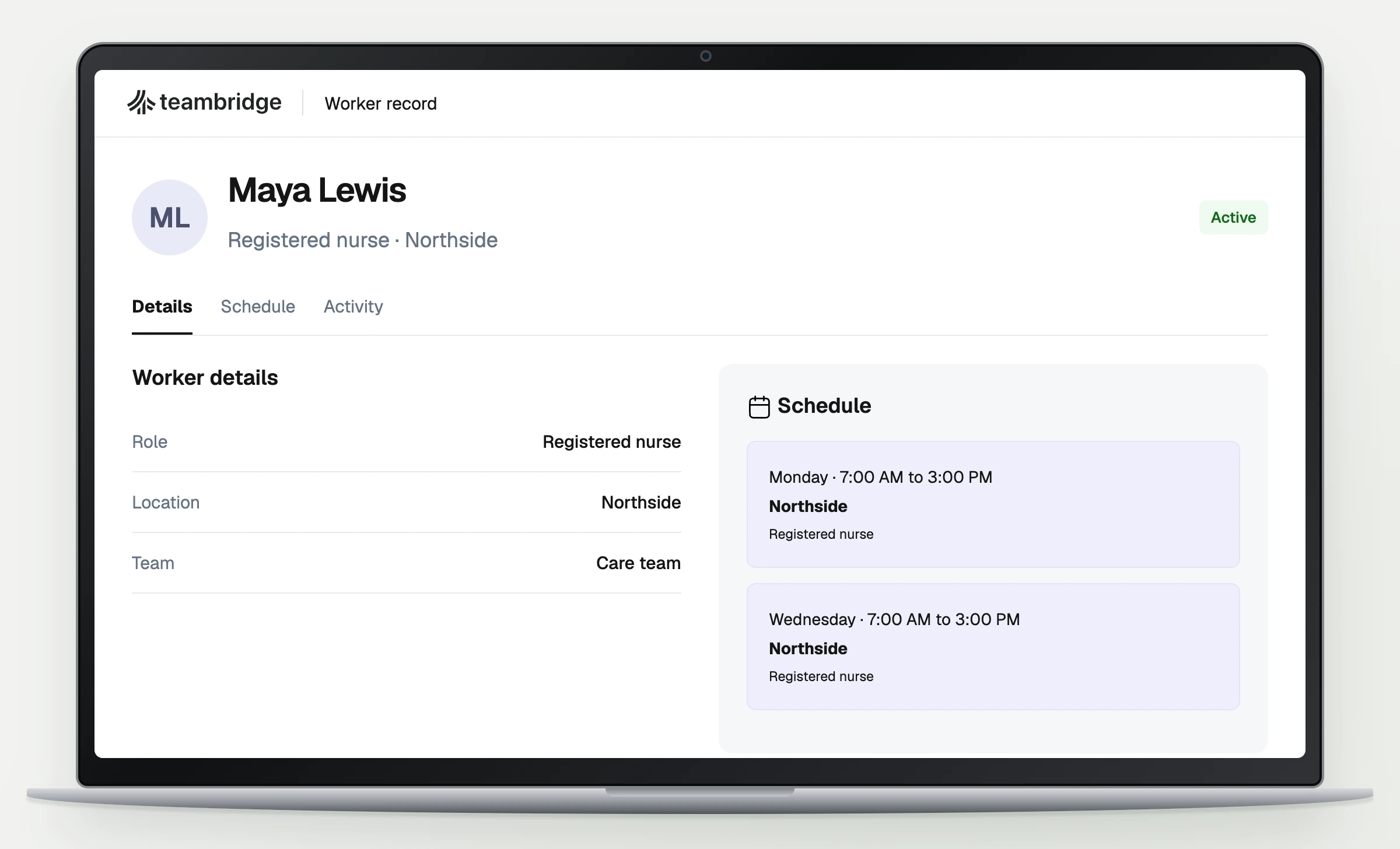
- Every rigger profile carries discipline-specific credentials. ETCP-Arena, ETCP-Theatre, OSHA 10/30, fall protection, state-specific add-ons. Each has an expiration date and a scanned document attached.
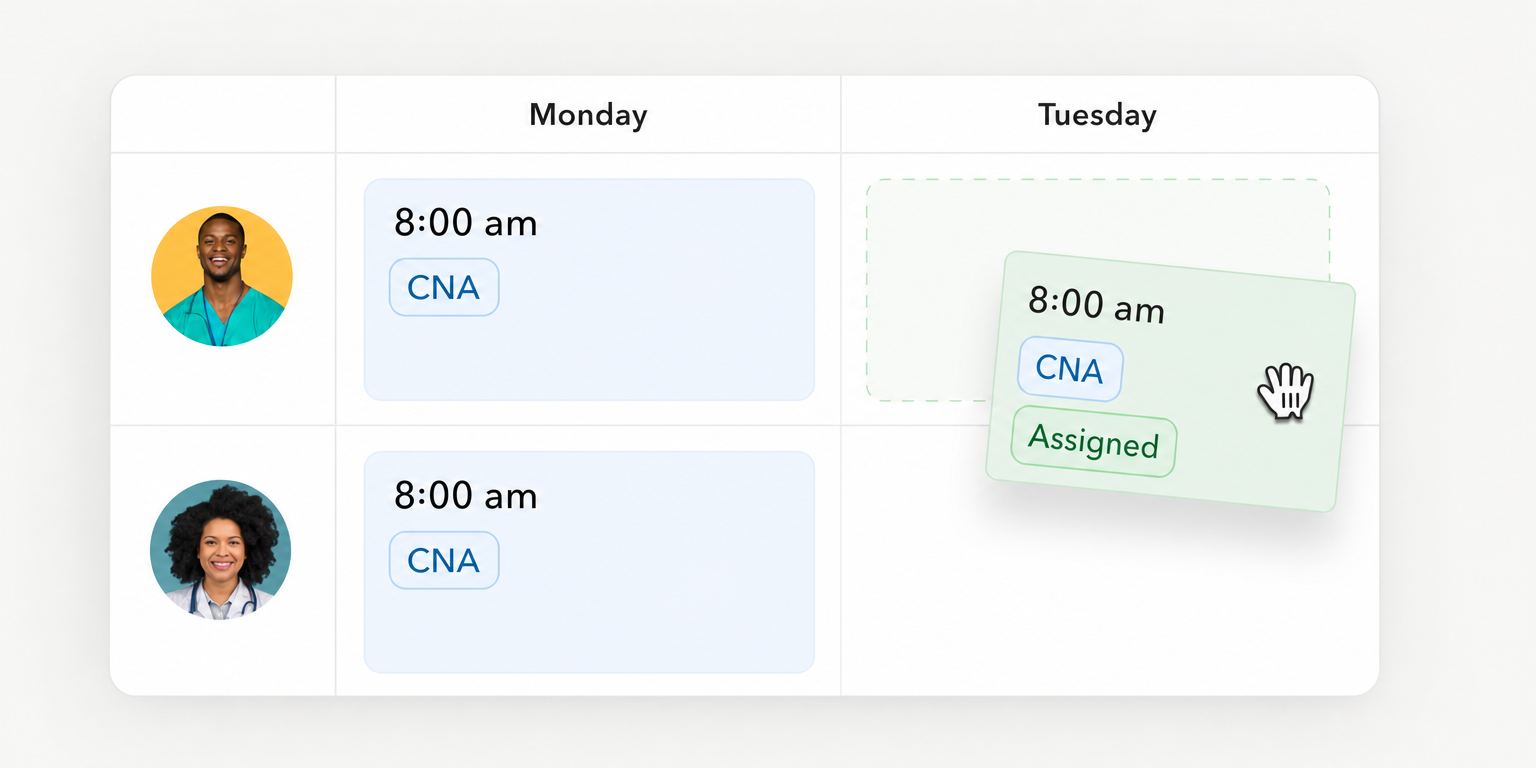
- Scheduling rules enforce the credential at the call level. A chain-motor call cannot be filled by a worker without an active ETCP-Arena flag. The system blocks the assignment rather than warning about it.
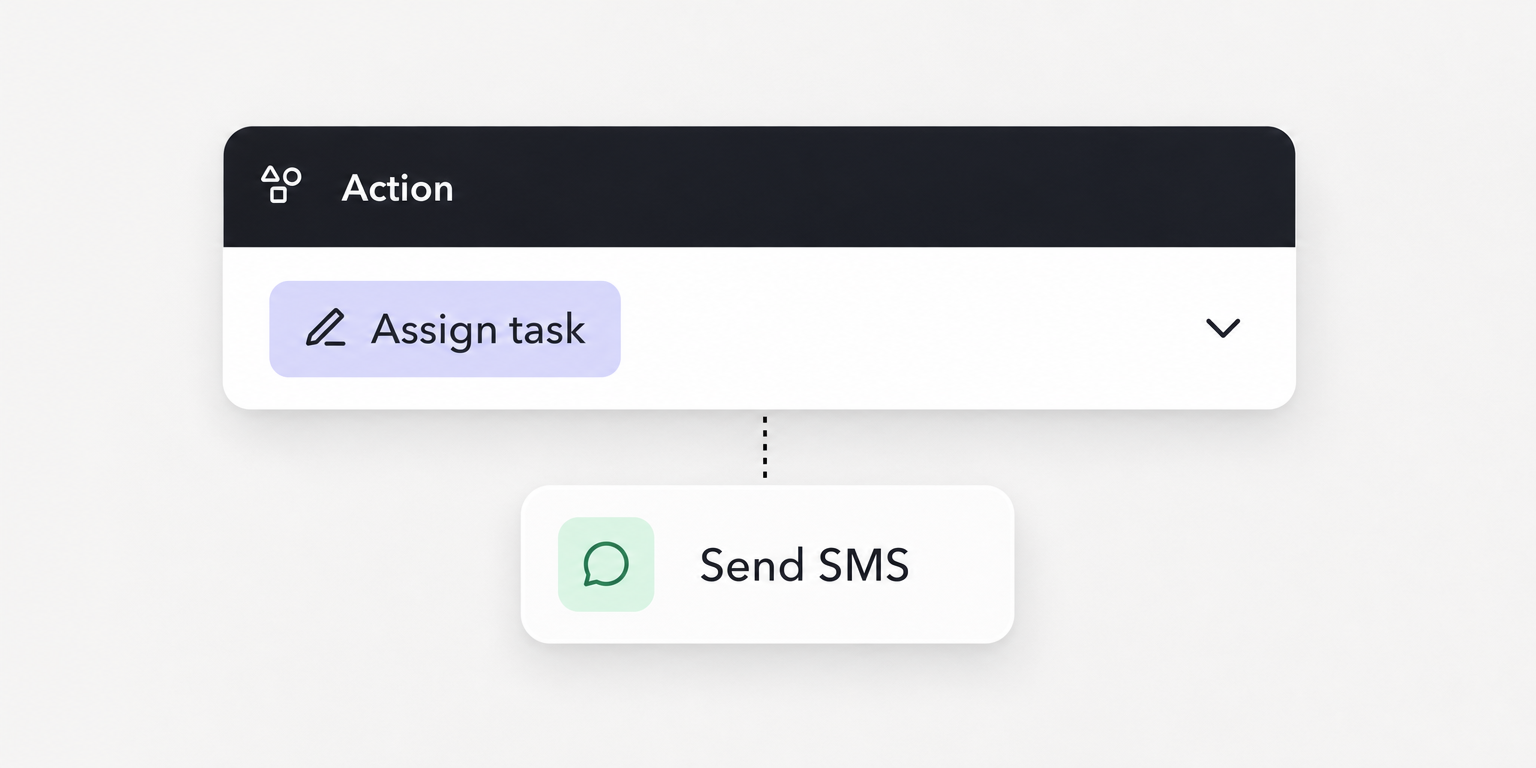
- Auto-alerts fire on a 90/60/30 cadence. Both the rigger and ops get notified before expiration, with enough runway to schedule recertification or earn renewal credits.
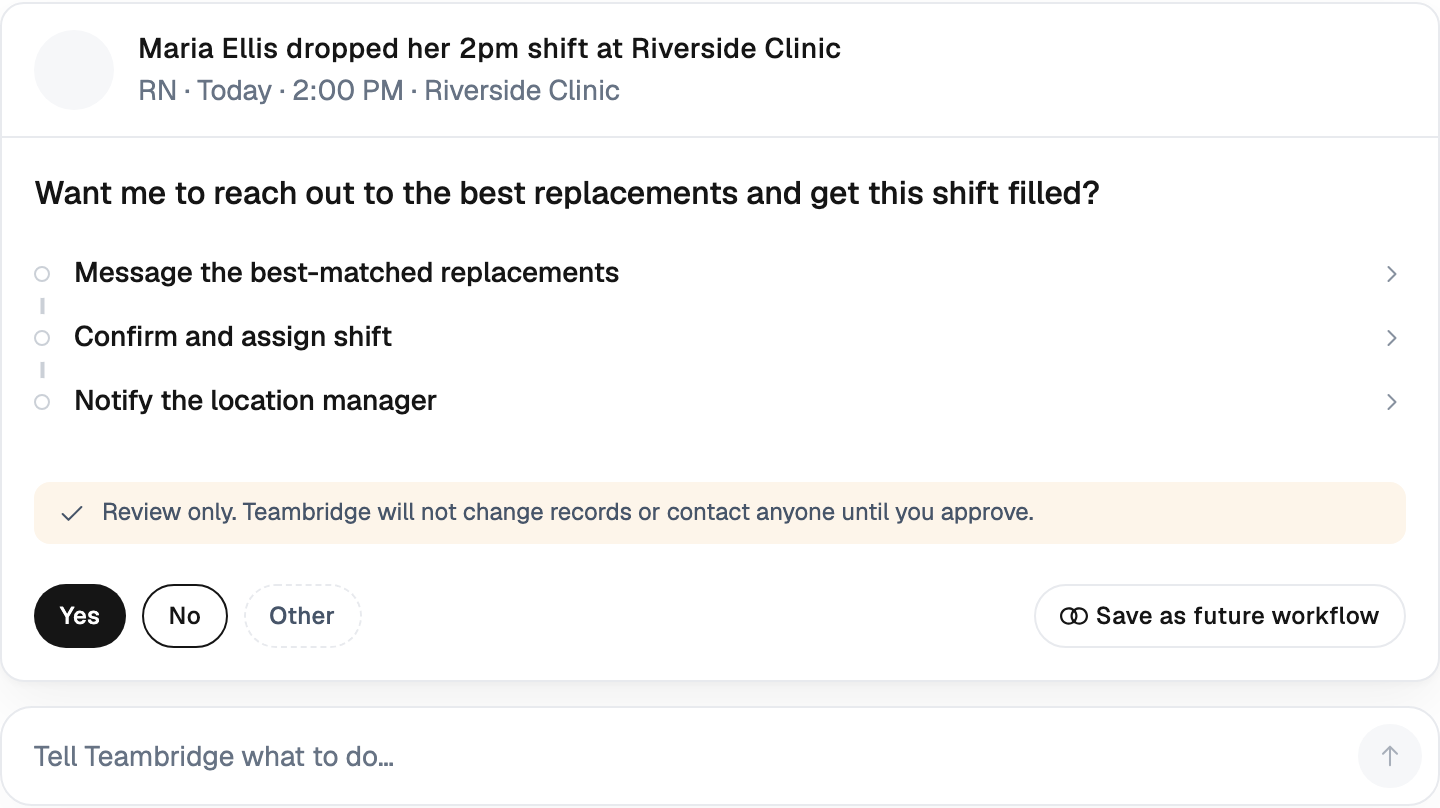
- Mid-week transfer requests surface only the credentialed, available bench. When a coordinator asks the system "who can cover Pittsburgh tomorrow," the answer is filtered, not the full roster.
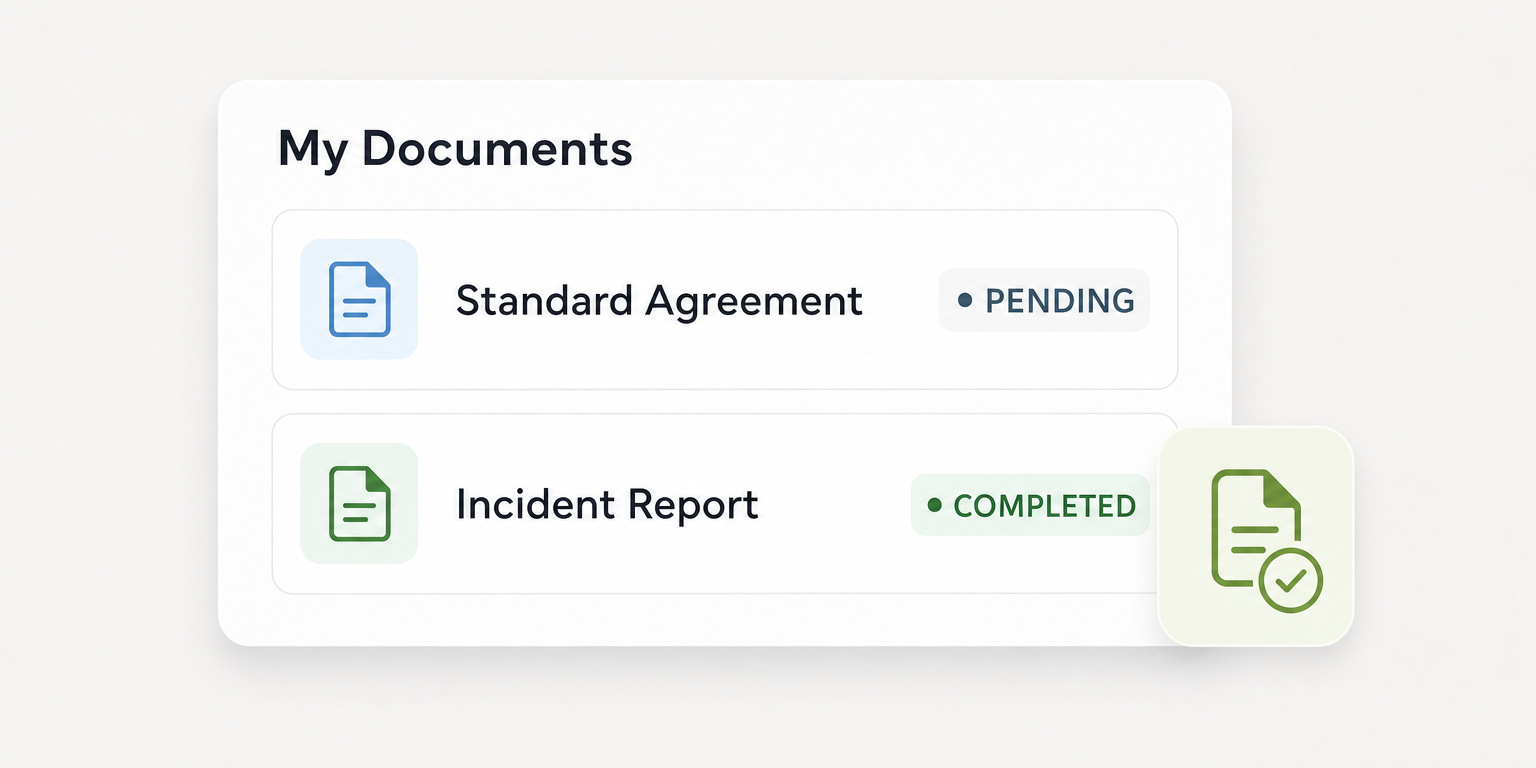
- Document packets push to the venue safety officer in advance. The rigger doesn't arrive with a wallet card; the credential PDF is already in the safety officer's inbox.
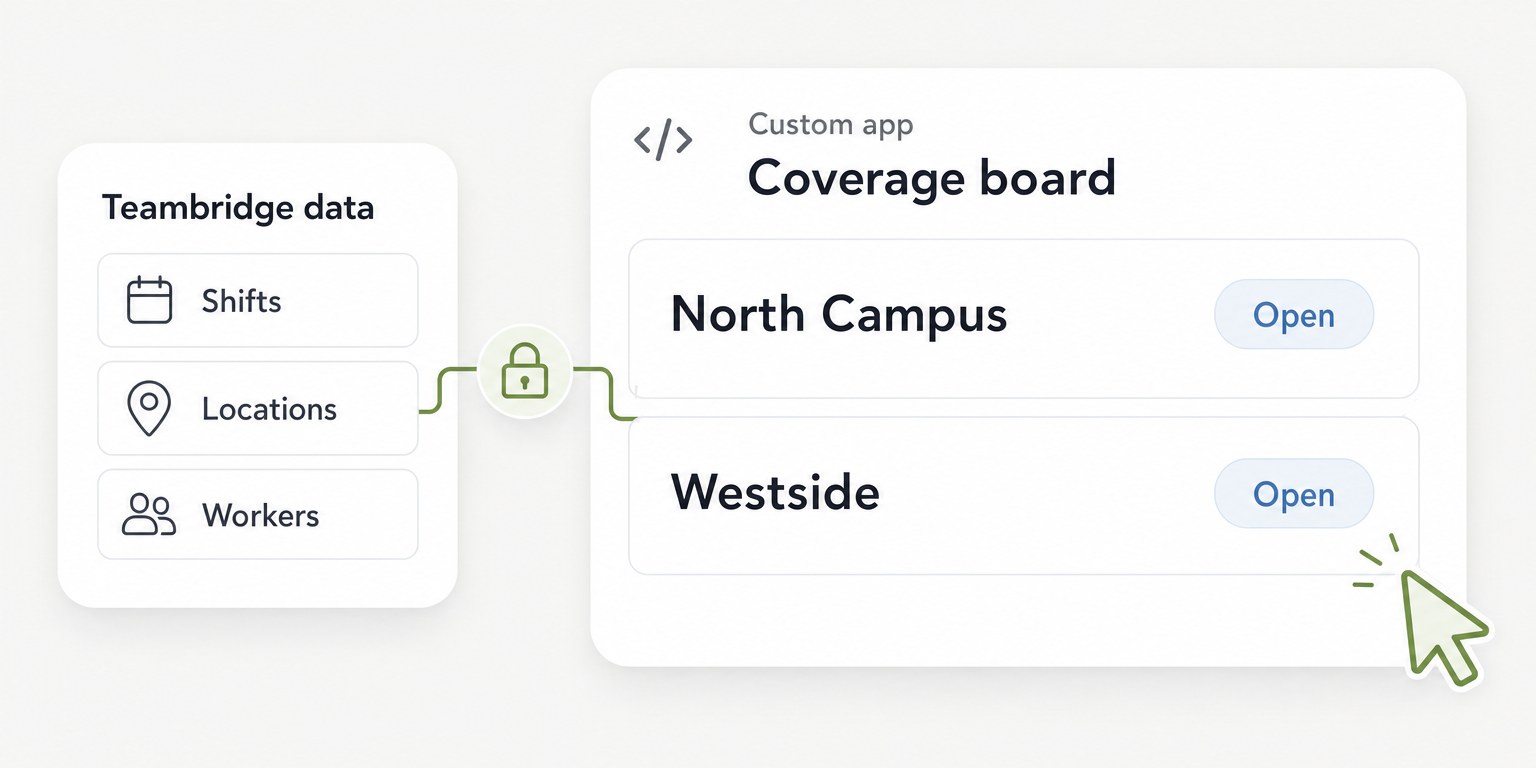
This is exactly the constraint logic Teambridge Scheduling is built around — credentials enforced at the shift level, not flagged after the fact — paired with the Admin Tools dashboards ops uses to surface expiring documents across the bench before they become a 4am call.
The Mid-Week Transfer Playbook: Five Checks Before a Rigger Moves Cities
If you're a production coordinator running a same-week reassignment, this is the operator-grade checklist. It should be system-enforced, not a phone-call ritual.
- Confirm active ETCP discipline matches the venue's rigging system. Chain motors and truss means Arena. Counterweight or hydraulic house rig means Theatre. The credential on file must match the gear on the call sheet.
- Verify renewal-credit standing, not just expiration date. A card that expires in eight months but is short on the 40 points is a card that will lapse mid-engagement.
- Check venue-specific or promoter-specific credential add-ons. Some buildings require additional aerial work platform tickets, harness inspections, or local jurisdiction sign-offs. None of those live on the ETCP card.
- Confirm fall protection and OSHA currency. Fall protection certifications are typically annual or biannual. OSHA 10/30 doesn't expire by federal rule, but many promoters and venues impose their own re-up windows.
- Push a digital credential packet to the venue safety officer before the rigger arrives on site. The wallet-card-at-the-loading-dock workflow is the workflow that fails at 4am.
Tip
Build the five-check sequence into the dispatch flow itself, not the coordinator's memory. The check that lives in someone's head is the check that gets skipped when three transfer requests come in at once.
Onboarding the Freelance Bench Before You Need Them
The riggers you'll pull mid-week aren't on your W-2. They're freelancers, sub-vendors, and union locals you've worked with on past gigs. The time to load their paperwork into your system is during slow weeks — not Tuesday night at 11pm when Pittsburgh needs coverage by 6am.
What you want pre-loaded for every name on the bench:
- ETCP card scan with discipline and expiration
- Renewal-credit ledger (or the rigger's self-reported running total)
- OSHA 10/30 card
- Fall protection certification
- I-9 and direct-deposit info
- State-specific or local sign-offs (e.g., New York or California city permits)
- Insurance certificate if they invoice as an LLC
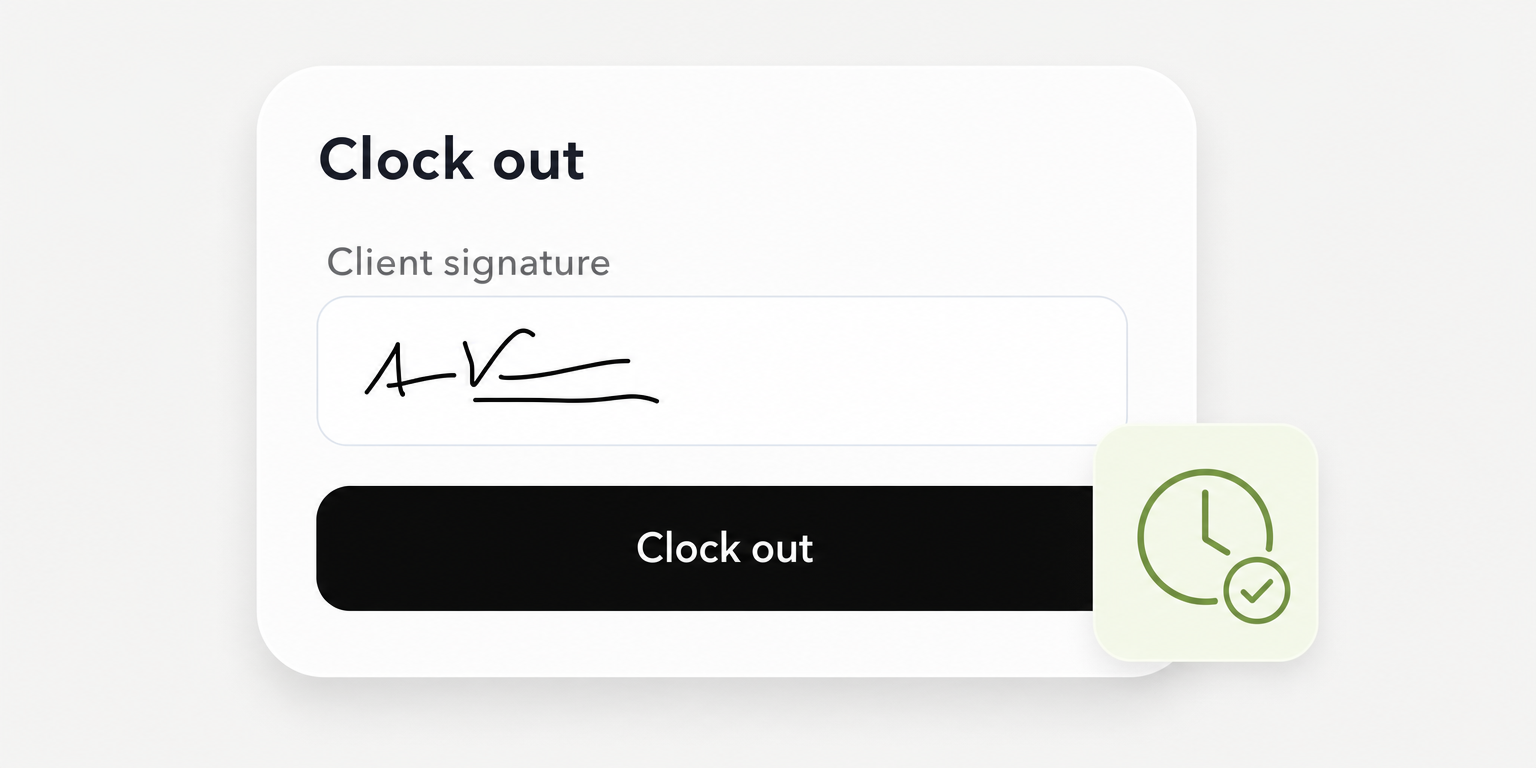
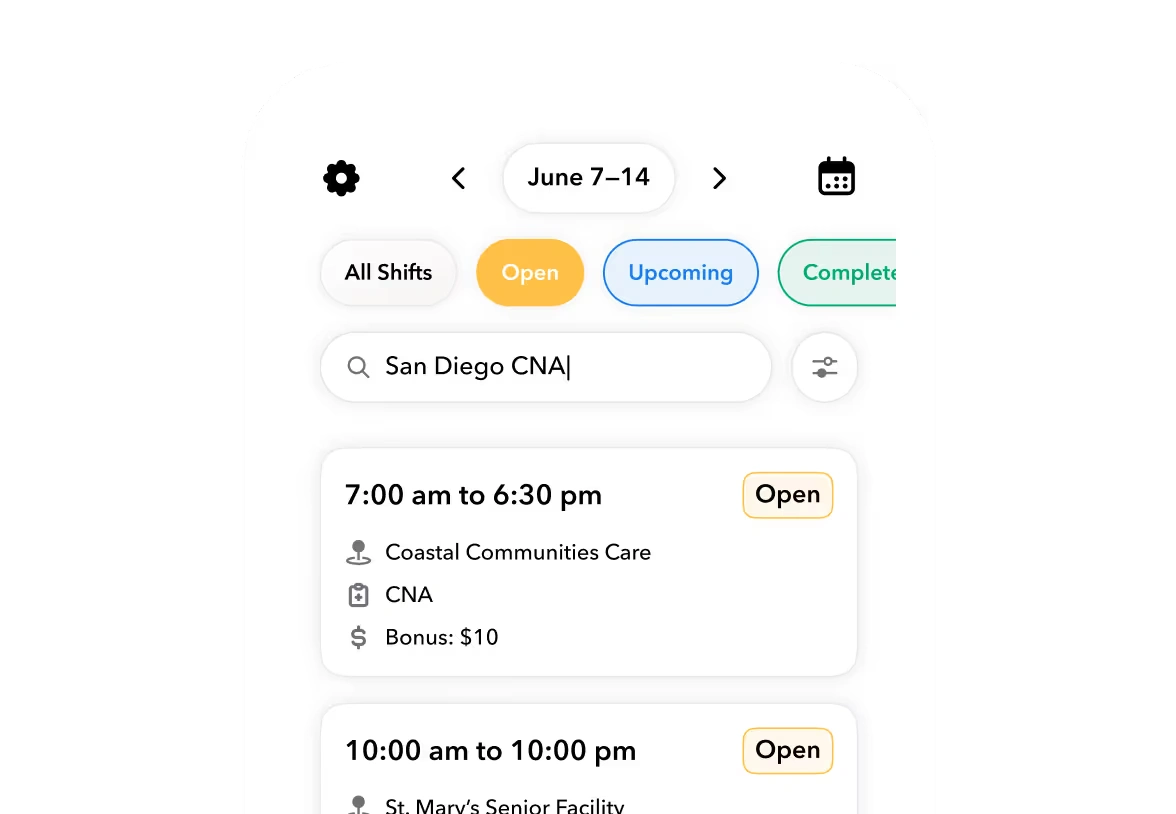
Get all of that uploaded once, attached to the rigger's profile, and accessible from a mobile device. The Teambridge Onboarding flow handles the pre-day-one paperwork, and the Mobile App lets riggers upload card photos, sign documents, and re-up expired credentials from their phone between gigs. The card follows them across every dispatch instead of living in seven different production company databases that don't talk to each other.
The payoff at 4am isn't theoretical. When a coordinator searches the bench for "available, ETCP-Arena active, within four hours of Pittsburgh," the system returns four names with full document packets attached. That's the difference between a delay measured in minutes and a delay measured in hours.
Stop Treating Certification as Paperwork. Treat It as a Scheduling Constraint.
The production companies that survive simultaneous arena weeks have made one structural change: credential verification is not a step that happens at call time. It's a hard rule inside the dispatch software, and the software won't let an uncredentialed rigger get assigned to a credentialed call in the first place.
The rest of the industry still treats ETCP cards like the safety briefing that gets signed at the start of the shift — important, but ritualistic, and quietly skipped when the pressure's on. That works until the pressure is real. Then a $400 lapsed card becomes a six-figure load-out delay.
Move the check upstream. Make the system the enforcement point. The rigging crew is good. The credentials are real. The only thing in the way is whether your dispatch tool knows the difference between Arena and Theatre at 11pm on a Tuesday.
For production companies and venues building this constraint into their workflow, the Teambridge Live Events team runs walkthroughs on credential-aware scheduling for simultaneous arena production weeks.

About the author

Content Writer at Teambridge
Anis Nanai is a content writer at Teambridge, with a focus on workforce management and the realities of running hourly teams. He prioritizes conversations with customers, staying close to the market, and understanding how workforce needs are changing. His writing connects those concerns to practical decisions about scheduling, time tracking, staffing, and automation. He examines product developments through the questions that matter to operators: what does this solve, how would it work for my team, and what evidence supports it?
Company perspective: this author works at Teambridge. Customer outcomes are attributed to their published sources.
View LinkedIn profile