

Guard turnover is the defining operational problem in contract security. It eats margin, burns supervisors, and quietly destroys client relationships one missed shift at a time. And while the industry keeps debating hourly rates, the data points at something operators control more directly than pay: how shifts get assigned, communicated, and changed.
The 200% Turnover Reality and What It Actually Costs
Start with the numbers, because they are genuinely worse than most outsiders believe. The average annual turnover rate for security guards is 200-300%, compared to an average of 57% across all industries. Other industry sources put the ceiling higher still — reports indicate security guard turnover can range from 100% to 400% annually, depending on the business model and operational environment.
That means a 300-guard firm may be hiring, badging, and training 600 to 900 people every year just to stand still. The Bureau of Labor Statistics confirms the volume: the BLS Occupational Outlook Handbook projects employment growth of 0% through 2034, yet 162,300 annual job openings — overwhelmingly driven by turnover and replacement rather than expansion. There is no growth pressure here. It is pure churn.
The cost estimates vary by methodology, but none of them are small. It usually takes 33% of an employee's salary to replace them, but that's just the beginning. Consider the cascading effects: overtime costs for remaining guards covering vacant shifts, client relationship damage from inconsistent service, potential SLA penalties, and the security risks posed by constantly rotating inexperienced personnel. Other analyses put the range higher: industry estimates put replacement costs at 50% to 200% of annual salary per departed employee, depending on position complexity. For a guard earning $35,000 annually, that means $17,500 to $70,000 in replacement costs, expenses that recur every time turnover claims another employee.
Operators already feel this. More than 40 percent of security service providers selected turnover as the top challenge over alternatives like margins and profitability, wage and labor compliance, accounts receivable, and insurance cost.
Important
If your annualized turnover is 200% and your average fully-loaded guard cost is $40,000, replacing your workforce twice a year at even the conservative 33% figure costs about $26,400 per guard per year — multiplied across every line on your roster.
This is the part the wage debate obscures. You are not failing to recruit. You are failing to keep the people you already hired.
Why Guards Quit: It's the Schedule Before It's the Paycheck
The lazy version of this conversation ends at "pay them more." The honest version starts with wages and keeps going.
The wage problem is real and structural. A 2025 Center for American Progress analysis found that the median security guard in 2022 earned two cents per hour less, in inflation-adjusted terms, than in 2003, while rent costs grew 14.3% over the same period. Twenty years of flat real wages will produce churn. But the same analysis points at the substitution problem: when warehouse work, delivery driving, and retail roles pay comparable wages with less responsibility and better hours, security becomes a difficult recruiting proposition.
Notice what tipped the comparison. Not pay. Hours. A guard who can plan childcare around a stable 7-to-3 warehouse shift will leave a $19/hour security post for an $18/hour warehouse job every time.
Ask guards directly and the pattern repeats. According to one industry breakdown, security guard turnover is high because of low pay, unpredictable scheduling, and weak communication — issues that can be reduced through better management systems and modern scheduling software.
The operational failure mode looks like this:
- A guard gets put on the schedule with 32 hours one week, 12 the next, 28 the next.
- Hours volatility kicks them under the benefits eligibility threshold.
- A shift gets cut at 9 p.m. the night before. Childcare is already paid.
- A different post gets bolted on with no notice and a 45-minute commute change.
- The guard takes a warehouse job that pays the same and never changes.
None of that is a wage problem. All of it is a scheduling problem.
The Communication Black Hole Between Dispatch and the Post
The other half of the retention problem is communication infrastructure — or the lack of one. The typical mid-market guard operation runs on a stack that has not changed in twenty years: a scheduler in a spreadsheet, a dispatcher with a phone, a group text chain, and a paper post order in a binder at the site.
That stack produces predictable failures. Schedules get posted Friday night for Monday. Post orders change without notice. Swap requests get lost in three different text threads. There is no clean way for a guard to flag availability for next week, and no way for dispatch to know who is actually willing to pick up the open Saturday overnight at the chemical plant.
When the daily reality is being treated like inventory — moved around without explanation, deployed wherever the gap is — guards behave like inventory. They leave for the next gig that treats them like a person who has a life outside work.

This is the structural pain that wages alone cannot fix. You can hand a guard another dollar an hour, and if they still cannot see next week's schedule until Sunday at 8 p.m., they are still leaving.
Shift Bidding: Letting Guards Compete for the Shifts They Want
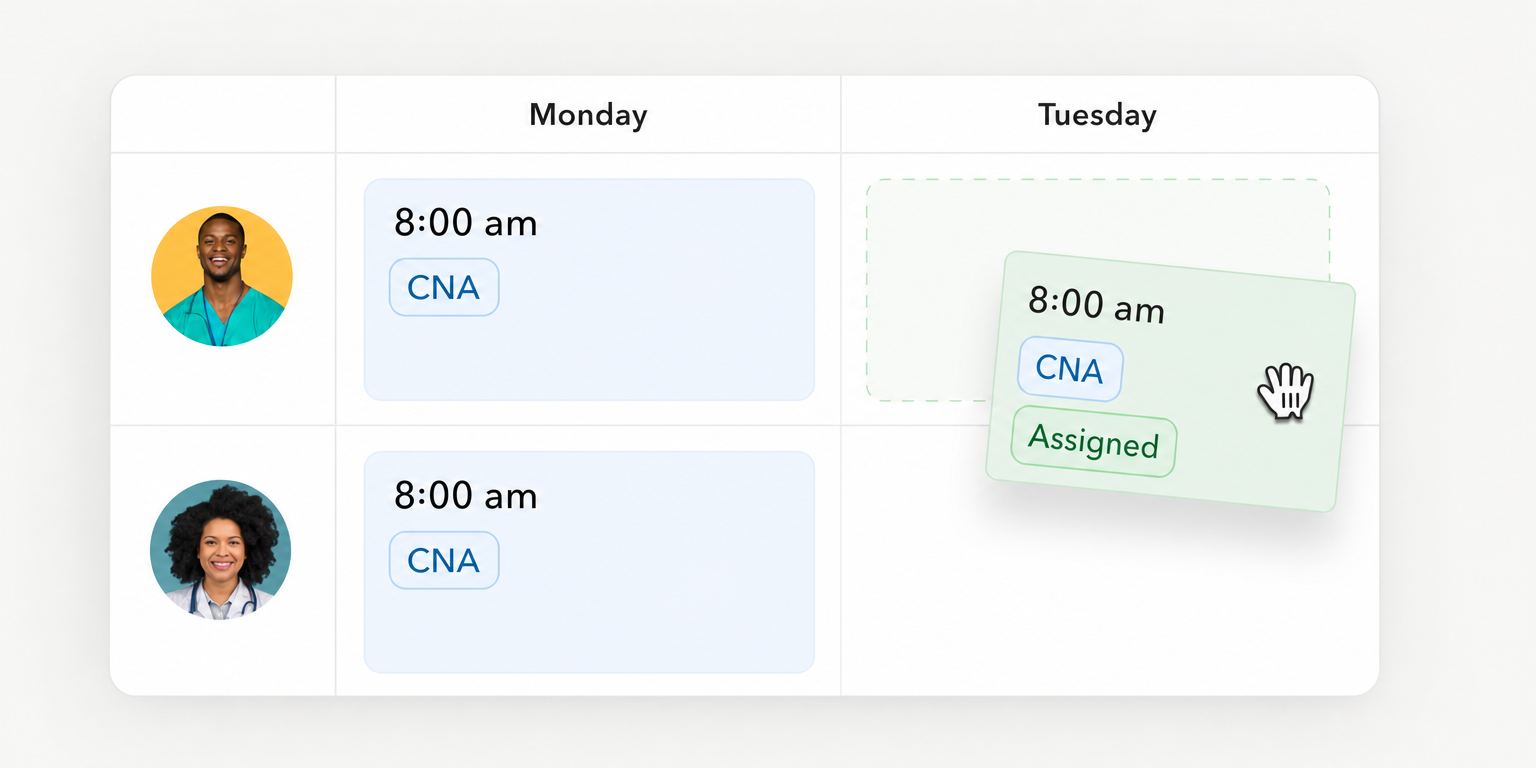
The operational fix is to flip the assignment model. Instead of dispatch pushing shifts onto guards, eligible guards see open posts and claim or bid on them. The schedule fills faster, the dispatcher stops cold-calling, and the guard gets agency over their week.
In practice, an open-shift marketplace surfaces the gap to every guard who is actually eligible for it. The filter is the important part. Credential-aware bidding means an unarmed officer never sees the armed post. A guard without site clearance for the data center never sees the data center shift. Overtime status, geography, license expiration, even client-specific certifications can all gate visibility.
A simple comparison of how the same Tuesday morning gap gets filled:
| Step | Traditional Dispatch | Open-Shift Bidding |
|---|---|---|
| 6:02 a.m. — call-off received | Dispatcher starts phone tree | Open shift posted to mobile app |
| 6:15 a.m. | 4 of 12 guards called, 1 voicemail, 2 declined | 7 eligible guards have seen the shift, 3 have bid |
| 6:30 a.m. | Still calling, supervisor pulled from rounds | Shift awarded to closest eligible bidder, confirmation sent |
| 7:00 a.m. — relief on post | Coverage gap or supervisor self-deployed | Guard clocked in on time |
| Operational drag | 60+ minutes of dispatch time, 1 supervisor reassigned | <5 minutes of admin time, system handles eligibility |
The other thing bidding does — and this is the part that matters for retention — is give guards a sense that the schedule is theirs to influence. A guard who picks up the Saturday overnight because they wanted the differential is a different employee than a guard who got assigned to it on Thursday.
This is the core of how Teambridge's Scheduling product handles fill: credential-gated visibility, configurable claim vs. bid rules, and auto-award logic that respects overtime thresholds and site clearance. Dispatchers stop dialing. Guards stop feeling like inventory.
Self-Service Availability and Swap Requests on Mobile
Bidding solves the open-shift problem. The other half — the unstable-hours problem — is solved by self-service availability and peer-to-peer swaps in a mobile app the guard actually uses.
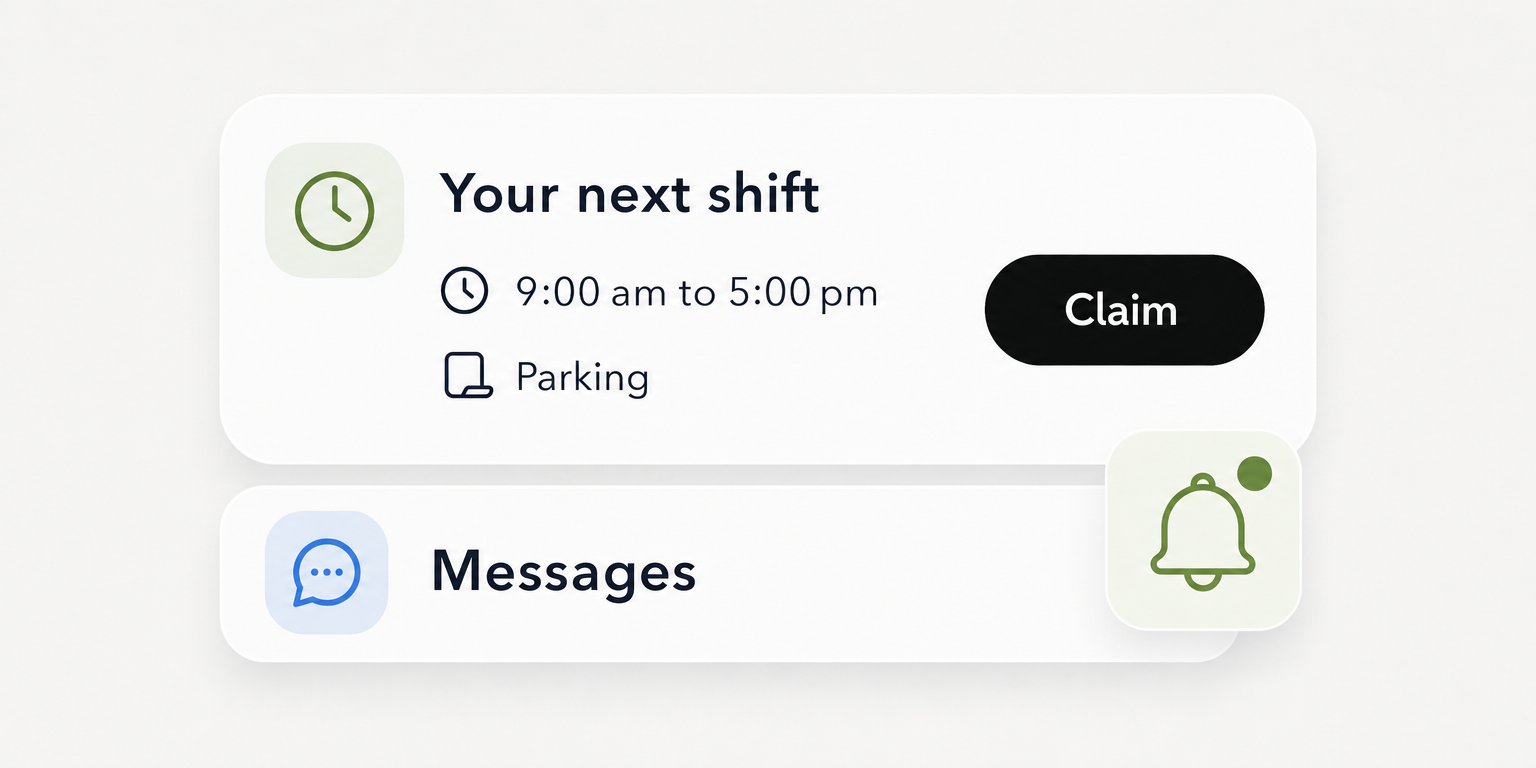
The mechanic is straightforward. A guard sets real availability in the app: hours they can work, hours they cannot, blackout dates, preferred sites. When they need to swap a shift, they post it to eligible peers, the peer claims it, and a manager approval rule decides whether the swap is auto-approved or needs a sign-off. When they want extra hours, they pick up open shifts from the same screen.
Tip
The single highest-leverage change most guard operations can make is putting availability and swap controls in the guard's pocket. It kills the part-time-by-accident problem, where guards drop under benefits thresholds because of dispatcher convenience rather than guard preference.
What this does to operational metrics:
- No-show rate drops because guards opted into the shifts they are working.
- Call-off fill time drops because the open shift hits dozens of eligible phones at once.
- Overtime burn drops because dispatchers stop defaulting to the same five guards who always answer the phone.
- Schedule stability improves because guards can lock in consistent weekly hours instead of riding dispatcher whims.
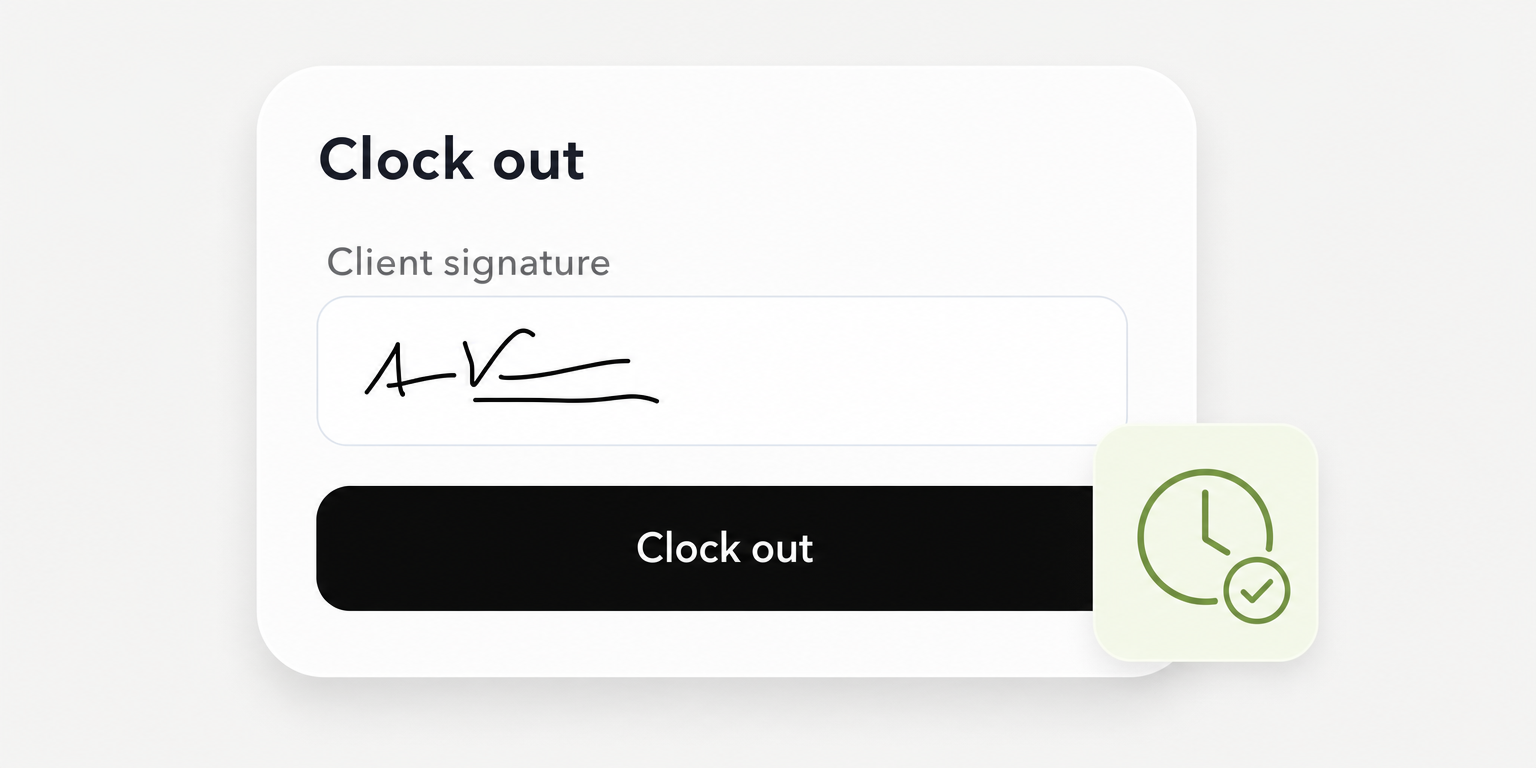
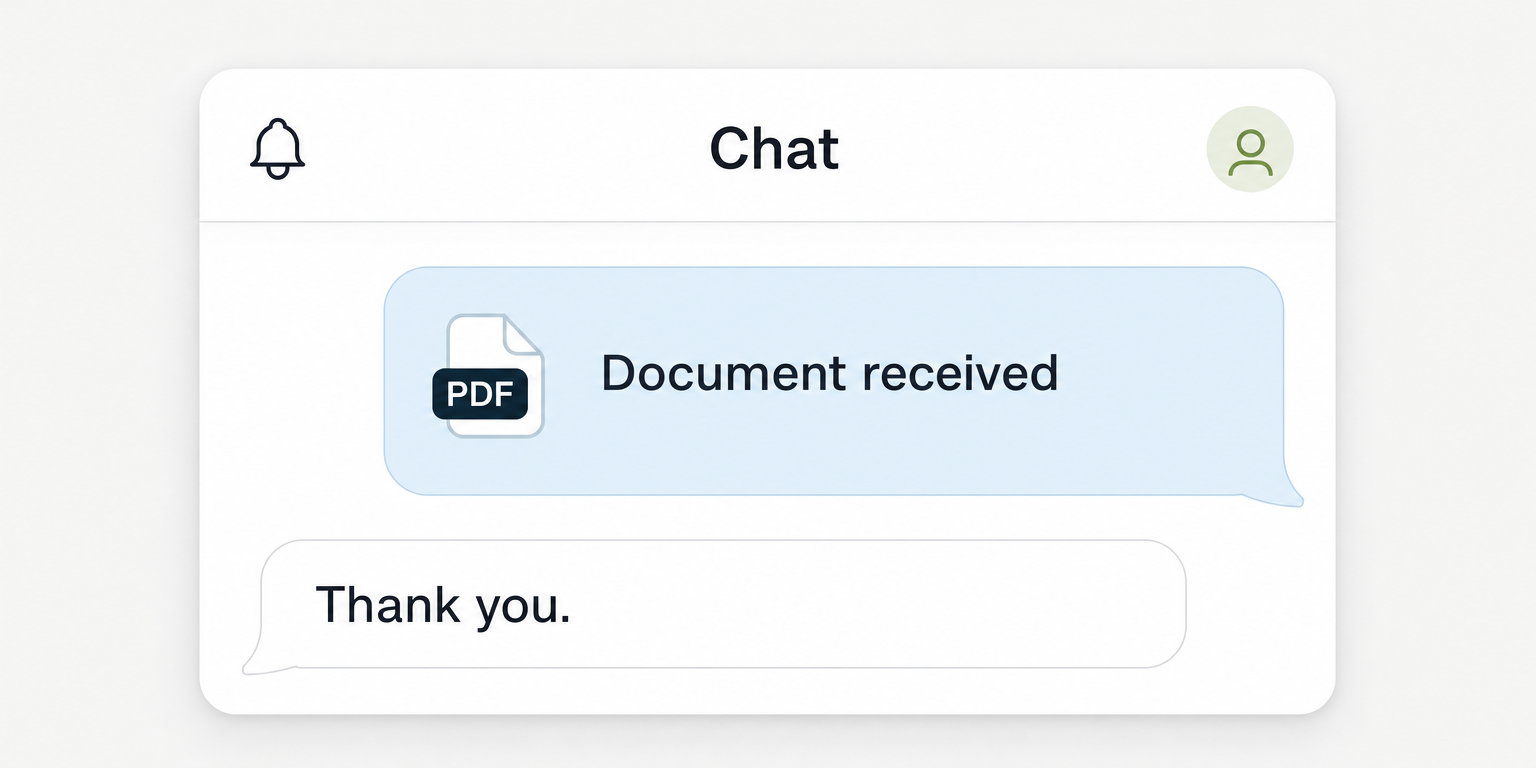
For the technical mechanics — push notifications, clock-in, document delivery, messaging — Teambridge runs all of this through the Mobile App. One channel for the guard. One source of truth for dispatch.
Measuring Whether It's Working: Retention Metrics That Matter
If you are going to invest in a scheduling system as a retention lever, measure it like one. The operations dashboard most firms run is built around fill rate and overtime — useful, but not retention metrics. Here is what to track instead.
The retention scorecard
- 90-day retention rate. What percentage of new hires are still on the roster at day 90? This is where most security churn lives. If you are losing 40%+ of new hires before day 90, your onboarding and early scheduling experience are broken.
- Schedule stability index. The standard deviation of weekly scheduled hours per guard. A guard with a stability index near zero gets the same hours every week. A guard with a wide variance is about to quit.
- Bid-fill rate vs. forced-assignment rate. What percentage of open shifts get filled by bid or voluntary claim versus by dispatcher assignment? Higher bid-fill = lower turnover.
- Voluntary turnover by site and supervisor. Roll turnover up by site account and by direct supervisor. One bad supervisor or one toxic client site can drag your whole annualized number.
- Overtime concentration. What percentage of OT hours are landing on what percentage of guards? If 70% of OT lives on 15% of the roster, those 15% are burning out.
The payoff for actually running these metrics is documented. Some regions and company types see turnover rates exceeding 70%, while well-managed operations can achieve rates below 20%. The delta between those two outcomes is not a wage delta. It is an operations delta.
What Stable Scheduling Looks Like in a Real Guard Operation
Put it all together and the picture for a 300-guard firm running this stack looks concrete.
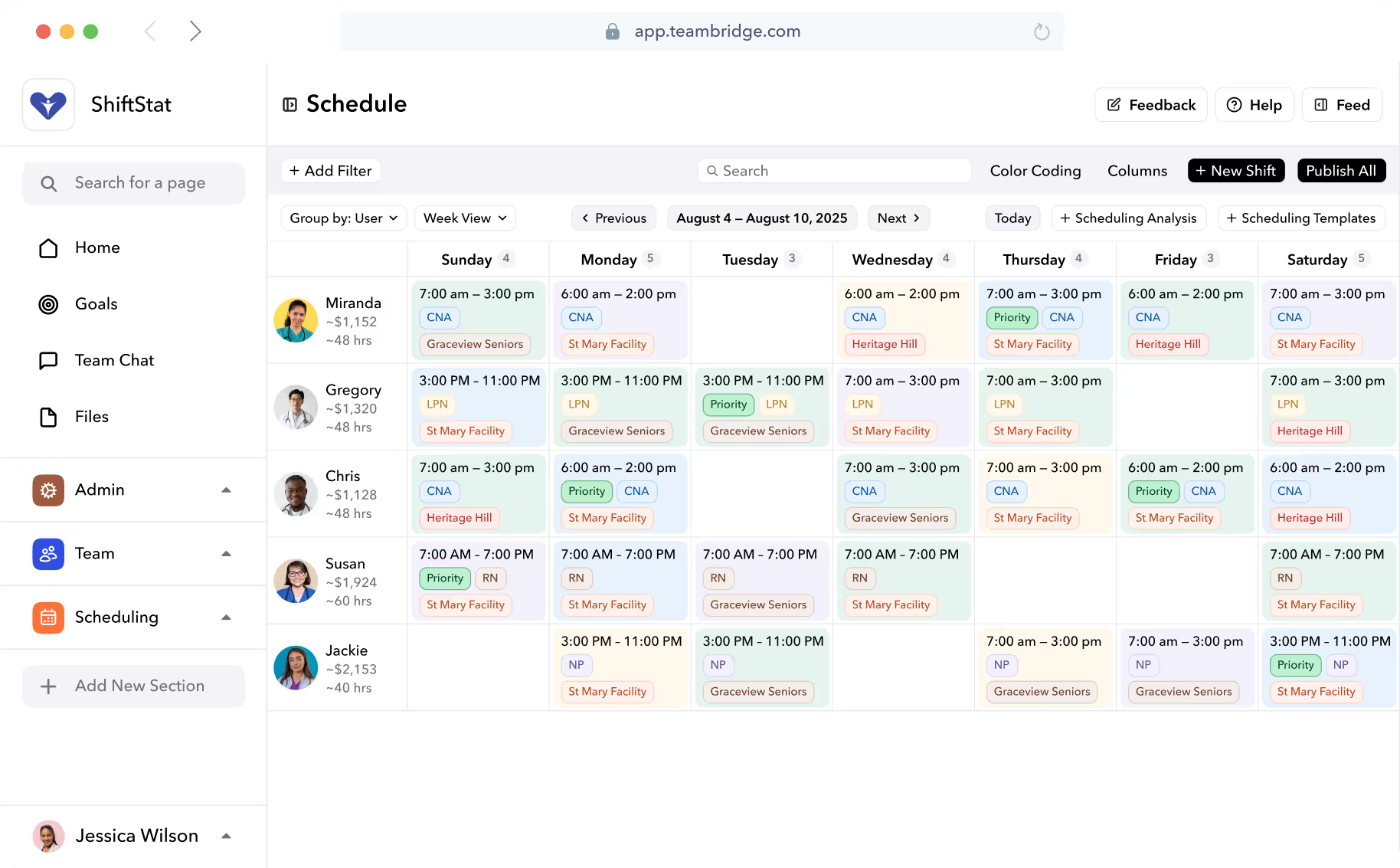
Monday morning, the schedule for the next two weeks is already published. Every guard has set availability for the period. The 38 open shifts have been posted to the marketplace and 31 are already claimed by guards who picked them. Dispatch starts the week with seven gaps instead of 38 — and the seven that remain are flagged by credential mismatch, not by dispatcher bandwidth.
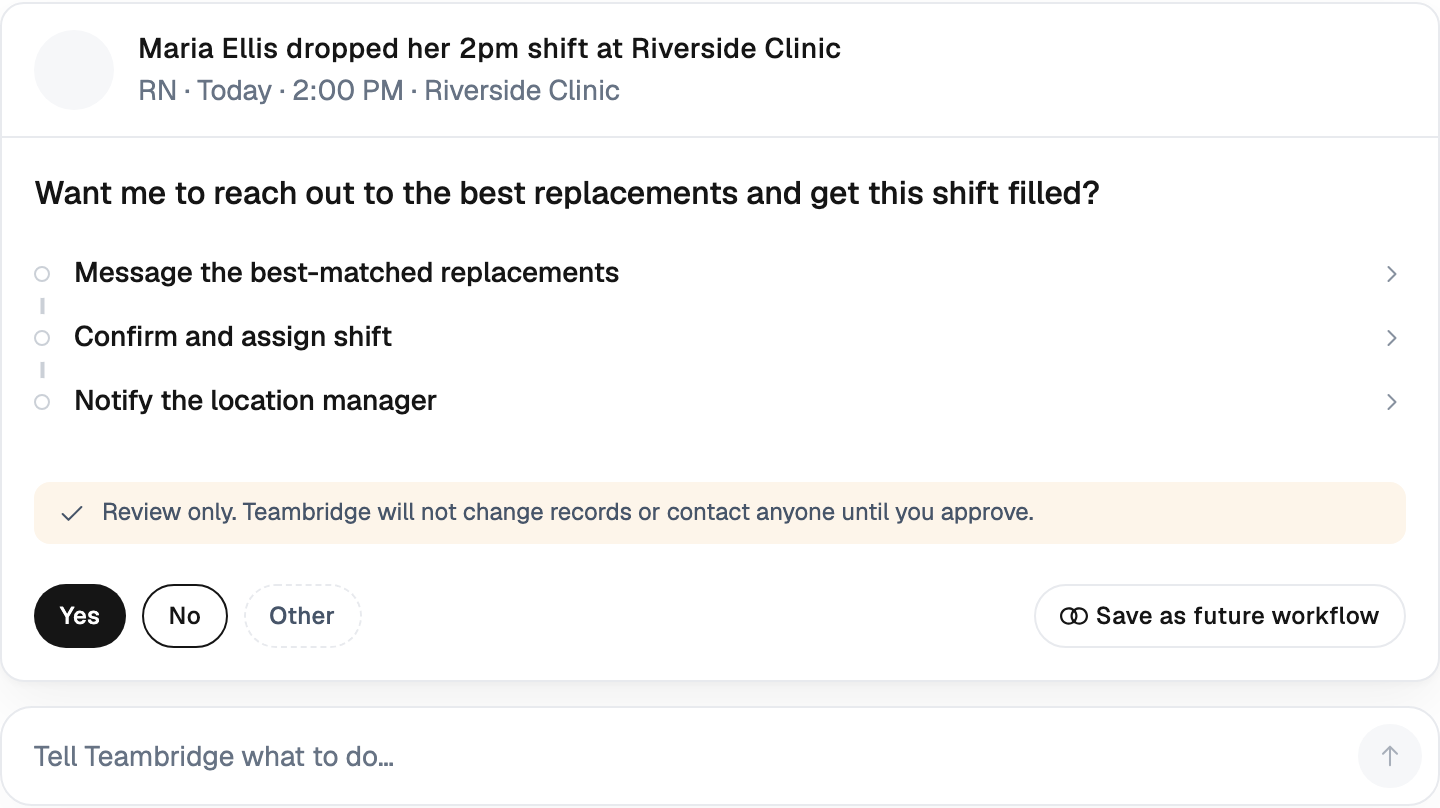
When a guard calls off Tuesday at 5 a.m., the system pushes the open shift to every eligible guard within a configurable radius who has not hit OT thresholds. Three claim it within seven minutes. The supervisor approves the closest, the relief shows up on time, and the dispatcher never picks up the phone.
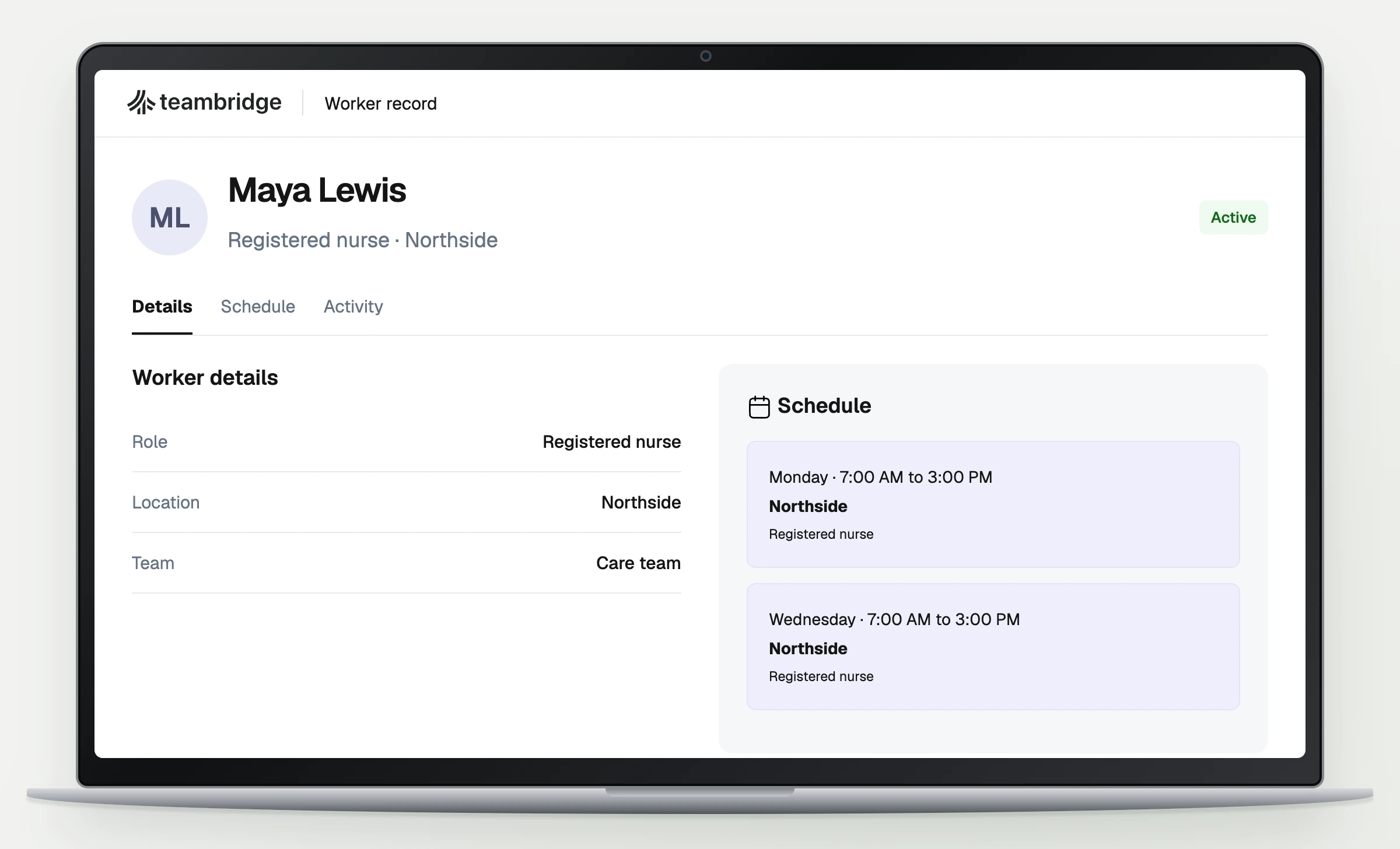
When a guard's state license is 30 days from expiration, the platform pulls them off any post that requires that credential after the expiration date — automatically — and surfaces the renewal to both the guard and the credentials manager. No more last-minute scrambles when a state lookup catches an expired license at audit.
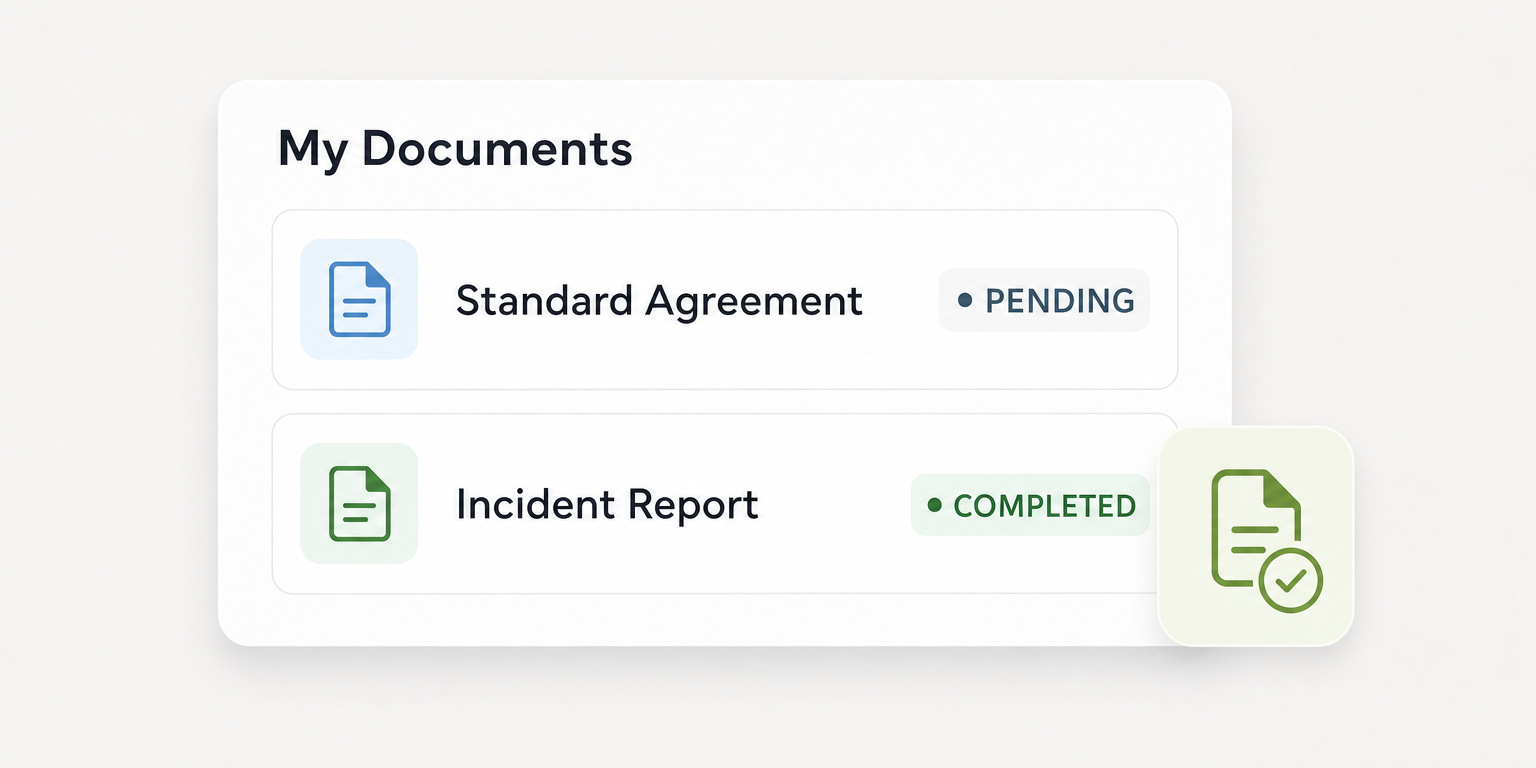
All of this lives on the same platform as post orders, guard tour verification, time tracking, and license tracking, which is how Teambridge handles security operations end-to-end. One system, one mobile app for the guard, one source of truth for the operator.
The operator-level shift is what matters. You stop running a hiring engine to feed a leaky bucket and start running a workforce.
If your annualized turnover is north of 150% and your scheduler is still using spreadsheets and group texts, the scheduling system is the lever. Another dollar an hour will not fix what the schedule is breaking. A schedule guards can actually control will.

About the author

Content Writer at Teambridge
Anis Nanai is a content writer at Teambridge, with a focus on workforce management and the realities of running hourly teams. He prioritizes conversations with customers, staying close to the market, and understanding how workforce needs are changing. His writing connects those concerns to practical decisions about scheduling, time tracking, staffing, and automation. He examines product developments through the questions that matter to operators: what does this solve, how would it work for my team, and what evidence supports it?
Company perspective: this author works at Teambridge. Customer outcomes are attributed to their published sources.
View LinkedIn profile