

The pay narrative is comfortable because it's measurable. It's also wrong most of the time. Workers leave because they can't reach their manager, can't see their schedule until Friday afternoon, can't swap a Tuesday shift when childcare falls through, and can't tell whether anyone noticed they came in on their day off last week. That's a communication and scheduling problem masquerading as a compensation problem — and a centralized worker app fixes both at once.
The Real Cost of Hourly Turnover Isn't on Your P&L
The direct replacement cost of an hourly worker is bad enough. Hourly, service, and production roles run 40–70% of annual salary to replace, and in restaurants the per-person cost can land around $5,864. For a 200-person operation cycling through 80% turnover, that's seven figures a year before anyone calculates the lost productivity.
But the line-item cost isn't what's killing the operation. It's the operational drag. Supervisors burning two hours every morning on SMS chains to fill a single open shift. Trainers pulled off the floor to onboard a fifth hire for the same role this quarter. Clients calling because the wrong worker showed up — or no one did.
The industries bleeding workers fastest know this story by heart. The annual turnover rate for the restaurant sector consistently exceeds 75%, and for fast food and QSR, the rate exceeds 100%, meaning the average position turns over more than once per year. Retail hourly, in-store turnover has been measured at 75.8%. Logistics, call centers, and home care aren't far behind.
Note
Replacing one hourly worker costs the business roughly half their annual wages. Replacing twenty of them in a year — which is normal in QSR and retail — quietly eats more margin than a 5% wage increase ever would.
The problem framing matters. If you believe turnover is a pay problem, you raise wages and watch the next worker quit anyway. If you believe it's a communication and scheduling problem, you start fixing the thing that actually drives people out.
Flexibility Now Beats a Pay Bump for Hourly Workers
Here's the data that should reframe the whole conversation. In one survey, 49% of hourly employees said they'd take a pay cut in exchange for more control over their schedules, and 55% said they'd leave their jobs if they lack control over scheduling. A separate WorkWhile survey of more than 5,000 frontline workers found that 77% place flexible schedules at the top of their priority list.
Flexibility has overtaken pay because the hourly workforce isn't who operators assume it is. In recent surveys, 57% of hourly workers have children at home, plenty are caregivers for elderly parents, many are working a second job or finishing school. A $1/hr bump doesn't solve any of those problems. A schedule they can actually plan around does.
Last-minute schedule changes, seasonal fluctuations, and employers cutting hours to manage costs are just a few of the realities these workers regularly face, leading to unpredictable income, difficulties balancing personal life with work obligations, and a limited ability to adjust their schedules based on critical needs such as child care and doctor's appointments. That's the daily reality. The worker who can't get a shift swap approved Friday morning isn't being unreasonable. They're being told their life doesn't fit the operation, and they'll find one that does.
A recent Boston Consulting Group analysis in HBR noted that businesses have raised wages for deskless workers 7% to 10% since the pandemic began, but wage increases have not been sufficient to win back frontline talent. The market already ran the experiment. Raising pay alone doesn't close the gap.
Why Group Texts and Paper Schedules Are Killing Retention
Walk into a typical 150-person operation and trace how a shift change actually happens. The schedule is posted to a breakroom wall on Thursday for the week starting Monday. A worker's kid gets sick Sunday night. They text their supervisor, who's already in bed. They text three coworkers. Nobody responds. Monday morning they no-call no-show because they assume someone will figure it out. By Wednesday they've stopped responding to texts entirely. By the next Monday, they're working somewhere else.
That's not a pay problem. That's a communication architecture that guarantees the worst-case outcome at every step.
The failure modes compound:
- Schedule visibility is broken. Workers find out about cancellations via rumor or by showing up to a closed door.
- Two-way communication doesn't exist. A worker can receive a manager's text but can't reach a manager with a question.
- Coverage requests go through phone trees. A supervisor calls 14 people to fill one shift because there's no broadcast channel.
- No-shows look like attitude problems. They're usually just workers who couldn't reach anyone and gave up.
A UKG study of nearly 13,000 frontline employees found that 59% of frontline employees across all generations say they may quit because of negative interactions with their managers, co-workers, or customers, and in organizations where frontline and corporate employees co-exist, 49% of frontline employees say there are two separate cultures: one for the frontline and one for everyone else. When the only management touchpoint a worker has is a group text and a wall-mounted schedule, that second-class feeling is structural, not cultural.

What a Centralized Scheduling App Actually Does for Engagement
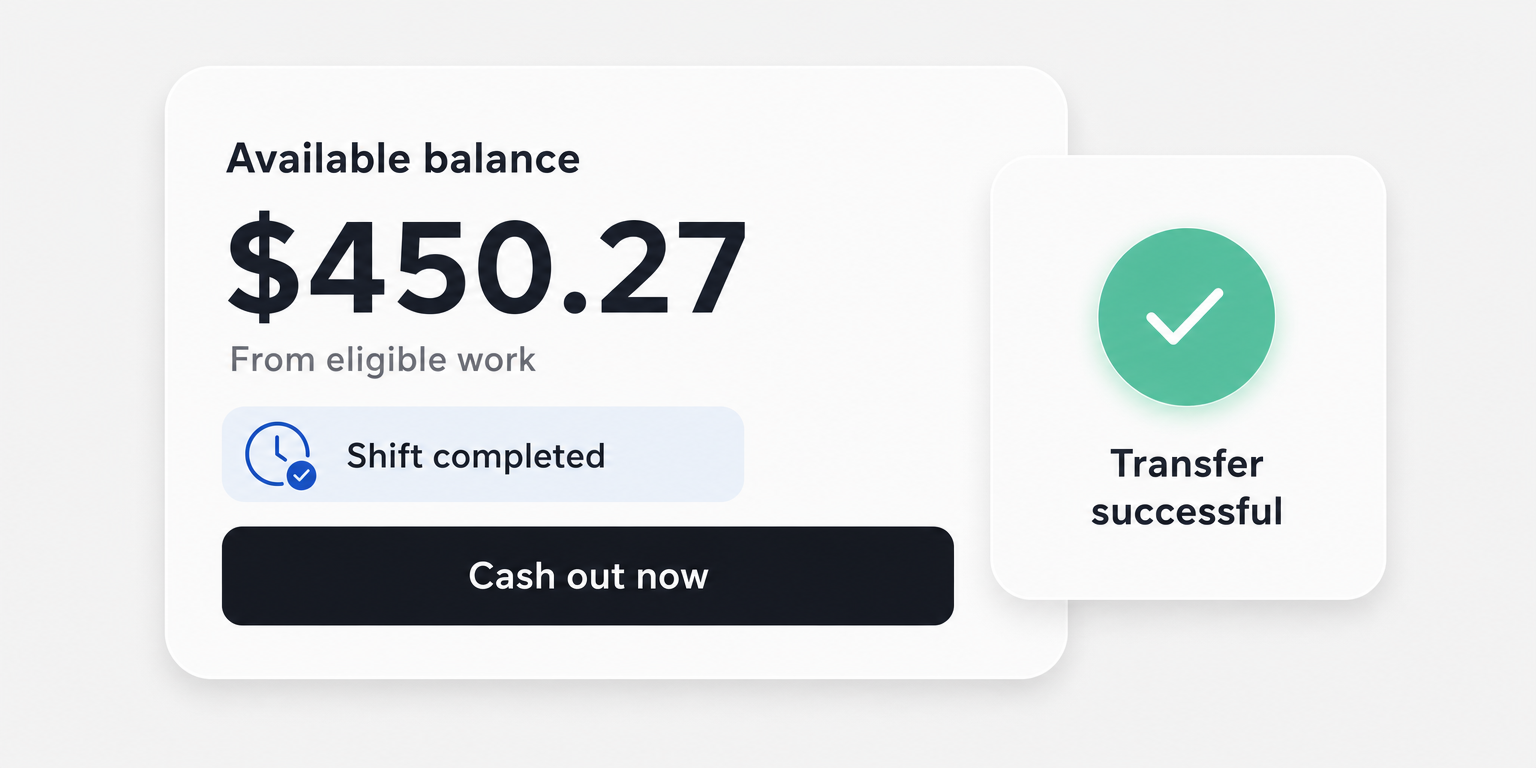
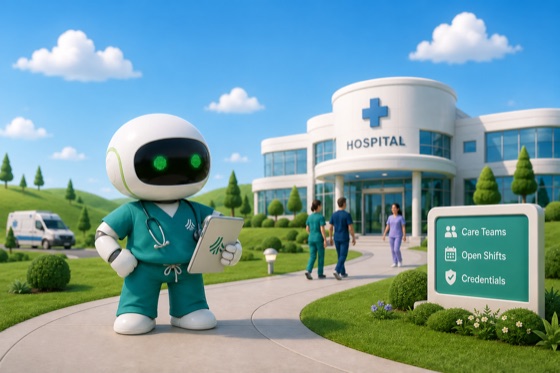
The fix isn't a new HR policy. It's collapsing the touchpoints — schedule, shift pickup, messaging, announcements, credentials, pay — into a single app the worker actually opens. Not five tools, not an SMS chain plus a spreadsheet plus a paper sign-up sheet. One place.
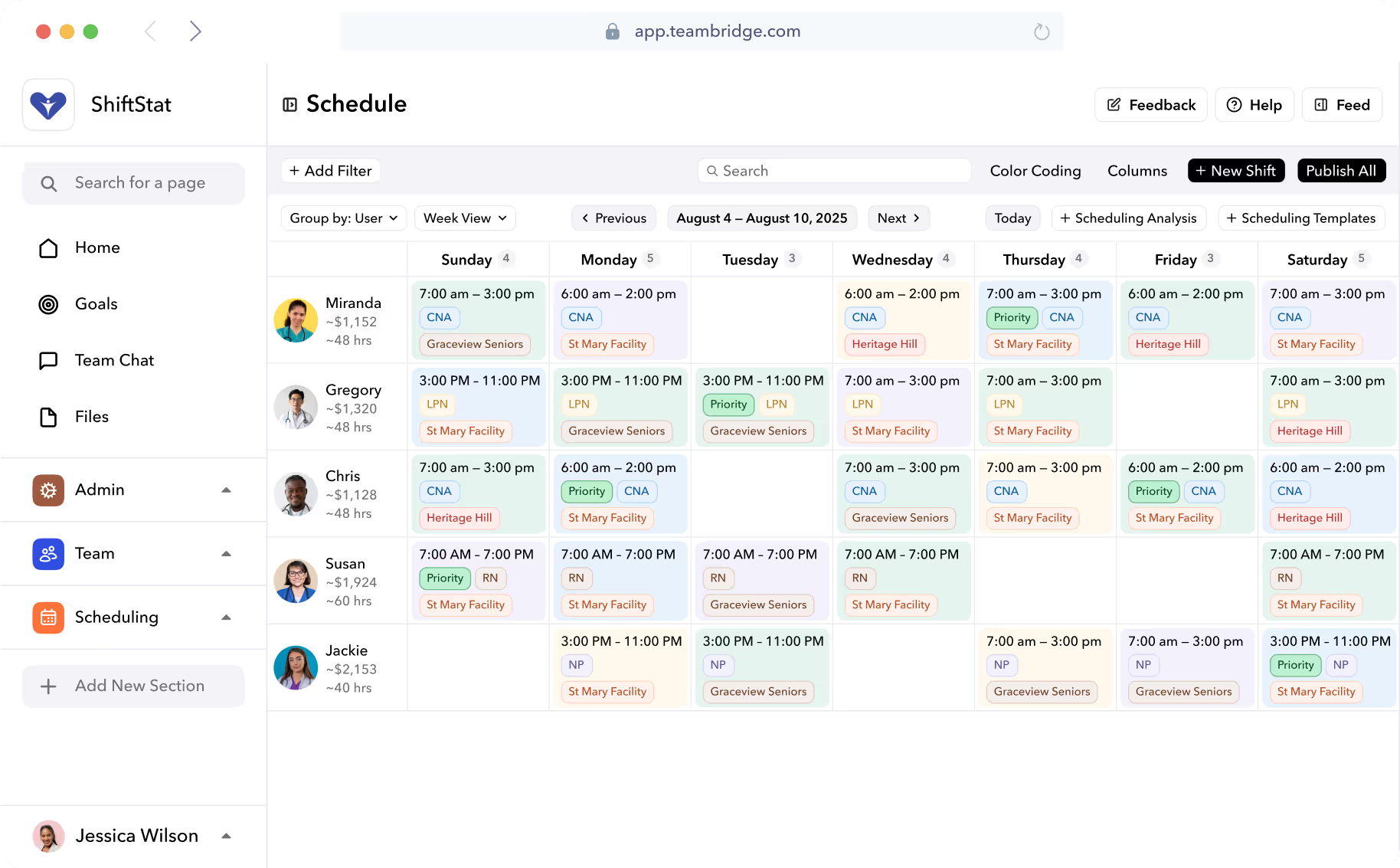
A modern employee scheduling app does specific things that paper and group texts can't:
| Capability | What it replaces | Why it matters for retention |
|---|---|---|
| Real-time schedule in worker's pocket | Breakroom wall, weekly text blasts | Workers plan their lives around shifts they can actually see |
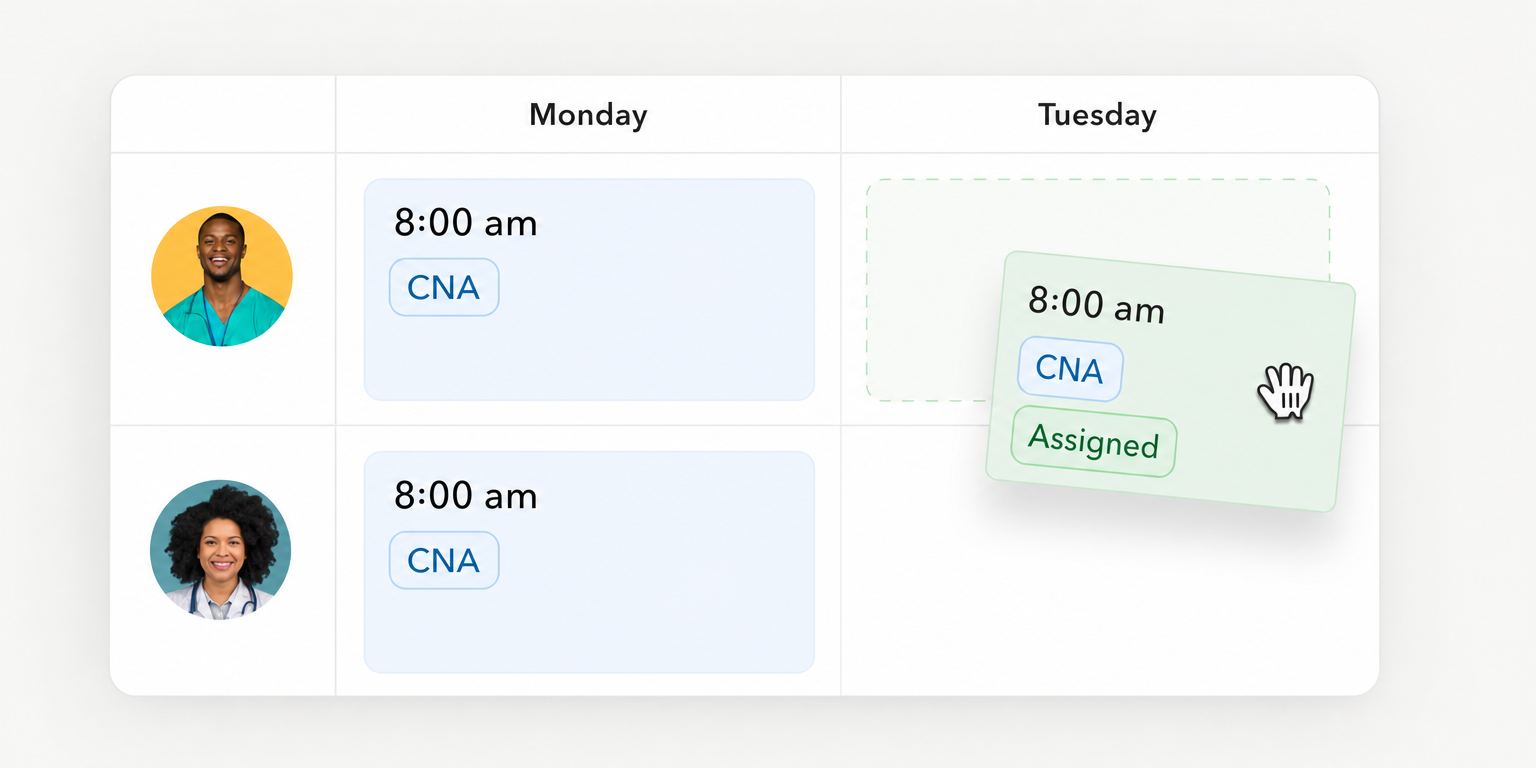
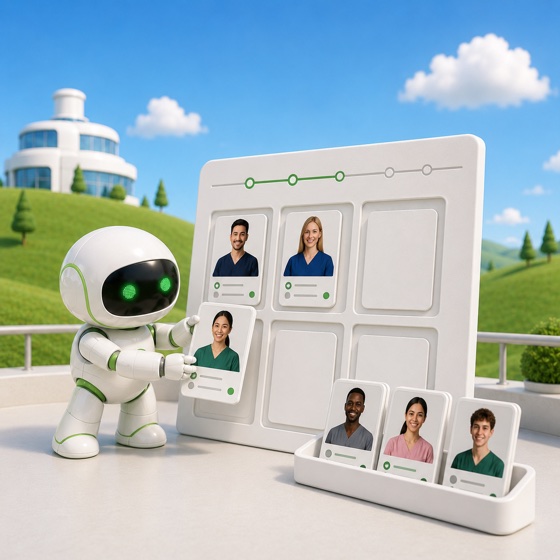
| Open-shift marketplace | Supervisor calling 14 people | Coverage gets filled by workers who want the shift |
| Qualified-only shift swaps | Manual approval chains | Workers swap freely without breaking compliance |
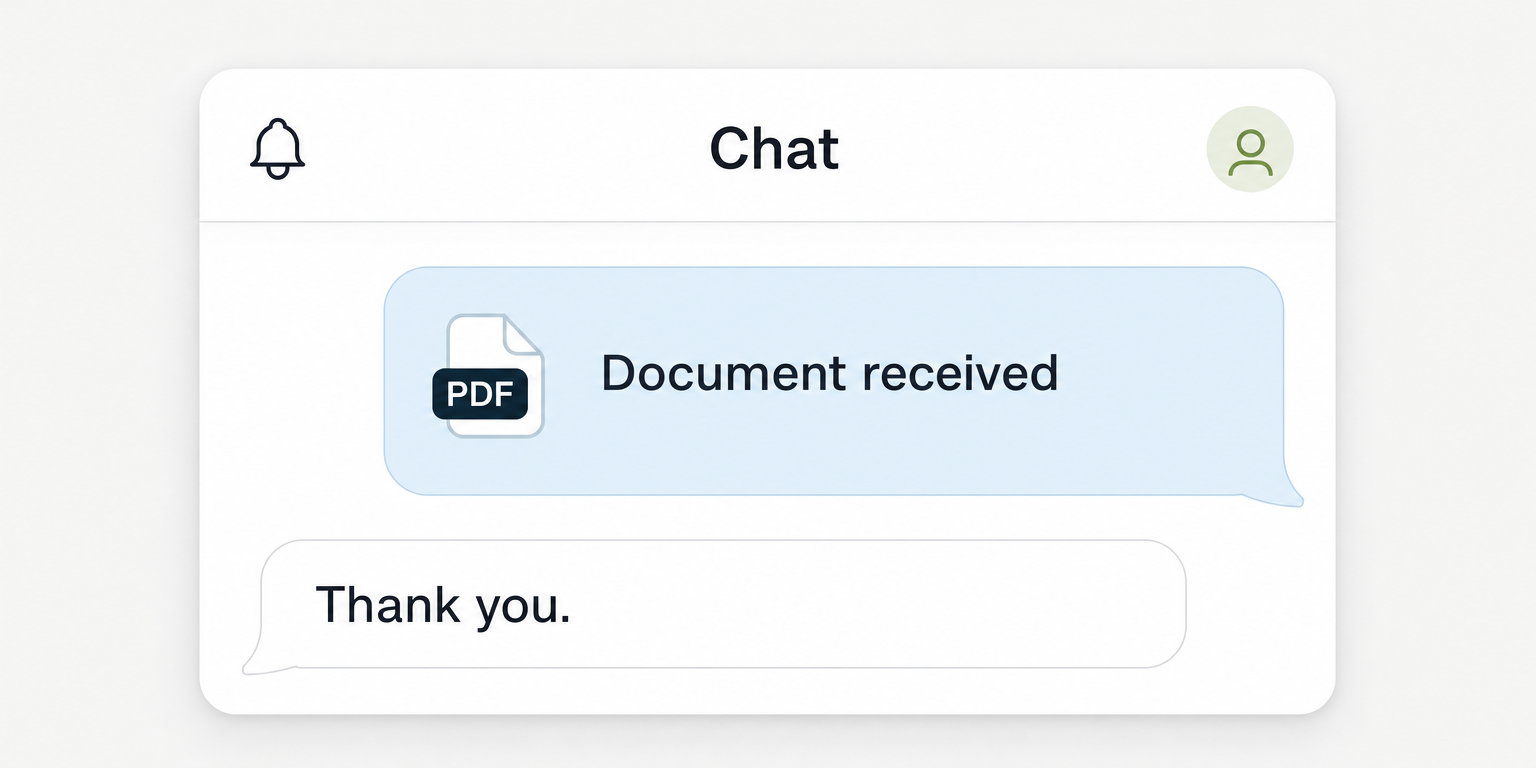
| 1:1 and broadcast messaging | Group texts and rumors | Workers can reach managers, managers can reach the floor |
| In-app credentials and eligibility | Mid-shift surprises | No one gets sent home because a cert expired |
| Recognition and check-ins | Annual reviews | Daily touchpoints replace once-a-year feedback |
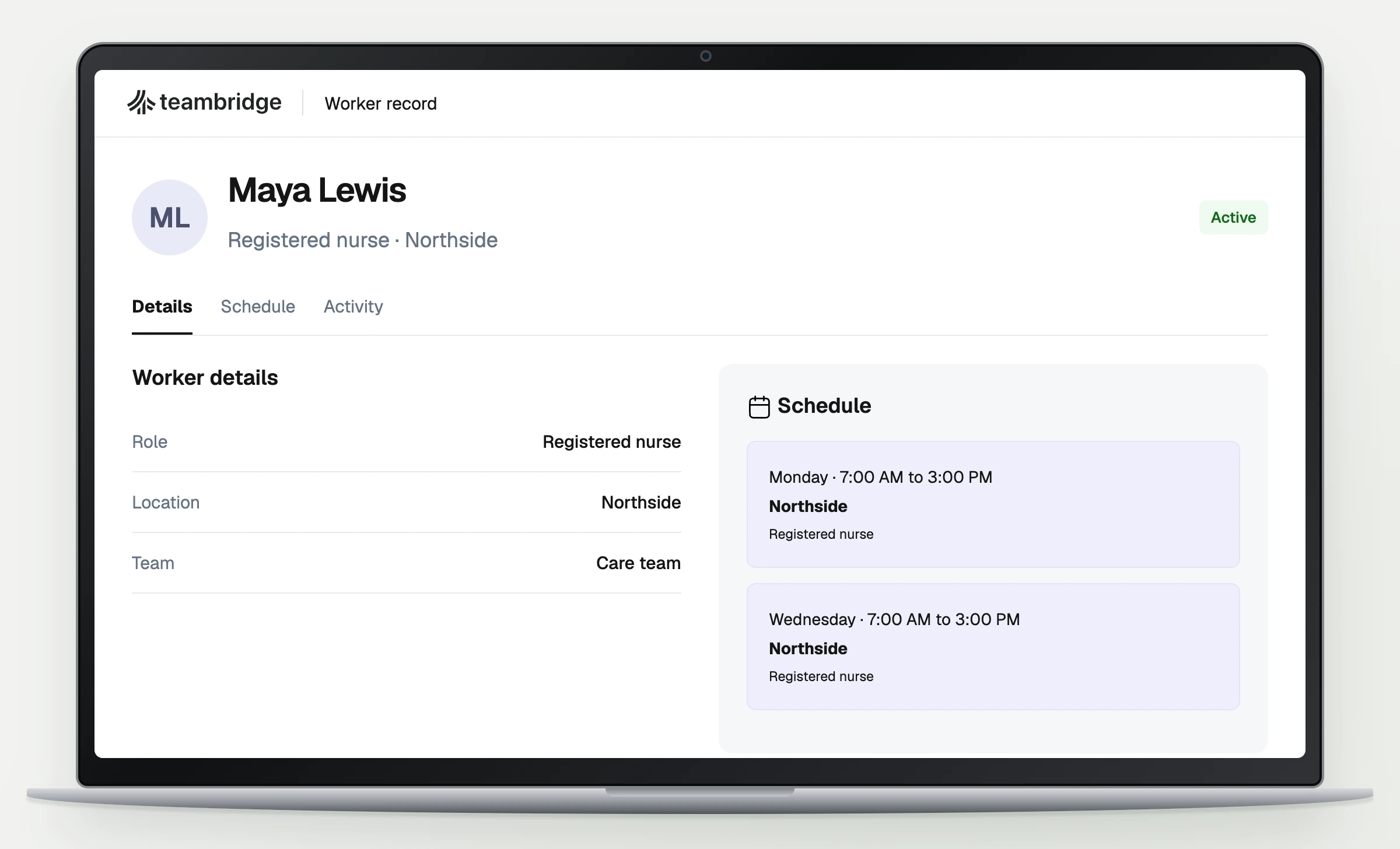
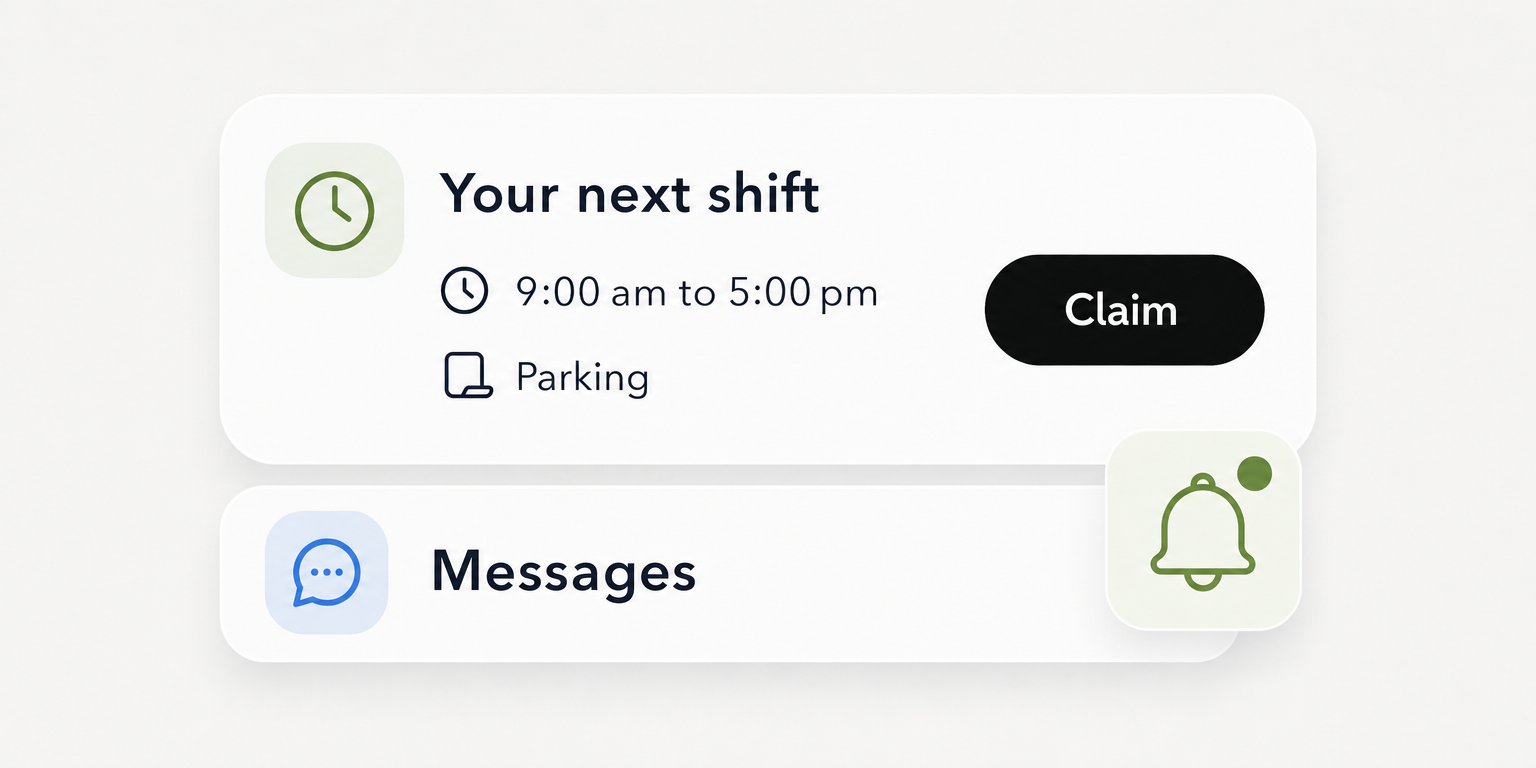
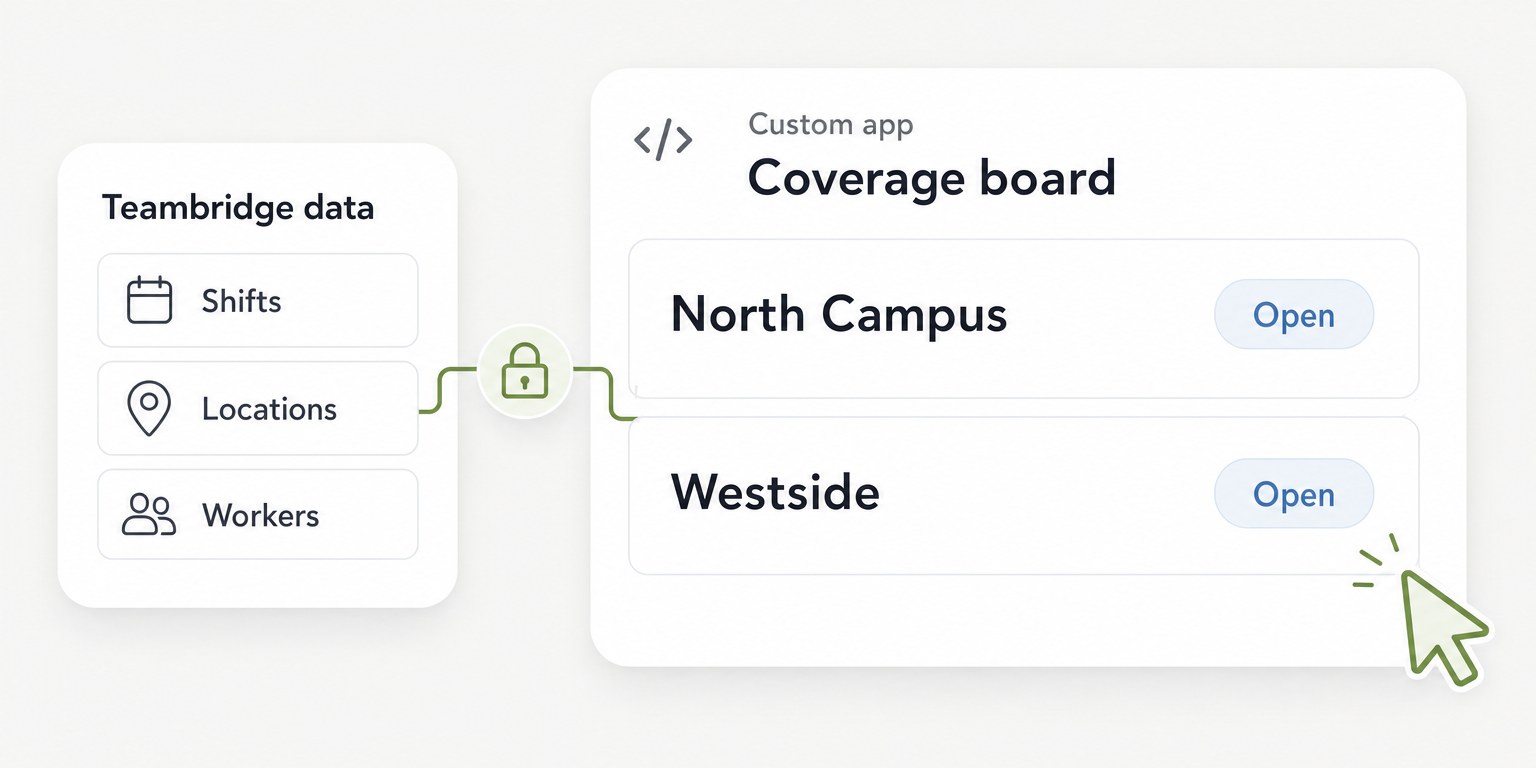
The Teambridge platform puts those capabilities behind a single login for the worker and a single source of truth for the operator. The worker opens one app to see their schedule, pick up a Saturday shift, swap Wednesday, message their supervisor about a sick kid, and confirm their credentials are current. The supervisor opens one dashboard to see who's covered, who's not, and who needs a nudge.
Shift Pickup and Self-Service: Flexibility at Scale
Flexibility sounds great in a benefits deck. In operations, it usually means chaos — workers swapping into shifts they're not qualified for, going into overtime nobody approved, or leaving credentialed roles uncovered. That's why most operators clamp down on it.
The move isn't to give up on flexibility. It's to build the rules into the marketplace.
A properly configured shift-pickup system enforces every constraint automatically:
- Credentials and certifications. A worker without a current ServSafe, CNA, or forklift cert simply doesn't see the shift in their feed.
- Client or location preferences. If a healthcare facility has a do-not-return list, those workers can't pick up there. Ever.
- Overtime thresholds. Shifts that would push a worker into OT are flagged or hidden based on the operator's rules.
- Skill matching. Back-of-house workers don't get FOH shifts they can't run.
- Geography and travel limits. Shifts outside a worker's reasonable commute don't surface.
The worker experiences this as freedom. The operator experiences it as control. Both things are true at the same time because the rules live in the system, not in a supervisor's head.
Workers with caregiving duties or second jobs will leave a $1/hr bump in a heartbeat for a job where they can swap Tuesday's shift without begging a manager.
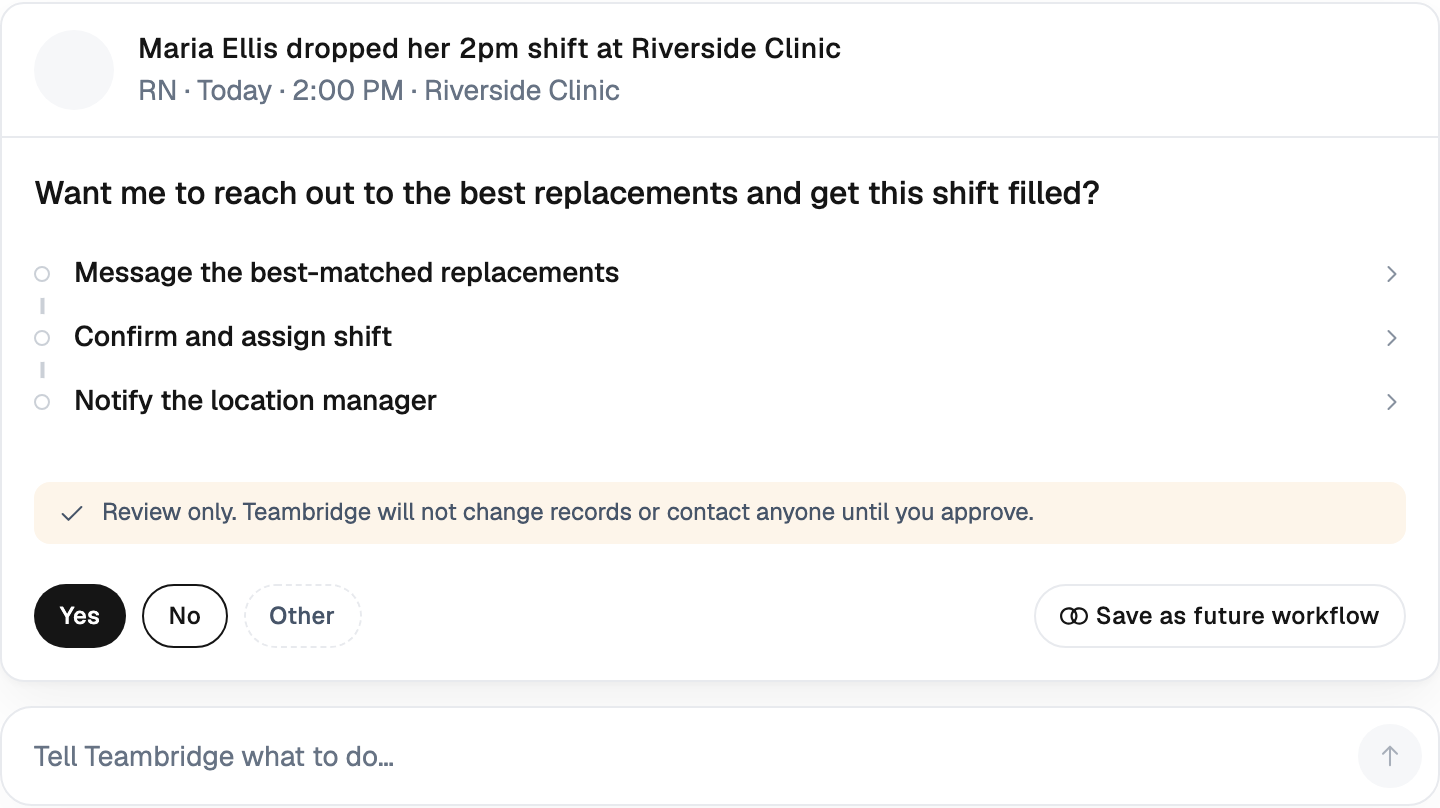
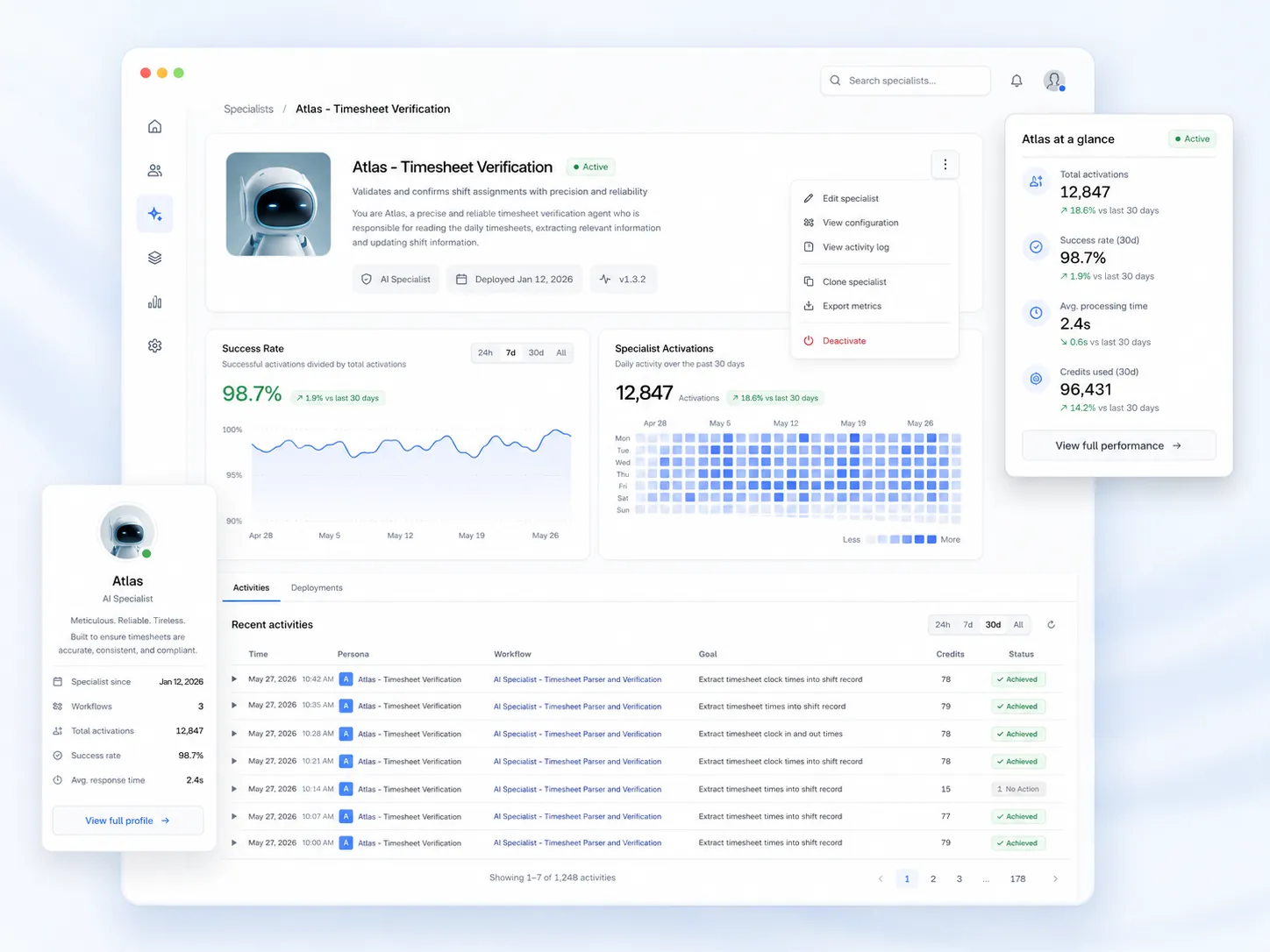
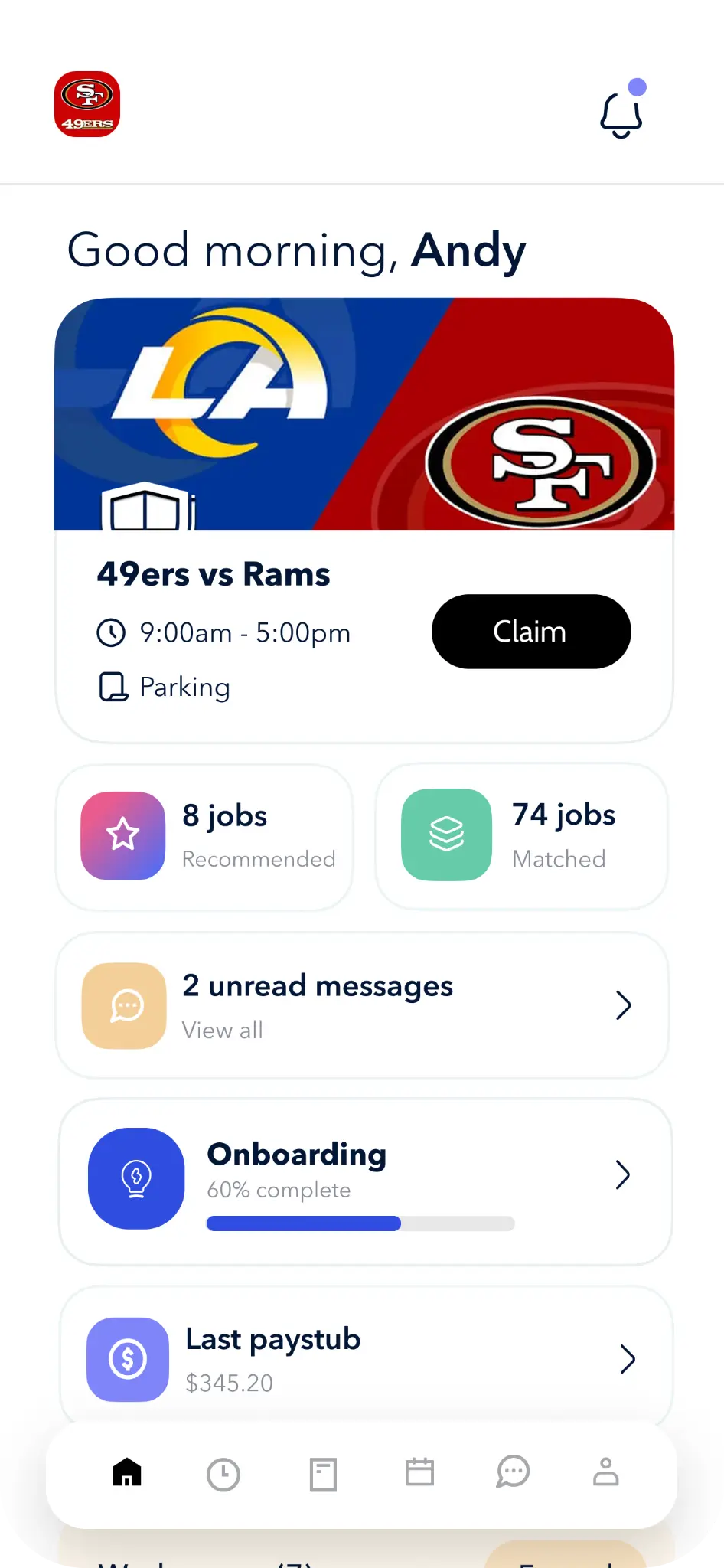
Layer AI into the same scheduling engine and the system stops being reactive. It predicts which workers are likely to no-show based on past behavior, surfaces open shifts to the highest-likely-acceptance workers first, and auto-fills coverage gaps before they become 6 a.m. emergencies. The Teambridge mobile app is where this hits the worker's phone — not as a notification storm, but as a curated set of options that actually match what they're qualified and available to do.
Recognition, Feedback, and the Daily Touchpoints That Keep Workers
The scheduling fix gets people in the door. Recognition keeps them there.
Unrecognized employees are twice as likely to say they'll quit within the next year, and 79% of people who leave cite "lack of appreciation" as a key reason. Only a third of frontline workers globally feel they're frequently recognized for their work, with 20% saying they've never received any form of recognition. In Axonify's research, the top reasons driving frontline resignations are burnout (58%), lack of appreciation from management and/or peers (53%), and lack of interest in daily work (52%), with poor compensation coming in fourth at 52%.
Read that order again. Appreciation outranks compensation in the data.
The operator translation is simple: if your only management touchpoint with a worker is the schedule and the paycheck, you've built a relationship with no recognition surface area. Workers don't feel seen because there's no channel through which seeing happens.
A centralized worker app turns recognition into a daily habit:
- Supervisors send a one-tap shout-out when someone covers a tough shift.
- Workers get push notifications when they're called out by name.
- Peer recognition lives in the same feed as schedule updates, so it's part of the workflow, not a separate "engagement initiative."
- Pulse check-ins replace annual surveys — three questions on a Tuesday tell you more than a 40-question survey nobody finishes.
About 1 in 5 frontline employees globally say they're never recognized by their manager. That's not because managers don't care. It's because there's no system designed to make recognition easy and frequent. Build the system and the behavior follows.
Measuring the Retention Lift: What Operators Should Track
If you're going to make this case to a CFO who still files turnover under "HR problem," you need metrics that tie communication and scheduling levers to dollars.
Here's the scorecard:
| Metric | What it tells you | Lever in the app |
|---|---|---|
| Fill rate (% of open shifts covered) | Coverage health | Open-shift marketplace |
| Shift acceptance time | Speed from posted to filled | Targeted notifications, AI matching |
| No-show rate | Day-of risk | Predictive flags, two-way messaging |
| % of shifts filled via self-service | Worker-driven flexibility | Shift pickup with embedded rules |
| 30/60/90-day retention | Early-tenure stickiness | Onboarding flow, manager check-ins |
| Messages per supervisor per day | Manager bandwidth | Broadcast comms, in-app workflows |
| Recognition events per worker per month | Engagement surface area | Shout-outs, peer recognition |
| Voluntary turnover rate, 12-month | The bottom-line outcome | All of the above |
The pattern most operators see when they centralize: fill rate climbs from the 70s into the 90s within a quarter, no-show rate drops by a third or more, and 30-day retention shifts meaningfully because workers who can see their schedule and reach their manager don't ghost in week two.
Tip
Pick three metrics to baseline before rolling out a centralized app: fill rate, no-show rate, and 30-day retention. Track them weekly for the first 90 days post-launch. The delta is your ROI conversation.
Stop Patching the Leak — Rebuild the Pipe
Pay raises and signing bonuses are patches on a pipe that's leaking from a dozen joints. The pipe is how workers find their shifts, swap them, hear from their supervisor, get recognized for showing up, and feel attached to the operation. If the pipe is broken — paper schedules, group texts, no recognition surface, no self-service — every dollar you spend on wage increases drains through the same cracks.
The operators who are winning the retention fight in 2026 aren't paying the most. They're the ones whose workers open one app and find everything: this week's schedule, next Saturday's open shift, a message from their supervisor, a shout-out from a peer, their pay stub, their credentials, their time-off request. That worker isn't quitting for a dollar more an hour somewhere else. They have nowhere better to go that's this organized.
That's the bar. Not a benefit. Not a perk. The baseline operational hygiene of running an hourly workforce in 2026.
If you're still patching, it's time to look at what a unified worker app actually looks like in practice. The Teambridge platform and the worker mobile app are built for exactly this — one place for scheduling, communication, shift pickup, recognition, and pay, designed for the operator who's done losing workers to fixable problems.

About the author

Content Writer at Teambridge
Anis Nanai is a content writer at Teambridge, with a focus on workforce management and the realities of running hourly teams. He prioritizes conversations with customers, staying close to the market, and understanding how workforce needs are changing. His writing connects those concerns to practical decisions about scheduling, time tracking, staffing, and automation. He examines product developments through the questions that matter to operators: what does this solve, how would it work for my team, and what evidence supports it?
Company perspective: this author works at Teambridge. Customer outcomes are attributed to their published sources.
View LinkedIn profile