A guard clocks in at 2200. They walk the first tour at 2230. Then the post sits dark until the relief comes on at 0600. The timecard says eight hours. The invoice goes out the next week. Nobody notices anything is wrong until the client pulls camera footage after a break-in and asks why their officer was sitting in the lobby chair from midnight to dawn.
This is the post coverage gap. It's the single most expensive operational failure in contract security, and it almost never gets caught by the systems most firms have in place. Scheduling software says the shift was filled. The patrol app says — well, the patrol app says nothing, because the rounds were never logged. The timecard system processes the hours and pays the guard. The invoicing system bills the client. Everyone gets paid for coverage that didn't happen, until the day someone audits.
The fix isn't another standalone patrol app. It's tying tour verification directly to the timecard and the invoice, on a single record, so a missed round becomes an exception before the hours are billed.
The 3 a.m. Problem: Why Post Coverage Gaps Go Undetected Until the Client Pulls Footage
Overnight contracts are where service quality goes to die. The guard is alone. The supervisor is asleep or covering three other accounts. The client's facility manager is at home. The only witness to whether the 0100 and 0300 rounds actually happened is a security camera nobody watches in real time.
Layer in the workforce reality. The U.S. security industry experiences approximately 50.8% annual turnover, significantly higher than the 38.4% rate across all industries. The security services sector had a turnover rate of 77.0% in 2024, compared to the pre-pandemic rate of 69.3% in 2019, according to UC Berkeley Labor Center analysis cited by Drone Strategic Partners. Some contract firms churn through 100% to 300% of their workforce annually.
That churn isn't an HR statistic. It's the reason your 0300 patrol pattern is inconsistent. When experienced guards leave, their replacements need time to learn site-specific protocols, client preferences, and threat patterns. During that learning curve, service quality drops. Research shows that security breach detection rates decline by 0.62% for every percentage point increase in turnover.
Now add fatigue. Overnight guards working solo posts are the most likely to skip rounds, shorten patrol routes, or log them retroactively from the desk. Supervisors don't notice because the system they're looking at — the timecard — says the guard is on shift. The system that would tell them otherwise — the patrol log — lives somewhere else, if it exists at all.
By the time the client asks questions, the hours are already invoiced.
Warning
If your supervisors only learn about missed rounds in a Monday morning report, you're learning about revenue leakage after it's already been billed. The window to fix it has closed.
Where the Money Actually Leaks: Billed Hours vs. Verified Coverage
Post coverage gaps are not just a security incident risk. They're a direct hit to revenue, and the leakage shows up in five specific ways:
- Guards clocked in but skipping rounds. Hours billed, coverage not delivered.
- Ghost tours logged retroactively. The 0100 round gets scanned at 0530 when the guard remembers.
- Missed checkpoints written off as completed. No supervisor disposition, no audit trail.
- Disputed invoices clawed back. The client audits, finds gaps, demands credits.
- Contract non-renewal. The biggest leak. The client doesn't renew, and you don't always know why.
The disconnect between scheduling, patrol, time tracking, and billing is what makes this invisible. These silos become problematic during customer onboarding, service delivery, and contract modifications. When information doesn't flow smoothly between customer-facing teams and back-office operations, businesses lose track of billable activities and fail to capture revenue they've legitimately earned.
How much revenue? Across service industries, the benchmarks are remarkably consistent. Research suggests organizations can lose between 1% and 5% of their earnings before interest and taxes (EBIT) or EBITDA due to revenue leakage. In some sectors with complex billing and contract structures, such as subscription‑based services or professional services, leakage can amount to 5% to 8% of revenue. Sirion puts the enterprise range higher: revenue leakage in large enterprises ranges from 2% to 9% of annual revenue — often exceeding the impact of pricing optimization.
Do the math on a single contract. A 12-hour overnight post at a $35/hour bill rate is $420 a night. Two missed rounds per shift, where each round represents 20 minutes of unverifiable coverage, is roughly $233 of unsupportable billing per night. Across 30 nights, that's $7,000 of exposure on one post. A firm running 40 overnight posts is looking at $280,000 a year in leakage that lives entirely in the gap between the patrol log and the timecard.
Why Standalone Guard Tour Apps Don't Close the Gap
The typical security operations stack looks like this:
| System | What it knows | What it doesn't know |
|---|---|---|
| Scheduling tool | Who was assigned to the post | Whether they showed up |
| Time clock app | When the guard punched in and out | Whether they patrolled |
| Patrol/tour app | Which checkpoints were scanned | Whether the guard is still on the clock |
| Invoicing system | How many hours to bill | Whether those hours were verified |
Four systems. Four sources of truth. Zero reconciliation. The guard's phone has the patrol app. The supervisor's laptop has the schedule. The payroll clerk has the time clock export. The billing manager has QuickBooks. Nobody sits at the intersection.
When the patrol app and the timecard don't talk to each other, a guard can be "on shift" for eight hours and "completed two of six rounds" — and the timecard still bills as if all eight hours delivered full coverage. The exception only surfaces during a manual reconciliation, which most firms do monthly, if at all. By then the invoice is out the door and the client has either paid it or noticed it.
Many companies rely on month-end or quarter-end reconciliation processes that identify problems weeks or months after they occur, making recovery efforts more difficult and less effective. In security, weeks-late means the client has already lost confidence.
Real-Time Exception Alerts: Catching a Missed Round Before the Client Does
The first operational fix is mechanical. Configure tour rounds as scheduled events tied to the shift, with geofenced checkpoints and time windows. When a checkpoint is missed by more than a defined threshold — say, 15 minutes past the scheduled window — the system pushes an alert to the supervisor on call. Not in the morning report. Now.
What "good" looks like:
- Geofenced checkpoints at every patrol point on the property, with a defined radius (typically 50 to 150 feet).
- Time windows for each round, not just a daily count. The 0100 round must be completed between 0045 and 0115.
- Push alerts to the on-duty supervisor when a window closes without a scan.
- Escalation chain — if the supervisor doesn't acknowledge within 10 minutes, alert the operations manager.
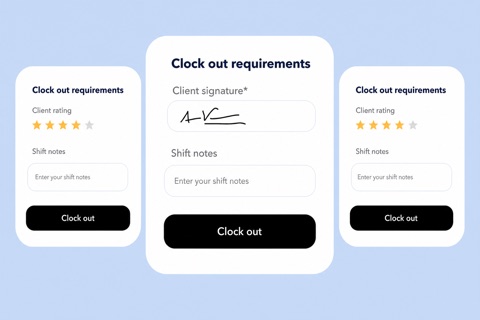
- Automatic timecard exception flag so the missed round is documented against the shift, not just the patrol log.
- Documented response — supervisor calls the post, confirms status, dispatches if needed, notes the disposition.
This is the difference between learning about a coverage gap from your client and learning about it from your own system at 0116.
Tip
The point of real-time alerts isn't to punish guards. It's to give supervisors a chance to respond before the contract takes the hit. A documented response to a missed round — guard contacted, status confirmed, round completed at 0125 — is a recoverable event. A silent gap is not.
Tying Tour Verification Directly to the Timecard and Invoice
Real-time alerts close the response gap. The structural fix closes the billing gap.
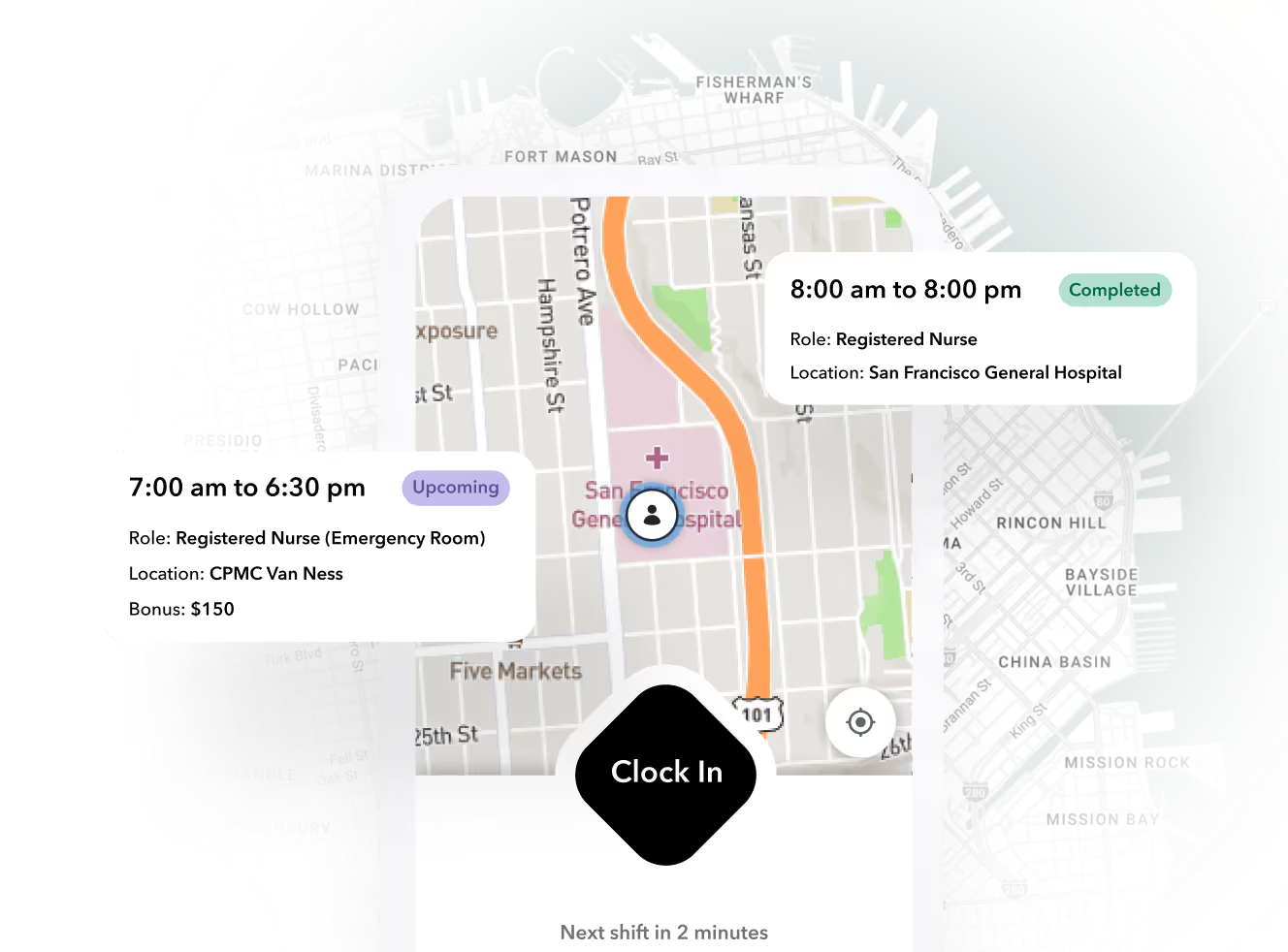
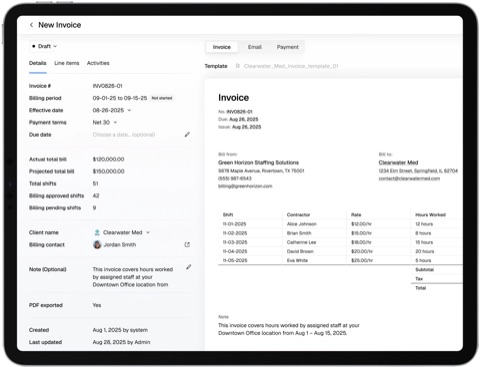
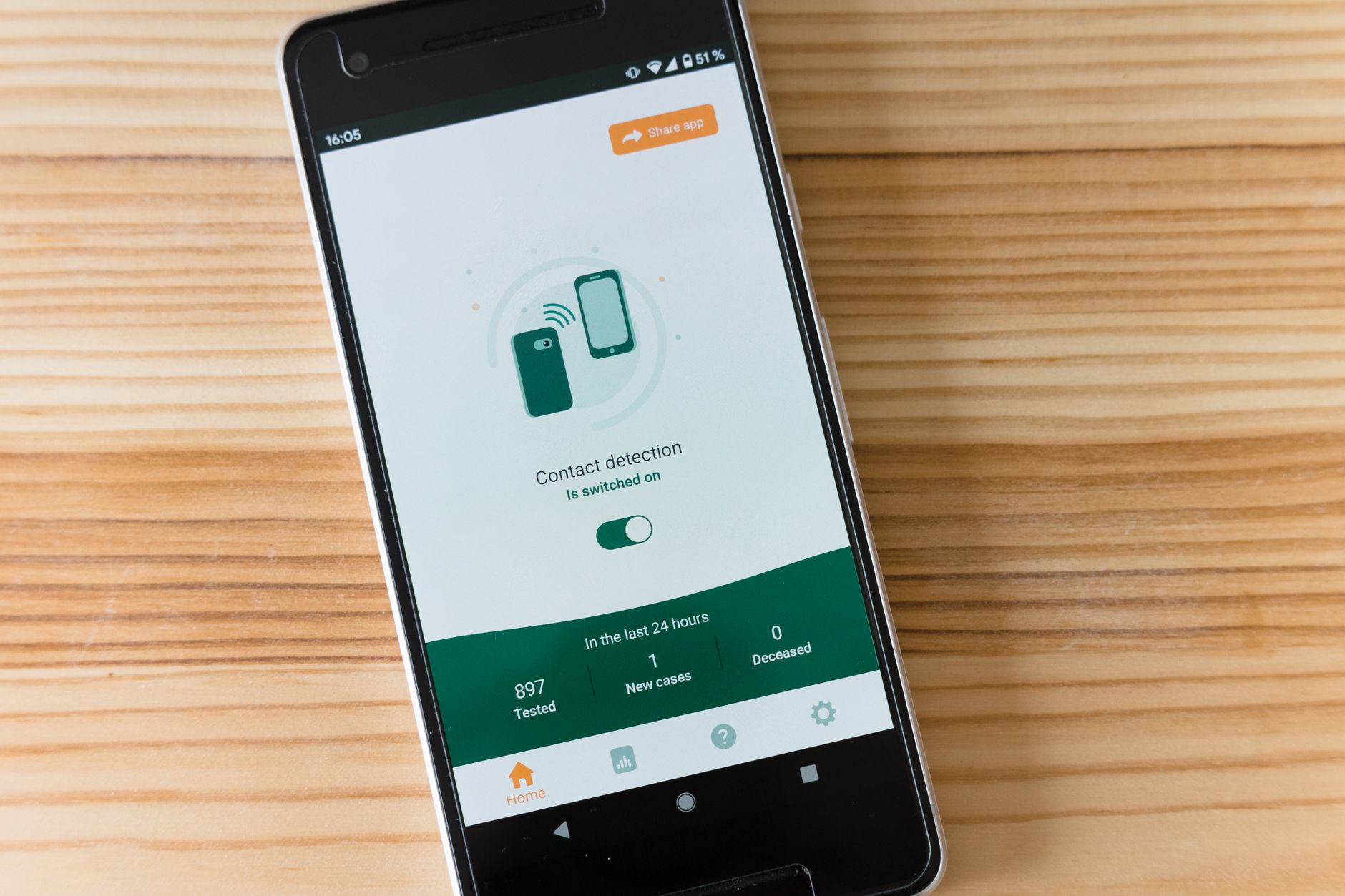
Every billable hour should map to verified field activity. That means GPS-confirmed clock-in, completed tour rounds, and checkpoint scans all live on the same record as the timecard and the invoice. When tour data flows into the same system that produces the timecard and the client invoice, exceptions surface before billing — not after.
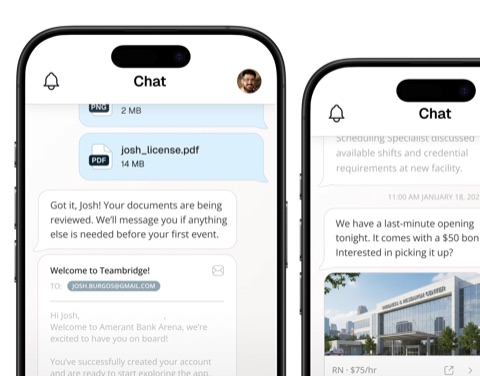
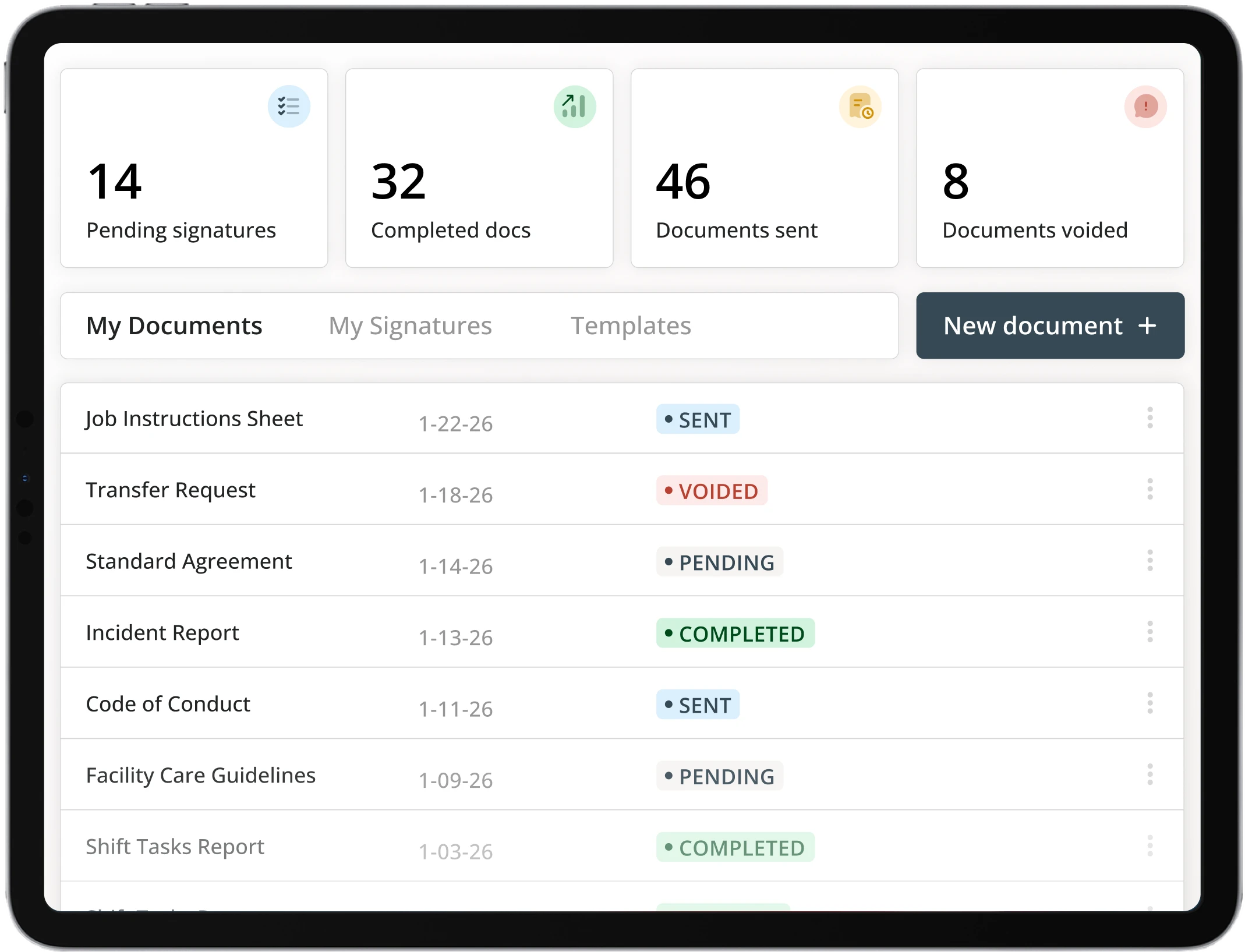
This is where Teambridge's security operations model is built differently. Scheduling, GPS-verified time tracking, guard tour verification, and invoicing operate on one record. A missed round automatically becomes a timecard exception. The timecard exception flows into the invoice as an adjustment or a hold, depending on how the contract is configured. Reconciliation isn't a monthly project. It's an automatic byproduct of how the data is captured.
The practical result:
- Clock-in is GPS-stamped. No off-property punches.
- Each tour round is a scheduled event tied to the shift, with a checkpoint scan requirement.
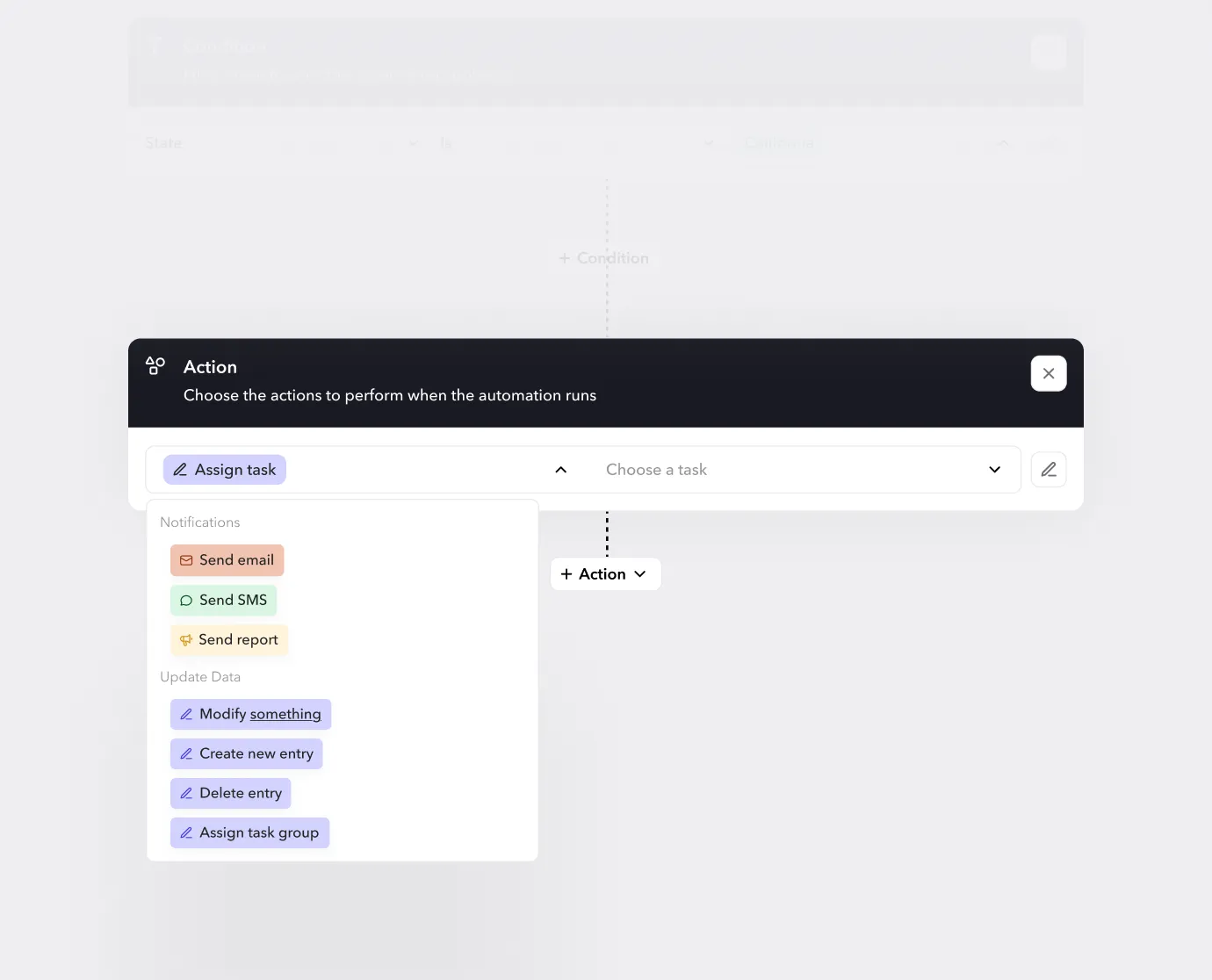
- Missed rounds raise an exception flag on the timecard automatically.
- The invoice can't be generated until the exceptions are dispositioned.
- The audit trail is one document, not four exports stitched together in Excel.
The single biggest operational lever in contract security isn't a better patrol app. It's putting the patrol data and the billing data on the same record so they can't disagree.
Building a Defensible Audit Trail for Overnight Contracts
When the client asks for proof — and on overnight contracts they will, eventually — what you hand them matters. A clean audit trail per shift includes:
- Clock-in location and timestamp (GPS-verified).
- Every tour round with checkpoint timestamps and the guard who logged them.
- Any exceptions raised during the shift and how they were resolved.
- Supervisor sign-off on the shift and the dispositions.
- The invoice line items mapped back to verified hours and verified rounds.
This is the document that wins contract renewals and survives chargeback disputes. It's also the document that protects bill rates against video-monitoring competitors. The guard shortage is accelerating an industry transition that was already underway: the shift from labor-intensive manned guarding toward automated security technology. The economics are clear — a robotic patrol system costs $7–$11 per service hour compared to $25–$45 per hour for a fully burdened guard, with superior coverage consistency, zero fatigue, and no turnover.
The firms that defend their rates are the ones that prove their coverage. Transparency isn't a marketing add-on; it's the moat. Client portals and shared visibility are increasingly table stakes. If your competitor can show the client a real-time dashboard of every checkpoint scan and every exception disposition, and you're still emailing PDF patrol logs at month-end, the renewal conversation is already lost.
Teambridge customers in security operations typically expose a read-only client view of the same audit data their internal team uses. The client doesn't need to ask for proof; they can see it. That changes the dynamic of every renewal and every incident review.
Operational Checklist: 7 Controls to Implement This Quarter
If you're running overnight contracts and you don't have these seven controls in place, post coverage gaps are leaking revenue right now. None of these require a six-month implementation. All of them are achievable inside a quarter.
- Define tour cadence per post in writing. Document the required rounds, time windows, and checkpoints for every overnight account. If it's not in the post orders, it's not enforceable.
- Geofence every checkpoint. Physical tags or GPS coordinates, with a defined radius. No checkpoint scan from outside the perimeter counts.
- Set missed-round alert thresholds. 15 minutes is a reasonable starting point. Faster for high-risk accounts.
- Require supervisor disposition on every exception. A missed round without a documented response is the same as a missed round that didn't happen.
- Reconcile tour completion against billable hours weekly, not monthly. Catch gaps before invoicing, not after.
- Add tour-verification reporting to the client's monthly package. Don't wait for them to ask. Lead with the data.
- Pull the data into one platform so reconciliation isn't a manual job. Scheduling, time tracking, tour verification, and invoicing on a single record.
Important
Item 7 is the one most firms skip. They install a better patrol app, a better time clock, a better invoicing tool — and end up with three better silos. The leverage is in the integration, not the individual tools.
The overnight post is where contracts are won and lost. Not in the sales meeting. Not in the proposal. At 0300, when the round either happens or it doesn't, and somebody's system either knows about it or it doesn't.
If you want to see how Teambridge wires guard tour verification into time tracking and invoicing on a single record — and what a clean overnight audit trail actually looks like in production — start with the security operations overview. The math on closing 3 to 5 percent of revenue leakage across your overnight book usually pays for the platform in the first quarter.