Most home health care software was built around the EHR. Care plans, OASIS, claims — the chart sits at the center, and everything else is treated as a side concern. That made sense fifteen years ago. It does not match how the work actually fails today.
The operational pain in 2026 is not documentation. It is missed visits, late clock-ins, expired CNA certs, GPS drift on EVV, and a coordinator working the phones at 6am trying to backfill a call-out. The agencies that are surviving the workforce crisis are picking platforms built around the distributed caregiver, not the chart.
The Real Operational Problem: Distributed Caregivers, Centralized Software
Home health is one of the fastest-growing categories in US healthcare. Home healthcare had the biggest increase between 1980 and 2024, with spending rising more than 1,771% from $9.1 billion to $169.4 billion. In 2024, home health care experienced an 8.5% average annual growth. The category is expanding faster than the workforce or the tooling can keep up with.
Meanwhile the workforce is collapsing. The current industry-wide caregiver turnover rate is 79.2%, and home care turnover has increased by more than 12% over the past two years. Nearly four out of five caregivers leave their job within the first 100 days of employment. That is a workforce ops failure, not a clinical one.
The day-to-day pain points are operational:
- A caregiver forgets to clock in at a patient home and the visit is unbillable.
- A CNA certification expires on a Tuesday and Wednesday's three visits trigger payer denials.
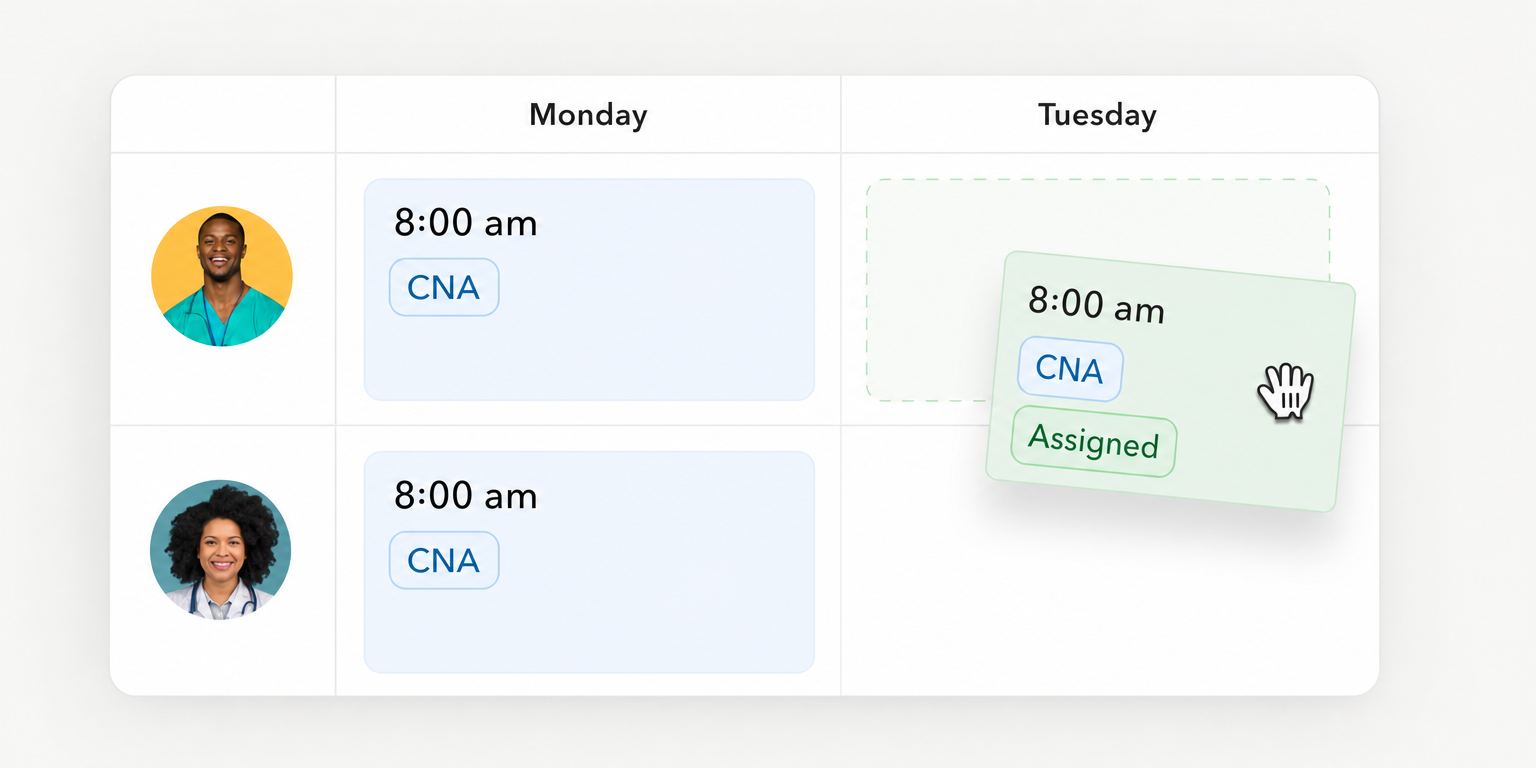
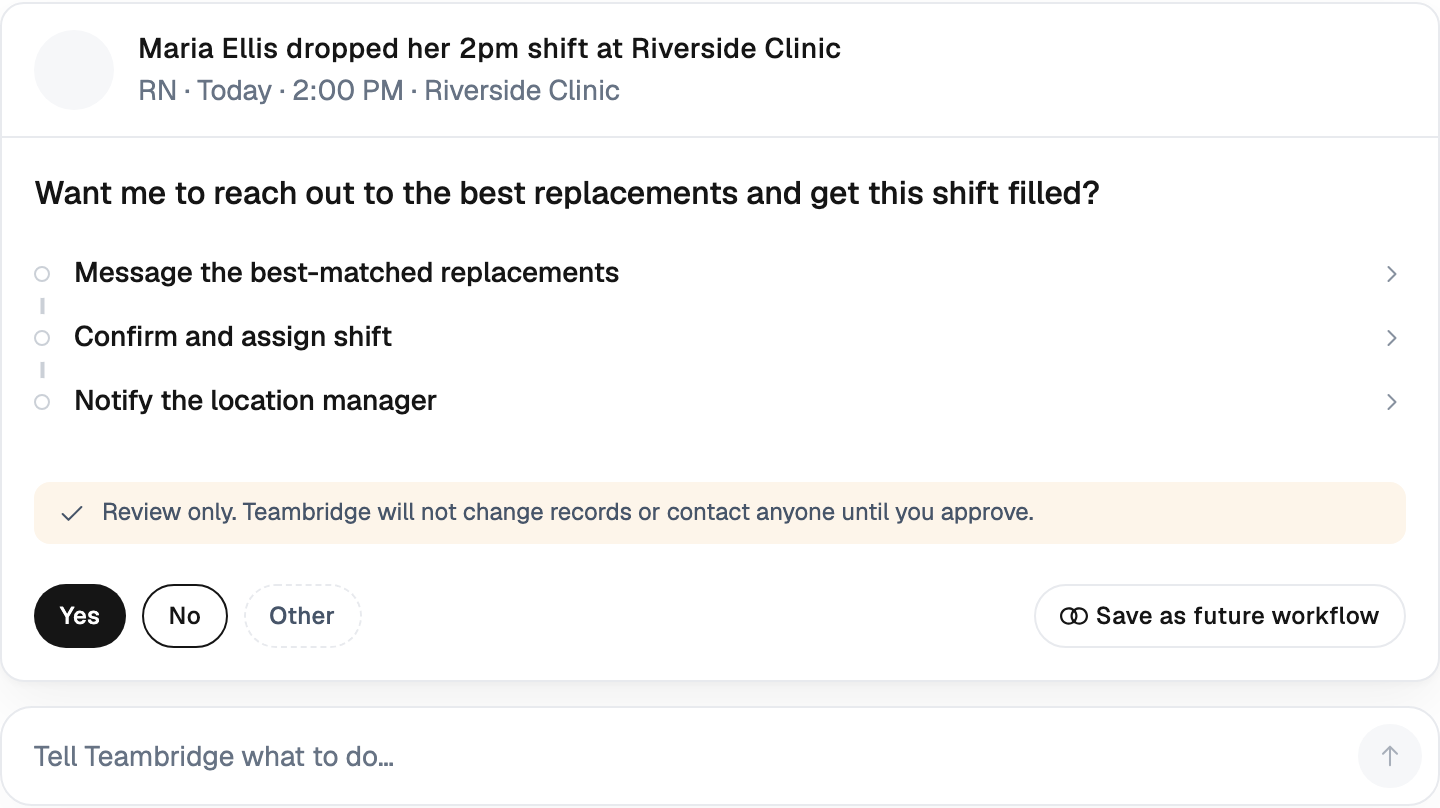
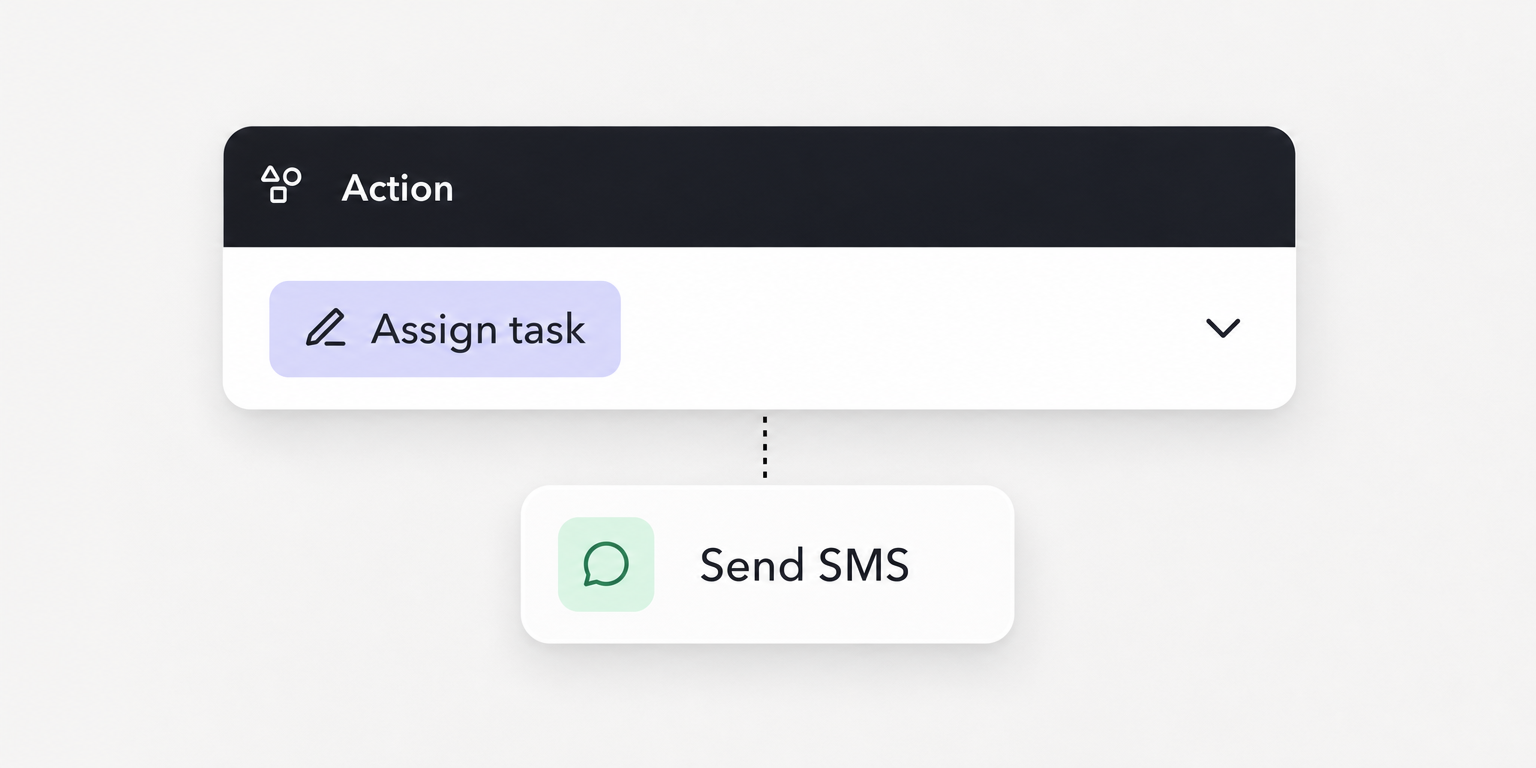
- A call-out at 5:45am goes to a coordinator instead of an auto-fill workflow.
- A new hire takes nineteen days to get to a first shift and ghosts on day twelve.
None of those problems live in the EHR. They live in the workforce layer that most agencies have under-invested in for a decade.
The workforce layer is the bottleneck. The chart is downstream of whether anyone showed up.
What Home Health Care Software Has to Cover in 2026
There is no single "home health platform." There is a stack. Agencies that pretend otherwise end up paying for overlap or running on spreadsheets between systems.
| Layer | What it does | Common tools |
|---|---|---|
| Clinical | EHR, OASIS-E, care plans, eMAR | Homecare Homebase, MatrixCare, WellSky |
| Financial | Claims, RCM, AR, payroll export | Waystar, billing-side EHR modules |
| Patient management | Intake, referrals, remote monitoring | EHR modules, point solutions |
| Workforce ops | Scheduling, EVV, credentials, time, pay, communication | Teambridge, point solutions, spreadsheets |
The workforce ops layer is where most agencies still run a mix of three or four tools — a scheduler, a separate EVV app, a credential tracker in Google Drive, a payroll handoff over CSV. That stack is the reason the same caregiver gets scheduled past their credential expiry, the same call-out goes unfilled, and the same exception sits in a queue for nine days until the correction window closes.
Generic healthcare software fails distributed caregivers because it was designed for facility-based work. A nurse on a med-surg floor does not need a mobile-first credential workflow that text-messages them about a TB test renewal before their next visit. A home health aide driving between three patients across two counties absolutely does.
EVV Compliance Is Tightening — Your Software Has to Catch Exceptions Before Billing Does
Electronic Visit Verification has been federally mandated since the 21st Century Cures Act, but enforcement has been uneven. That changes in 2026.
Most states are strengthening EVV validation in 2026, moving from softer acceptance of data to harder validation and claims denials. Missouri announced soft-edit claims validation launching January 2026, with hard edits turning on in phases by provider type starting April 2026. North Carolina already flipped the switch — claims without the required EVV criteria will be denied.
This is not a theoretical compliance risk. A visit with an unresolved exception cannot be billed. If the exception is not resolved before the state's correction window closes, the visit becomes permanently unbillable — regardless of whether care was delivered and documented.
Warning
EVV exceptions do not sit in a queue forever. Every state has a finite correction window. A visit you delivered, documented, and signed off on can become permanently unbillable if the exception is not cleared in time.
Where EVV Actually Breaks
In the field, EVV failure looks like this:
- Forgotten clock-in. Caregiver enters the home, starts care, remembers to clock in twenty minutes later. The timestamp does not match the scheduled visit window.
- GPS drift. Apartment buildings, rural addresses, and weak cell service produce coordinates that do not match the patient's registered location.
- Manual edit cascades. A coordinator fixes the timestamp manually. The visit gets paid, but the agency's unmodified EVV compliance score drops, and the state flags the pattern.
- Service code mismatches. Once a state enforces hard edits, claims will be automatically denied if the shift does not match the EVV data exactly, including mismatches in time, service code, or visit verification status.
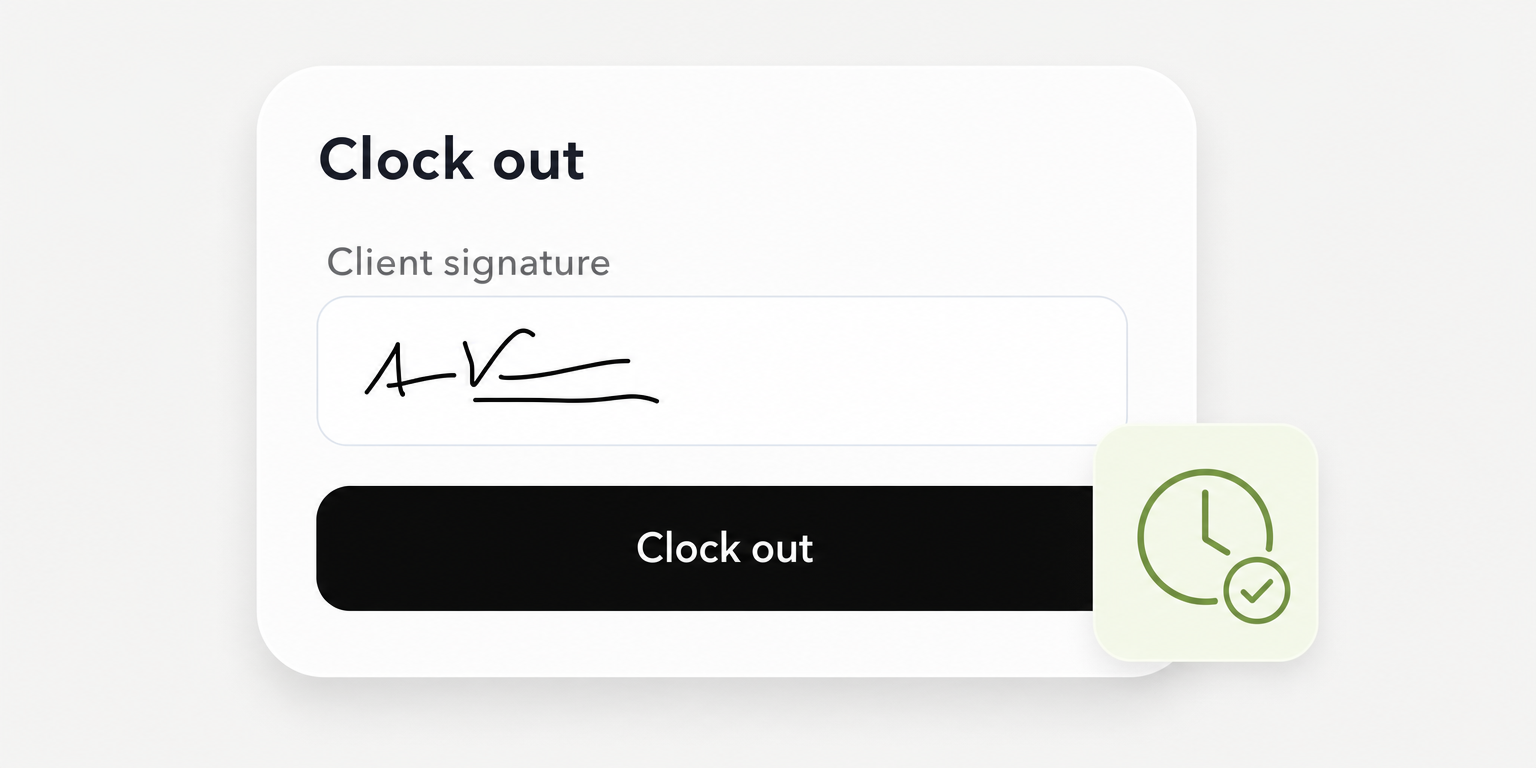
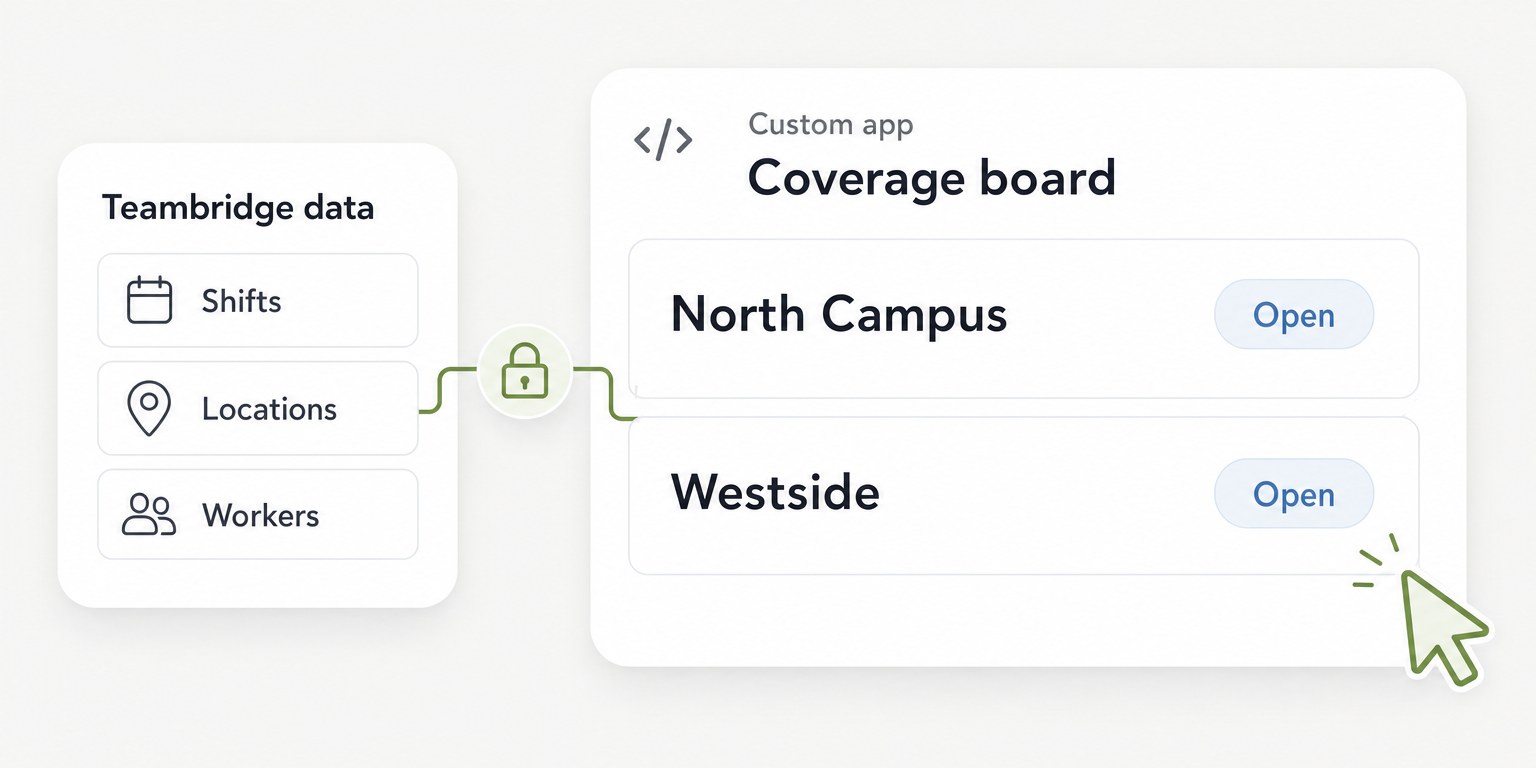
Agencies running scheduling, EVV, and billing in three separate systems do not see these problems until the denial comes back. By then the correction window is half gone. The fix is structural: EVV has to live inside the schedule, exceptions have to surface to the coordinator the same day, and the mobile app the caregiver clocks in on has to be the same one that holds their schedule. That is what Teambridge's home care platform is built around — visit verification as a property of the shift, not a separate workflow.

Scheduling Is the #1 Lever on Caregiver Turnover
The turnover number deserves a second look. The home-based care turnover rate has increased by more than 14% over the last two years to 79.2%. Most agency owners read that and assume it is a pay problem. Pay matters — providers who paid their staff above the 75th percentile saw a 35.5% decrease in turnover — but pay alone does not explain why a caregiver leaves in the first 100 days.
Scheduling does. Caregivers leave when the visits do not fit their life, when continuity-of-care breaks, when they get assigned to a client across town with no notice, or when they have to call a coordinator to pick up extra hours.
The scheduling features that actually move the retention number:
- Multi-factor matching. Skills, geography, language, client preference, and continuity-of-care all weighted into the assignment, not just "who is available."
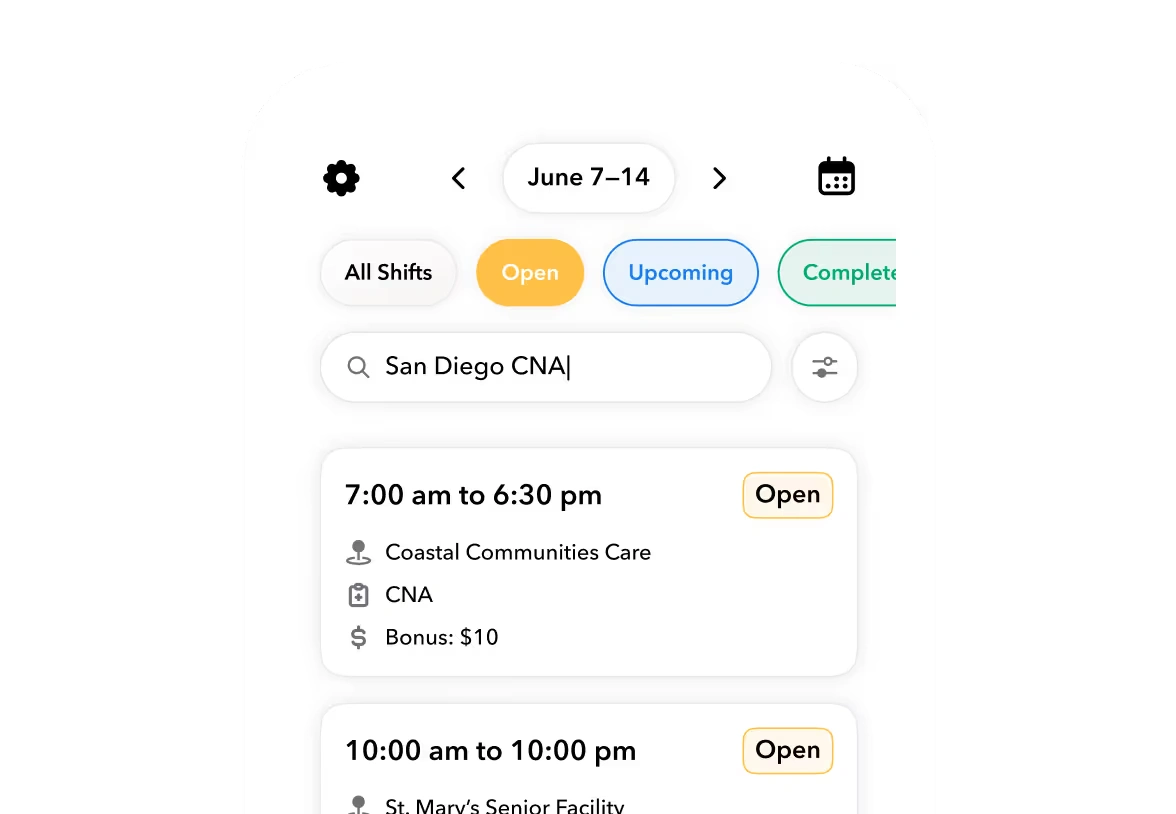
- Mobile-first shift offers. Open visits surface to qualified caregivers in the app, ranked by proximity and fit. No phone tag.
- Auto-fill on call-outs. When a caregiver calls out at 5:45am, the system offers the visit to the next-best three caregivers automatically, with credential and overtime guardrails enforced.
- Continuity weighting. Repeat assignments to the same client are preferred unless the caregiver requests otherwise.
These are not nice-to-haves. They are the difference between a 50% retention rate at 12 months and a 25% one. Teambridge Scheduling enforces credentials, overtime, and client preferences at the point of assignment — so the schedule itself becomes a compliance and retention tool.
Ready to move?
Ready to see Teambridge in action?
Credential Expiry Is a Silent Revenue Leak
Every agency knows credentials matter. Almost no agency catches every expiry in time.
The credential stack for a home health aide or CNA is wider than most operators think:
- State HHA or CNA certification, with state-specific renewal cycles
- TB test (typically annual)
- CPR certification (typically every two years)
- Background re-checks (annual in many states)
- Hep B and flu documentation
- Continuing education hours, by state
- Driver's license and auto insurance, if the caregiver drives
When any one of these lapses mid-shift, the visit is unbillable and the agency is exposed in a survey. Agencies without compliant EVV systems face Medicaid funding reductions, claims denials, audit findings, and reputational damage — and the same logic applies to credential lapses. They show up in the same audit trail.
What Automated Credential Management Looks Like
Tip
The right test for a credential system: can it block a caregiver from being scheduled to a visit if their TB test will expire before the visit date? If the answer is "sort of," the system is not enforceable.
The workflow that actually closes the leak:
- Credential expiry dates live as structured data on each caregiver profile, not in PDF filenames.
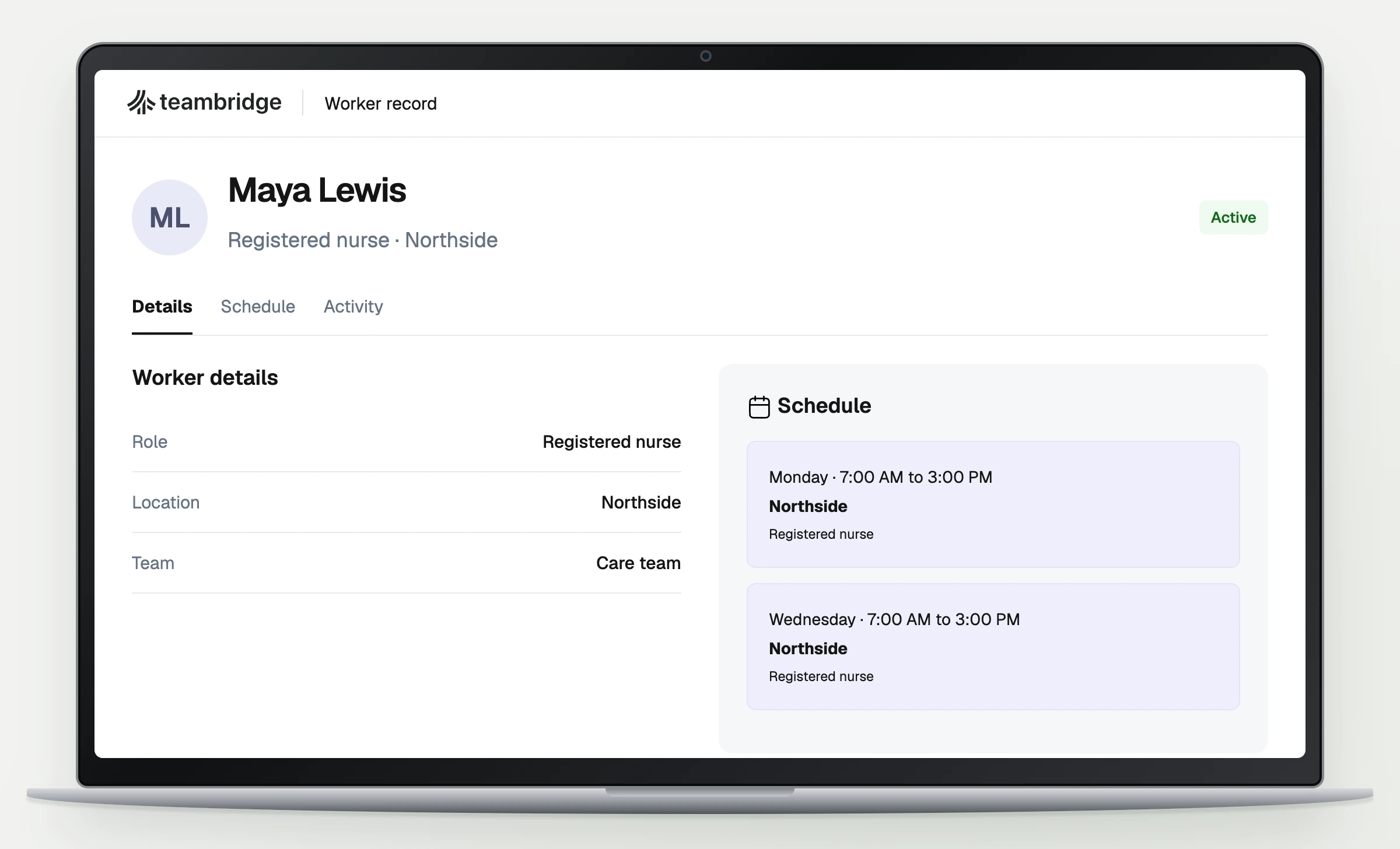
- The scheduling engine checks expiry against the visit date before allowing assignment.
- Automated renewal workflows fire at 60, 30, and 14 days out — text, email, and in-app.
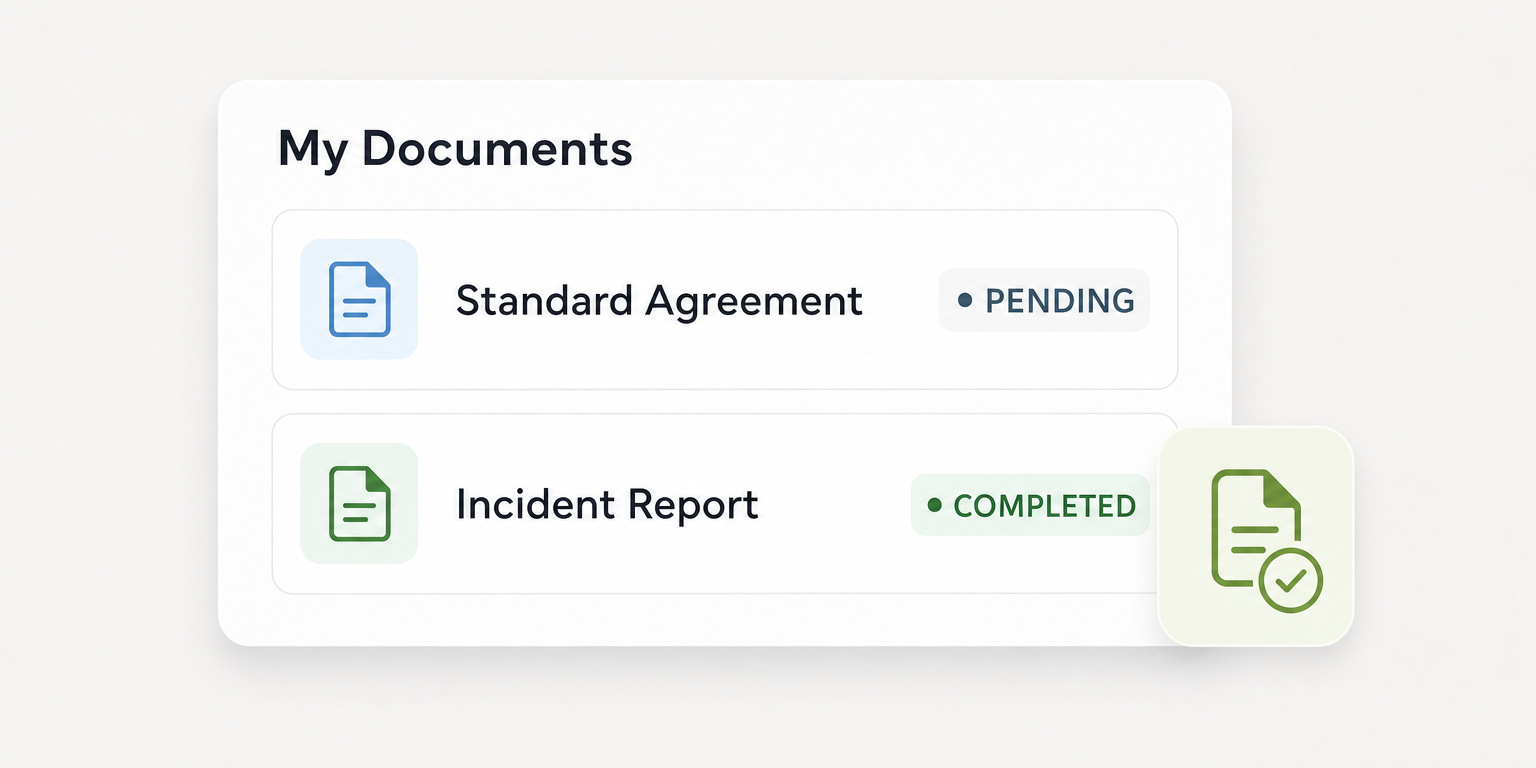
- The caregiver uploads the renewed document inside the same mobile app they use to clock in.
- An exception dashboard shows the operator every credential expiring in the next 30 days, sortable by visit impact.
Teambridge Automations handle the renewal triggers, and Document Studio handles the collection and signature side. The combination means a coordinator is not chasing renewals one caregiver at a time — the system is.
Onboarding Speed Decides Whether You Keep the Hire
Caregiver candidates ghost. They ghost because the home care labor market is tight enough that a slow onboarding process loses the candidate to the next agency. Only 16.4% of home health care and hospice nurse applicants and 12.8% of home care applicants were hired in 2023. This shortage of new hires has led to a situation where 63.3% of providers had to turn down cases in 2023 due to insufficient staffing.
The math is unforgiving. Every day between offer and first visit is a day the candidate is fielding other offers and reconsidering. Agencies that get to first visit in three days keep candidates. Agencies that take three weeks lose them.
What fast onboarding looks like:
- Pre-day-one document collection. I-9, W-4, state forms, competency attestations, direct deposit — all e-signed before the candidate walks in.
- Credential verification in parallel. Background check, TB test scheduling, and CPR verification run while paperwork is being signed.
- EVV app setup on offer day. The candidate downloads the same app they will use forever and gets walked through clock-in before they ever take a visit.
- First visit scheduled inside the same system. No handoff to a separate scheduler. The first visit shows up in the app the moment onboarding completes.
The 2025 Activated Insights Benchmarking Report indicated that agencies that invest in more training hours generate considerably more revenue — homecare agencies who offered 8+ hours of orientation training had a median revenue of $2.4M, compared to those who had 3 or less orientation training hours who had a median revenue of $2.03M. The pattern is clear: structured onboarding correlates with retention, retention correlates with revenue. Teambridge Onboarding is built to compress that timeline.
Integration vs. All-in-One: How to Evaluate the Stack
The binary choice agencies usually pose — "do we replace our EHR or buy a workforce ops platform?" — is a false one. Most agencies should keep their clinical system and bolt on a workforce ops layer that is built for distributed caregivers.
Here is a buyer's checklist for the workforce ops layer in 2026:
| Requirement | Why it matters |
|---|---|
| Open API to EHR and billing | Visit data has to flow to the chart and to claims without re-keying |
| EVV aggregator connectivity (Sandata, HHAeXchange, CareBridge, state systems) | State systems do not all use the same vendor |
| Mobile-first caregiver app | Caregivers do not work at desks |
| Native EVV with GPS, geofence, and offline support | Rural visits do not always have signal |
| Credential enforcement at the schedule level | Catching expiry after assignment is too late |
| Role-based permissions for multi-branch agencies | Branch managers should not see other branches' data |
| Audit-ready exception logs | State surveys will ask |
| In-app messaging and broadcast | Open visits need to reach caregivers without phone trees |
The trend in 2026 is toward interoperability standards and developer-focused APIs. Agencies that pick a closed workforce platform — one that cannot push visit data into the EHR or pull schedule changes from the billing system — will spend the next three years writing CSV exports. Pick the platform with the API.
Note
If you are running a managed care contract with EVV requirements, your workforce ops platform has to integrate with whichever aggregator your state uses. Build that into the RFP. Do not assume it.

What to Do Next
The agencies that will be standing in 2028 are the ones that treat caregivers as the primary user of their software, not an afterthought to the chart.
That means three operational shifts:
- EVV and credentials are enforceable at the schedule level, not flagged after the fact.
- Caregivers live in a mobile-first app that holds their schedule, their EVV clock-in, their credentials, their pay, and their communication — not five separate logins.
- Operators work an exception view, not a report. The question is "what is at risk for tomorrow's visits?" not "what went wrong last week?"
The EHR is not going away. Neither is the billing system. But the workforce layer is where the operational pain is concentrated, and it is where the next three years of margin will be won or lost. Claims that might have been accepted with marginal EVV data in 2025 may be denied in 2026. Agencies not already compliant should prioritize implementation now rather than waiting for harder deadlines.
If you are evaluating how to close the gap between the chart and the field, see how Teambridge handles home care workforce operations and read how operators in adjacent industries are using the platform in our customer stories.
Source references: Activated Insights 2024 Benchmarking Report via Home Health Care News, CMS National Health Expenditures 2024, NC Medicaid EVV Hard Launch, USAFacts Personal Healthcare Spending, Rivkin Radler on EVV Enforcement.