Every quarter, the same conversation plays out in staffing agency back offices. A recruiter opens a spreadsheet. Finance pulls a payroll export. Someone starts a Slack thread titled "referral bonuses — please review by Friday." A day later, an ambassador calls in asking where their $200 check is. Nobody has a clean answer.
The reflex is to blame the program. Bonuses are too small. Marketing didn't push it hard enough. Ambassadors have gone quiet. That is almost never the real problem. The real problem is that the placed worker's hours fractured across branches, VMS clients, and reassignments — and no single record tied those hours back to the person who made the referral.
This is a data-plumbing problem, not a program-design problem. Here is where referral bonus payout leakage actually happens, and what to fix this quarter.
The Quarter-End Discovery: Bonuses Paid, Underpaid, or Missed Entirely
Most agency referral programs gate the payout on hours worked. The numbers vary but the pattern is universal. Pace Staffing pays a $200 gift card after the referral works 80 hours or more in a temporary role. Elite Force Staffing pays a $200 check after the referred employee works 200 hours. Murray Resources requires the temporary employee to work at least 520 hours to qualify. ISGF holds payment until the referral has completed 480 hours of billable time and a valid W9 is on file.
The common industry summary: staffing agency referral programs pay a cash bonus when a referred candidate is placed, with bonuses typically ranging from $50 to $500 after the referred worker completes a qualifying period.
All of these programs share the same hidden assumption. They assume the placed worker stays on one assignment, under one branch, on one client's timesheet, until they cross the threshold. In high-volume staffing, that assumption breaks constantly.
When it breaks, three things happen at quarter-end:
- Bonuses paid on incomplete data. Finance cuts a check based on the hours it can see. Later, the ambassador points out the worker actually hit the threshold six weeks ago because the missing hours were on a different branch's ledger.
- Bonuses missed entirely. The worker crossed the threshold at Branch B, but the referral tag lived on the candidate record at Branch A. Nobody ran the join.
- Bonuses paid twice. Two branches both claim the same referrer for the same worker. Finance pays both, then someone catches it a quarter later and tries to claw one back.
Recruiters end up defending payouts they can't fully verify. Ambassadors stop referring. The program looks broken.
Where the Hours Get Lost: Branches, VMS Clients, and Mid-Assignment Swaps
There are four specific leakage points. Every agency ops leader will recognize at least three of them.
1. Cross-branch reassignments
A worker is placed by Branch A. Two weeks in, the client's need drops. Branch B, three zip codes over, has an urgent order. Branch B redeploys the worker. The hours worked at Branch B now roll up to Branch B's P&L — not to the original referrer's ledger at Branch A. Unless someone manually chases it, the referral tag never follows the worker across the branch boundary.
2. VMS-submitted placements
When a worker is placed through a client's VMS — Beeline, Fieldglass, VectorVMS — the hours worked, approved, and billed live inside the VMS portal. Your ATS sees the candidate. Your payroll sees the pay. But the referral eligibility check needs the cumulative hours worked, and that authoritative source sits in a system your program logic doesn't read.
3. Direct-hire conversions before the threshold
The worker is doing well. The client wants to convert them at day 45. If your bonus rule requires 200 hours of temp work and the conversion happens at 160, the referrer sees nothing — even though the referral was successful by any commercial definition. Some agencies solve this with a parallel direct-hire bonus. Gainor Staffing pays $100 to $200 for temporary referrals after 80 hours and $300 to $500 for direct-hire referrals after 90 days of employment. Most agencies don't, and the conversion silently kills the payout.
4. Rehires and reactivations
A worker completes an assignment, goes dark for three months, and comes back for a new order. The candidate record still exists in the ATS. The referral tag is on that candidate record. But the new assignment starts a fresh hours counter, and the ambassador who originally referred them is never surfaced.
The root cause across all four: the referral tag lives on the candidate record, while the qualifying hours live on assignment records, timesheet records, or VMS records. No one is running the join.

Why Your ATS Alone Can't Solve This
Most agencies rely on an ATS — Bullhorn, Avionté, TempWorks, LaborEdge — to track the referral source. The ATS captures the referrer at candidate creation. That's the easy part.
The hard part is everything after placement. Hour aggregation lives in payroll, in timekeeping, and increasingly in the client's VMS. Reassignments and branch transfers are handled in the scheduling and dispatch layer. Direct-hire conversions get logged in the CRM but rarely fire an event to the referral module.
Even purpose-built employee referral platforms integrate at the ATS layer. That means anything happening after the candidate becomes a worker — the reassignments, the branch transfers, the VMS hours — sits outside the tracking loop. The referral platform is confidently telling you the worker has 62 hours when they actually have 214, because it can only see one branch's timesheets.
Important
If your referral tracking system can only see hours from one source of truth, your payouts are wrong by definition. The question is only how wrong.
This is why the fix is not a better referral program. It's a better worker record.
Ready to move?
Ready to see Teambridge in action?
Build a Single Worker Ledger That Follows the Person, Not the Placement
The fix is to tie referral eligibility to the worker, not to the placement. One person, one cumulative hours counter, one referrer field — regardless of how many branches, clients, or VMS portals those hours flow through.
Here is what a defensible worker ledger needs:
| Field | What it captures | Why it matters |
|---|---|---|
| Worker ID | Persistent identifier across rehires and reactivations | Prevents the referral tag from dropping off on the second engagement |
| Referrer ID | Person or ambassador account credited with the referral | Survives reassignments and branch transfers |
| Referral date | Timestamp of the original submission | Enforces the referral window (typically 90 days to 6 months) |
| Cumulative qualifying hours | Sum of hours from every source: internal timekeeping, VMS imports, client-approved timesheets | The single number the threshold rule evaluates against |
| Assignment history | Every branch, client, and role the worker has held | Explains where the hours came from during disputes |
| Payout status | Pending, triggered, paid, disputed, void | Gives finance a clean audit trail |
The threshold rule then evaluates against the cumulative field, not against a per-assignment field. When the worker hits 80, 200, 520 — whatever your program requires — the trigger fires regardless of which branch or client generated the last hour.
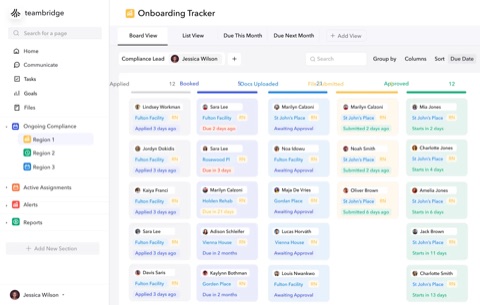
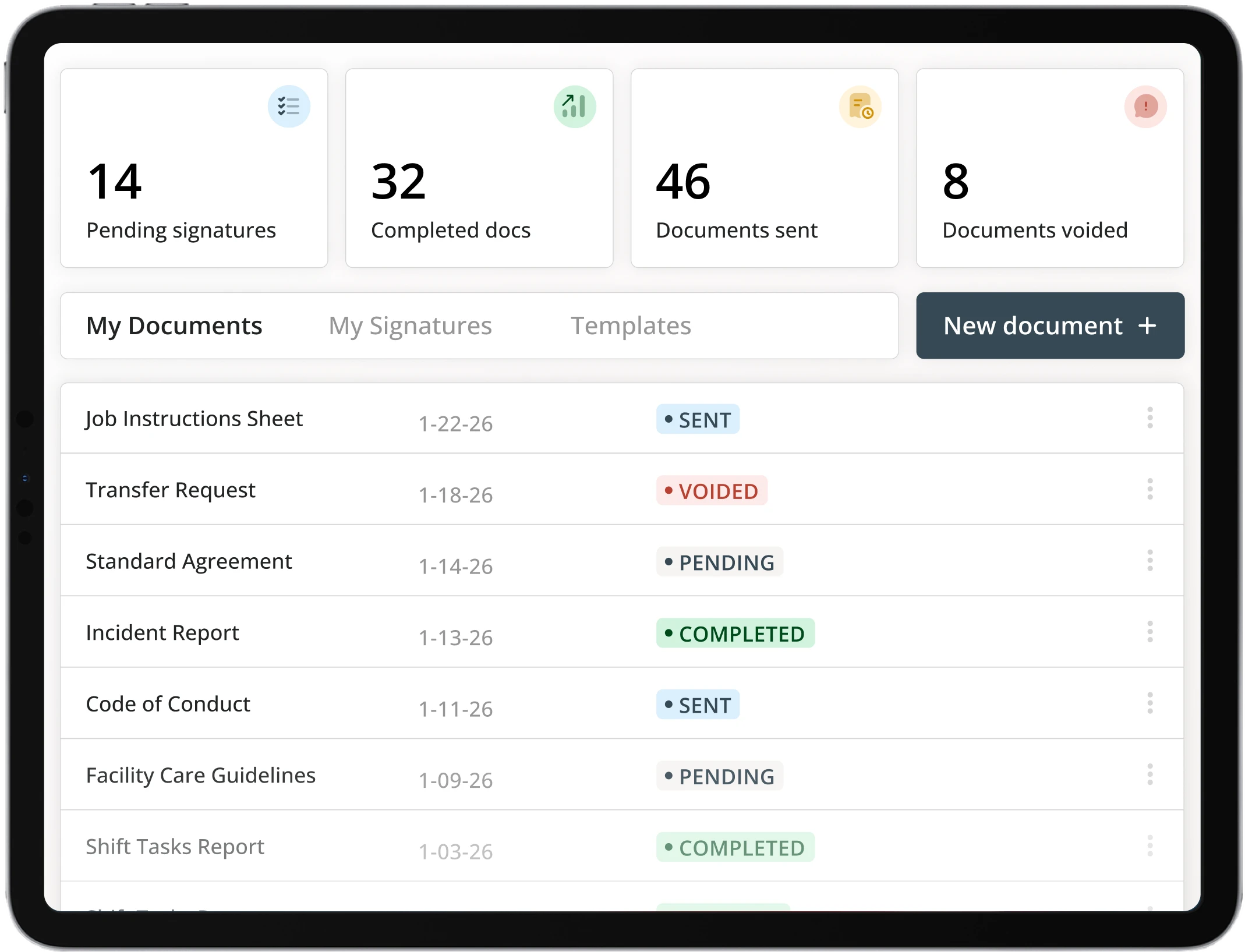
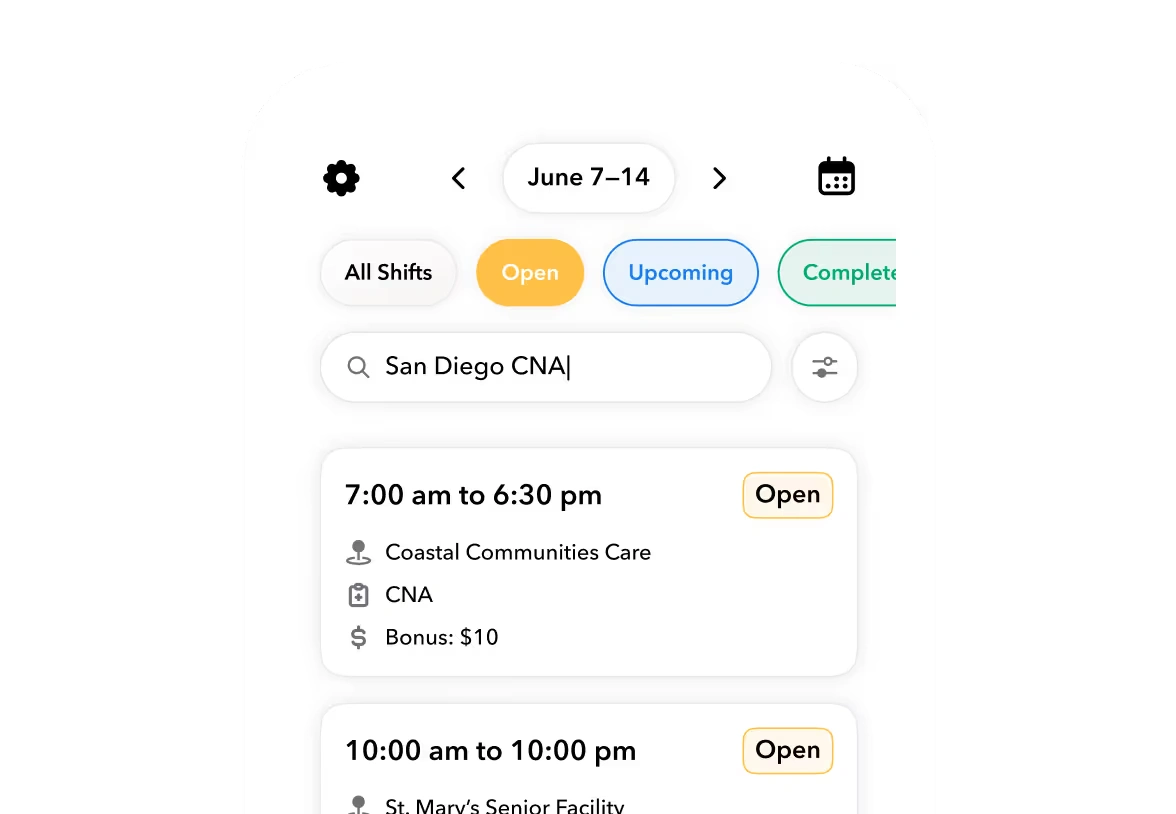
This is the layer Teambridge builds for staffing agencies: a unified worker record that follows the person across branches, clients, and assignments, with scheduling and time tracking rolled into the same ledger. VMS hours come in through integrations rather than living in a portal your program logic can't read.
Automating the Payout Trigger and the Finance Reconciliation
Once the ledger exists, the payout stops being a quarter-end audit. It becomes an event.
A clean implementation looks like this:
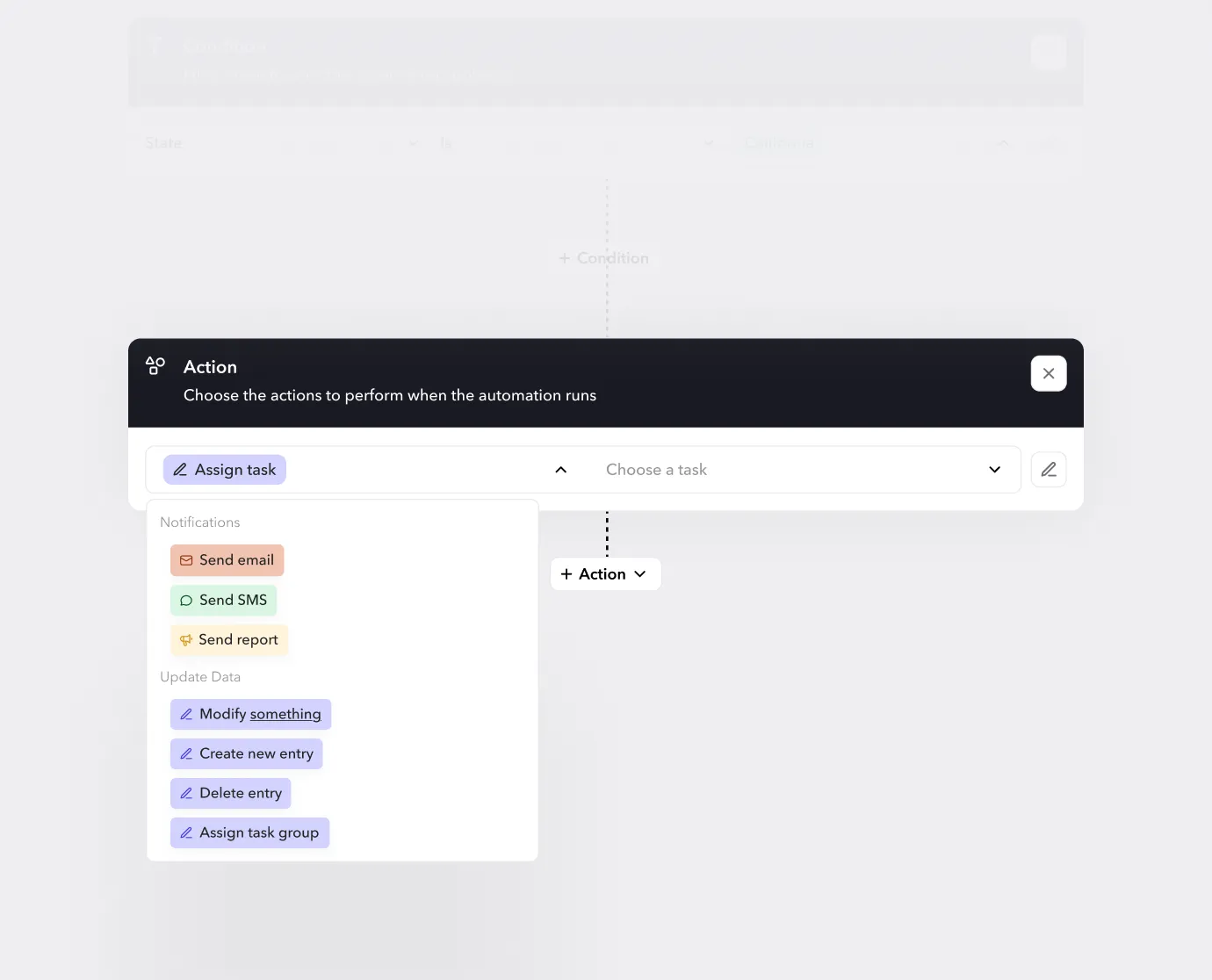
- Threshold monitor. A rule watches the cumulative hours field for every worker with an active referrer ID. When the sum crosses the threshold, it fires.
- Exception queue. Not every trigger is clean. Worker terminated before threshold. Worker converted to client direct-hire mid-assignment. Referrer disputed. Send these to a queue a human reviews once a week — not once a quarter.
- Payout event. For clean triggers, the system creates a payable line item tied to the worker ID, the referrer ID, the threshold rule, and the specific hours that satisfied it.
- Finance reconciliation report. Every bonus paid ties back to a specific hours ledger and a specific referral tag. Finance can trace any check to source data in one query.
- Ambassador notification. The referrer gets told the moment the trigger fires, not six weeks later after a spreadsheet reconciliation.
Bonuses paid on time create more referrals. Bonuses paid late — or missed entirely — kill the program quietly. The ambassador doesn't complain. They just stop.
Ambassadors tolerate long qualifying periods. What they will not tolerate is uncertainty about whether they'll actually be paid. A referral dashboard where ambassadors can track their referrals and see when it's time to get paid is table stakes — but only if the underlying data is accurate. A dashboard fed by fractured hours is worse than no dashboard.
Guardrails: Fraud, Duplicate Claims, and Cross-Branch Poaching
A unified worker ledger also closes the abuse patterns that a fragmented one hides.
Duplicate referrer claims. Two branches both submit the same worker with different referrers. First-referrer-wins with a timestamp resolves this cleanly. The rule is standard industry practice: where a candidate is referred by multiple employees, the first employee to refer that candidate is eligible for the bonus.
Referrals on candidates already in your database. An ambassador submits someone who's been in your ATS for eighteen months. This is not a referral. Enforce it at submission. Job candidates should only be considered referrals if they are not already in the agency's applicant tracking system database.
Recruiters logging themselves as referrers. Block self-referrals from active recruiter accounts. This is a role-based rule, not a program-policy hope.
Referral windows. Define how long a submitted referral stays live. The referred employee must be hired within three months of the original referral date is a common terms. Beyond the window, the tag expires and the candidate becomes an ordinary applicant.
First contact rule. The referral must be the candidate's first contact with the agency. Otherwise, ambassadors will claim credit for candidates who found you through your careers page.
Warning
If your referral rules are not enforced at the data layer, they are not enforced. They are aspirations. Recruiters will interpret every edge case in whichever direction produces the fewest angry phone calls that week.
What to Fix This Quarter
You do not need to redesign the program. You need to fix the plumbing under it. Here is the checklist.
- Audit last quarter's paid vs. unpaid bonuses. Pull every referral submitted in the last twelve months. For each, pull the referred worker's total hours across every source — internal timekeeping, every VMS, every branch. Compare against the threshold. Count how many should have paid and didn't. That number is your leakage rate.
- Identify cross-branch and cross-VMS placements. Filter for workers whose hours came from more than one branch or client during the qualifying window. This is where the ledger fractures most often.
- Pull the referral tag through to the worker's cumulative hours record. Not the candidate record. Not the assignment record. The worker record — the one that persists across rehires.
- Set up an exception queue for reassignments, conversions, and terminations. These are the cases automation should surface, not swallow.
- Give ambassadors visibility. A dashboard that shows referral status and cumulative hours. If the underlying ledger is clean, the dashboard is trivial to build. If the ledger is fractured, no dashboard will save you.
- Reconcile finance to the ledger, not to spreadsheets. Every check written should trace back to a specific worker's cumulative hours crossing a specific threshold.
Referral programs work when the operational layer underneath them works. Teambridge exists to be that layer — unifying scheduling, timekeeping, and worker records across branches, clients, and VMS feeds — so referral bonus payout stops being a quarter-end fire drill and starts being an event that fires on its own.
The program isn't the problem. The plumbing is.