

Choose an incentive workers can understand and managers can verify
Operations should define what earns the reward before choosing its value. Accepting an open shift establishes an assignment. It does not prove that someone worked it.
A usable rule connects the offer to reviewed completion evidence. Workers should know what qualifies, who decides and when they receive the reward before taking the assignment.
Match the reward to what your hourly team actually values
Ask workers across shifts which options they would use. Cash adds compensation but needs payroll handling. Gift cards restrict where employees can spend the reward and still need tax review. Recognition should respect whether someone wants public attention.
Schedule preferences can offer value, but managers must preserve coverage and consistent access. Define the preference being offered rather than promising unrestricted first choice.
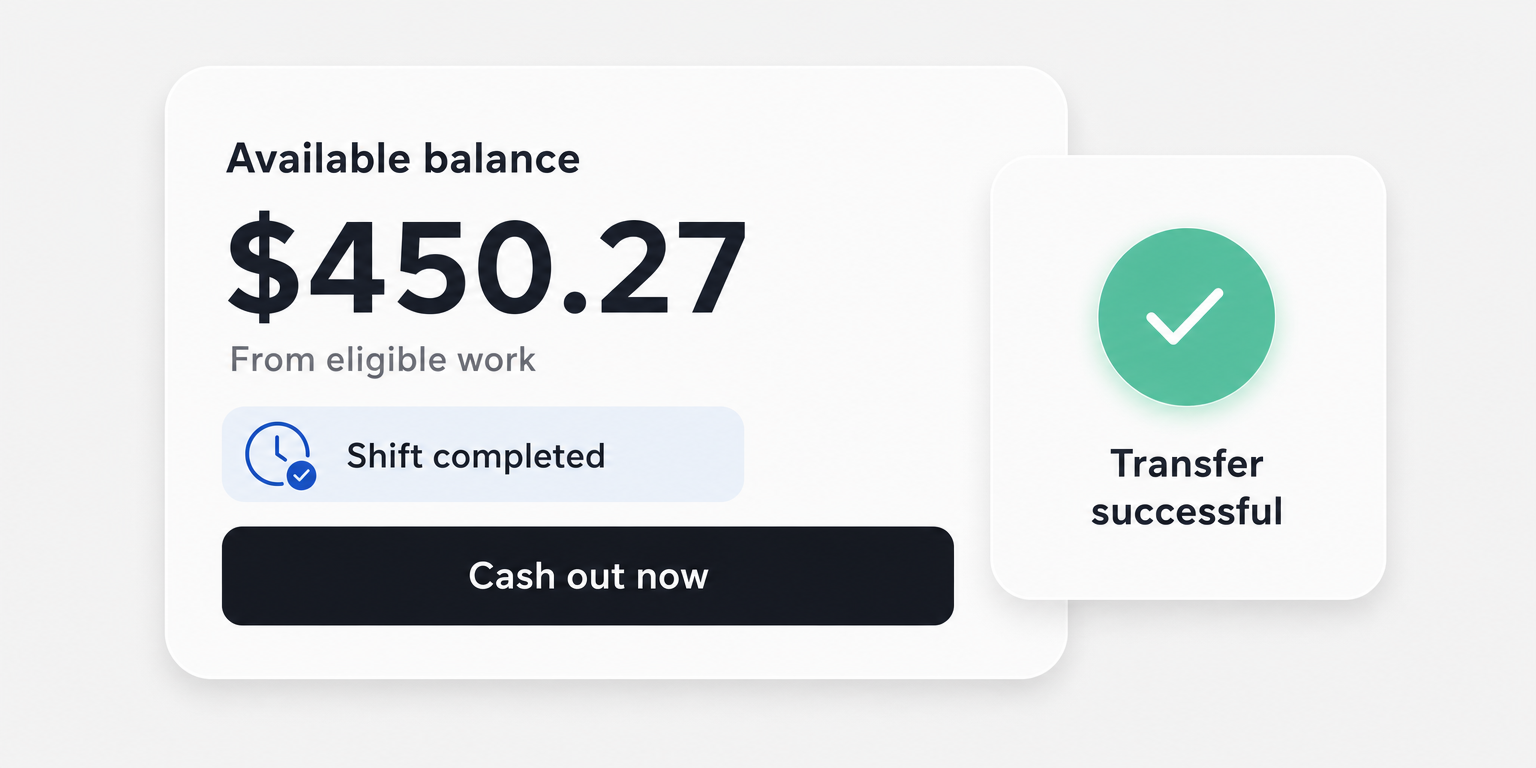
Earlier access to earnings is different. Teambridge Instant Pay concerns access to existing earned wages, not additional compensation. None of these options substitutes for addressing inadequate pay or unstable schedules.

Complete one incentive approval brief before announcing the offer
Copy this editorial template for each offer. It is an operating checklist, not an industry standard. Leave an item unchecked until its owner records an answer.
| Approval check | Owner | Required entry and evaluation question |
|---|---|---|
| ☐ Desired result | Operations | Name the coverage problem and the eligible shifts. What observable result would justify the expense? |
| ☐ Qualifying event | Operations | Define completed work and the evidence needed. Can the vendor demonstrate the qualifying event and its correction history? |
| ☐ Eligibility and exclusions | HR | Record eligible roles, locations, dates and exceptions. How will equivalent cases receive consistent treatment? |
| ☐ Reward | Operations and payroll | State the amount or benefit and whether repeat awards are allowed. Can workers explain what they must do to earn it? |
| ☐ Total budget | Payroll | Include rewards and payroll confirmed associated costs. Who authorizes additional offers when the budget is exhausted? |
| ☐ Evidence source | System owner | Identify where the offer, assignment and reviewed work record live. Which steps require another system or manual work? |
| ☐ Approver | Operations and system owner | Name the approver and backup. Who can approve or reverse a reward, and where is the reason saved? |
| ☐ Delivery date | Payroll or benefit owner | Specify a date and processing cutoff. How does an approved amount reach payroll, and how is delivery confirmed? |
| ☐ Dispute route | HR | Publish the contact and response deadline. Where are disputes and decisions recorded? |
Keep demonstration evidence beside the brief: the record tested, the observed result and any unresolved dependency. A feature label such as “automation” is not proof that a corrected timesheet will reach payroll correctly.
Completed example: a limited open shift bonus
Hypothetical example: A warehouse wants to cover a defined set of Saturday shifts. Assume existing employees are already qualified for the work, payroll has approved the treatment, and HR has reviewed eligibility. The proposed reward is $40 per qualifying completed shift, not a customer result or a recommended market rate.
Operations lists the eligible shift identifiers before publication. The earning rule requires completion of the assigned shift, supported by a reviewed timesheet. HR documents how employer cancellations, approved early departures and other exceptions will be handled rather than leaving supervisors to improvise.
The warehouse manager approves qualifying work, with an operations lead as backup. The system owner maintains a reward record linking the offer, worker, shift, reviewed timesheet and approval decision. Payroll confirms the total budget, including applicable associated costs, before launch.
The offer states an exact calendar payment date after payroll confirms its cutoff. HR provides a dispute contact and commits to an initial response within two business days. Those timing choices are assumptions for this example, not statutory deadlines.
A shift claim alone cannot move the record to approved. If work evidence is missing, the manager investigates the exception while the record remains pending. If a timesheet changes later, the original decision stays traceable and payroll receives a correction request.
Put the workflow into practice
See how your team could use this workflow
Get payroll approval for bonuses and gift cards before making promises
Payroll signoff belongs before the announcement, not after workers have earned the reward. The advertised amount may not be the employer's full cost. A bonus can affect overtime calculations for covered employees.
The US Department of Labor's bonus guidance identifies promised attendance bonuses and predetermined production bonuses as nondiscretionary. These generally enter the regular rate for employees covered by federal overtime requirements, subject to applicable statutory exclusions.
Operator view
Supporting evidence
US Department of Labor
IRS Publication 15 B
Calling a bonus discretionary does not establish its treatment. The same DOL guidance explains that discretion generally must remain over both payment and amount until near the end of the relevant period, without a prior promise creating an expectation.
Gift cards also require review. Under IRS Publication 15 B, cash equivalent gift cards cannot qualify for the de minimis fringe benefit exclusion, regardless of amount. A small denomination does not remove that issue.
Ask payroll to confirm the applicable rules, reporting, overtime adjustments and handling of corrected timesheets. HR or legal counsel should review jurisdiction specific eligibility questions. The federal sources above do not settle every state, local or contractual requirement.
Warning
Do not announce a reward until payroll confirms both its treatment and its delivery date. If a correction misses the processing cutoff, assign someone to tell the worker what happens next and when to expect resolution.
Connect the offer to completed work and an accountable payment handoff
The system owner needs a record that follows the reward from offer to delivery. Managers need enough access to review qualifying work. Payroll needs approved amounts and supporting references, while workers need a clear way to see or ask about their own decision.
Use the following sequence as a proposed operating process. These are required controls to demonstrate, not claims about default software behavior.
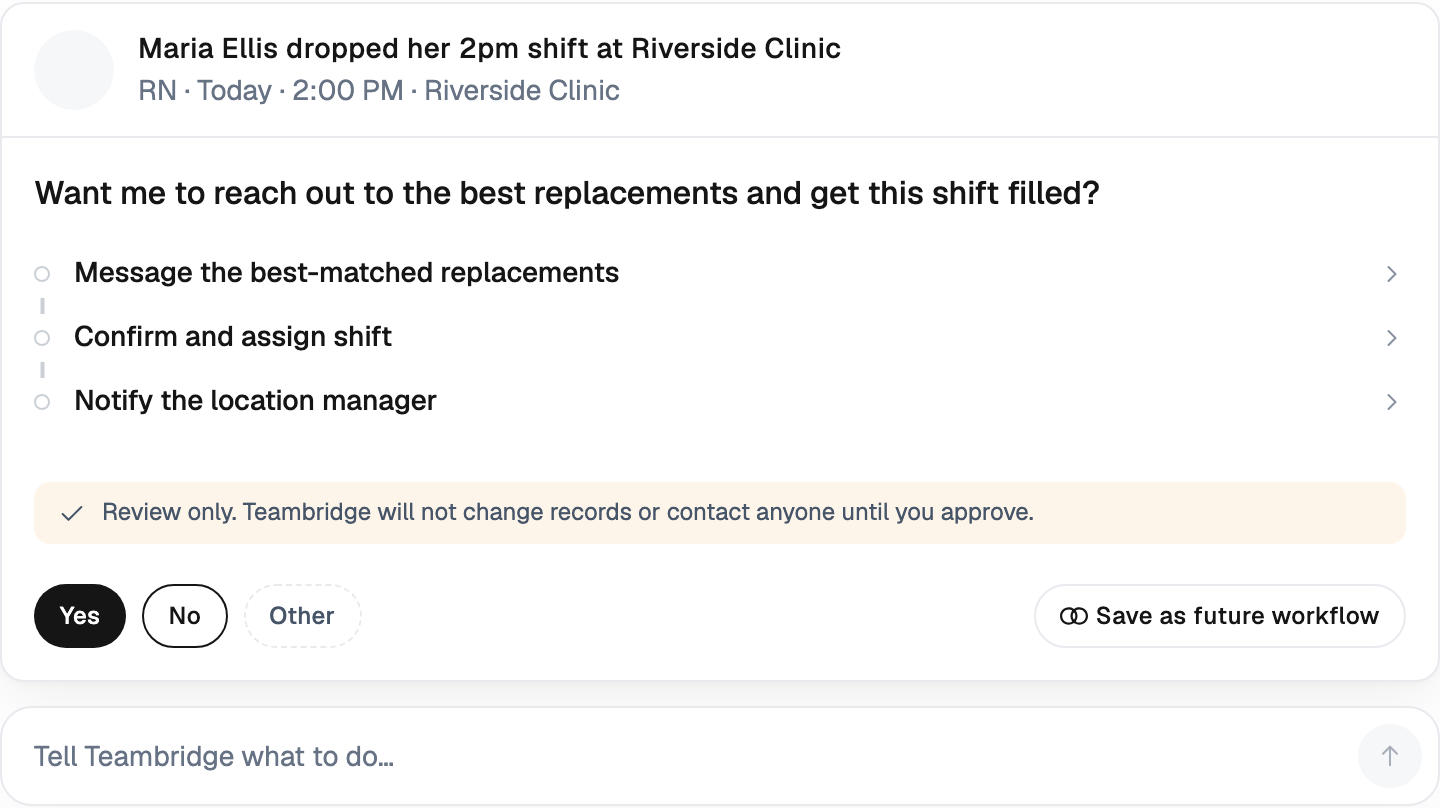
- Save the offer before publication. Operations records the earning rule, eligible shifts, reward and delivery date. Preserve the version workers received so a later edit does not silently change the promise.
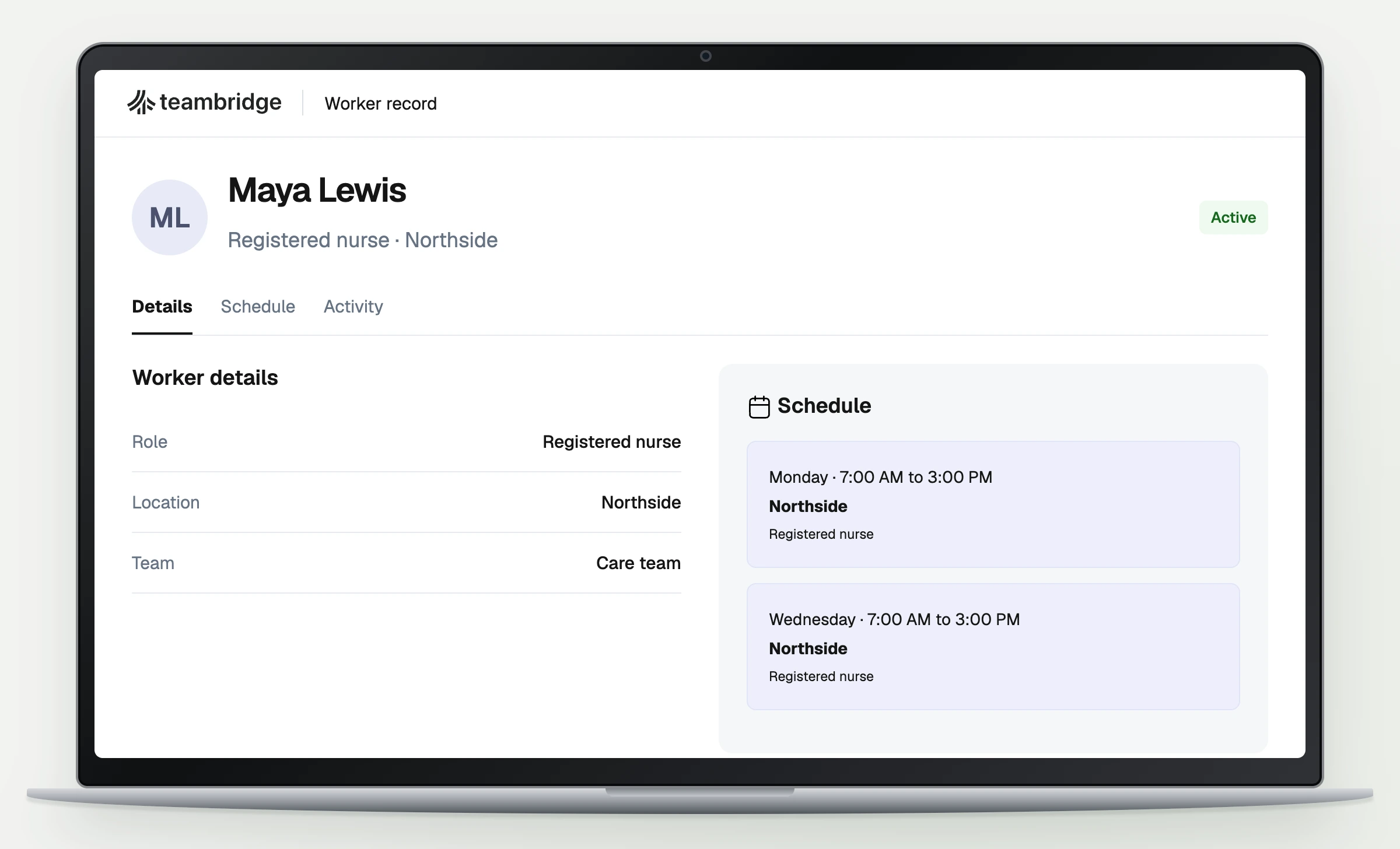
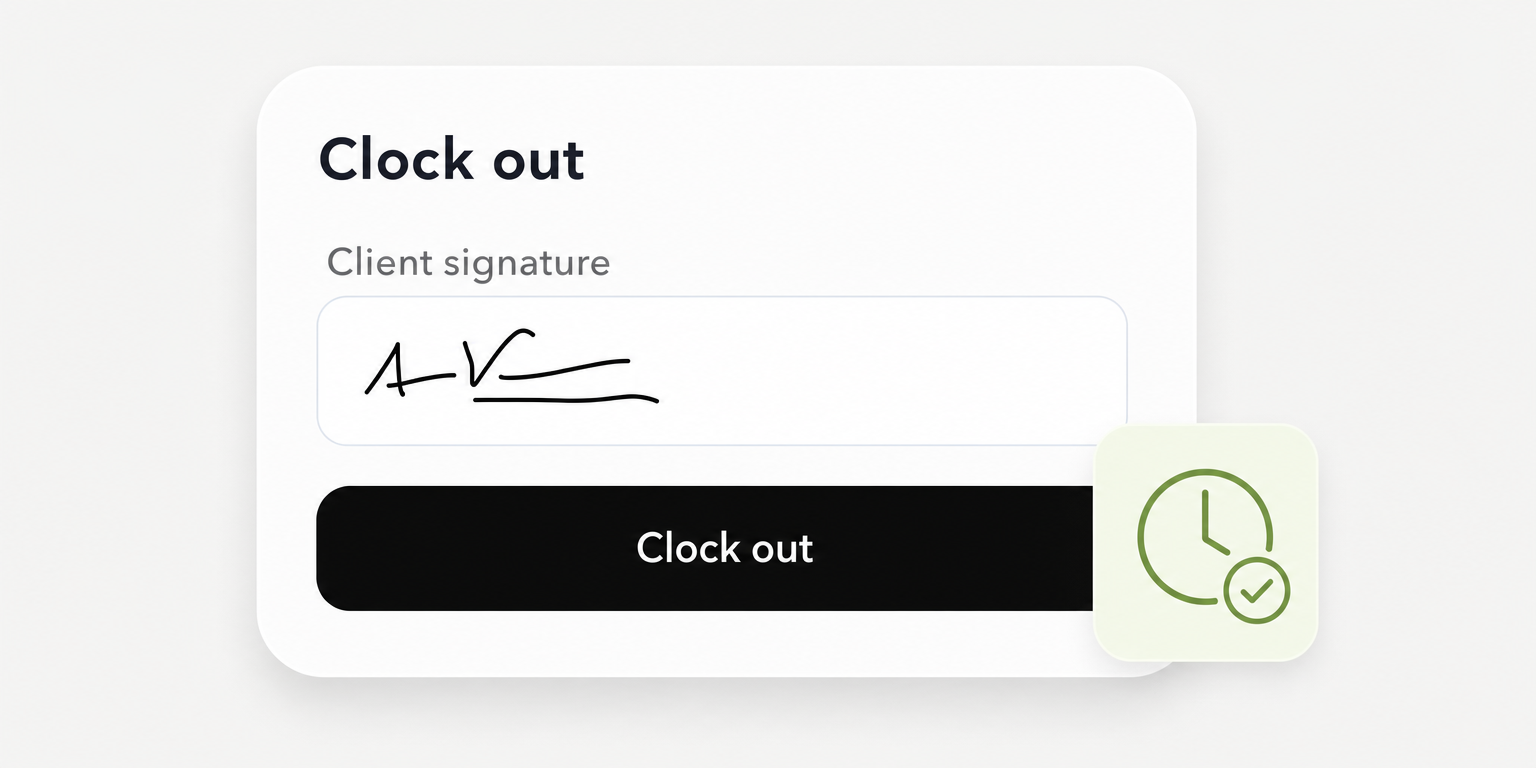
- Link the work evidence. The manager reviews actual worked time and resolves missing punches or conflicting records. A claimed shift remains an assignment until completion is verified.
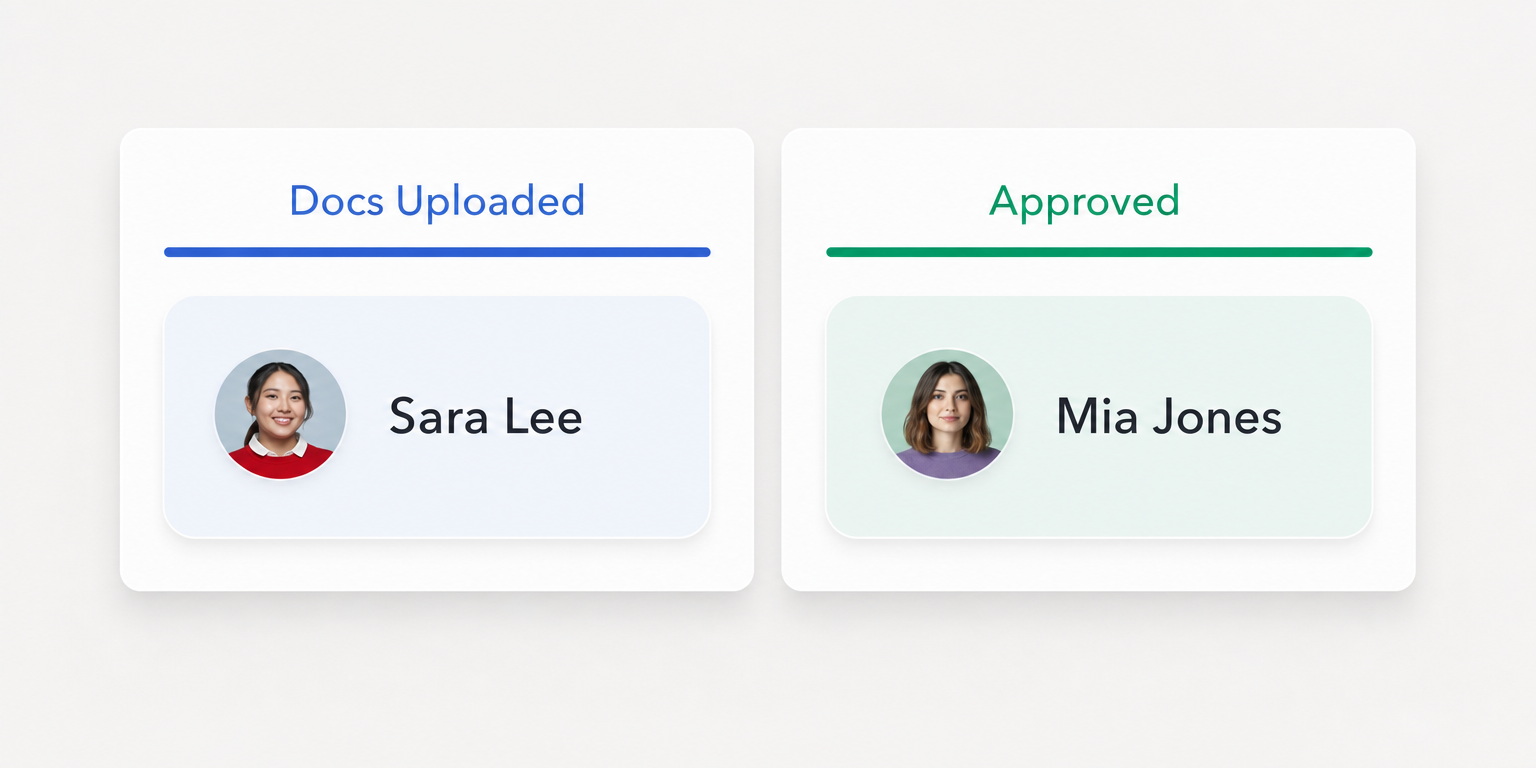
- Record the approval decision. The authorized approver saves the decision, date and reason. Keep incomplete cases pending with an assigned owner rather than treating missing evidence as an automatic rejection.
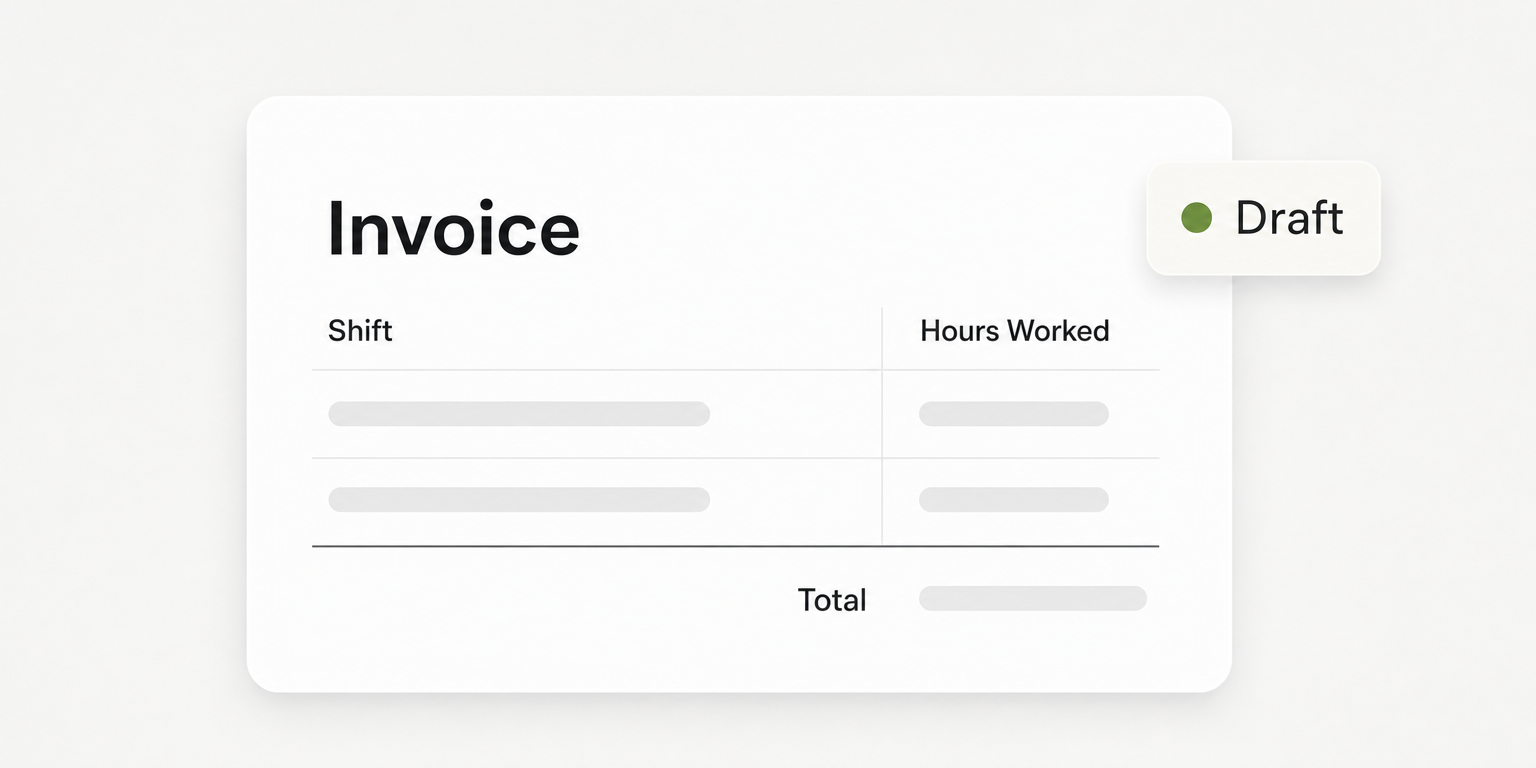
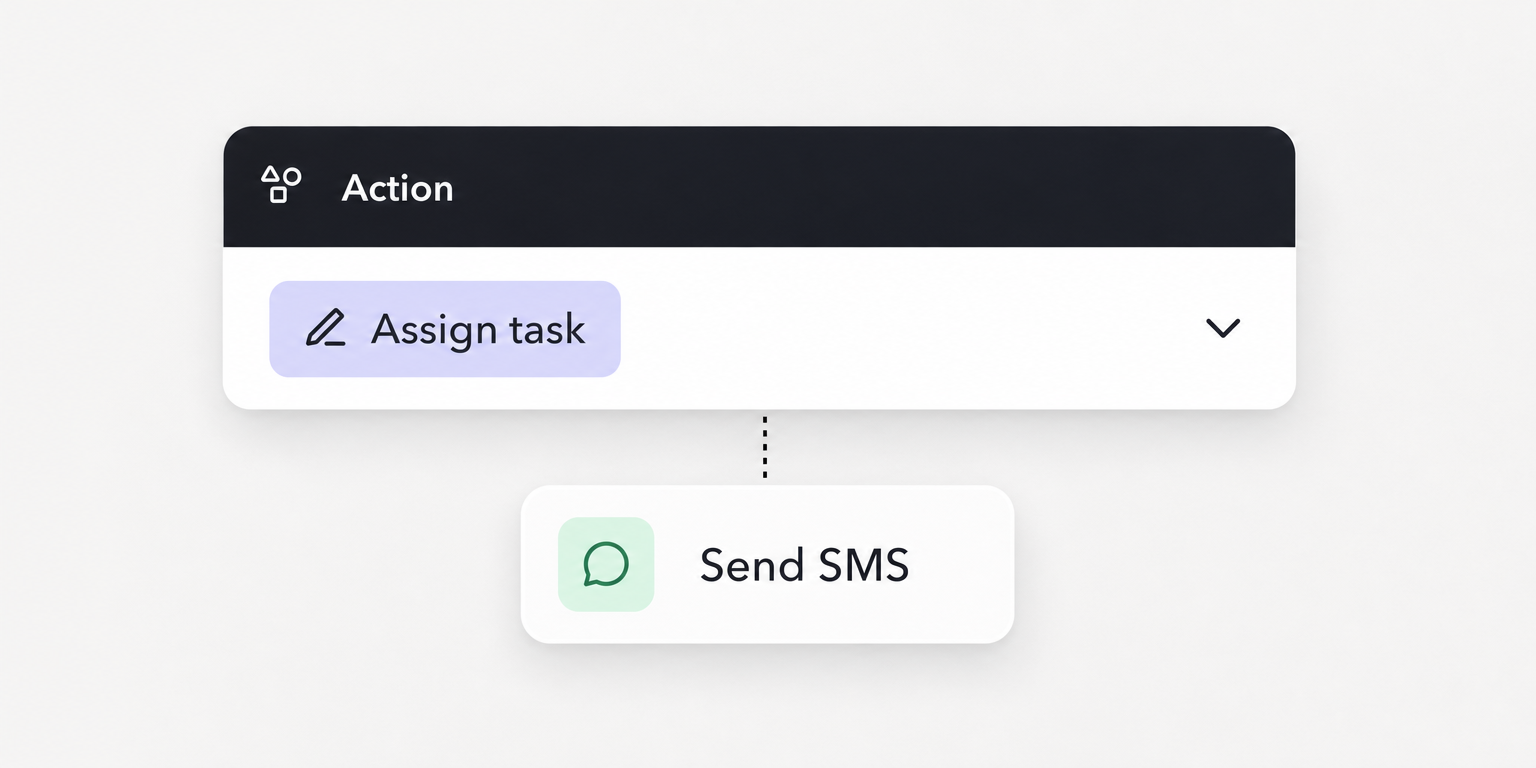
- Confirm the payment handoff. Payroll receives approved amounts through a tested transfer or documented manual process. Record receipt, reconcile duplicates and save payment confirmation.
- Route later corrections. A changed timesheet triggers review of the reward decision. Preserve the earlier decision and send payroll a traceable correction rather than overwriting history.
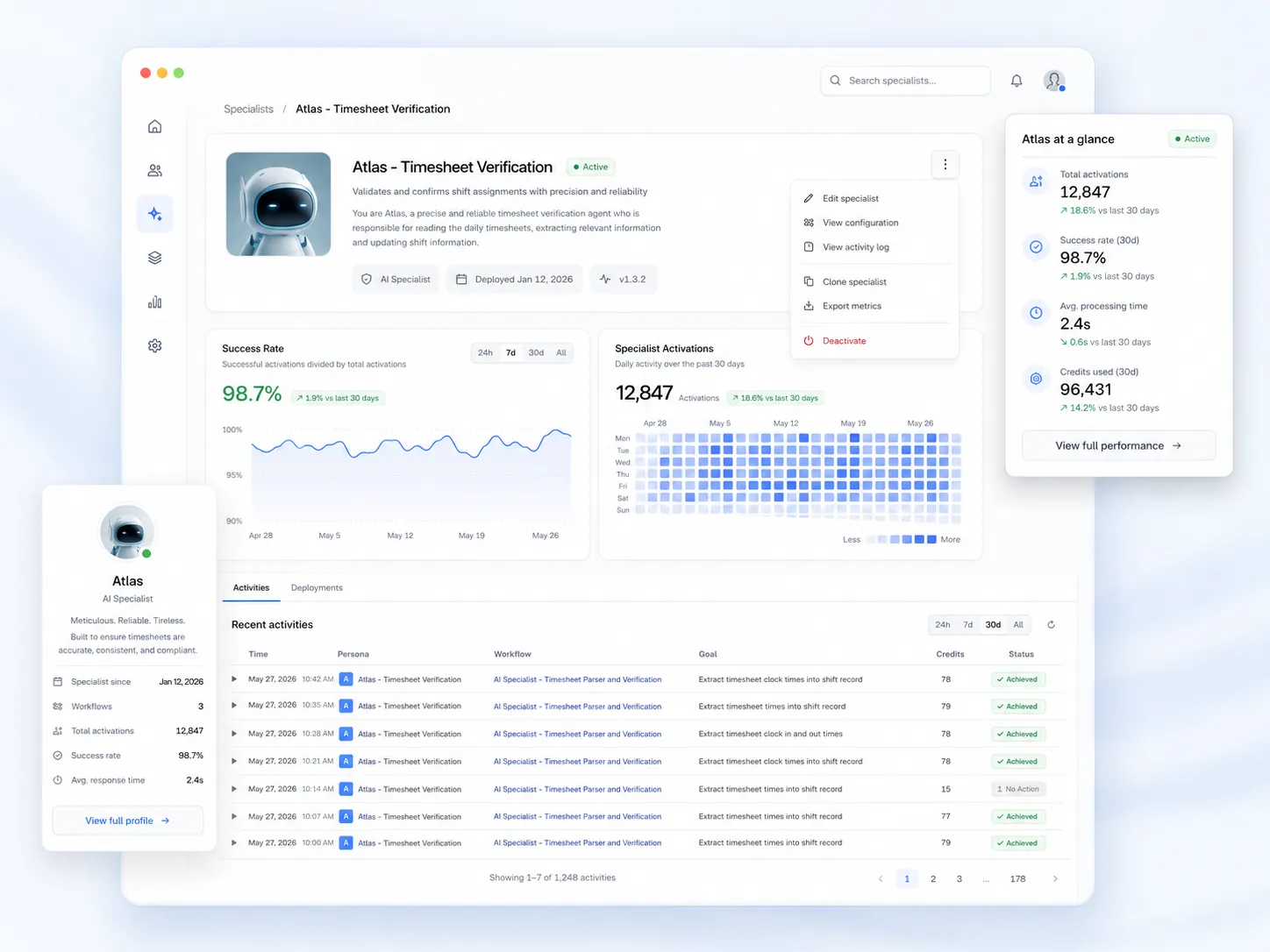
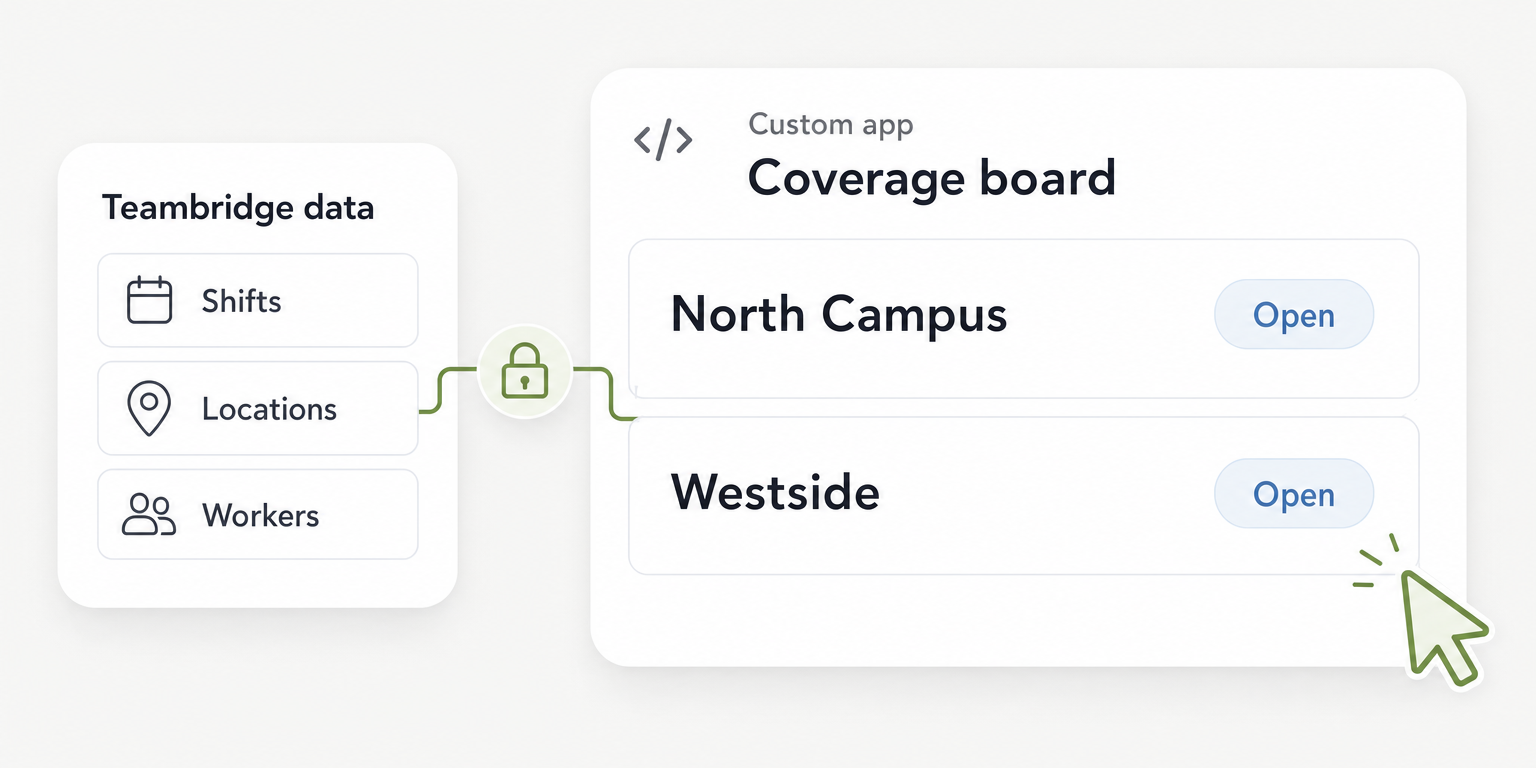
Teambridge's all in one platform for hourly teams brings scheduling, time tracking and workflows together, tailored to each company. That makes it relevant to the operating records behind an incentive: which shift was assigned, what work was recorded and where review needs to happen.
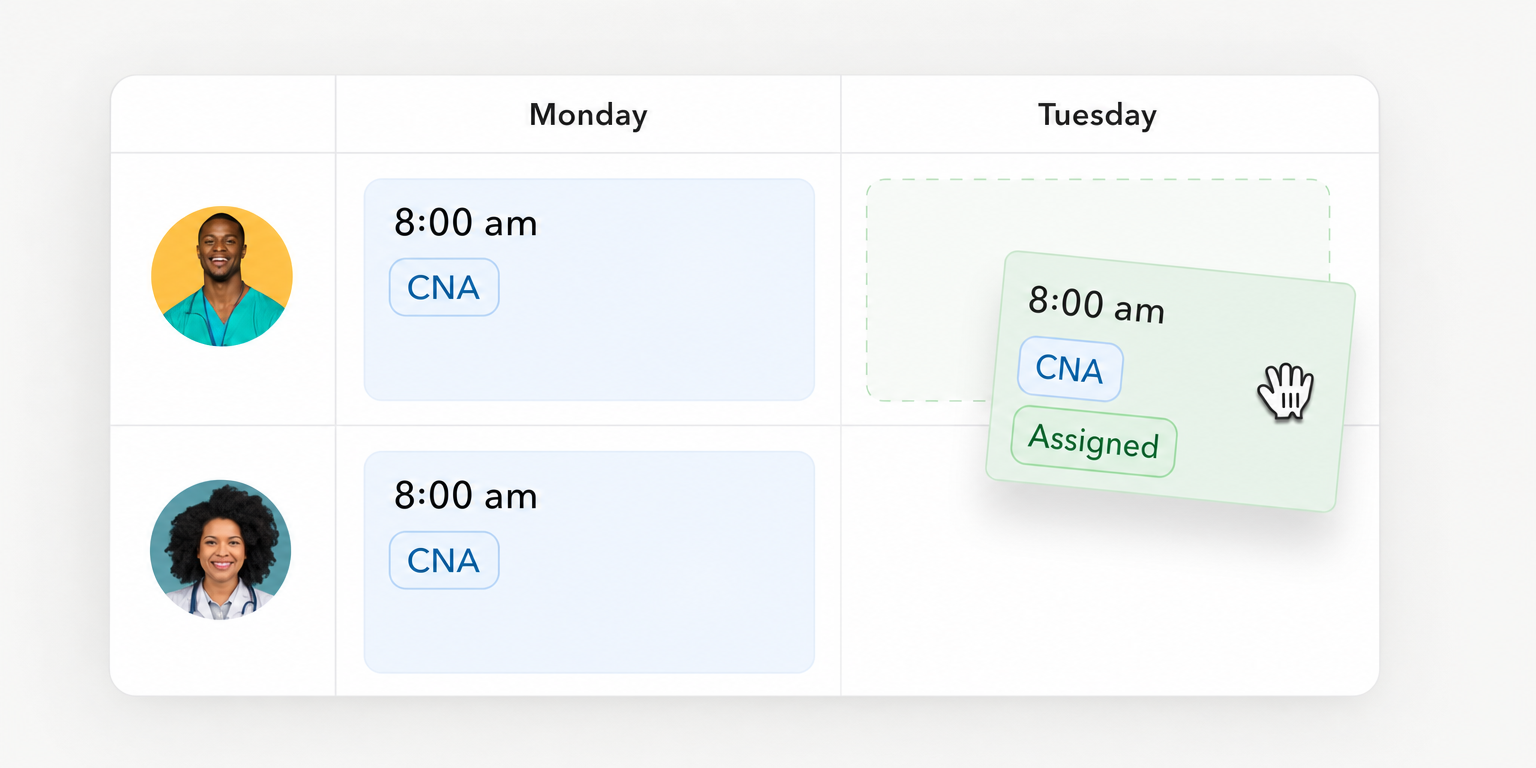
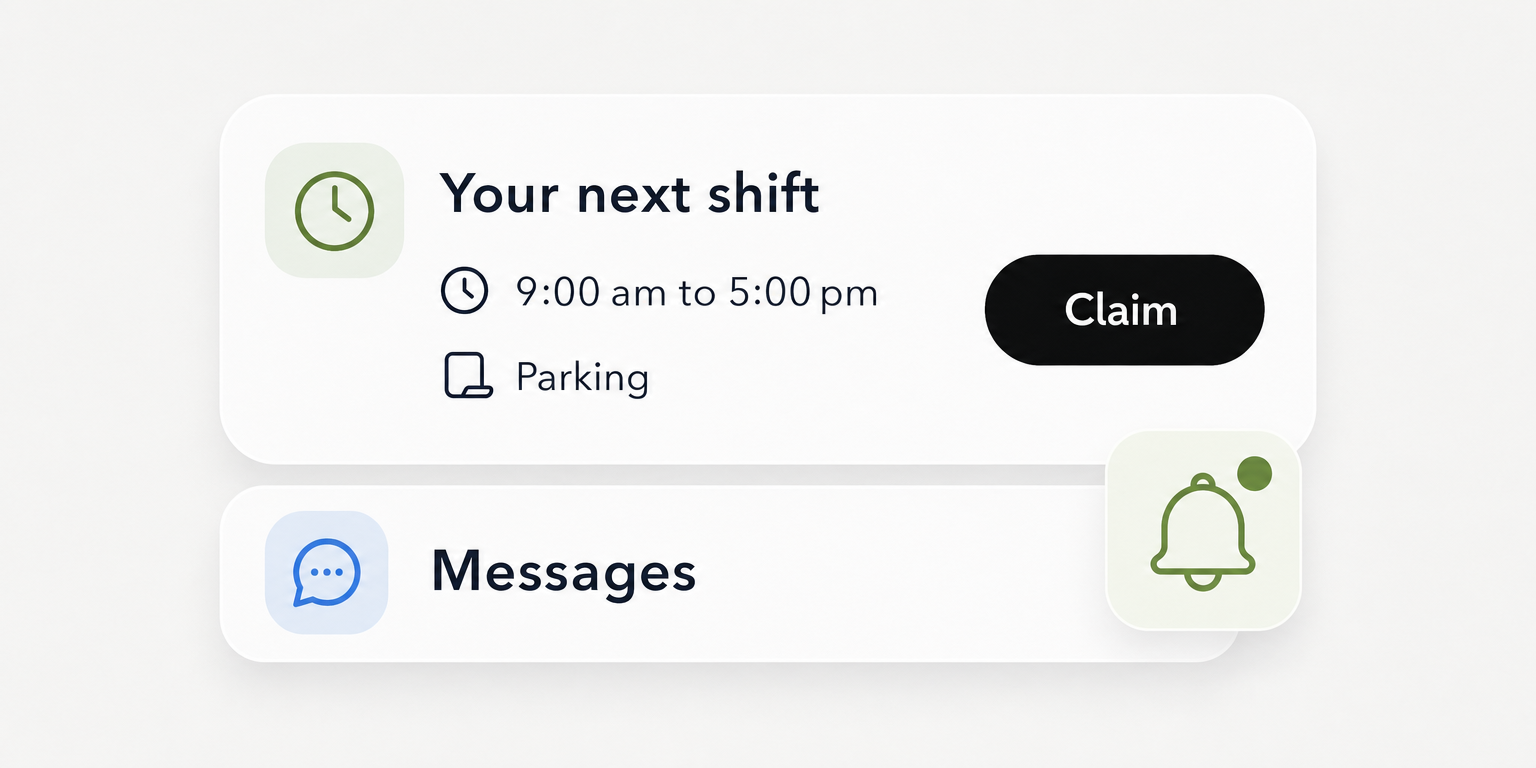
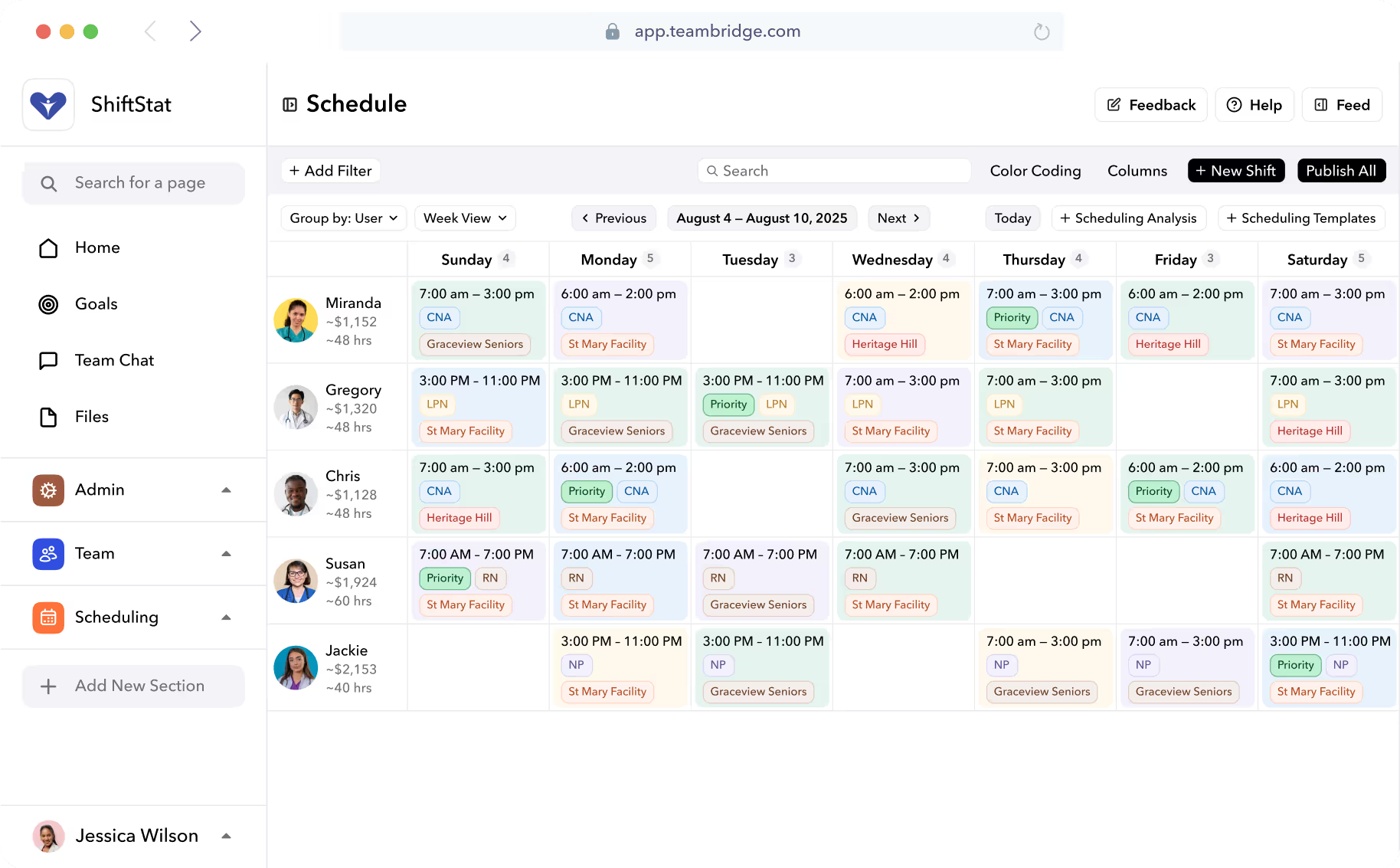
Teambridge scheduling lets workers review and claim open shifts. That supports assignment, not proof that a reward has been earned. Use reviewed work evidence for the earning decision.
Scheduling context only. An open shift claim is not confirmation of completed work or reward payment.
The cited product pages do not establish a dedicated rewards catalog, incentive eligibility engine or automatic bonus tax calculation. Ask for a demonstration of approval access, correction history, payroll transfer and payment confirmation using your example. Record any configuration, separate system or manual responsibility needed to complete the process.
Pilot one offer through its first completed payment cycle
Operations should launch a bounded offer that managers can inspect case by case. Limit it to a defined shift group or location, and keep the offer open only for its stated period. Expansion can wait until workers actually receive what was promised.
Publish the earning rule in ordinary language. Include who qualifies, the work required, the reward, the payment date and the appeal contact. Ask a few eligible workers to explain it back before publication; disagreement is a reason to rewrite the rule.
A worker should be able to answer: What earns the reward, who checks it, and when will I receive it?
Managers review qualifying work weekly during the pilot. Payroll reconciles approved rewards each pay cycle, including rejected transfers and corrections. The system owner checks that every pending record has an owner and a next action.
Illustrative operating scene, not a named customer or a reported result.
Watch for these distinct failures:
- Assignment mistaken for completion: Operations corrects the trigger and reviews affected approvals before the payment handoff.
- Different rules across supervisors: HR compares the decisions with the published eligibility rule and resolves inconsistent treatment.
- Pressure to work while sick: HR reviews attendance conditions and exception handling before the next offer. Managers must not improvise stricter rules to improve a coverage number.
- Late or incorrect delivery: Payroll traces approval, receipt and payment, then gives the worker a correction date.
- Missing records or duplicate approvals: The system owner resolves record access and duplicate handling while keeping the decision history intact.
Do not treat a paid pilot as automatically successful. Ask workers whether the rule was understandable, whether the reward was worth the additional assignment and whether they knew how to raise a problem. Include workers who declined the offer, not only those who earned it.
Keep the incentive only if delivery and coverage meet your targets
Before launch, operations should set company specific thresholds for coverage, cost and delivery reliability. Review them monthly with HR and payroll. These are management measures, not validated industry benchmarks.
Completion rate is completed incentive shifts divided by offered incentive shifts. Define the offered set in advance and document how employer cancellations affect the denominator. Otherwise, changing the shift list can make the result look better without improving coverage.
Cost per completed incentive shift is total incentive cost divided by completed incentive shifts. Include the reward and payroll confirmed associated costs. If no incentive shifts are completed, report the cost and zero completions separately rather than calculating a rate.
Delivery reliability is rewards delivered by the promised date divided by rewards due in the period. Unresolved disputes should include the count and age of open cases. An apparently affordable program can still create avoidable disputes if decisions remain unexplained or payments arrive late.
Compare coverage with a documented baseline from reasonably comparable shifts. Note changes in demand, staffing and overtime availability. Better coverage during the pilot does not prove the incentive caused every improvement.
Continue the offer when coverage and delivery meet the agreed targets. Revise it when worker feedback or exception patterns identify a fixable problem. Retire it when the cost or administrative burden outweighs the result, while honoring rewards already earned.
Before announcing the next reward, complete the incentive approval brief and assign its owners. The commitment is ready only when someone owns the earning decision, someone owns delivery and workers know how to challenge a mistake.

About the author

Content Writer at Teambridge
Anis Nanai is a content writer at Teambridge, with a focus on workforce management and the realities of running hourly teams. He prioritizes conversations with customers, staying close to the market, and understanding how workforce needs are changing. His writing connects those concerns to practical decisions about scheduling, time tracking, staffing, and automation. He examines product developments through the questions that matter to operators: what does this solve, how would it work for my team, and what evidence supports it?
Company perspective: this author works at Teambridge. Customer outcomes are attributed to their published sources.
View LinkedIn profile