

That 15-minute gap is not the client's problem. It's yours.
The client dictates the site rules. The staffing agency signs the paycheck, owns the timekeeping system of record, and — when plaintiffs' counsel subpoenas records — becomes the named defendant. Under California's Frlekin decision, that gap is compensable time. Under FLSA class doctrine, it's a common-policy fact pattern. And under most staffing MSAs, there's no cost pass-through to bill the client for it.
This is the pre-shift wage exposure that light industrial staffing agencies keep underestimating. Below is what's actually happening at the client site, why the agency of record is the target, and the operational stack that closes the gap.
Why the Agency of Record Eats the Lawsuit, Not the Client Site
The joint-employer question is not a hypothetical for staffing firms placing workers into warehouses, fulfillment centers, and manufacturing floors. It is the entire theory of the case.
When plaintiffs' counsel builds a wage-hour class, they pull three things: the timecard, the pay policy, and the shift schedule. All three sit inside the staffing agency's system. The client site's badge logs, MDT scans, and camera footage become evidence — but the timecard that shows a 7:00 AM punch when the badge log shows a 6:45 AM entry is the smoking gun, and that timecard has the agency's name on it.
The canonical case here is Integrity Staffing Solutions, Inc. v. Busk, a 2014 unanimous Supreme Court decision ruling that time spent by workers waiting to undergo anti-employee theft security screenings is not "integral and indispensable" to their work under the FLSA. Read the caption carefully. Jesse Busk was employed by the temp agency Integrity Staffing Solutions to work in Amazon.com's warehouse in Nevada. The staffing firm was the defendant. Amazon was not. The screening was Amazon's operational choice. The lawsuit was Integrity's problem.
Operators sometimes read Busk as a win. It's not, and here's why.
Warning
Busk narrowed federal FLSA liability for post-shift security screenings — but state law is where light industrial staffing agencies actually get sued, and most states run broader tests than the FLSA.
The State-Law Reality Check
Several states have their own wage and hour laws that govern compensable time, and state law determinations do not always follow the FLSA. California state wage and hour law does not follow the "intrinsic element" rule of Integrity Staffing Solutions and instead considers any activity during which the employee is subject to the employer's control to be compensable time. That's the Frlekin standard. Layer on Troester: California state wage and hour law does not recognize the de minimis doctrine. Two minutes a day, five days a week, across 400 workers, over three years — the class damages model writes itself.
The Four Pre-Shift Activities That Blow Up Timecards at Light Industrial Sites
Every light industrial placement has some version of these four activities. If your agency has not mapped the sequence at each client site — and matched the map against actual clock-in behavior — you are exposed.
- Donning and doffing PPE and steel-toes. Hi-vis vests, safety glasses, gloves, steel-toe boots, hairnets in food-adjacent facilities. The Ninth Circuit has held that donning and doffing protective gear is integral and indispensable if the activity was necessary to the principal work performed and done for the employer's benefit. Location where workers change matters: if you must change at the worksite rather than at home, this weighs in favor of compensability. Regulations requiring on-premises changing and the type and specialization of gear also drive the analysis.
- Mandatory security and bag screenings. Entry screenings especially — Busk narrowed the FLSA analysis for post-shift screenings, but pre-shift screenings that gate access to the principal work sit in different case-law territory, and California, Pennsylvania, and Illinois amplify the exposure.
- System boot-up and RF scanner login. WMS logins, RF scanner pairing, MDT boot cycles. These are indisputably integral to the principal work — a picker cannot pick without the scanner.
- Safety huddles, pre-shift stretches, and shift hand-offs. Client-mandated, client-timed, uncompensated on the agency timecard.
Here is what a compensability read looks like across the four:
| Activity | FLSA (Federal) | California / Frlekin | Ninth Circuit Donning Test |
|---|---|---|---|
| Steel-toe boots (worn from home) | Generally non-compensable | Compensable if under employer control on-site | Location weighs against |
| PPE required on-site (Kevlar gloves, hazmat) | Compensable if integral | Compensable | Compensable |
| Pre-shift bag/security screening | Fact-dependent post-Busk | Compensable under Frlekin | N/A |
| RF scanner login / WMS boot | Compensable (integral) | Compensable | Compensable |
| Safety huddle / stretch | Compensable if mandatory | Compensable | Compensable |
Why Multi-Client Placements Multiply Class Certification Risk
One agency. One payroll policy. Thirty client sites. Six hundred workers rotating across them. That is the fact pattern courts certify.
Class certification turns on commonality — whether the alleged violation flows from a shared policy or system rather than one supervisor's behavior. A staffing agency running a single timekeeping system across every client site, with a single rounding rule and a single auto-deduct policy for meals, has industrialized the commonality argument on the plaintiffs' behalf. The pre-shift claim is especially clean because the alleged violation is not "my supervisor made me work off the clock." It is "the agency's timekeeping system was configured to snap my clock-in to the schedule."
The same system settings that make an agency operationally efficient across dozens of sites are the same settings that make a class action tractable across dozens of sites.
That's why plaintiffs' firms have moved upstream. The Ninth Circuit's original ruling in Busk — before the Supreme Court reversed — "created substantial legal uncertainty and enormous potential financial liability for thousands of employers throughout the United States." The reversal narrowed federal exposure, not state. The plaintiffs' bar adapted.

The Rounding Rules and Grace Periods That Look Efficient but Read as Wage Theft
Ask any operations lead at a staffing agency what their timekeeping rules are, and you'll hear some variation of:
- 7-minute rounding to the nearest quarter hour
- Auto-deduct for a 30-minute unpaid meal
- "Grace period" that snaps clock-ins within 5 minutes of schedule to the scheduled start
- Supervisor edit rights on any punch outside the shift window
Each of these is defensible on its own under a narrow FLSA read. Stacked together, on a workforce doing pre-shift PPE and screenings, they become a damages model.
Here's the specific mechanic. Worker badges into the client site at 6:44. She walks to the locker, dons PPE, passes bag check, logs into the scanner, and stands at the line at 6:57. She hits the agency clock-in kiosk at 6:58. The rounding rule snaps 6:58 to 7:00. The auto-deduct takes another 30 minutes off her meal. Over 250 shifts a year, that's roughly 60 unpaid hours per worker. Multiply by 400 workers. Multiply by three years of statute. The number is not small.
Ready to move?
Ready to see Teambridge in action?
What a Defensible Pre-Shift Timekeeping System Actually Looks Like
The fix is operational, not legal. You cannot paper over a broken timekeeping architecture with an MSA clause and an EPLI policy. What you need is a system that captures the worker's actual first-activity timestamp and reconciles it against a client-side ground truth.
Four architectural requirements:
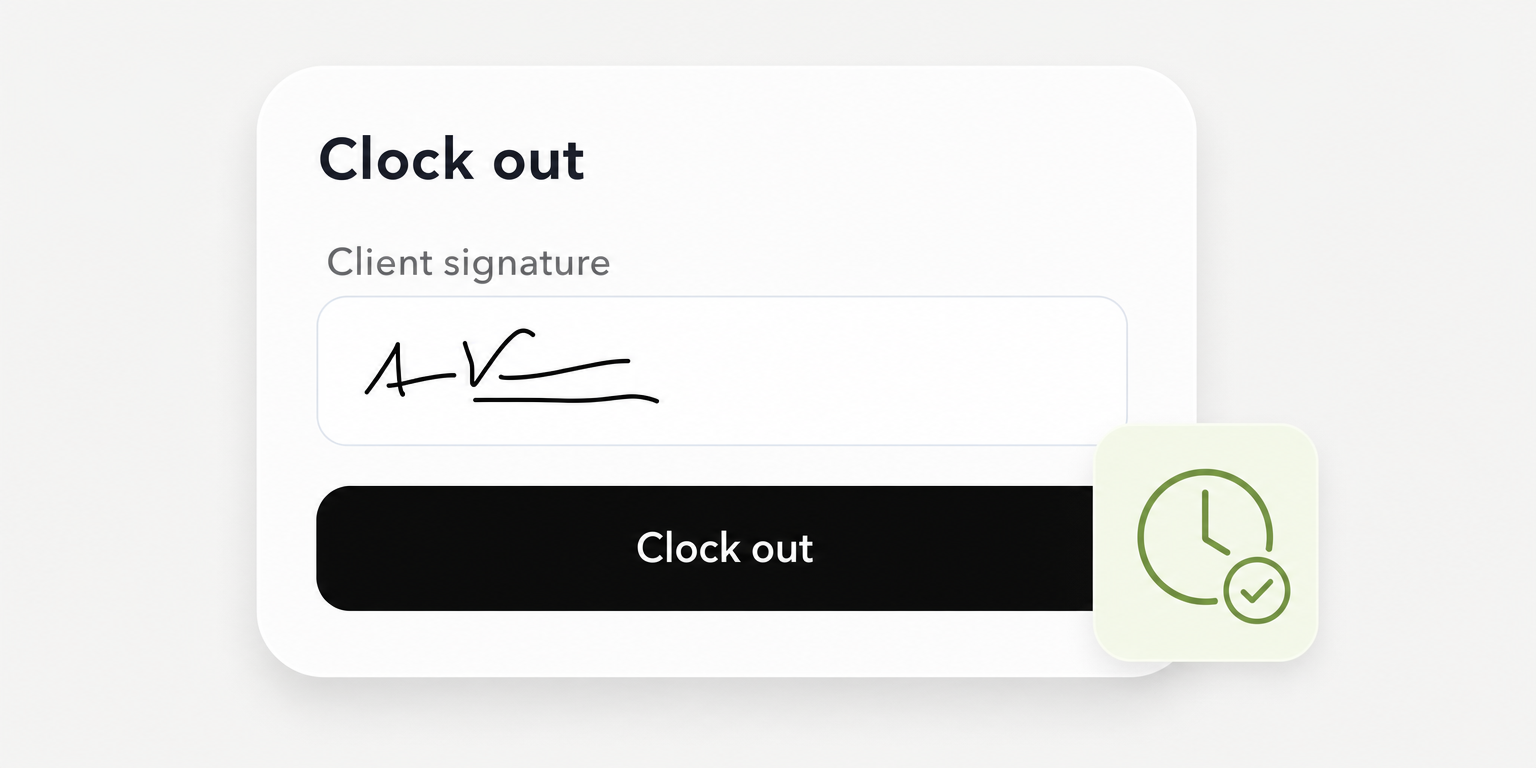
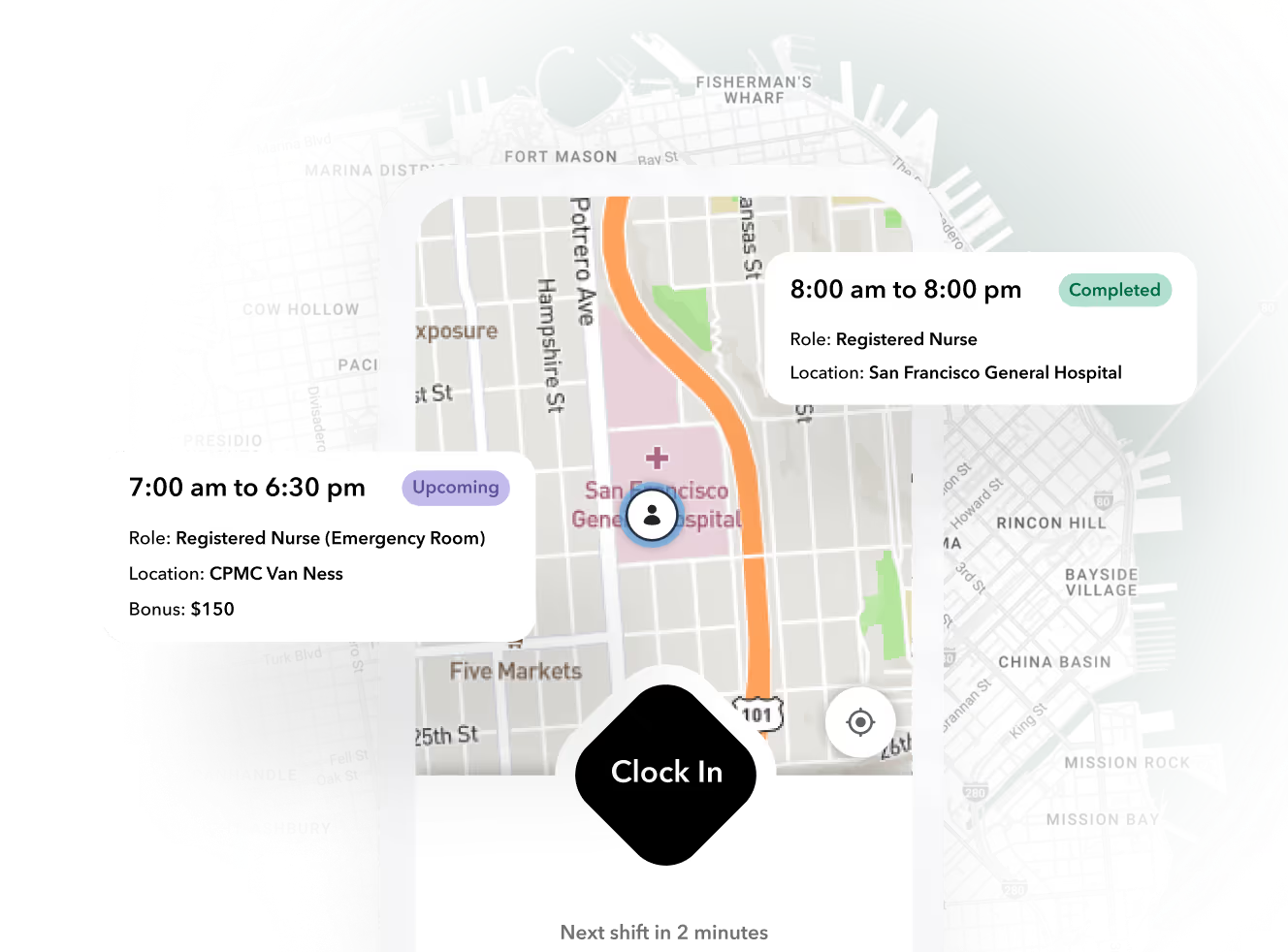
- Worker-initiated mobile clock-in. Workers punch on their own phone before they walk through PPE and screening — not after they reach the line. Teambridge's Mobile App puts clock-in on the worker's device so the punch happens at the perimeter, not the workstation.
- Geofence tied to the actual client-site perimeter. The geofence should match where the worker first comes under client control — the outer gate, not the timekeeping kiosk. Time Tracking supports geofenced clock-in with GPS verification and automatic overtime calculation.
- Exception flags on timestamp mismatches. When a badge-swipe log or RF-scanner login predates the timecard punch by more than 2 minutes, the system should surface the exception before payroll runs, not after a demand letter.
- Per-client policy configuration. A California site should not inherit a Texas rounding rule. Rules for donning, screening, meal auto-deduct, and rounding should be configurable per client, per state.
The common failure mode is running the same timekeeping policy across every client because the legacy system doesn't support anything else. That is a class-certification gift.
Tip
If your current timekeeping system requires workers to clock in at a fixed kiosk inside the facility, you are structurally forcing off-the-clock pre-shift time. The kiosk location is the exposure.
Auditing Your Own Exposure: A Two-Week Timecard Review
Before the demand letter arrives, run the audit yourself. Two weeks, three highest-volume client sites, three data pulls.
The Playbook
- Pull 14 days of timecards across your three highest-volume light industrial clients. Export by worker, by shift, with punch timestamps to the minute.
- Request the client's badge-swipe log for the same window. Most warehouse clients can produce this from their access control system. If they refuse, that's a signal in itself — put it in writing.
- Request the client's WMS or RF scanner login log if available. First-scan-of-shift is a defensible proxy for the start of principal work.
- Reconcile timestamps. For each shift, calculate: (first badge swipe) minus (first agency clock-in). Any negative delta greater than 2 minutes is a putative class member.
- Segment by client, by supervisor, by state. Concentration by client is your operational exposure. Concentration by state is your legal exposure — California, Pennsylvania, and Illinois patterns should get triaged first.
- Extrapolate the damages model. Average delta × workers × workweeks × applicable multiplier (regular rate, overtime uplift, waiting-time penalties, PAGA). This is the number you're insuring against.
Statute of limitations matters here. Federal FLSA claims typically reach back two years (three for willful violations). State claims run longer — California is four years under the UCL. Each workweek is a separate claim. The audit window you don't run is the one plaintiffs' counsel will.
Important
Do not run this audit in email. Attorney-client privilege only attaches to a documented directive from counsel. Have your employment counsel scope and direct the audit before you pull the first timecard.
Rewriting the Client MSA So the Site Can't Force Uncompensated Time
Most staffing MSAs are silent on when the workday starts for compensable-time purposes. That silence defaults the risk to the agency.
The MSA rewrite has three components:
- Client acknowledgment of the perimeter. The client acknowledges in writing that any mandatory activity inside the site perimeter — including PPE, security screening, safety huddles, and system logins — is compensable time payable by the agency and billable to the client.
- Pre-shift cost pass-through. The bill rate includes a defined pre-shift buffer (typically 10-15 minutes) that the client is billed for and the agency pays the worker for, regardless of whether it appears on the punch clock. This is the single largest lever, and clients push back on it — expect to negotiate.
- Audit rights on client-side logs. The agency has quarterly rights to pull badge-swipe and WMS logs to reconcile against timecards. Without this clause, you cannot run the audit above.
One caveat worth naming plainly: EPLI is not a substitute. Wage-hour class actions are typically excluded from employment practices liability coverage, and even where covered, defense costs eat sub-limits fast. The MSA is your primary hedge.

The 30-Day Move: Stop the Bleeding Before the Demand Letter Arrives
Three concrete moves, executable in 30 days, in this order:
- Week 1 — Switch to worker-initiated mobile clock-in with perimeter geofence. Deploy on your top three client sites first. The goal is to move the punch from the kiosk to the phone, and from the workstation to the gate.
- Week 2-3 — Run the two-week reconciliation audit under privilege. Segment by client and state. Prioritize California, Pennsylvania, and Illinois placements. Build the damages model.
- Week 4 — Push MSA amendments to the top five client sites. Lead with pre-shift buffer billing and audit rights. Frame the ask around shared class-action exposure — sophisticated clients understand the joint-employer risk and will negotiate.
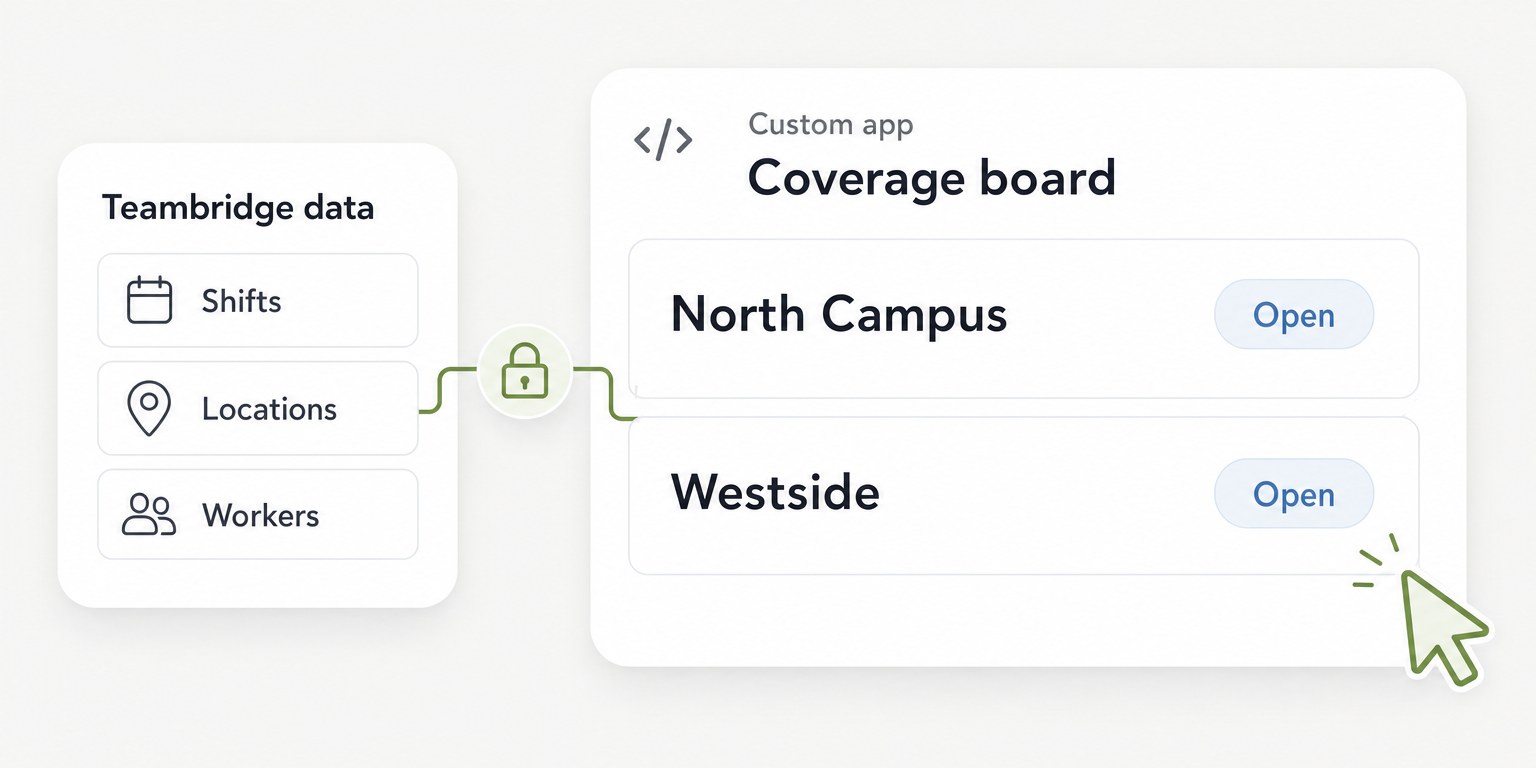
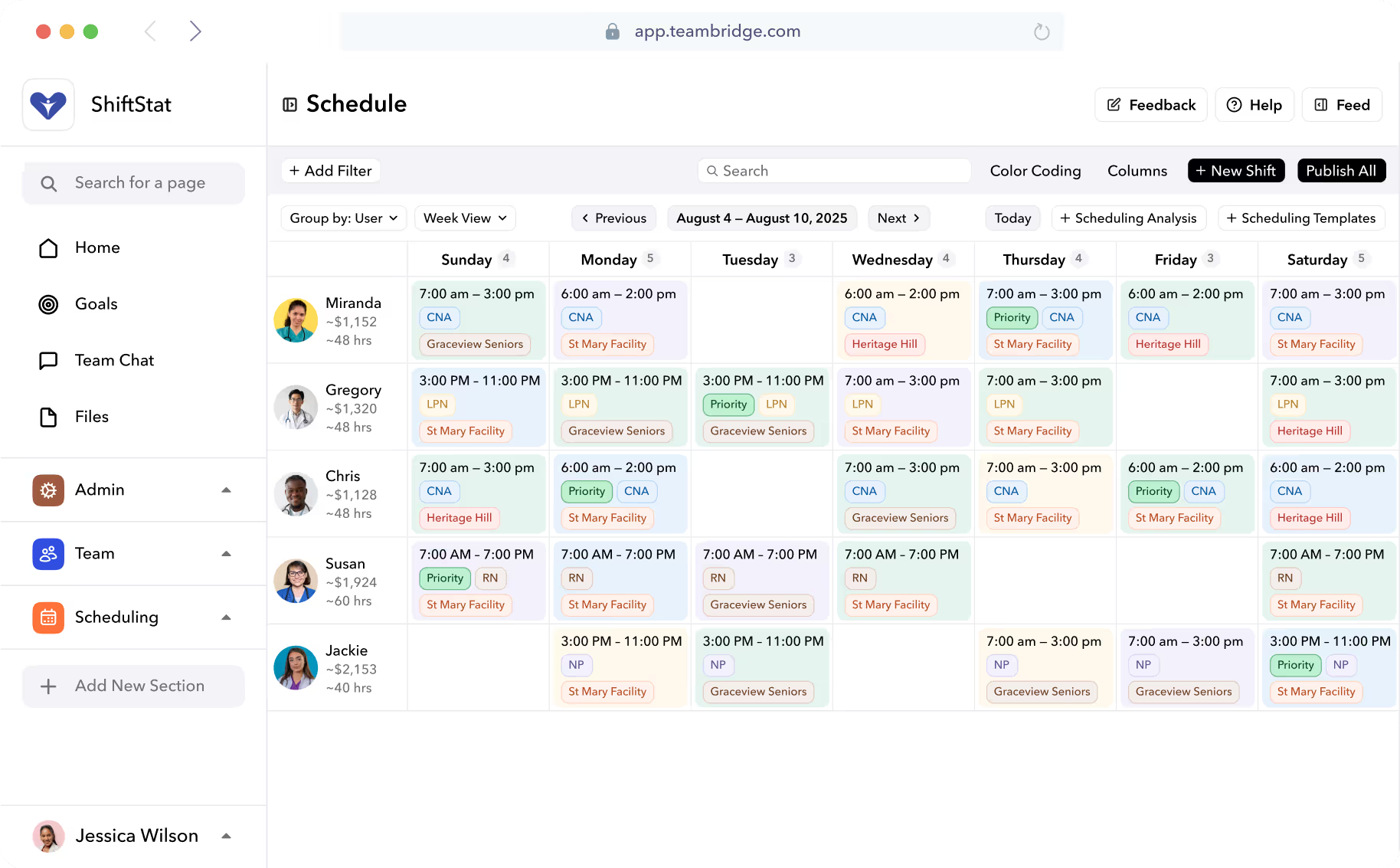
The operational stack that supports each of these — worker-side mobile clock-in, geofenced Time Tracking, per-client policy configuration, exception handling — is what Teambridge built for staffing agencies running high-volume, multi-site placements. The platform ties scheduling, timekeeping, and pay together so that a policy change at one client site does not require six separate integrations.
The agencies that close this gap in the next 30 days will not appear in the next round of class action captions. The ones that don't will find their names in a subpoena caption they didn't design and can't easily defend.
Pre-shift time is not a client-site problem. It's a timecard problem. And the timecard has your name on it.

About the author

Content Writer at Teambridge
Anis Nanai is a content writer at Teambridge, with a focus on workforce management and the realities of running hourly teams. He prioritizes conversations with customers, staying close to the market, and understanding how workforce needs are changing. His writing connects those concerns to practical decisions about scheduling, time tracking, staffing, and automation. He examines product developments through the questions that matter to operators: what does this solve, how would it work for my team, and what evidence supports it?
Company perspective: this author works at Teambridge. Customer outcomes are attributed to their published sources.
View LinkedIn profile