

Why one approved UI claim quietly resets your bill rate for three years
State Unemployment Tax (SUTA) is experience-rated. Every approved claim charged to your account raises the rate applied to every payroll dollar you process the following year, and often the two years after that. For a light industrial agency running high volume at low margins, that math gets ugly fast.
Run the numbers on a mid-sized book. A jump from a 2% to a 3% SUTA rate on 100 workers earning $500 a week is an extra $500 a week in tax, or roughly $26,000 a year in pure margin loss. That's before you count the claims themselves.
Light industrial and low-skill placements are structurally exposed to this in a way white-collar staffing isn't. Workers rarely hit the taxable wage base before an assignment ends, so nearly every payroll dollar is SUTA-taxable. Turnover restarts the tax cycle on every new hire. And staffing firms see higher volumes of unemployment claims due to short-term assignments, frequent client-controlled terminations, and the transitional nature of temp work — once an assignment ends without immediate reassignment, or a client releases a worker for attendance or poor performance, staffing agencies are usually the employer of record attached to the claim.
Note
Every claim you fail to contest properly compounds. It's not one hit — it's a rate change applied across your entire payroll for years.
The 10-day response window is where staffing agencies lose the claim
Here's the mechanic that most operators underestimate. When a worker files, the state sends a request for information to the agency. Most states allow 10 to 14 days to respond, and a late or incomplete response can lead to automatic approval — costing your agency both money and your right to contest.
This window exists because of the 2011 Unemployment Insurance Integrity Act. The Act prohibits states from relieving employers of charges to their unemployment tax account when a payment was made because the employer, or an agent of the employer, was at fault for failing to respond timely or adequately to the request from the unemployment insurance division for information relating to the claim. In practical terms: even if the worker was ineligible, if you missed the deadline or your response was thin, you eat the charge.
States went further than the federal minimum. Fifteen states now have legislation that denies relief from charges after the very first instance of a failure to respond timely or adequately, and sixteen states can deny the employer the right to appeal an adverse determination if the initial response was inadequate or late. One late response, no appeal, three years of rate impact.
Now picture the operational reality at most agencies. A recruiter has to reconstruct, from memory and scattered messages: which shifts were offered on which days, at which client, at what wage, at what distance from the worker's home, and how the worker responded. From a Slack thread. From personal texts. From a spreadsheet the branch manager updated on Tuesdays. In ten days. Across dozens of concurrent claims.
They lose by default. Not because they're lazy — because the data was never captured in a system.

The two events that decide the claim
Every UI adjudication for a temp worker comes down to two moments. If you can prove what happened at both, you win most contested claims. If you can't, you lose them.
Refusal of suitable work
When a worker's assignment ends and the agency offers a reassignment, the worker's response matters more than anything else. If they accept, no claim. If they decline without good cause and the offered work is comparable in wage, hours, and location, benefits can be denied.
But "comparable" is not a vibe. It's a data comparison. State adjudicators want to see the prior assignment's wage, the new offer's wage, the hours, the shift, the commute distance, and the worker's stated reason for declining. Federal law gives workers cover here: states may not deny unemployment benefits to eligible employees for refusing to accept "new work" if the wages, hours, or other conditions of the work offered are substantially less favorable to the individual than those prevailing for similar work in the locality. Your job as the agency is to prove the offer was comparable — and that requires structured data, not a recruiter's recollection.
Assignment end
The second moment is separation itself. Was the worker released for lack of work at the client? For attendance issues? For misconduct? Did they walk off? Did the agency offer reassignment before the worker filed?
The distinction determines everything. A worker released after repeated policy violations (misconduct) is less likely to qualify than one let go after client downsizing (good cause). But if your end-of-assignment record just says "ended" or "client requested removal," you have nothing to work with when the state asks why.
What good documentation actually looks like to a state adjudicator
Here's what states want in the response packet, and what most agencies can't produce:
| Data Point | What the State Wants | What Most Agencies Have |
|---|---|---|
| Shift offer | Timestamped, with client, wage, hours, location | "I'm pretty sure I texted them Tuesday" |
| Delivery confirmation | Proof the offer reached the worker's device | Screenshot of an SMS, maybe |
| Worker response | Accept, decline, or no response — timestamped | Recruiter's memory |
| Reason for decline | Structured reason from the worker | Free-text or nothing |
| Wage/hours comparison | New offer vs. prior assignment | Two separate spreadsheets |
| Distance from home | Miles or commute time | Not tracked |
| Follow-up attempts | Timestamped outreach after initial offer | Slack DMs |
| Separation reason | Structured code (lack of work, misconduct, no-show, etc.) | Free-text field, often blank |
The contrast is stark. On one side, a clean chronological log with server timestamps. On the other, a recruiter at an appeal hearing saying "I definitely offered him something at Warehouse B, I just can't find it."
Adjudicators don't split the difference. If the employer can't produce records, the worker's account stands.
Ready to move?
Ready to see Teambridge in action?
Capturing the data in the system workers actually use
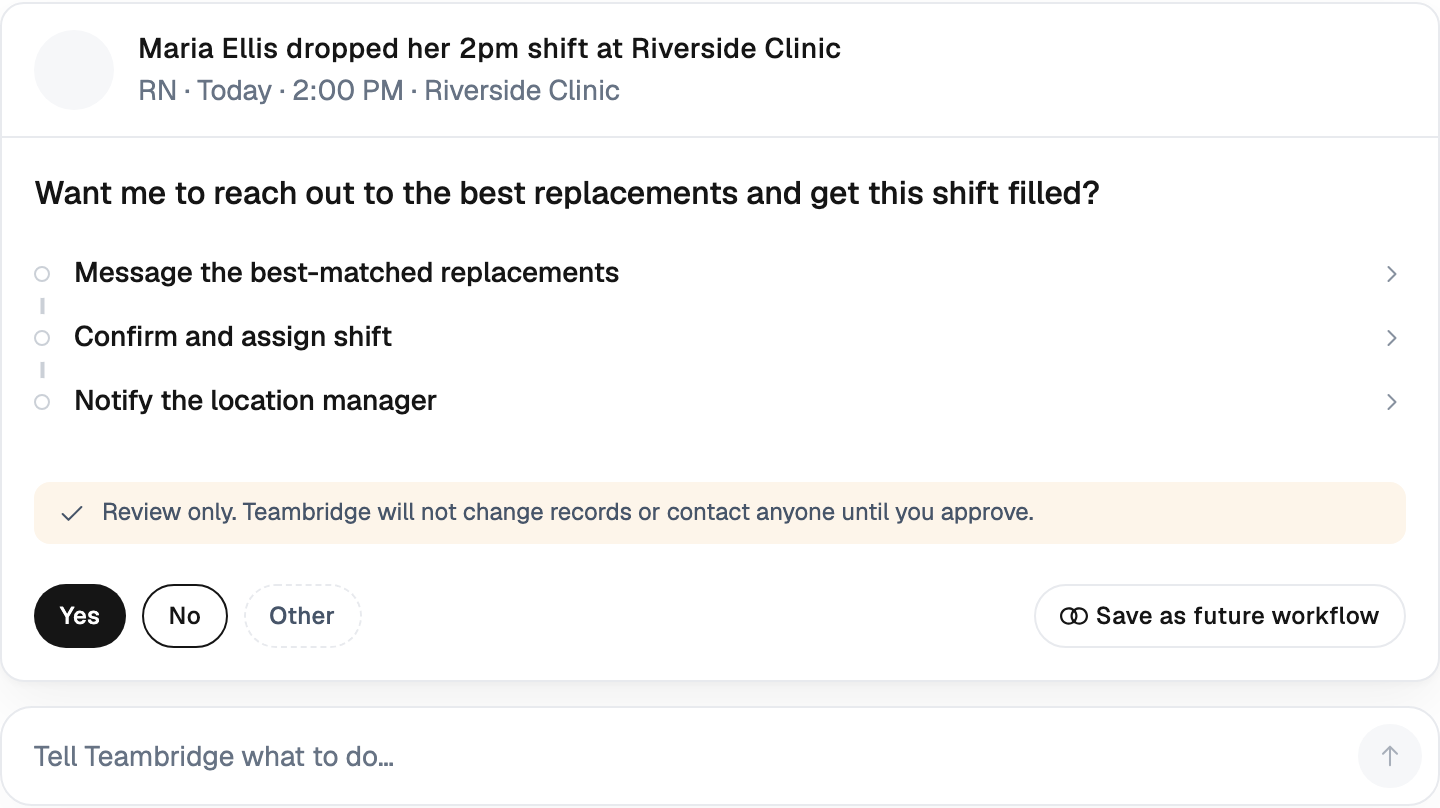
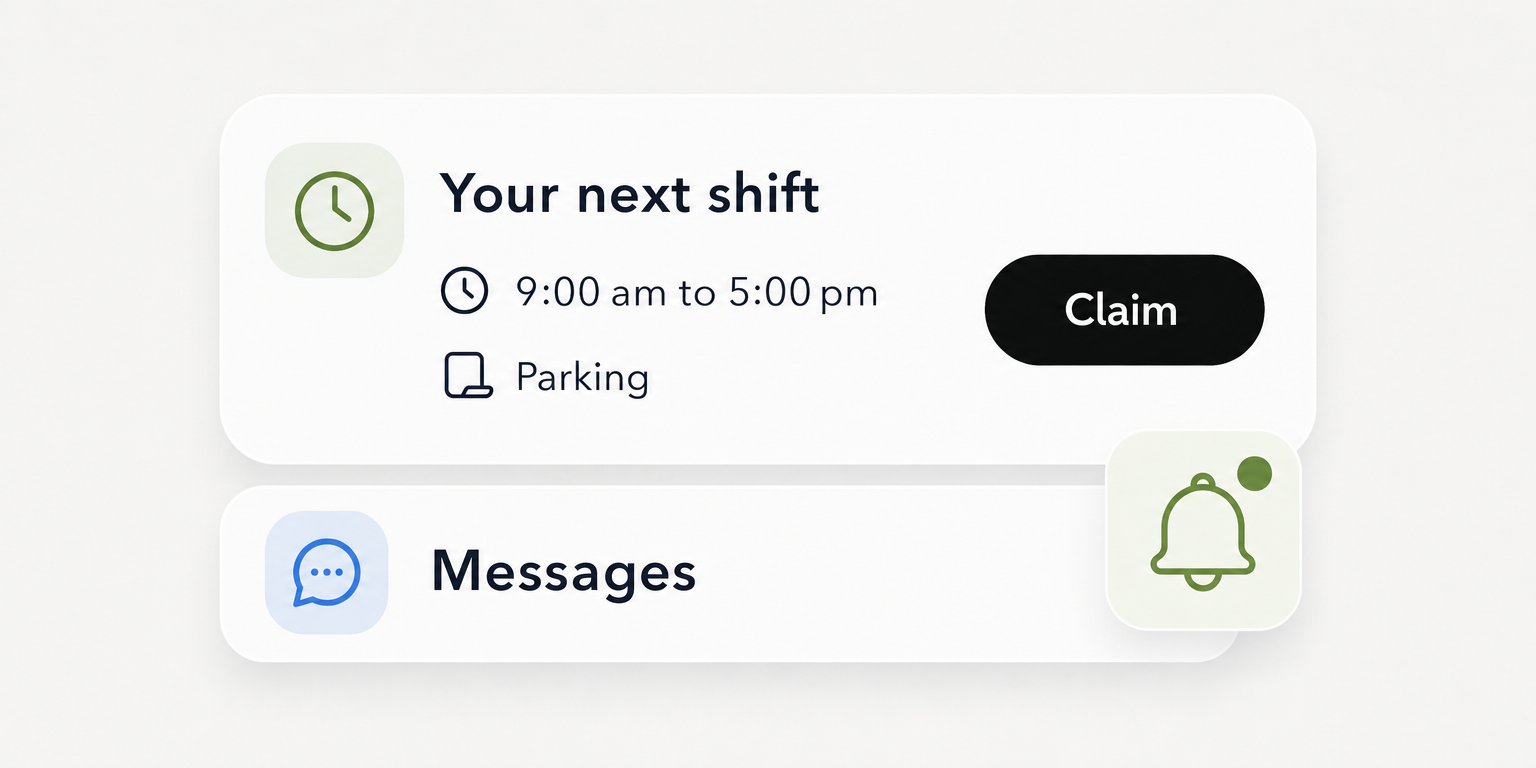
The operational fix is not another spreadsheet or a mandate to "document better." It's routing every shift offer through the same mobile app the worker already uses to clock in, view schedules, and get paid.
When the shift offer lives in the app, six things get logged automatically without recruiter effort:
- The offer itself, with client, role, wage, hours, and location — timestamped by the server.
- Delivery to the worker's device (push notification receipt).
- When the worker opened the offer.
- The worker's response: accept, decline, or timeout.
- If declined, a structured reason from a controlled list (schedule conflict, distance, wage, personal, other).
- Recruiter follow-up messages, in the same thread, timestamped.
That's the packet. It writes itself. When the state asks, you export it.
The same logic applies to assignment end. Instead of a free-text "why did this end" field, the recruiter or client-facing manager picks a structured code: lack of work at client, client-initiated for performance, client-initiated for attendance, worker no-show, worker declined extension, worker quit, misconduct. Structured codes are the difference between an appeal you can win and one you can't.
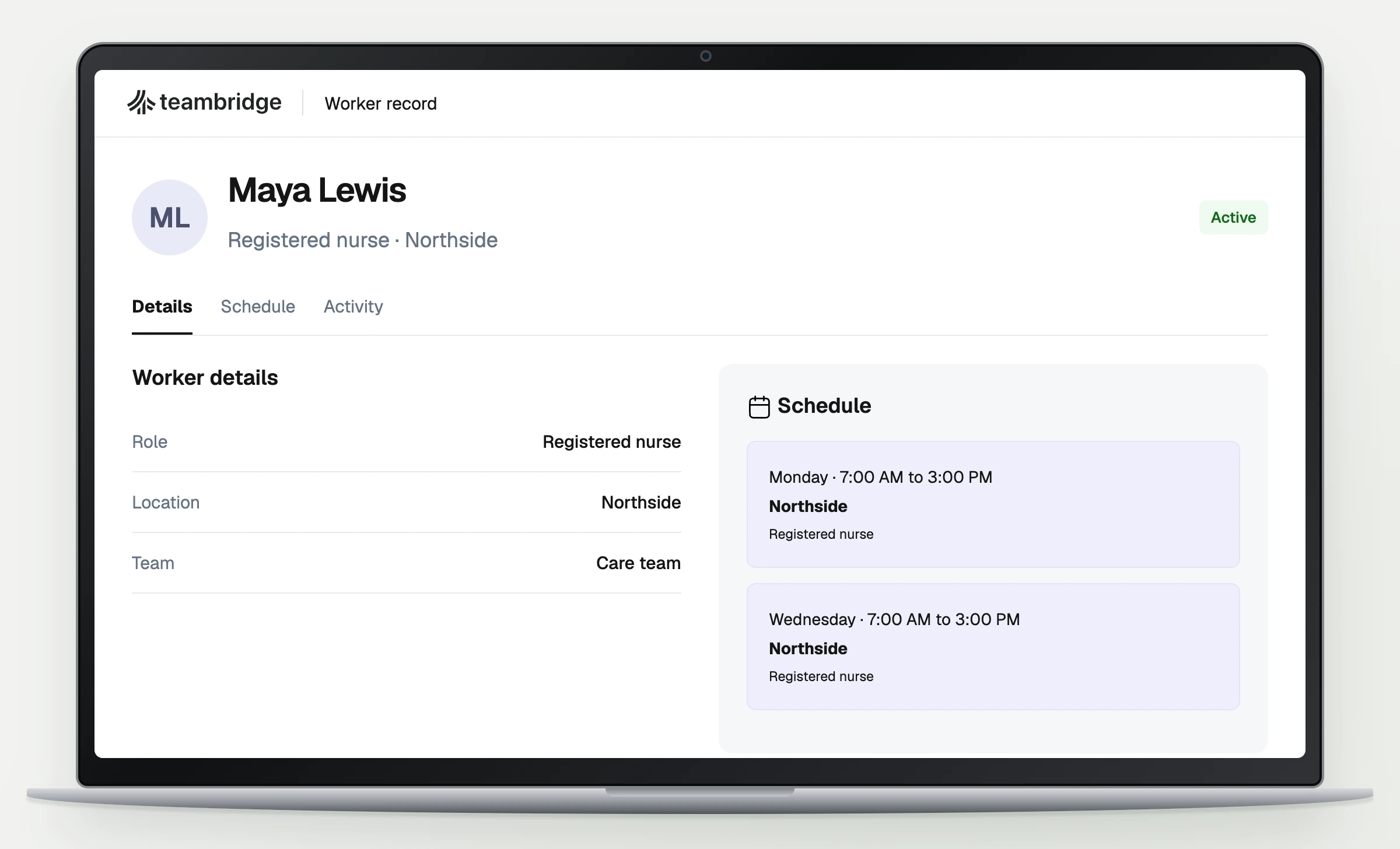
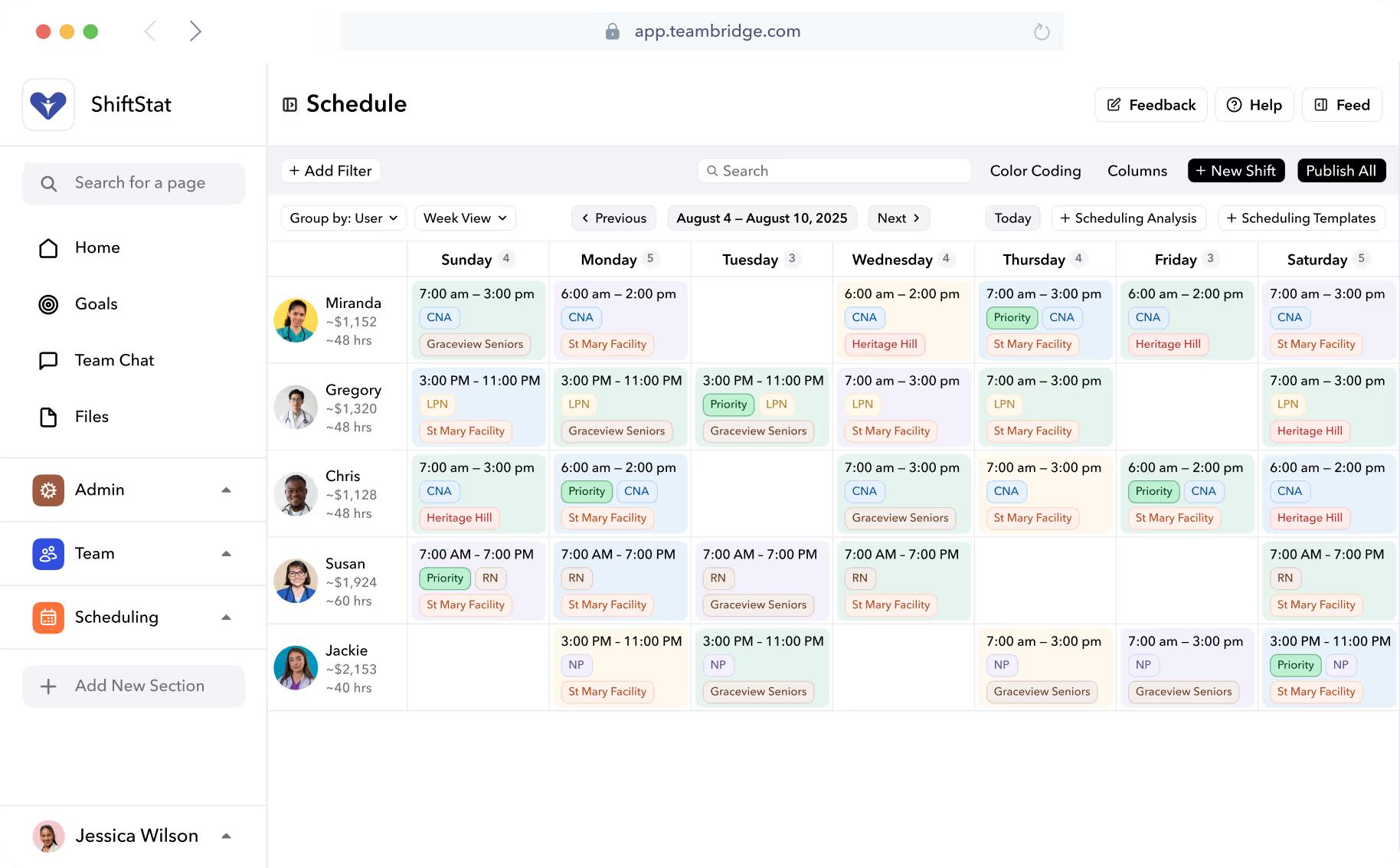
This is what Teambridge's scheduling module and mobile app are built to do — capture every state-change event on a worker record as it happens, not after the fact. For light industrial operators running high-volume shift work, this is not optional infrastructure. See how it's set up for warehouse and fulfillment staffing.
Tip
If your recruiters are the source of truth for shift offers and refusals, you have no source of truth. Move the offer into the worker-facing app and the record becomes automatic.
The 'contact between assignments' trap in 17+ states
There's a provision most agencies know exists but few operationalize. In more than a dozen states, a temp worker who doesn't contact the agency for reassignment before filing UI can be treated as a voluntary quit. That disqualifies the claim outright.
Seventeen states — Arkansas, Colorado, Connecticut, Delaware, Florida, Georgia, Idaho, Iowa, Kansas, Michigan, Minnesota, Nebraska, New Mexico, North Dakota, Oklahoma, Rhode Island, and Texas — have this provision. Texas is one of the strictest: if your last job was for a temporary agency, you must immediately contact the temporary agency for a new assignment, wait three business days after your last assignment ended before applying for benefits, and the agency has three business days to offer you a new assignment.
Here's the catch that gets agencies. To invoke the provision, the agency must be able to prove two things: (1) the worker was informed of the requirement in writing at hire, and (2) the worker did not, in fact, contact the agency in the required manner. Massachusetts case law makes the standard concrete: notice of the need to request a new assignment must include the procedure for making that request, and the procedure is deficient where the written notice does not include a contact phone number for the employer's office.
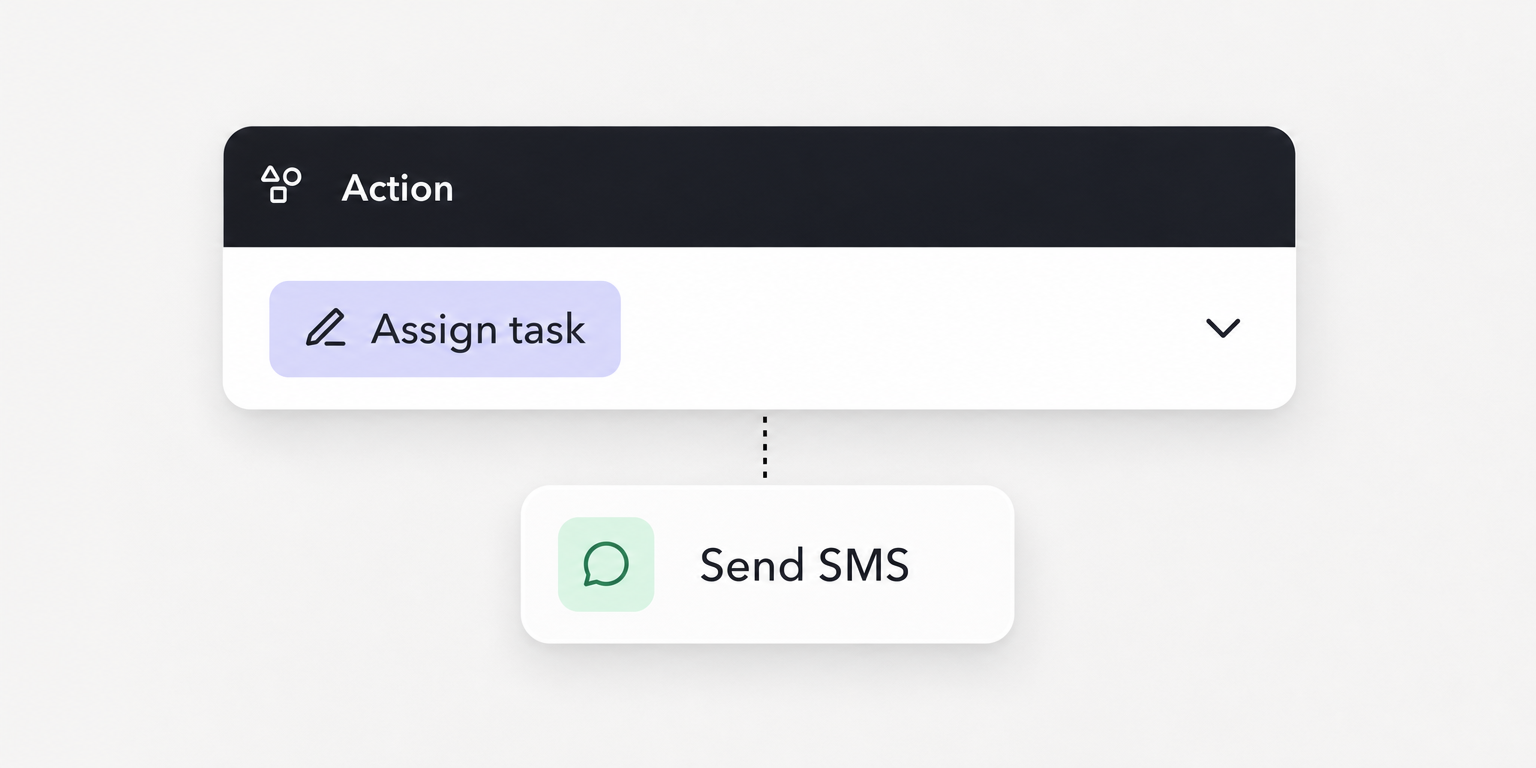
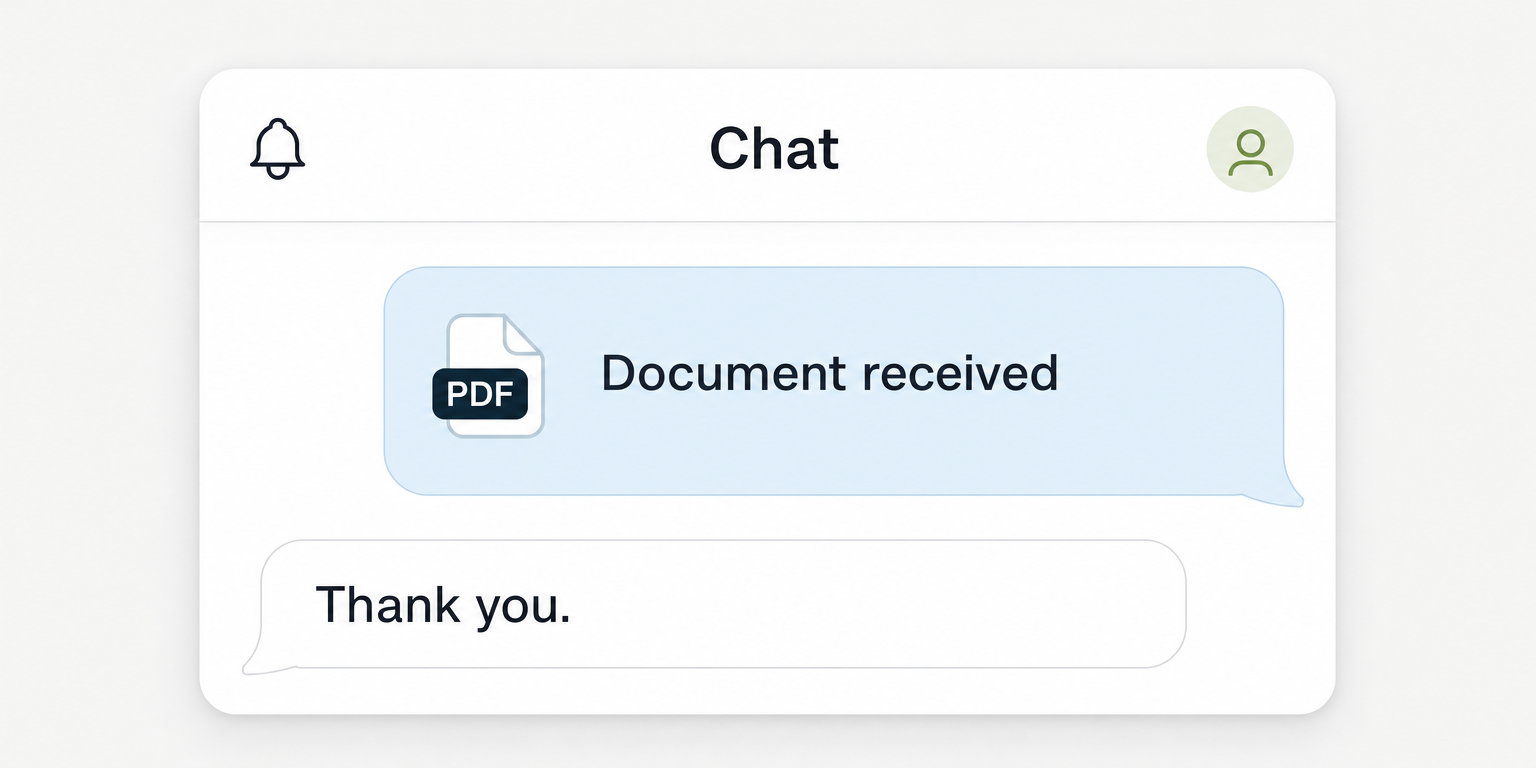
A mobile app solves both sides of this. The worker gets a documented "request next assignment" flow they can tap the day their assignment ends. When they use it, the worker is protected and the agency has a shot at reassignment. When they don't use it and file directly with the state, the agency has a timestamped record showing the worker was informed of the requirement, had access to the tool, and skipped it.
That's a defensible "voluntary quit" argument. Without the app, it's your word against theirs.

Building the appeal packet in minutes instead of days
When the data was captured at the moment, the appeal packet stops being a research project. It becomes a report.
For any worker with an open claim, the recruiter or claims administrator pulls a single export showing:
- Every shift offered during the claim period, with client, wage, hours, and location
- Delivery and response timestamps for each offer
- Structured decline reasons and any follow-up thread
- Wage and hour comparison against the worker's prior assignment
- The separation code for the ending assignment
- Every "request next assignment" action the worker took, or didn't
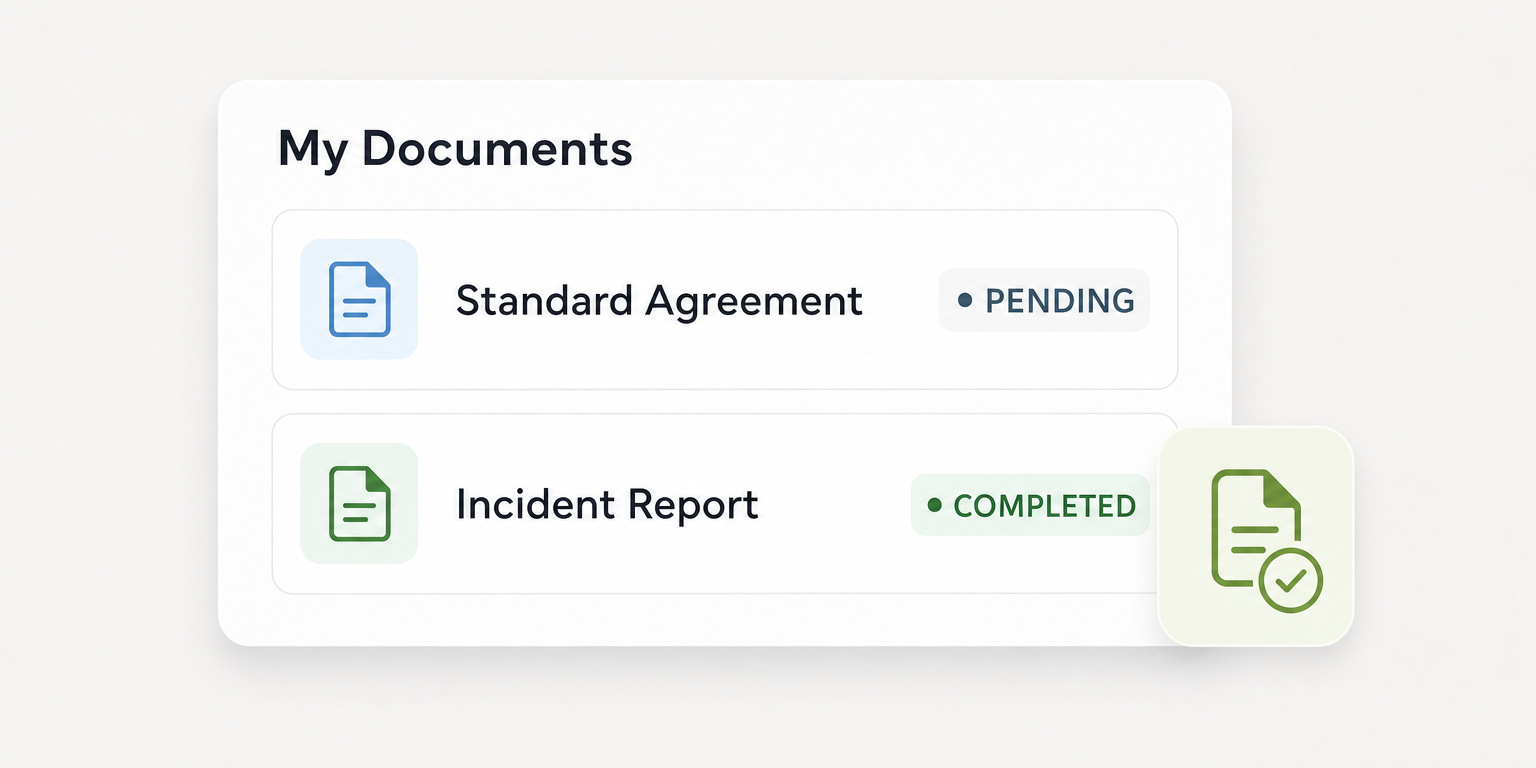
That's the entire packet a state adjudicator needs. It goes back with the response form inside the 10-day window, adequately, every time. Because it was captured at the point of the event, it also holds up on appeal without a recruiter trying to remember what happened four months ago.
Teambridge's admin tools surface this as a per-worker view for exception handling — pull the record, export the log, respond to the state. Not a research project. Not a fire drill. A report.
The recruiter isn't reconstructing history. They're pulling a report.
What agencies should audit this quarter
Before next quarter's claims cycle, run through this checklist with your operations lead. If you can't answer yes to all four, you are leaving margin on the table.
- Can you produce a timestamped shift-offer log for any active worker in under five minutes? If it takes longer, you will miss response windows on high-volume claim weeks.
- Does every ended assignment have a structured separation reason code, not free text? If not, half your claims lose on the merits before you even get to the wage question.
- Do your recruiters know the state-specific "must contact agency" rules for every state you operate in — and is the required notice delivered in writing at hire, with the contact procedure? Missing this is a free waiver on 17 states' worth of voluntary quit provisions.
- Are you responding to 100% of claims within the state's window, with adequate detail? In fifteen states, a single late or inadequate response triggers automatic denial of relief from charges. There is no margin for a miss.
The fix isn't a new SOP binder. It's moving the data capture into the tools the worker and the recruiter already touch every day — the schedule, the mobile app, the assignment record. When the event and the record happen at the same time, the appeal packet writes itself and the SUTA rate stops creeping.
See how Teambridge's staffing platform captures these events by default. For a deeper look at the underlying primary source on the 10-day rule, see Littler's analysis of the UI Integrity Act.

About the author

Content Writer at Teambridge
Anis Nanai is a content writer at Teambridge, with a focus on workforce management and the realities of running hourly teams. He prioritizes conversations with customers, staying close to the market, and understanding how workforce needs are changing. His writing connects those concerns to practical decisions about scheduling, time tracking, staffing, and automation. He examines product developments through the questions that matter to operators: what does this solve, how would it work for my team, and what evidence supports it?
Company perspective: this author works at Teambridge. Customer outcomes are attributed to their published sources.
View LinkedIn profile