

Why 24-Hour Live-In Cases Are a Back-Wage Claim Magnet
Third-party home care agencies can't claim the live-in overtime exemption. That carve-out belongs to private households and employers where the caregiver truly resides. If you're an agency placing caregivers on 24-hour cases, your live-in staff are non-exempt, full stop.
That means every hour you treat as unpaid sleep time has to survive scrutiny under the federal sleep-time rules — and every hour that doesn't survive is overtime at 1.5x the regular rate. One caregiver, one year of 24-hour shifts, a misapplied 8-hour nightly deduction: do the math and you're looking at tens of thousands in back wages from a single case.
Now scale it. Wage claims rarely stay individual. One caregiver talks to a lawyer, the lawyer looks at your payroll practice across the roster, and the DOL's multi-year lookback window turns one dispute into a six-figure class exposure. Agencies running dozens of live-in cases across multiple states are sitting on this risk right now, usually without knowing it, because their timekeeping system was never built to capture what actually happens between 10 p.m. and 6 a.m.
The Federal Rule: What FLSA Actually Lets You Exclude
Under 29 CFR 785.22, when an employee is on duty for 24 hours or more, you may exclude a regularly scheduled sleeping period of no more than 8 hours from hours worked — but only if all three conditions hold:
- An express or implied agreement exists between you and the caregiver to exclude the sleep time. Written is the only version that holds up in a dispute.
- Adequate sleeping facilities are furnished — per DOL guidance, that generally means a bed, linens, reasonable comfort, and access to bathroom and kitchen facilities.
- The caregiver can usually enjoy an uninterrupted night's sleep — which the DOL defines as at least 5 hours.
Miss any one of the three and the full sleep period is compensable. Not the interrupted portion. The whole thing.
Agencies also routinely conflate two distinct definitions under 29 CFR 785.23. A caregiver who resides on the premises "permanently" (lives there seven days a week) is different from one who stays for "extended periods of time" (works 24-hour-plus shifts). The sleep-time exclusion mechanics apply differently, and the agreement you need for each is different. If your template doesn't distinguish them, your documentation probably doesn't match your actual staffing model.
Ready to move?
Ready to see Teambridge in action?
The Interruption Trap: The 5-Hour Rule Nobody Logs
Here's where most agencies lose. Per DOL guidance, any interruption to the sleep period for a call to duty is compensable time. And if interruptions cut total sleep below 5 hours, the entire 8-hour sleep period flips to paid.
A caregiver who gets up twice at night for a total of 90 minutes of care hasn't just earned 90 minutes of pay. If those interruptions broke her sleep below the 5-hour threshold, the full 8 hours you deducted are owed.
Now ask the operative question: how would you know? The caregiver's timecard shows a 24-hour shift with 8 hours deducted. There's no record of whether she was up at 2 a.m. repositioning a client or asleep the whole night. When the wage claim arrives, her recollection — logged nightly in a notebook, or worse, reconstructed on a deposition outline — is the only evidence in the room.
Warning
Under the FLSA, the burden of accurate timekeeping sits on the employer. If your records don't capture night interruptions, the caregiver's testimony fills the gap — and courts and DOL investigators routinely credit it when the employer kept no contemporaneous records.
Agencies without night-shift logging don't lose this fight because the facts are against them. They lose because they have no facts at all.

When State Law Overrides Your Federal Math
Even a perfectly executed federal sleep-time deduction can be wrong under state law. Where state and federal rules conflict, the rule more favorable to the employee controls. On a multi-state roster, that means your payroll logic has to be jurisdiction-aware, not one-size-fits-all.
| State | Key rule that diverges from federal |
|---|---|
| New York | Live-in domestic workers hit overtime at 44 hours/week, not 40; weekly pay required; written notice of pay rates and deductions mandated under the NY Domestic Workers Bill of Rights |
| California | Daily overtime (over 9 hours/day for personal attendants) plus 45-hour weekly threshold under the Domestic Worker Bill of Rights; sleep-time rules for 24-hour shifts are narrower than federal |
| Massachusetts | Written contract requirements for certain domestic workers, recordkeeping mandates, and strict limits on lodging/food deductions |
| Oregon, Illinois, Connecticut, Hawaii, Nevada, Virginia | Each has a Domestic Workers Bill of Rights variant adding overtime, rest-day, notice, or deduction-limit requirements |
Nine states now have Domestic Worker Bills of Rights, and several more extend minimum wage and overtime to home care workers through other statutes. New York also has the 13-hour rule for home care attendants, which assumes 8 hours of sleep and 3 hours of meal time are actually available — an assumption agencies must be able to substantiate, not assert.
The practical consequence: a sleep-time deduction that's legal in Texas can be a wage violation in New York for the identical shift. If your payroll system calculates live-in pay one way everywhere, at least one state on your roster is wrong.
The Written Agreement Problem at Scale
The federal exclusion technically allows "implied" agreements. Betting a wage claim on an implied agreement is betting it on your lawyer's ability to argue custom and practice while the caregiver says she never agreed to anything. In practice, the exclusion only holds with a documented, signed agreement that specifies the sleep period, the conditions, and the interruption rules.
One agreement isn't the finish line either. At scale, agencies need:
- State-specific templates — a New York live-in agreement needs different language than a Texas one, and California's is different again.
- Tracked signatures — you need to know, at any moment, which live-in caregivers have a current signed agreement and which don't.
- Renewal workflows — assignments change, sleep schedules change, clients change. A stale agreement tied to a case that ended eight months ago protects nothing.
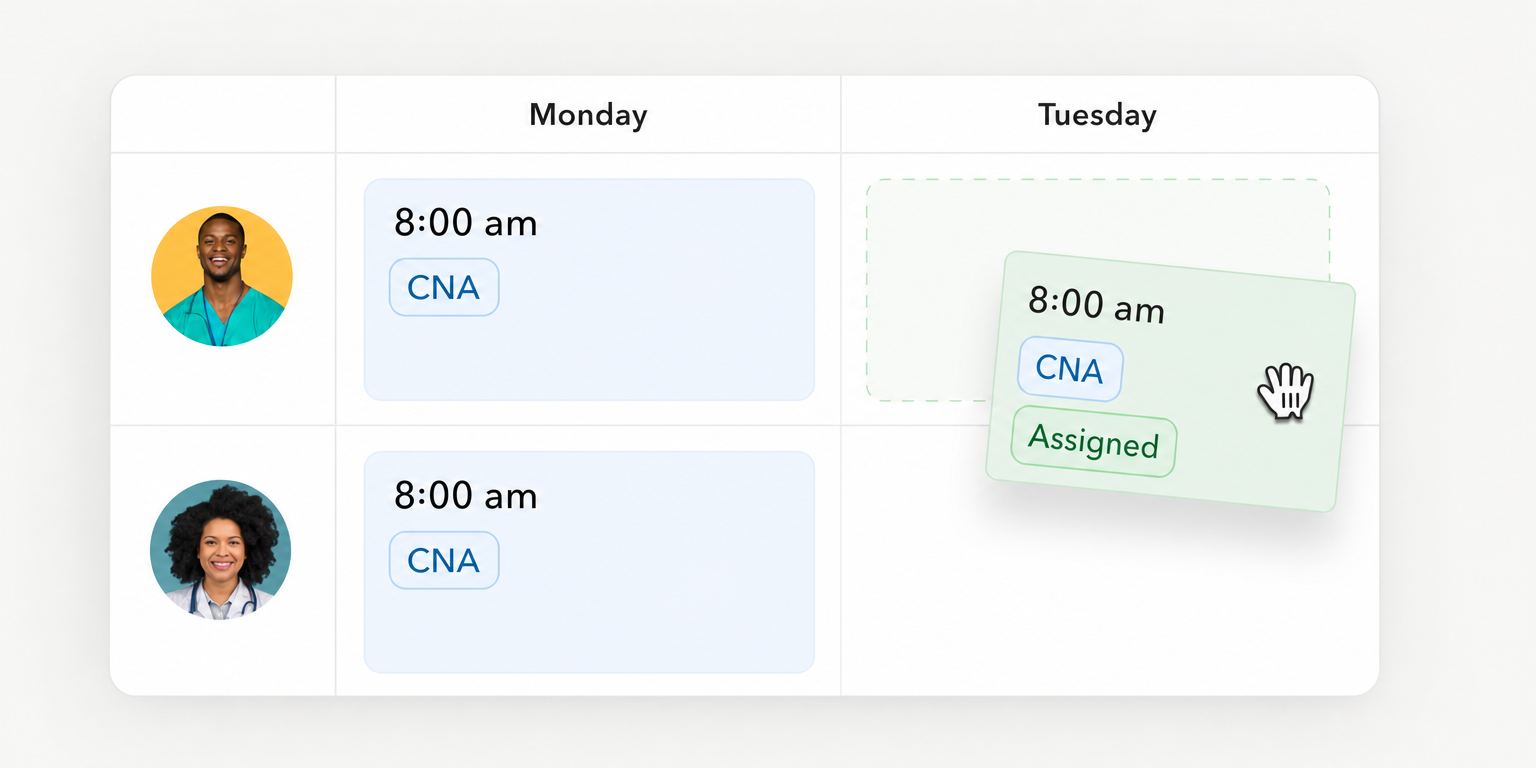
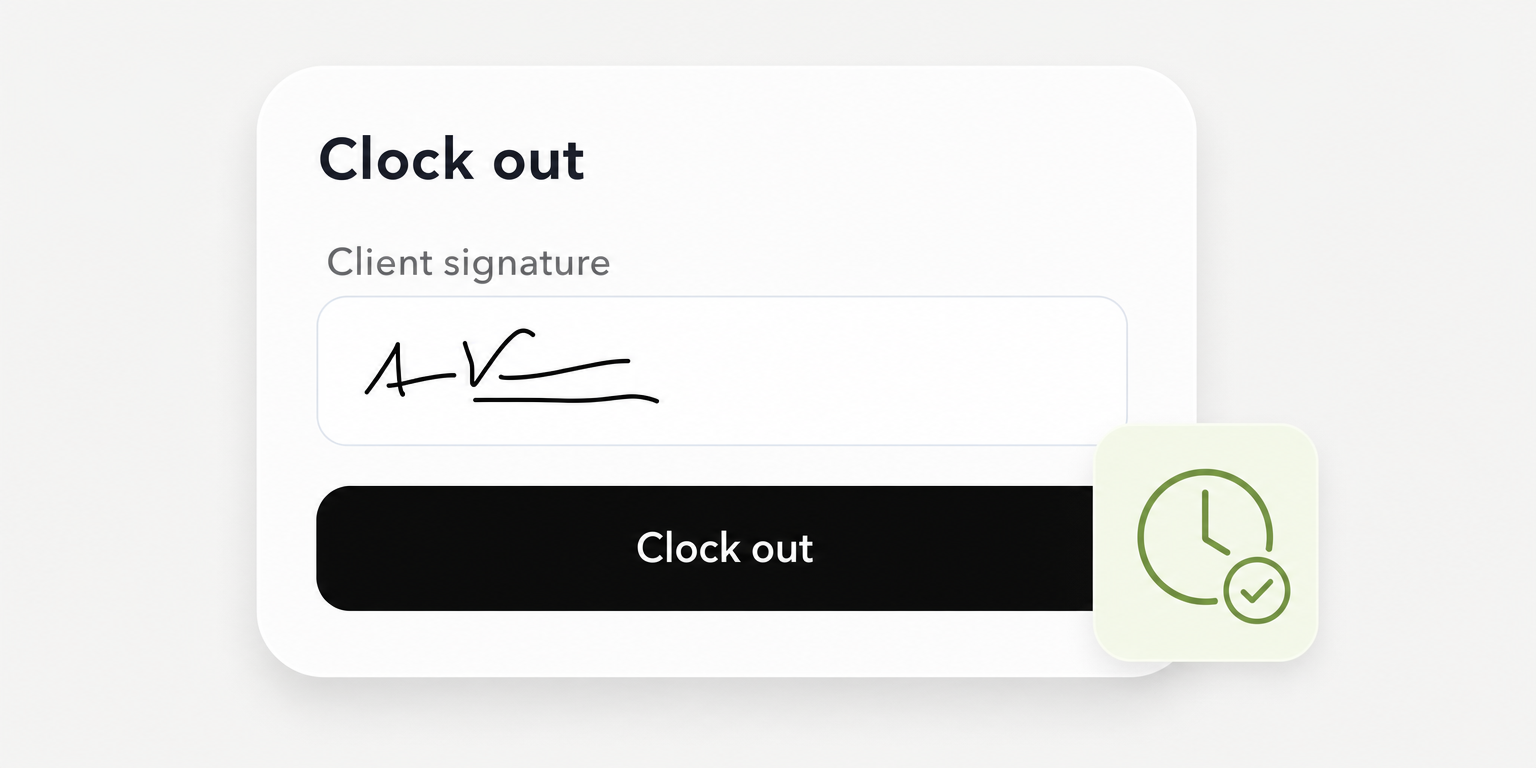
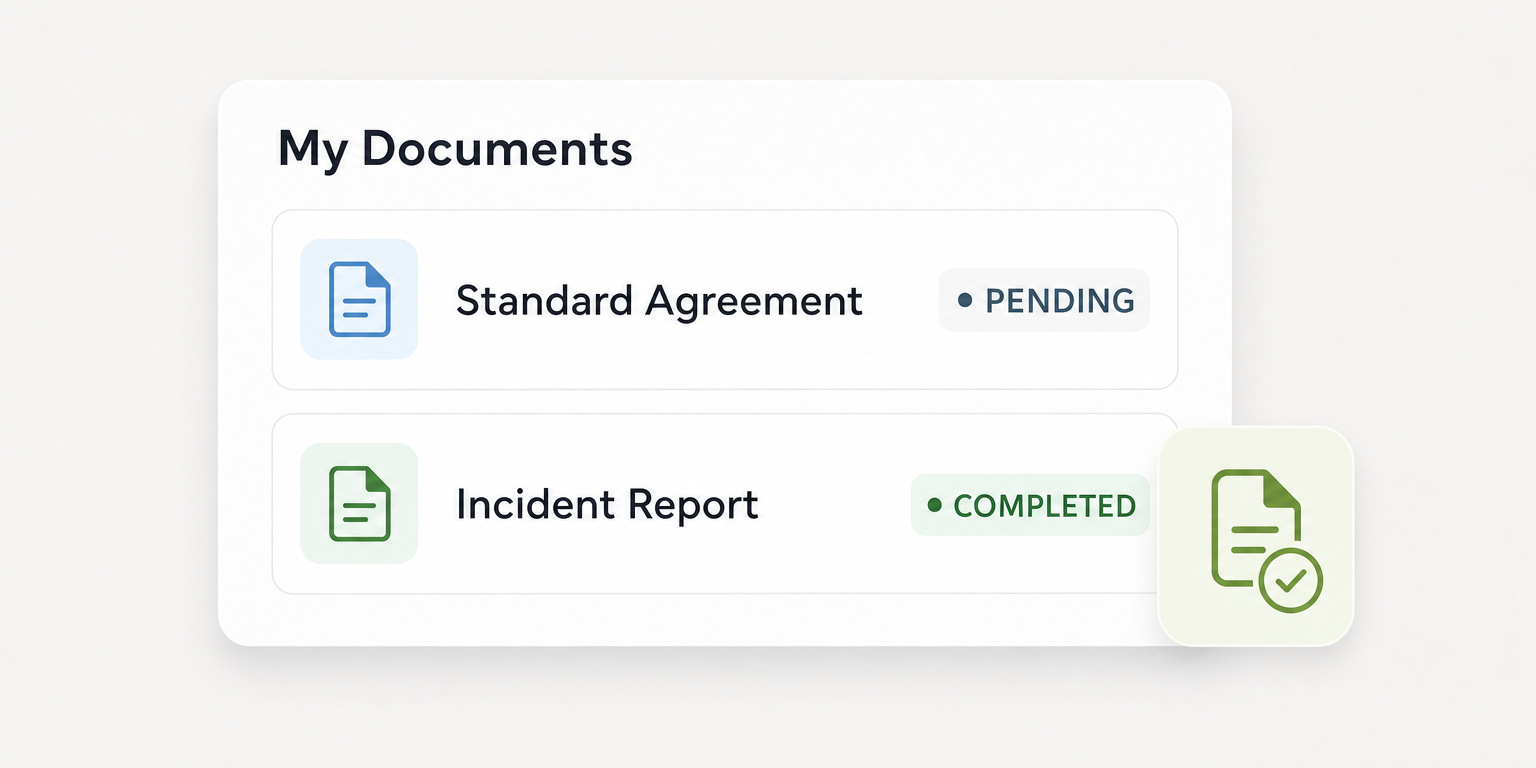
A PDF in a filing cabinet fails all three tests. This is where Teambridge's document workflows earn their keep: agreements are generated from the right template for the worker's state, signed digitally at onboarding, and flagged automatically when a caregiver starts a 24-hour case without a current sleep-time agreement on file.
Tip
Run a gap report quarterly: every active live-in assignment cross-checked against signed sleep-time agreements. Any case without one is accruing overtime exposure on every shift until it's fixed.
Logging Night Interruptions Without Burdening Caregivers
The fix for the interruption trap is operational, not legal. Caregivers need a way to log night interruptions in seconds, at the point of care, tied to the specific live-in case.
That looks like:
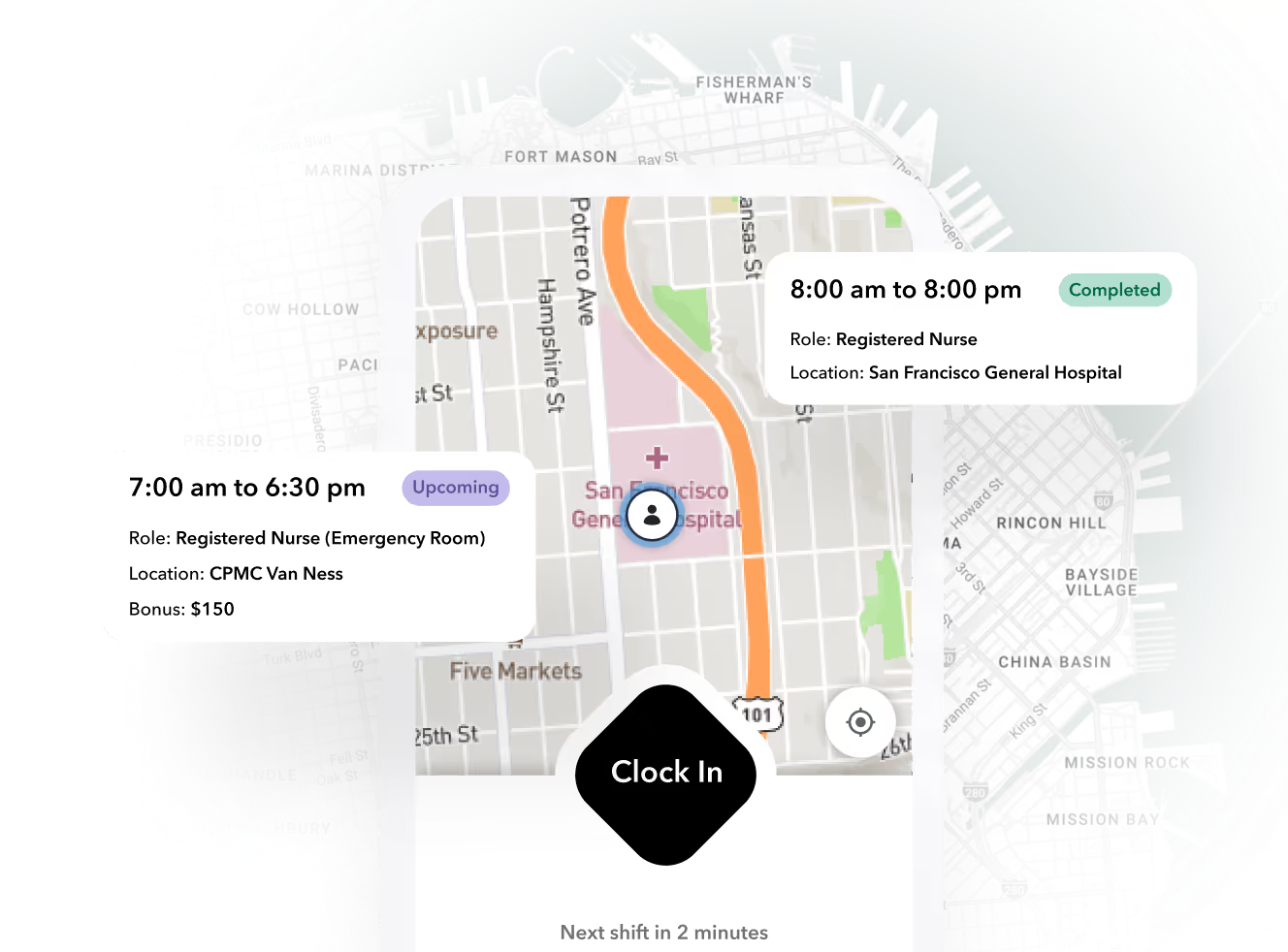
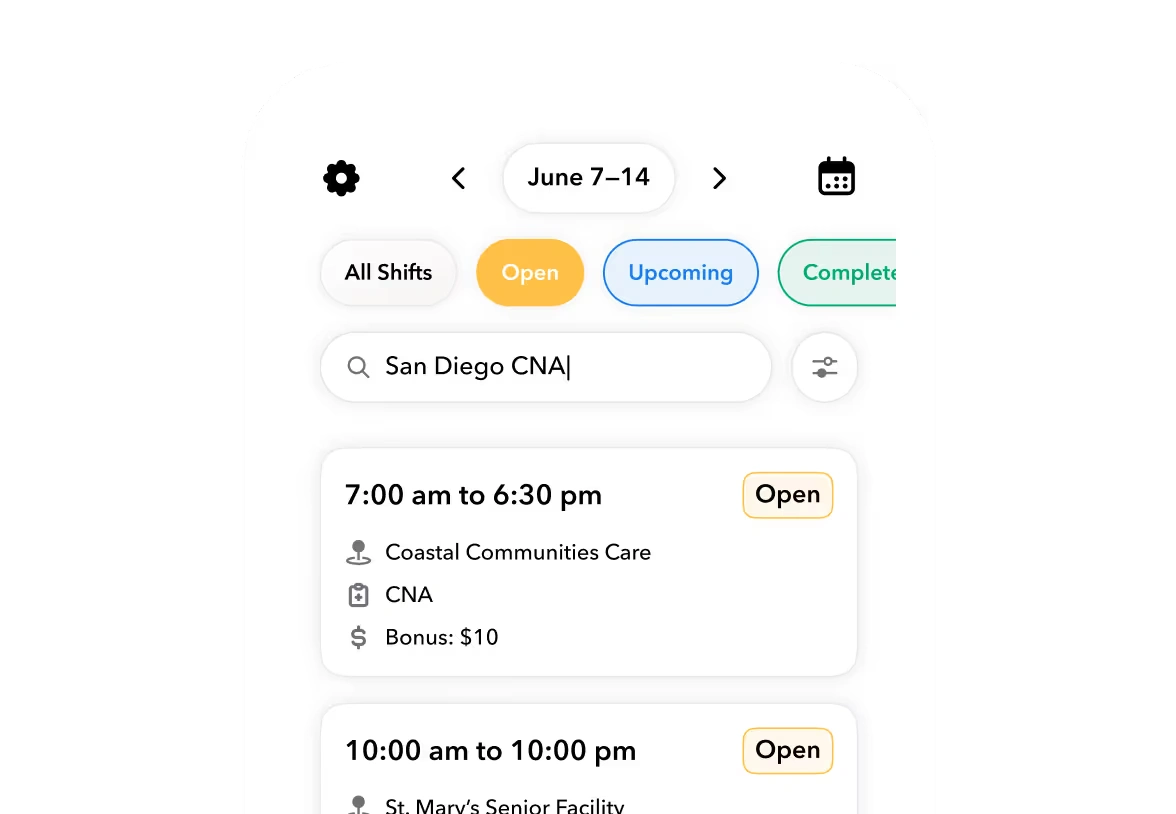
- Mobile clock-in for interruptions. The caregiver taps the app at 2:15 a.m., taps again when she's done. GPS and timestamp confirm it happened at the client's home, on that case.
- Automatic threshold flagging. The system accumulates interruption time against the sleep period. As total interruptions approach the 5-hour threshold, the case gets flagged — to the scheduler, to the coordinator, before payday.
- Automatic timecard conversion. When interruptions cross the threshold, the full sleep period flips to paid on the timecard without a human having to remember the rule.
This is exactly the workflow Teambridge Time Tracking was built for: GPS-verified clock-in, timecard exception handling, and automatic overtime calculation that applies the right sleep-time logic per case. For home care agencies running live-in rosters, it turns an invisible compliance gap into a logged, auditable event.
Critically, this protects caregivers too — they get paid for the work they actually did at 3 a.m., without having to fight for it later. Agencies that log interruptions report fewer disputes, not more. The ones drowning in claims are the ones with no records.
Audit-Proofing: Records That Rebut a Wage Claim
When a DOL investigator or plaintiff's attorney opens your file, the agencies that walk away are the ones with a recordkeeping stack that answers every question before it's asked:
- Signed sleep-time agreements for every live-in caregiver, state-appropriate, current, and retrievable in minutes.
- Timestamped interruption logs per case, per night — not reconstructed after the fact.
- State-by-state overtime calculations showing the correct threshold (40 vs. 44 vs. daily) was applied to each worker.
- Exception reports that surface risky cases — repeated near-threshold interruptions, missing agreements, unusual deduction patterns — before payday, not after a demand letter.
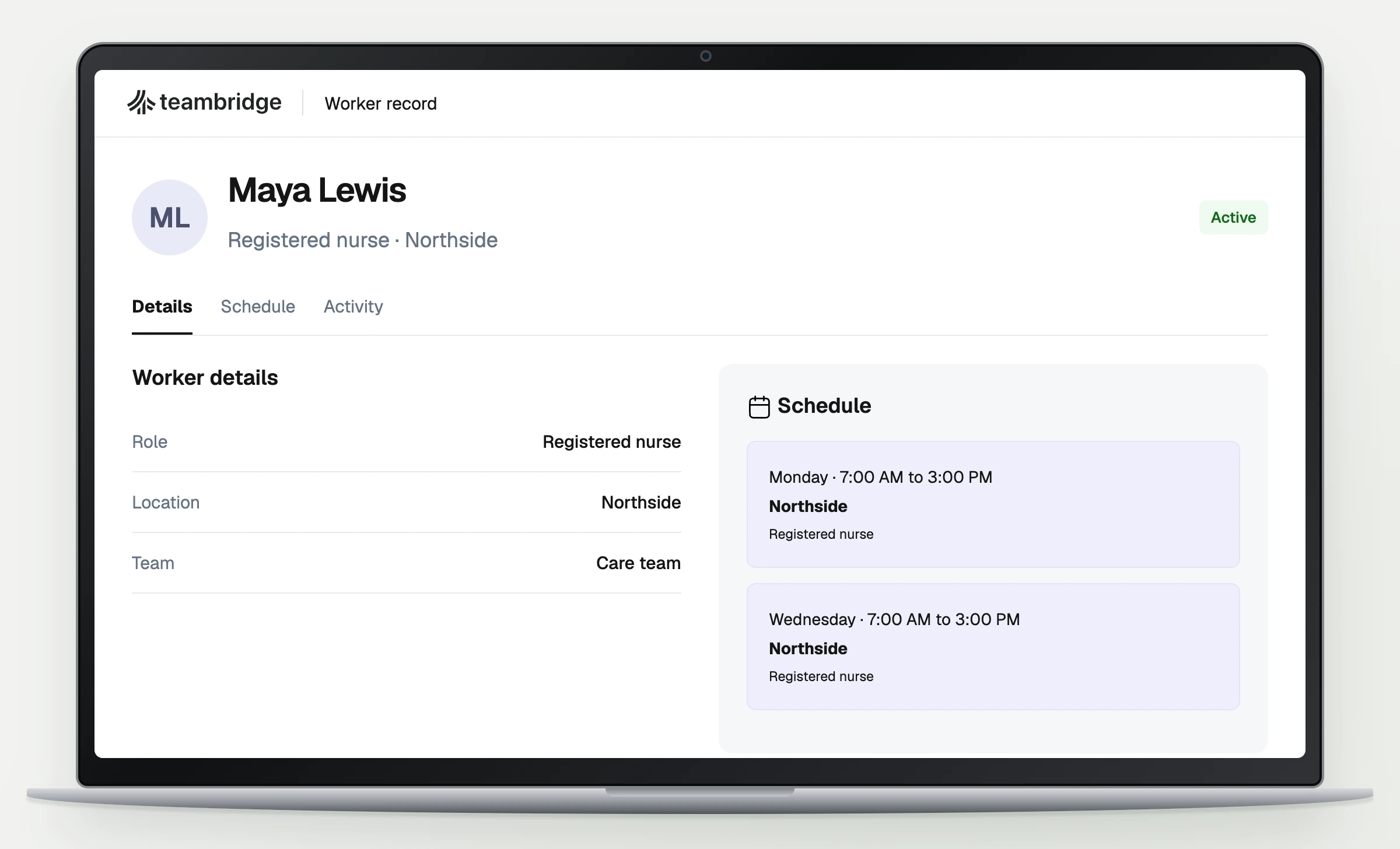
Teambridge Admin Tools gives operators the dashboard view of exactly this: bulk actions to chase missing signatures, exception queues for timecards that need review, and compliance reports you can hand to counsel or an investigator without a two-week archaeology project.
The agencies that settle back-wage claims aren't always the ones that did something wrong. They're often the ones that can't prove they did something right.
Stop Deducting Blind: Fix Sleep-Time Compliance Before the Claim
The operator's checklist is short:
- Agreements on file. Every live-in caregiver, every 24-hour case, state-specific, signed, current.
- Interruption logging live. Mobile, timestamped, tied to the case, with automatic 5-hour threshold flags.
- State rules coded into payroll logic. 44-hour thresholds, daily overtime, weekly pay requirements — applied automatically, not remembered manually.
Sleep-time deductions aren't inherently risky. Blind sleep-time deductions are. The agencies getting hit with six-figure claims are almost never running an illegal pay practice on purpose — they're running a legal one they can't document.
Teambridge automates live-in pay rules across multi-state rosters: agreement tracking, interruption logging, threshold alerts, and jurisdiction-aware overtime in one system. If you're running 24-hour cases, the time to fix this is before the first claim, not after.

About the author

Content Writer at Teambridge
Anis Nanai is a content writer at Teambridge, with a focus on workforce management and the realities of running hourly teams. He prioritizes conversations with customers, staying close to the market, and understanding how workforce needs are changing. His writing connects those concerns to practical decisions about scheduling, time tracking, staffing, and automation. He examines product developments through the questions that matter to operators: what does this solve, how would it work for my team, and what evidence supports it?
Company perspective: this author works at Teambridge. Customer outcomes are attributed to their published sources.
View LinkedIn profile