

Under the Fair Labor Standards Act, overtime is not 1.5 times the base hourly rate. It's 1.5 times the regular rate of pay, which is total remuneration divided by total hours worked in the workweek. Every shift differential, nondiscretionary bonus, and on-call payment that lands in that week moves the number. If your system pays 1.5x the base rate anyway, you're underpaying overtime on every blended-pay week — and the exposure compounds quietly for months or years.
Why Your Base Rate Is Not the Regular Rate
The FLSA's regular-rate rules live in 29 CFR Part 778, and the Department of Labor spells them out in Fact Sheet #56C, which covers how bonuses affect overtime. The core formula is simple:
Regular rate = total remuneration for the workweek ÷ total hours worked in that workweek
The trap is in what counts as "total remuneration." It includes:
- Shift differentials (night, weekend, hazard)
- Nondiscretionary bonuses (attendance, production, safety, retention)
- On-call payments tied to hours worked
- Most per-diem stipends that exceed documented expenses
It excludes a short list: true discretionary bonuses, gifts, genuine expense reimbursements, and premium pay for overtime itself. Everything else goes in the bucket.
Important
A bonus is only "discretionary" if the decision to pay it and the amount are both made at the employer's sole discretion, with no prior promise. If you announced it in advance to change behavior — which is exactly why staffing agencies pay bonuses — it's nondiscretionary and it moves the regular rate.
Most payroll systems were configured to multiply the base hourly rate by 1.5. That shortcut is wrong the moment any other compensation touches the week.

Shift Differentials: The Premium Inside the Premium
Night and weekend differentials feel like overtime-adjacent pay, so operators often assume they're excluded like overtime premiums. They're not. A differential is part of base compensation, and it goes straight into the regular rate.
Walk the DOL's own example: a worker earns $15/hr plus a $1/hr evening differential and works 45 hours in a week.
| Component | Calculation | Amount |
|---|---|---|
| Straight-time earnings | 45 hrs × $16 | $720.00 |
| Regular rate | $720 ÷ 45 | $16.00 |
| OT premium owed | 5 hrs × $8.00 (0.5x) | $40.00 |
| Correct total | $760.00 |
Now stack a $50 shift-completion bonus on that same week. Regular rate becomes $770 ÷ 45 = $17.11, the half-time premium becomes $8.56, and the correct total is $812.78. If your system just paid 1.5 × $16 for those five hours, you underpaid by $2.78. Tiny, right? Multiply it across every differential-shift worker, every week, for three years.
Healthcare and light industrial staffing are the most exposed here. Nearly every shift carries a differential, a weekend premium, or a credential-based rate bump. On a healthcare staffing operation, differential-aware pay rules aren't a nice-to-have — they're the whole pay structure.
Ready to move?
Ready to see Teambridge in action?
Attendance Bonuses and the Retroactive Recalculation Trap
Attendance bonuses are the staffing industry's favorite weapon against call-offs. They're also the most common regular-rate violation, because of timing.
A $100 perfect-attendance bonus paid in a week with overtime requires recalculating that week's regular rate. Painful but contained. The real trap is monthly or quarterly bonuses. Under 29 CFR §778.209, a bonus earned over a period longer than one workweek must be allocated back across every workweek it covered, and each of those weeks gets its overtime premium trued up.
Here's what that means in practice: a $300 quarterly attendance bonus covers 13 weeks, roughly $23 per week. For every one of those 13 weeks where the worker hit overtime, you owe an additional half-time premium on the allocated amount. If 80 of your workers earned that bonus and averaged 6 OT hours per week, that's hundreds of small recalculations — or one large back-pay finding.
Caution
The violation isn't the bonus. The violation is paying the bonus and never reopening the overtime weeks it touched. Agencies discover this during DOL audits, not during payroll runs.
Per-Diem Stipends: Reimbursement or Disguised Wages?
Travel and housing stipends are the lifeblood of per-diem and travel healthcare staffing. Whether they enter the regular rate depends on what they actually are.
A true expense reimbursement — documented, reasonable, tied to actual costs — is excludable. But stipends get pulled into the regular rate when they:
- Exceed actual or reasonably approximated expenses
- Are paid as a flat amount regardless of whether expenses were incurred
- Function as compensation for hours worked rather than costs borne
Both the IRS and DOL have scrutinized per-diem structures in travel nursing, where a low taxable hourly rate plus a large untaxed stipend can look less like reimbursement and more like wage recharacterization. When a stipend gets reclassified as wages, two things happen at once: the regular rate jumps, and every historical overtime week needs recalculation at the higher rate.
The operational defense is boring but effective: keep stipends tied to documented expense policies, keep them out of conversations about pay for work, and structure them so they'd survive a reclassification argument.
Weighted Averages When Workers Hold Multiple Rates
Now the scenario that defines high-volume staffing: one worker, two client sites, two different pay rates, same workweek.
Say a worker logs 28 hours at $18/hr at Site A and 17 hours at $22/hr at Site B — 45 hours total. Under the FLSA's weighted-average method:
- Total straight-time earnings: (28 × $18) + (17 × $22) = $504 + $374 = $878
- Regular rate: $878 ÷ 45 = $19.51
- Overtime premium: 5 hours × $9.76 (half-time) = $49.78
- Total due: $927.78
Note the premium is 0.5x, not 1.5x — because straight time for all 45 hours is already captured in step one. Getting that wrong in either direction costs you money or compliance.
For staffing agencies, this isn't an edge case. It's Tuesday. Workers float between sites, pick up shifts at different rates, and cross into overtime mid-week constantly. Any payroll process that assumes one rate per worker per week is wrong by design.
What the Back-Pay Math Actually Looks Like
Small per-week errors become large numbers fast. Take a modest $0.50/hr regular-rate underpayment:
| Variable | Value |
|---|---|
| Workers affected | 200 |
| Avg. OT hours per worker/week | 8 |
| Weekly underpayment per worker | $0.25 × 8 = $2.00 |
| Annual back pay | $20,800... if only it stopped there |
That $2/week figure is optimistic. Real-world underpayments from uncounted differentials and bonuses typically run $0.50–$2.00/hr in regular-rate terms. At $1.00/hr of regular-rate miss, with 200 workers at 8 OT hours a week, you're looking at roughly $83,200 per year in back pay. Then the multipliers arrive:
- Liquidated damages under the FLSA double the back-pay amount — $166,400
- Willful violations extend the statute of limitations from 2 years to 3 years — pushing exposure toward $500,000
- Add attorney's fees, which the FLSA awards to prevailing plaintiffs
Back pay + liquidated damages + a three-year lookback turns a payroll configuration error into a seven-figure problem without a single disgruntled employee filing a complaint. One audit does it.
Building Regular-Rate Compliance Into Scheduling and Timekeeping
The fix is operational, not legal. You can't memo your way out of this — the calculation has to happen automatically, per worker, per workweek, using everything that touched that week. That requires three things working as one system:
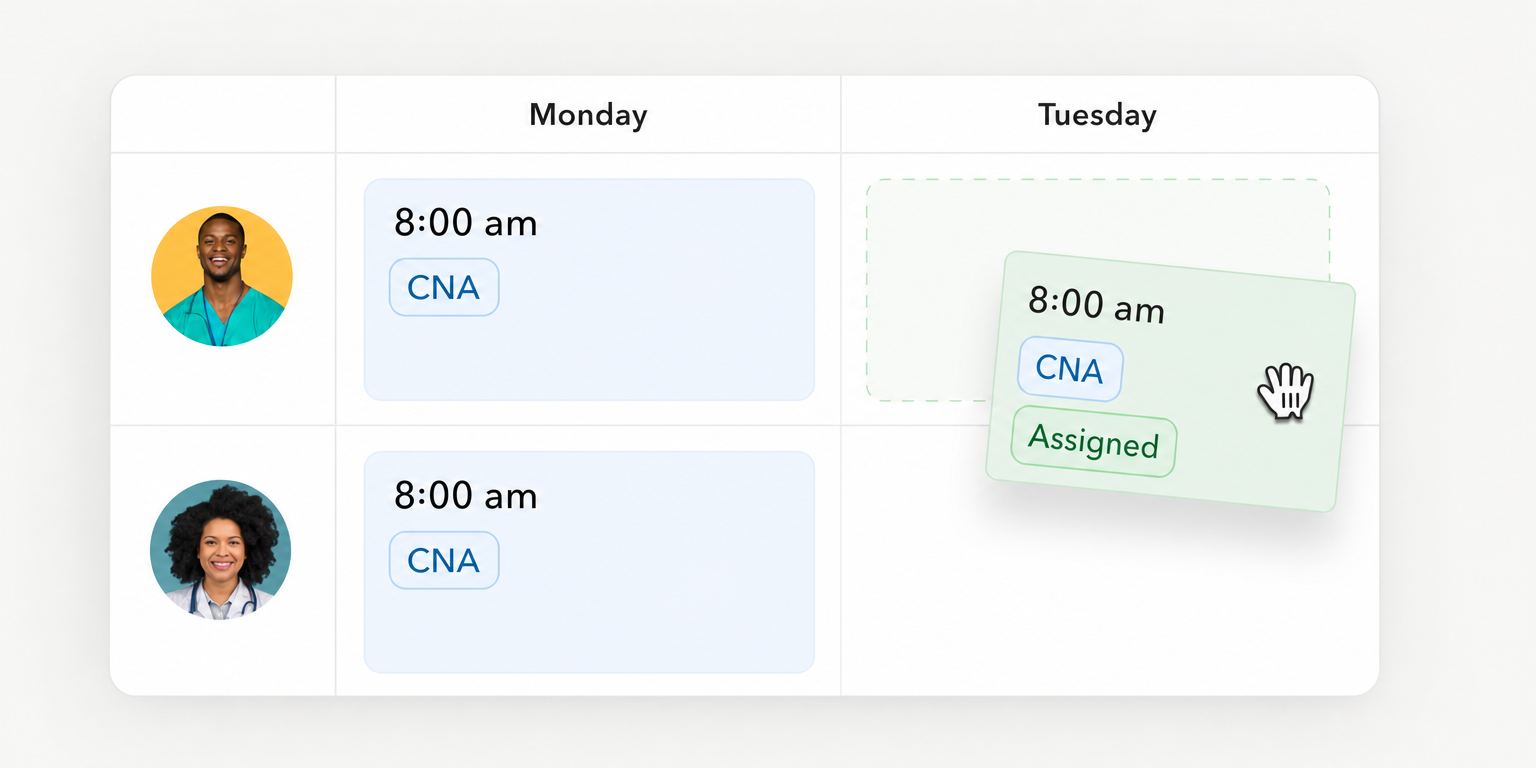
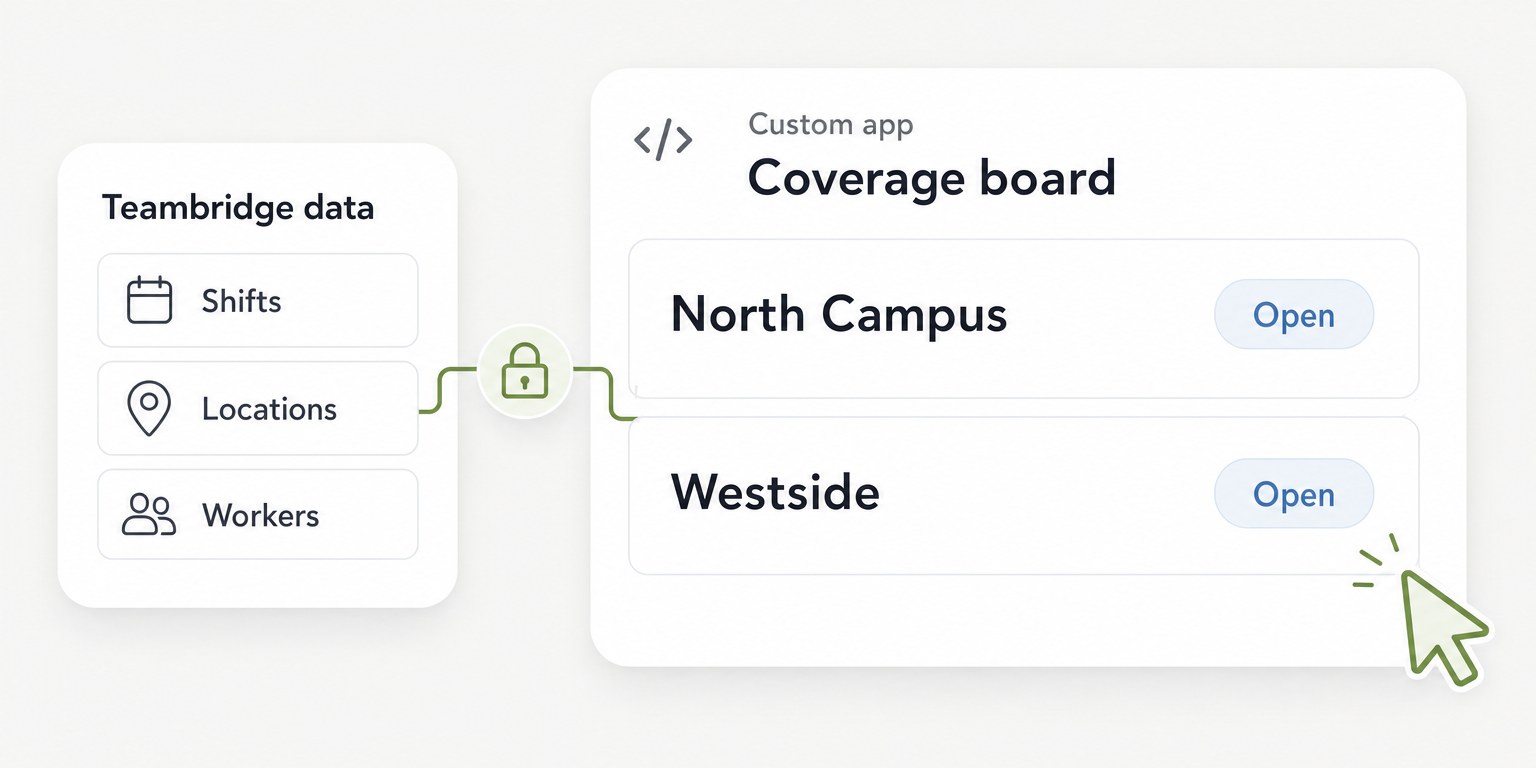
- Capture pay components at the shift level. Differentials, credential premiums, and site rates should be properties of the shift itself, set when the schedule is built — not adjustments bolted on at payroll time. This is how Teambridge scheduling works: pay rules live on the shift, so the data exists before the hours do.
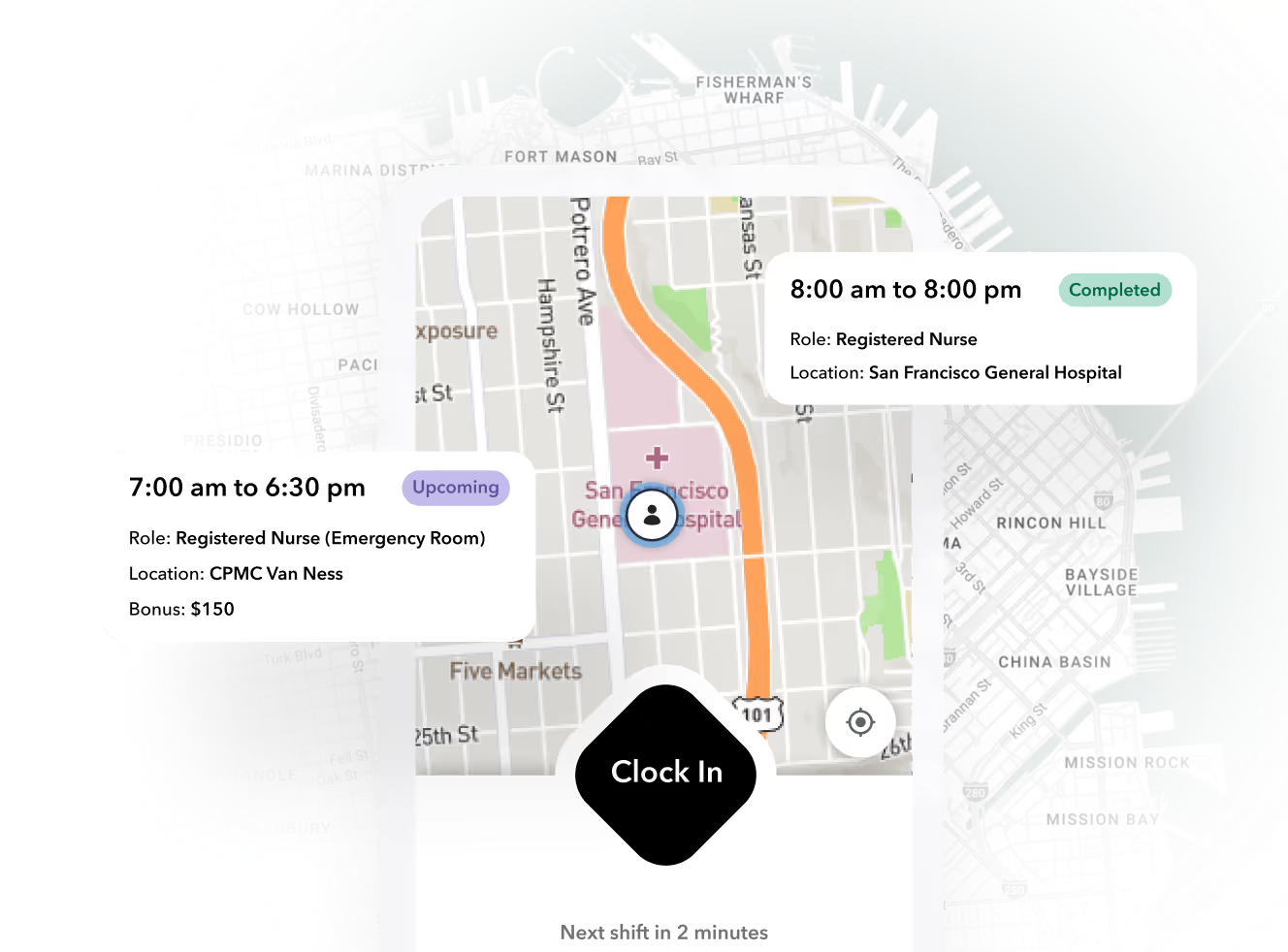
- Feed actual hours from timekeeping, not the schedule. Regular-rate math runs on hours worked. Time and attendance has to be the source of truth, with edits and approvals resolved before payroll closes.
- Automate the recalculation. When a bonus posts, the system should reopen the affected workweeks, recompute the regular rate, and flag the additional premium — without a spreadsheet.
Agencies running scheduling, time, and pay in separate tools end up doing this reconciliation by hand, which means it doesn't happen. On the Teambridge platform, the shift's pay rules, the worker's actual hours, and the payroll calculation share one data model — the regular rate is computed from the real inputs by default. You can see how other operators run this in our customer stories.
The Bottom Line for Staffing Operators
Here's a 30-minute audit that tells you where you stand: pull one recent payroll run and find every week that included a differential, a bonus, or a worker at multiple rates. For each one, check whether the overtime premium was calculated on the base rate or on a recalculated regular rate.
If regular rate equals base rate in every one of those weeks, you have a problem. The size of the problem is a function of your headcount, your OT hours, and how long it's been running.
The staffing industry built its fill-rate playbook on differentials, bonuses, and stipends. That's not changing. What has to change is the assumption that payroll will sort out the math afterward. It won't — not unless the system doing the calculating can see every dollar that touched the workweek.
Audit one run this quarter. Then fix the system, not the spreadsheet.

About the author

Content Writer at Teambridge
Anis Nanai is a content writer at Teambridge, with a focus on workforce management and the realities of running hourly teams. He prioritizes conversations with customers, staying close to the market, and understanding how workforce needs are changing. His writing connects those concerns to practical decisions about scheduling, time tracking, staffing, and automation. He examines product developments through the questions that matter to operators: what does this solve, how would it work for my team, and what evidence supports it?
Company perspective: this author works at Teambridge. Customer outcomes are attributed to their published sources.
View LinkedIn profile