

That's a workflow problem, not a screening problem. And it's fixable.
The Monday Morning Pattern: Confirmed Placements That Can't Actually Start
Here's the scene every staffing operator recognizes. Friday afternoon, a recruiter confirms a returning contractor for a Monday client start. The candidate has a file. They've been placed before. They passed a check the last time out. Everyone signs off, the shift gets locked, and the recruiter closes the loop.
Monday morning, the client calls. The worker is at the door, but the site manager pulled the file for their own compliance audit and the criminal check on record is 9 months old. Or the drug screen is dated outside the client's 60-day window. Or the RN license quietly lapsed three weeks ago and nobody's ATS flagged it. The client rejects the placement. Sometimes worse: the worker gets on-site, starts the shift, and the agency finds out mid-morning.
The placement is dead. The recruiter is now scrambling to backfill a shift that was supposed to be confirmed. The client's confidence is damaged for the next req that comes across their desk.
This isn't a rare edge case. It's the operational tax staffing agencies pay every week because their candidate records are built around hire date, not assignment date. And the industry has quietly moved toward treating each new engagement as a triggering event for re-screening, especially for returning contract or seasonal staff — a returning worker isn't automatically safe because they passed a check two years ago, and for any role involving vulnerable populations, a new check at each engagement period is the defensible standard.
Why "They Passed Last Time" Isn't a Compliance Position
Recruiters lean on file history because it's fast. "They passed last time" feels like enough. Legally, it isn't — not because background checks come with an expiration stamp, but because their defensibility rots.
Background checks don't expire — but their usefulness does. A candidate cleared 8 months ago is not the same candidate today. Criminal records can update. License statuses can change. Motor vehicle records can pick up a DUI. A background check is a snapshot; it doesn't get more current sitting in a folder.
Important
Courts and regulators evaluate what you knew — or should have known — at the time you placed the worker. "We ran a check when we first hired them" is a weak defense if the placement is 14 months later and the role involves vulnerable populations, regulated credentials, or driving.
And for regulated roles, the standard is stricter still. For regulated roles requiring active licensure — healthcare workers, licensed professionals, CDL drivers — expiration or revocation of a credential is a triggering event for review. If your medical assistant's BLS card expired two weekends ago, they can't legally take the assignment. It doesn't matter what the file said last quarter.
The FCRA Trap Recruiters Miss on Re-Runs
Here's the compliance gap that catches agencies most: the paperwork around the re-run, not the re-run itself.
Many recruiters, trying to move fast on a returning worker, assume the original background check authorization on file covers a new report. It doesn't. The Fair Credit Reporting Act applies fully to rescreens — not just pre-hire checks. Every time a third-party Consumer Reporting Agency runs a background check on an existing employee, all FCRA obligations apply, including a fresh written disclosure — a new standalone disclosure that a consumer report may be obtained, separate from any prior authorization.
That means the exact same rules that governed the first check govern the second, the third, and the tenth:
- A standalone written disclosure delivered before the report is pulled
- Fresh written authorization from the candidate
- Adverse action process if the results factor into a placement decision
The FTC has been clear on the standard. According to the Federal Trade Commission, CRAs must get certifications from clients that the employer notified the applicant and got the applicant's written permission to get a background report. That certification isn't good for the life of the working relationship. It attaches to the specific report.
The financial exposure is real. Civil penalties for FCRA violations typically range from $100 to $1,000 per infraction. For a staffing agency running background checks on hundreds of candidates without proper consent, the penalties add up quickly. Multiply by a class action, and "we reused the old consent" becomes a very expensive shortcut.

Mapping the Gap: Where Candidate Records Actually Expire
Part of why re-run failures are so common is that "background check" gets used as a single status when it's actually a stack of independent clocks. Each has its own age, its own trigger, and often its own client-specific rule on top of the agency's policy.
Here's the real expiration surface an agency is managing on a per-candidate basis:
| Screen or Credential | Typical Refresh Window | Who Sets the Clock |
|---|---|---|
| Criminal record check | 6–12 months (agency policy) | Agency, sometimes client |
| Drug screen | 30–90 days between assignments | Client, often stricter than agency |
| Motor vehicle record (MVR) | 6–12 months for driving roles | DOT / client / insurer |
| I-9 reverification | Per expiration of work auth document | Federal |
| Professional license (RN, LPN, CDL) | Per state licensing board | State board |
| Role-specific credentials (BLS, forklift, security card) | 1–3 years, issuer-defined | Certifying body |
| Client-specific compliance training | Varies, often annual | Client |
Each of these has its own clock. Most ATS systems track the initial hire date and maybe a single "last background check" field. That's the root of the Monday failure: the system treats one status as a proxy for seven, and the seven don't stay aligned.
Ready to move?
Ready to see Teambridge in action?
The 72-Hour Rule: Catching Expirations Before the Client Confirmation Call
The fix isn't better memory. It's moving the compliance check upstream, off the recruiter's plate, and tying it to the assignment — not the hire.
Here's the operating rule: every candidate being submitted to a client role should trip an automated audit 72 hours before the assignment start. That audit checks every relevant credential and screen against two rule sets at once:
- The agency's baseline policy — the internal max age for criminal, drug, MVR, etc.
- The client's specific requirements — some clients require sub-30-day drug screens regardless of what the agency's policy says. Some healthcare facilities want a fresh OIG check inside 30 days. Some warehouses want an updated MVR every 6 months for anyone touching a forklift.
If anything is stale, missing, or expiring inside the assignment window, the recruiter gets the flag before the client does. Not on Sunday night. Not Monday morning at 6:47 a.m. Seventy-two hours out, when there's still time to run the check, get consent, and either confirm the placement or swap in a ready worker.
This is compliance-as-scheduling. The check runs at submission, not at hire.
The 72-hour window isn't arbitrary. It's the practical minimum for most CRAs to turn a drug screen and a criminal refresh, especially for high-volume roles. Most FCRA-compliant background checks are completed within one to three business days, so 72 hours gives you a fighting chance to close the gap without slipping the shift.
Building the Re-Run Into the Placement Flow, Not the Recruiter's Memory
An audit that fires 72 hours out is only useful if the workflow behind it actually resolves the flag. That's where most agencies fall down — the alert goes off, but the recruiter still has to manually track down consent forms, chase the drug screen, and update the file.
Here's the operational blueprint that works:
1. Per-client screening profiles
Each client account gets a profile that defines exactly which checks and credentials are required for each role type at that client, and the maximum age allowed. Not "background check on file." Specifically: criminal within 180 days, drug screen within 60 days, MVR within 12 months, BLS current at start date.
2. Automated triggers on assignment offer
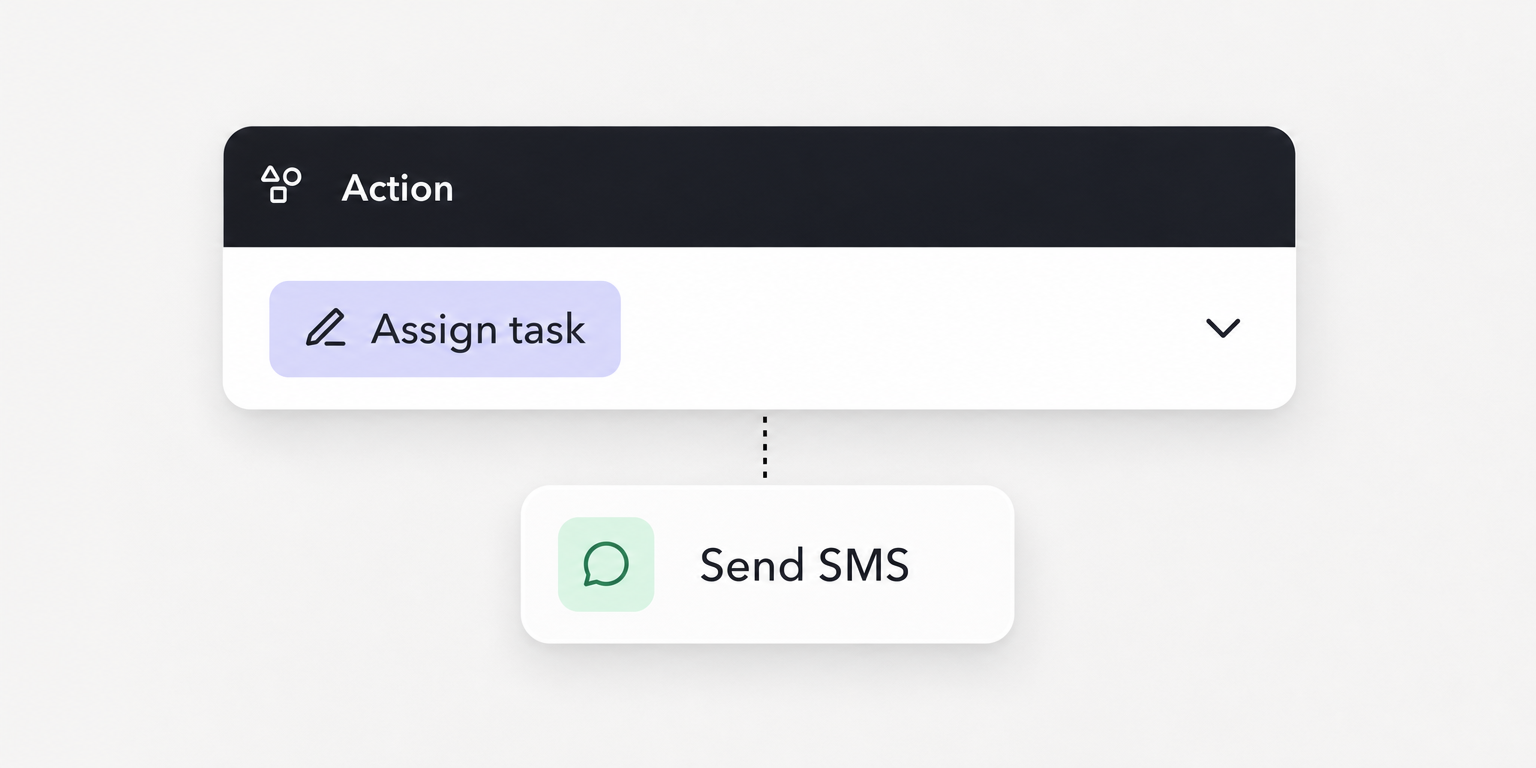
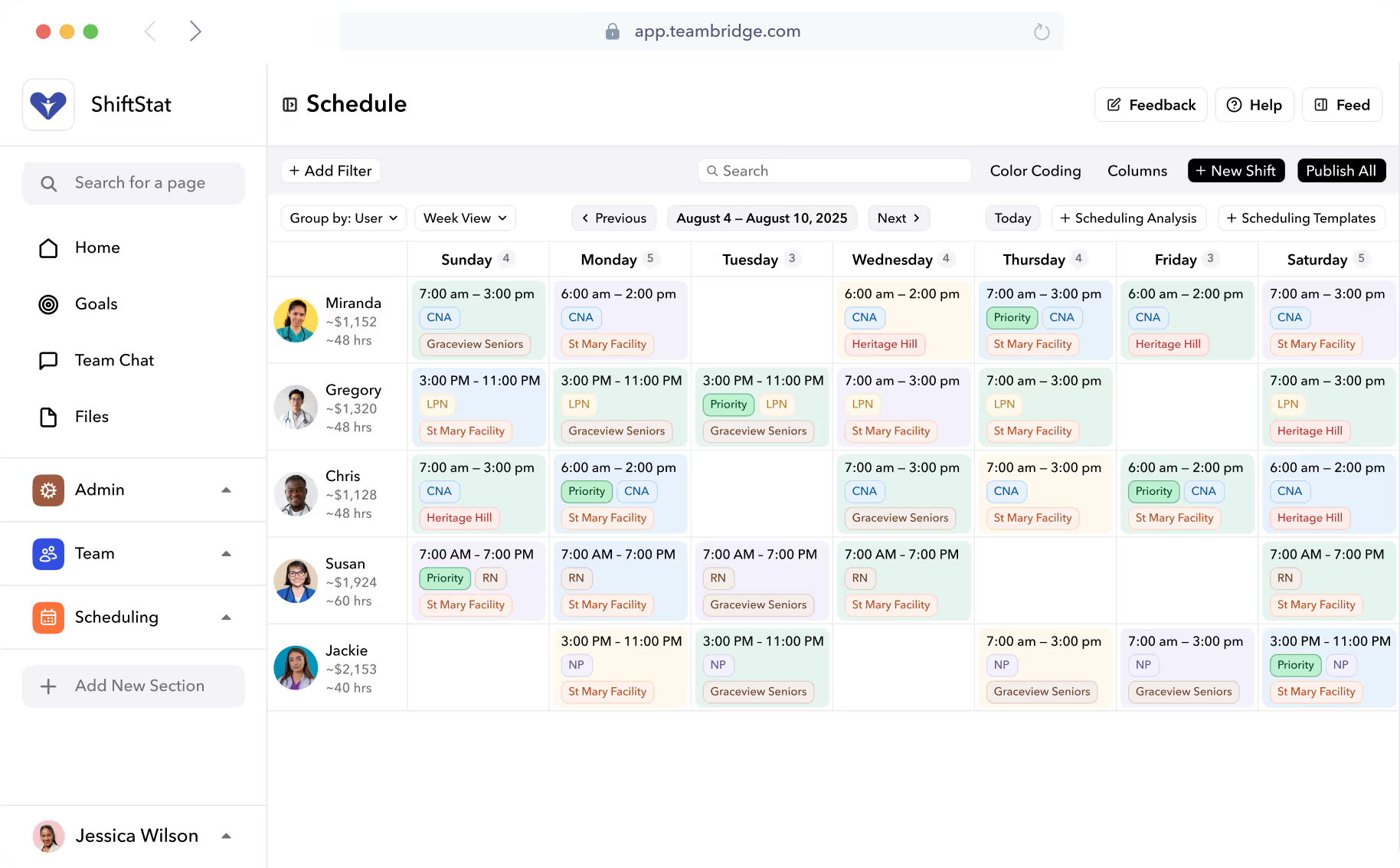
The moment a candidate is offered an assignment, the system compares their record dates against the client's profile. Any mismatch generates a work item — not a passive dashboard flag, an actual task assigned to a human with a deadline tied to the shift start. Teambridge's Automations engine is built for exactly this: no-code workflow rules that fire on placement events and cascade the right follow-ups.
3. Fresh FCRA disclosure auto-generated and e-signed
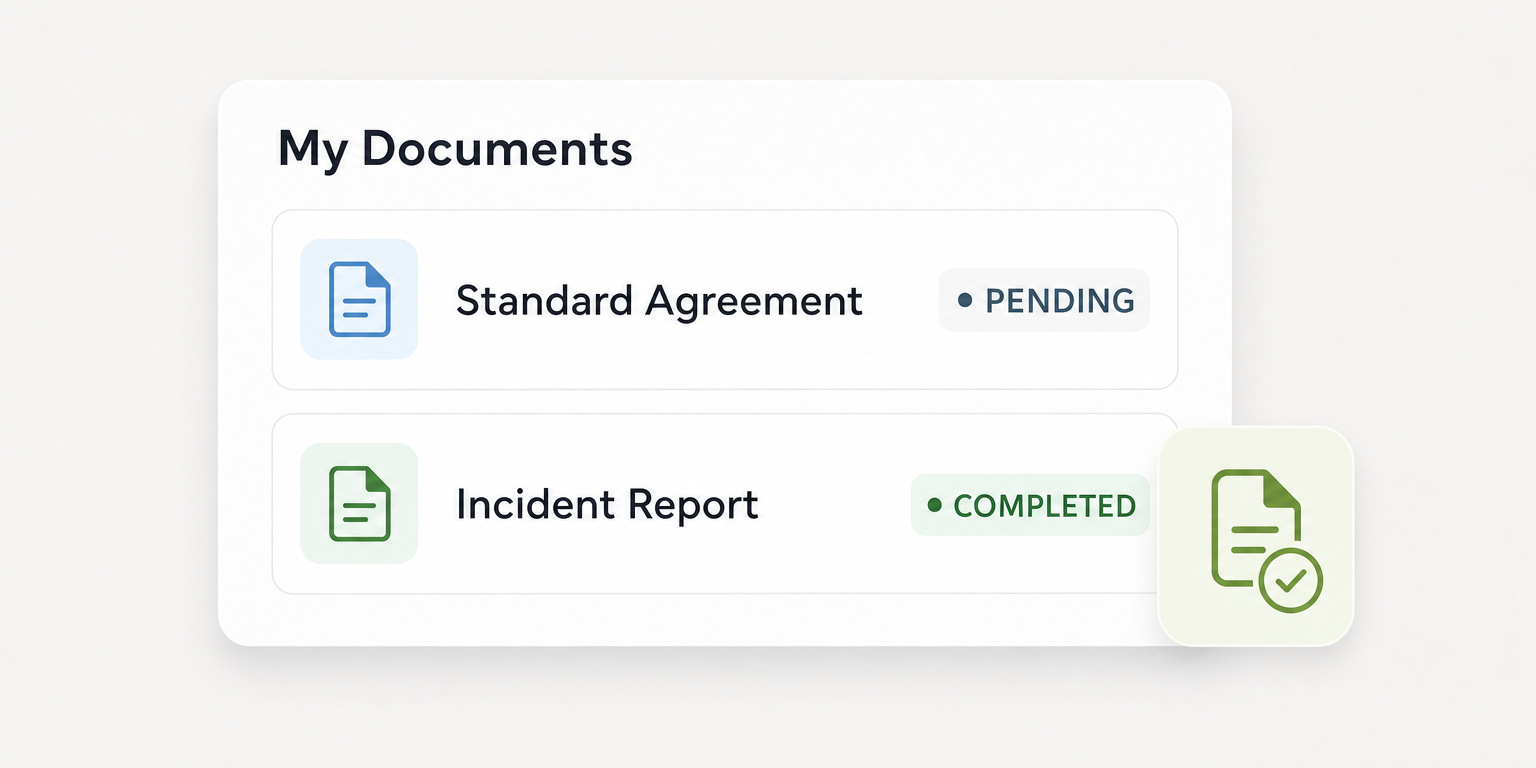
The moment a re-run is queued, a new standalone disclosure and authorization goes out to the candidate for e-signature. Not the old one. Not a template mixed into an onboarding packet. A clean, standalone document dated to this re-run. Teambridge's Document Studio handles the generation, e-signature, and tracking so the paper trail matches the check.
4. Hold on client-facing submission until clear
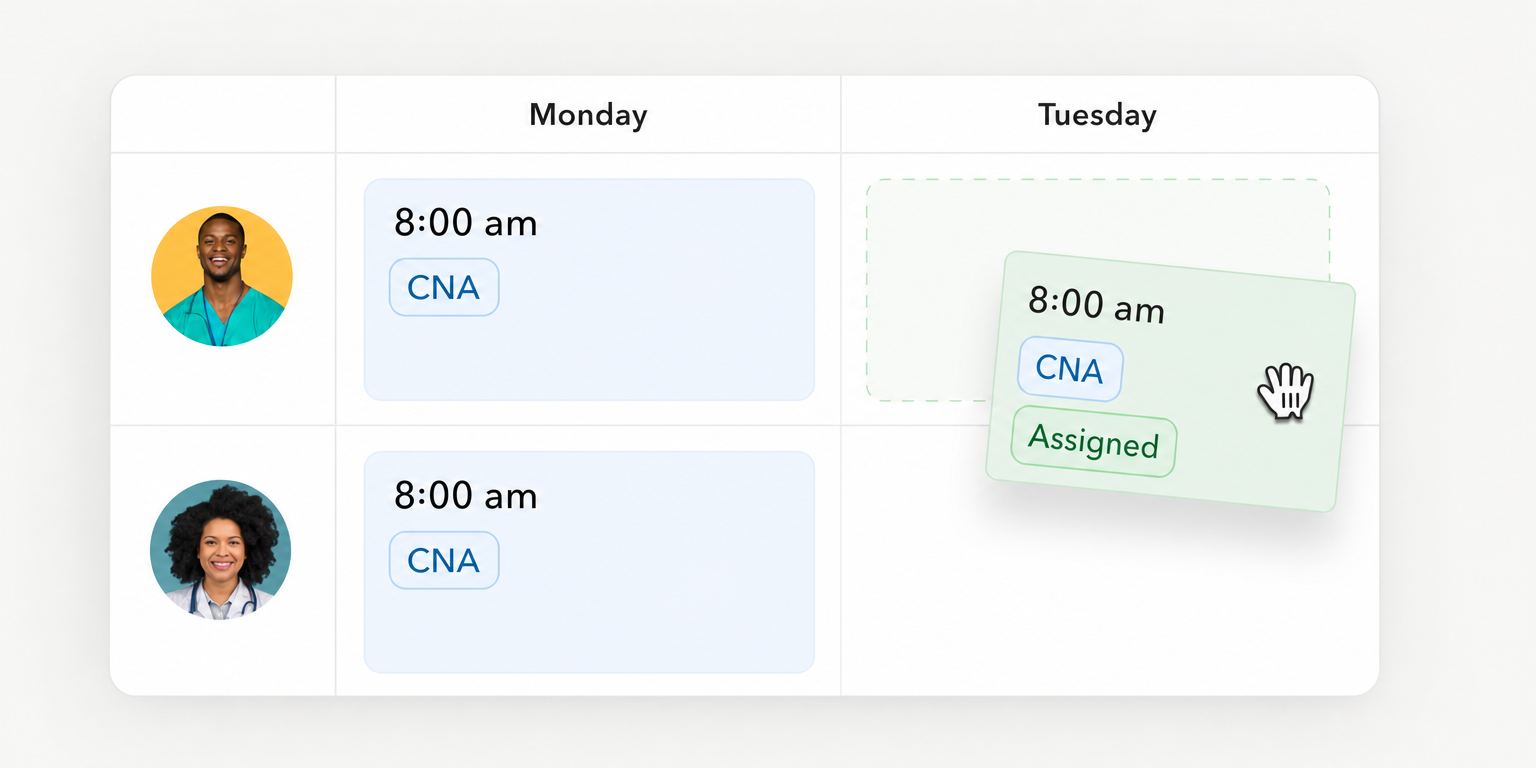
The candidate doesn't appear as "available" to the client for that specific req until the re-run is clean. Scheduling enforces the credential rules at the auto-fill and submission layer — a worker with a stale drug screen for that client simply doesn't surface as an option. The recruiter never has the chance to accidentally submit them.
And for candidates who are between assignments but likely to be re-deployed, Onboarding treats credential completion as a pre-day-one requirement — not something to sort out on the drive to the site.
Tip
Don't build the re-run flow inside your ATS unless your ATS models client-specific screening rules. Most don't. The rules live in the workforce operations layer where scheduling, credentials, and documents already talk to each other.

What Changes When Re-Runs Aren't a Fire Drill
Agencies that move re-run compliance from the recruiter's memory to the placement workflow see a specific set of things stop happening.
Recruiters stop apologizing to clients on Monday morning. Compliance stops chasing recruiters for missing consent forms on the Tuesday after the fact. Candidates get consent requests four days out — during business hours — instead of a panicked Sunday text asking them to sign something before their 6 a.m. shift.
Fill rates on Monday placements go up because the pool of "ready-to-deploy" workers is actually ready. Not "probably ready." Not "ready last time we checked." Ready against this client's specific rules for this specific role, verified 72 hours out.
Here's the compounding effect. A staffing agency's reputation is built on a single question the client asks internally: can we count on this vendor to send us a qualified worker on Monday? Every Monday failure — every worker turned away at the door, every mid-shift call to swap someone out — is a direct hit against that answer. The re-run gap looks like a compliance problem on the inside. It looks like unreliability on the outside.
And unreliability is expensive. Delays and misfires in screening kill offers and placements at scale. Some CRAs estimate background check delays cost 30-40% of hires when the workflow around the check isn't tight. Applied to re-runs, the same math applies to lost placements.
Start With Your Next Assignment, Not Your Whole Book
Don't try to re-audit 4,000 candidate files this quarter. That's a project that dies in week two.
Start with the next 20 assignments going out this week:
- Pull each candidate's current screen and credential dates.
- Compare them against the specific client's screening profile — not your agency's default policy, the client's actual requirements.
- Flag the ones that would have failed at the door.
- Run the re-runs now, with fresh FCRA disclosure and authorization, before the confirmation call.
Do that for one week. Count how many placements you just saved from becoming Monday morning fires. Then rebuild the workflow so it runs itself for the next 200 assignments — screening profiles per client, automated audits at submission, fresh consent tied to each re-run, and holds on client-facing availability until the file is clean.
That's how the Monday placement gap closes. Not with more diligent recruiters. With a workflow that catches expirations on Friday, so the Monday call never has to happen.
For how credential tracking, client-specific screening rules, and scheduling live in one operational layer, see how Teambridge is built for Staffing Agencies.

About the author

Content Writer at Teambridge
Anis Nanai is a content writer at Teambridge, with a focus on workforce management and the realities of running hourly teams. He prioritizes conversations with customers, staying close to the market, and understanding how workforce needs are changing. His writing connects those concerns to practical decisions about scheduling, time tracking, staffing, and automation. He examines product developments through the questions that matter to operators: what does this solve, how would it work for my team, and what evidence supports it?
Company perspective: this author works at Teambridge. Customer outcomes are attributed to their published sources.
View LinkedIn profile