

Understanding EVV
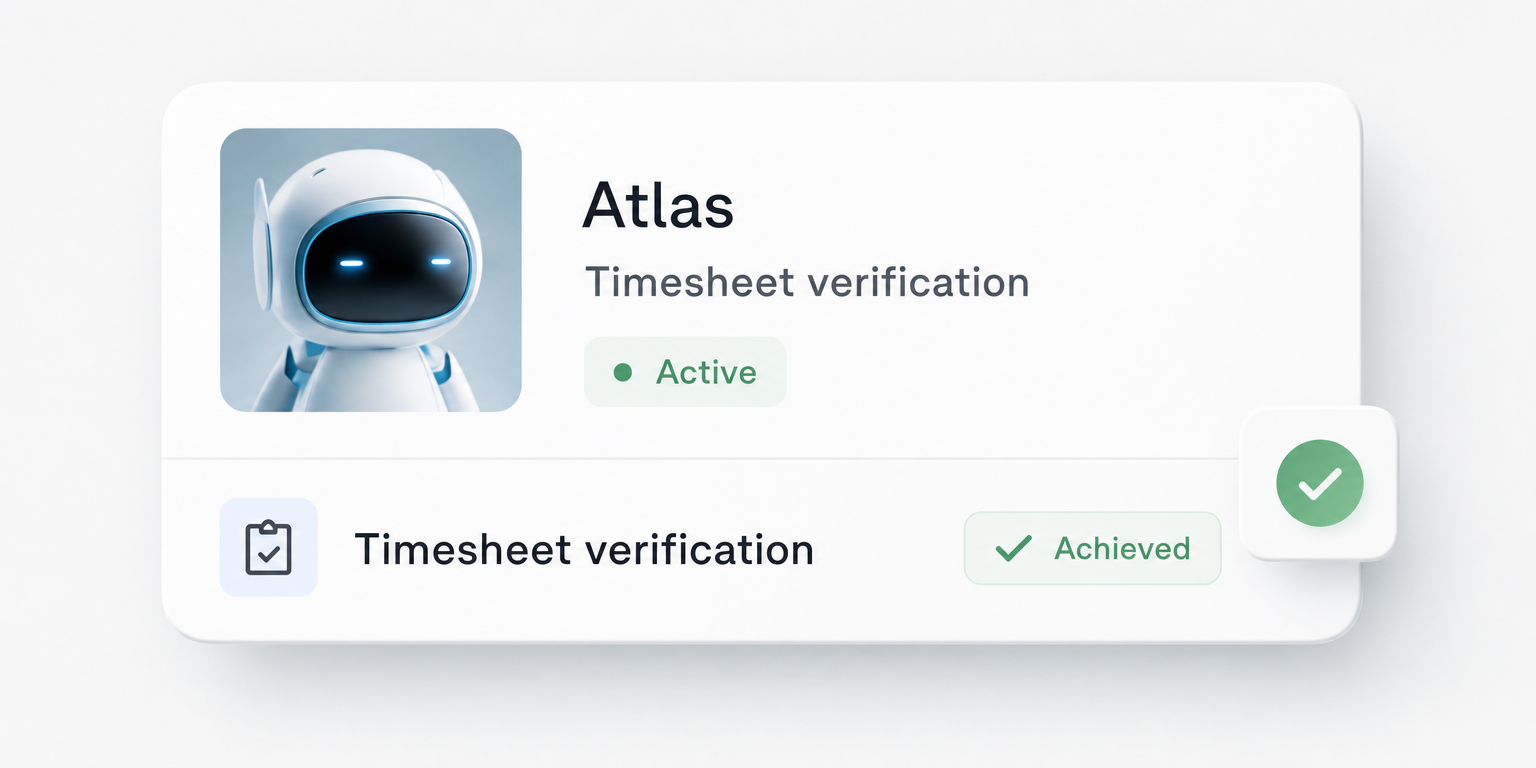
Electronic Visit Verification (EVV) is a digital system designed to record and verify the delivery of home care services. It enables caregivers to log their visits electronically, capturing essential details such as date, time, duration, location, and the services provided. EVV systems can be deployed through mobile applications or even wearable devices, making it accessible and convenient for both caregivers and care recipients.
Several states have mandated the use of EVV systems for certain Medicaid-funded home care services. While the specific requirements may vary from state to state, the overarching goal is to enhance accountability, prevent fraud, and improve the overall quality of care. You can check out a full list of Medicaid compliant states and their status here.
Implementing EVV systems offer numerous benefits for the home care industry, caregivers, and care recipients alike:
- Enhanced Transparency: EVV technology provides an accurate and transparent record of services rendered, minimizing billing discrepancies and ensuring that caregivers are delivering the agreed-upon services.
- Improved Caregiver Accountability: EVV systems help to monitor and track caregiver activities, ensuring they adhere to schedules, fulfill their duties, and provide reliable care. This enhances accountability and promotes consistency in service delivery.
- Fraud Prevention: EVV systems are a proactive measure against fraud, including billing discrepancies, falsification of records, or unauthorized service delivery. Real-time verification and GPS tracking significantly reduce the likelihood of fraudulent activities.
- Quality Assurance: By maintaining detailed visit records, EVV systems enable agencies and administrators to analyze data and identify trends, allowing for continuous quality improvement and efficient resource allocation.
As EVV requirements continue to gain traction across various US states, the home care industry must adapt and embrace this technology-driven approach. By implementing EVV systems, agencies can foster transparency, accountability, and efficient service delivery, ultimately enhancing the quality of care provided to vulnerable individuals. It is crucial for home care providers to stay informed about the EVV requirements in their respective states, ensuring compliance and embracing the transformative potential of EVV technology for the betterment of all stakeholders involved.
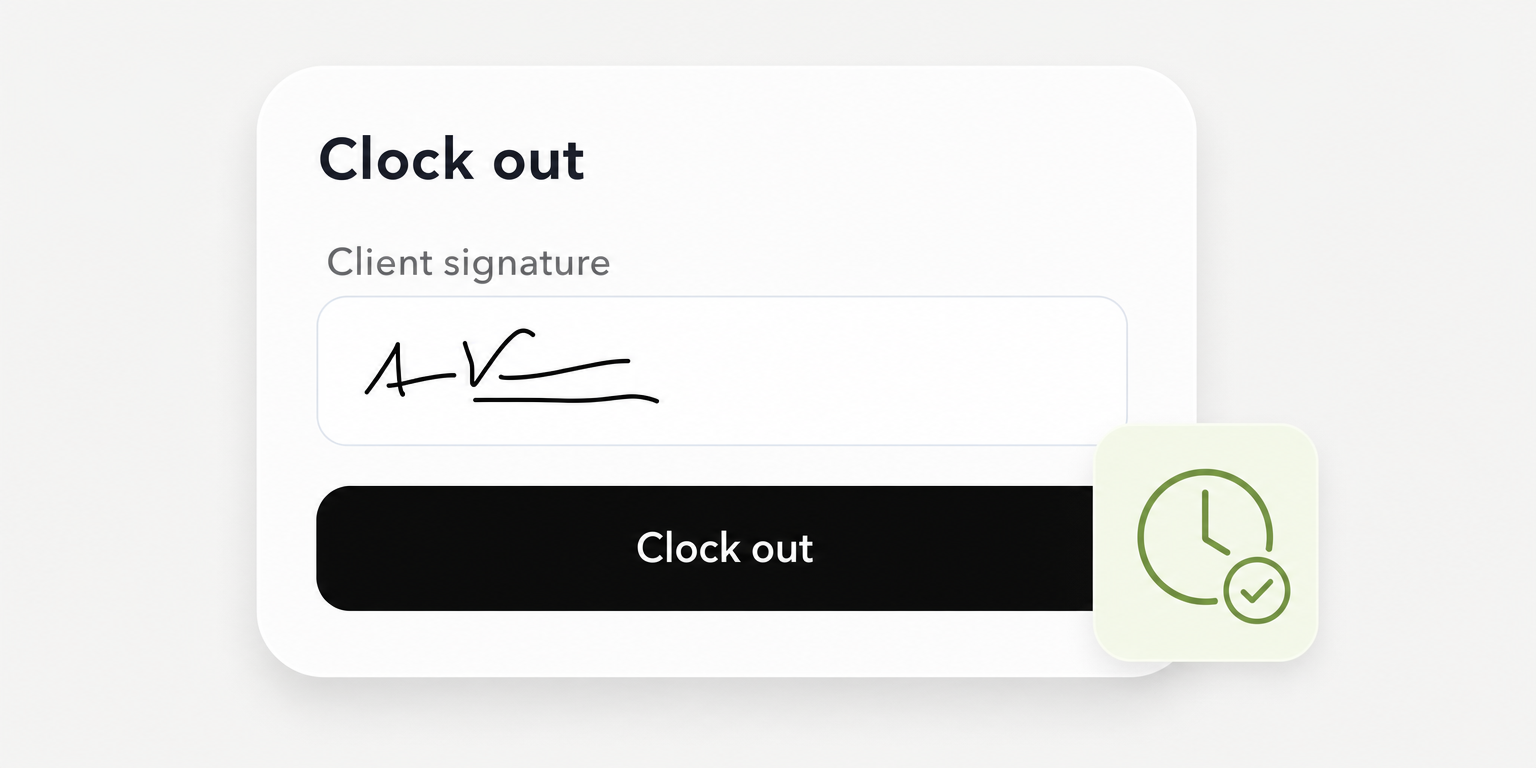
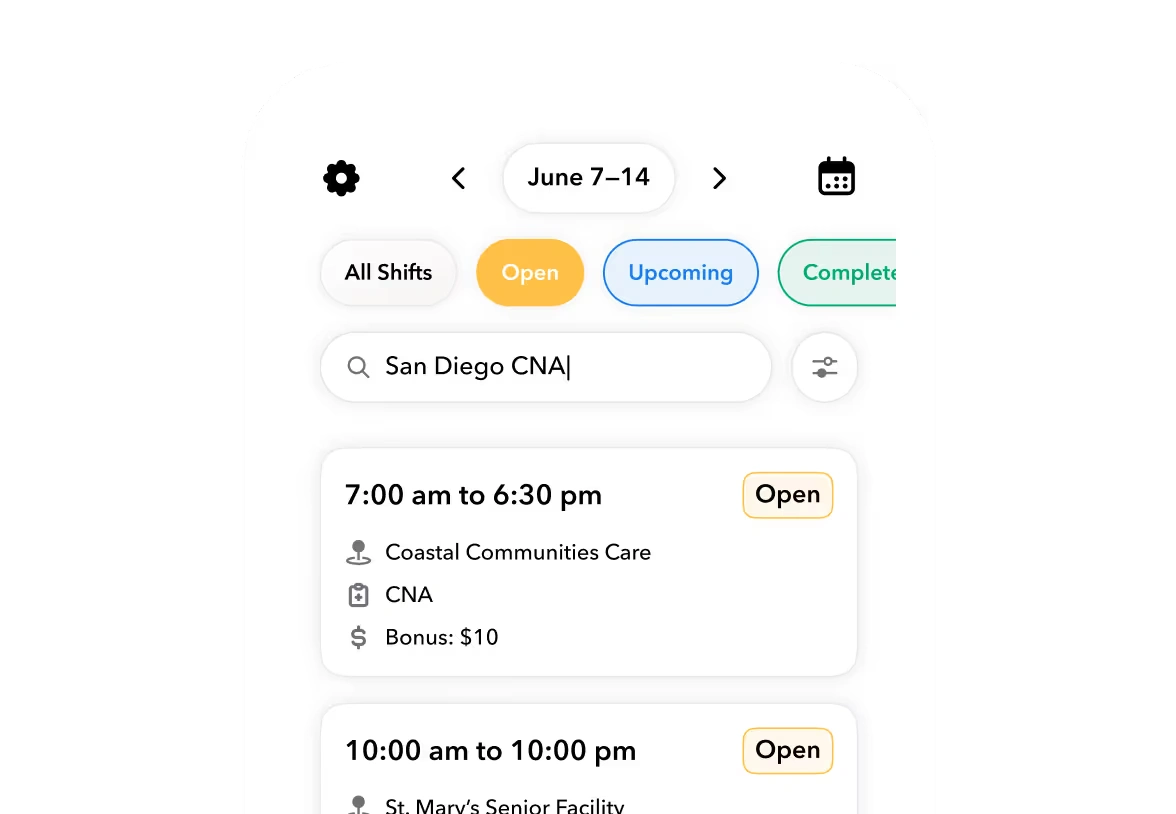
The TeamBridge mobile app enables location verification with advanced and configurable geofencing features, real-time location tracking and even signature requirements at the time of clock out. We are working with states to automate the EVV documentation submission and are always expanding our coverage in this area.
Looking to set up EVV for your workforce? Set up a demo today to learn more about the Teambridge platform.

About the author

Content Writer at Teambridge
Anis Nanai is a content writer at Teambridge, with a focus on workforce management and the realities of running hourly teams. He prioritizes conversations with customers, staying close to the market, and understanding how workforce needs are changing. His writing connects those concerns to practical decisions about scheduling, time tracking, staffing, and automation. He examines product developments through the questions that matter to operators: what does this solve, how would it work for my team, and what evidence supports it?
Company perspective: this author works at Teambridge. Customer outcomes are attributed to their published sources.
View LinkedIn profile