

Choose software that supports learning and accountable follow through
Start with the instruction your workers need and the person responsible for reviewing it. Then evaluate delivery features, records, and what happens when someone needs more help.
Use the checklist below to collect evidence during vendor demonstrations. Afterward, test the proposed process with one role at one site before committing to a wider rollout.
Specify what workers must learn before choosing delivery features
The training lead defines required instruction. The site supervisor separates information workers acknowledge from tasks they must demonstrate. Operations sets deadlines around the onboarding schedule and assigns time for instruction and review.
Test phone access and language needs with representative workers. A content library is useful only if it covers the work your site requires.
For covered safety training, OSHA’s training policy requires language and vocabulary workers understand. It also directs inspectors to look beyond basic paper records. Specific assessment and retraining obligations depend on the applicable standard; one software assessment method cannot be assumed to satisfy them all.

Bring a training acceptance checklist to every vendor demo
Copy this editorial evaluation checklist into your buying document. It is not an industry standard or a claim that any vendor passes. Leave the evidence column blank until you observe the action.
| Owner | Acceptance criterion | Vendor question | Observed evidence | Unresolved dependency |
|---|---|---|---|---|
| Training lead | Individual assignments, completion records, and an export can be retrieved. | Can you assign instruction to one worker, show the resulting record, and export it? | Record the demonstrated action, output, and access used. | Identify reporting permissions, export limits, or another system required. |
| Site supervisor | Understanding checks and further instruction have an accountable record. | Where would I record an understanding check, required correction, and subsequent review? | Record where the decision is saved and who can retrieve it. | Identify assessment tools, supervisor access, or manual records required. |
| Onboarding coordinator | A worker can use their phone and distinguish submission from pending review. | Can a worker complete this task on their device and see what remains unresolved? | Record the device, task, saved status, and reviewer visibility. | Identify access support, language needs, or device restrictions. |
| Operations owner | Unfinished work reaches a responsible person with a defined next action. | Who receives an incomplete task, and what happens if that person does not respond? | Record the recipient, action, and resulting task status. | Identify configuration, escalation ownership, or manual follow up. |
| Systems owner | Learning evidence has a defined home and any transfer is demonstrated. | Which parts are native, and how would this record move into our workforce process? | Record the source, destination, matching identifier, and transfer result. | Identify separate products, implementation work, permissions, or reconciliation. |
Ask to see the saved record, not just the screen
The learning record requirement has a concrete documentation basis. TalentLMS reporting documentation describes user reports with assigned and completed courses, plus a training progress export. Its instructions start with Administrator access, then Reports, and describe downloading the report through Training progress.
That is an example of a documented reporting capability, not a recommendation or proof that every supervisor has access. Ask each vendor to demonstrate the action under the permissions your training lead would actually receive. If access is denied, record who can authorize access or supply the report.
The supervisor check follows OSHA’s distinction between records and understandable instruction. The phone and pending review questions are grounded in Teambridge’s documented onboarding scope. The unfinished work question tests the practical use of configured workflows, rather than assuming a notification resolves the task.
Completed example: a supervisor requests further instruction
Hypothetical example: A warehouse team is evaluating software for instruction on its damaged goods reporting procedure. Assume the proposed process uses a separate training record and a manual update to the onboarding record. These are scenario assumptions, not claims about a product.
A completed supervisor entry could read:
- Owner: Site supervisor.
- Acceptance criterion: A worker who cannot demonstrate the procedure receives further instruction and a recorded review.
- Vendor question: Where does the supervisor save that decision, and how does the coordinator know review remains open?
- Observed evidence: In this hypothetical demonstration, the supervisor saves “further instruction required” in the training record. The coordinator can retrieve it, but the onboarding record remains unchanged.
- Unresolved dependency: The systems owner must document the manual update and correction process before the check can pass.
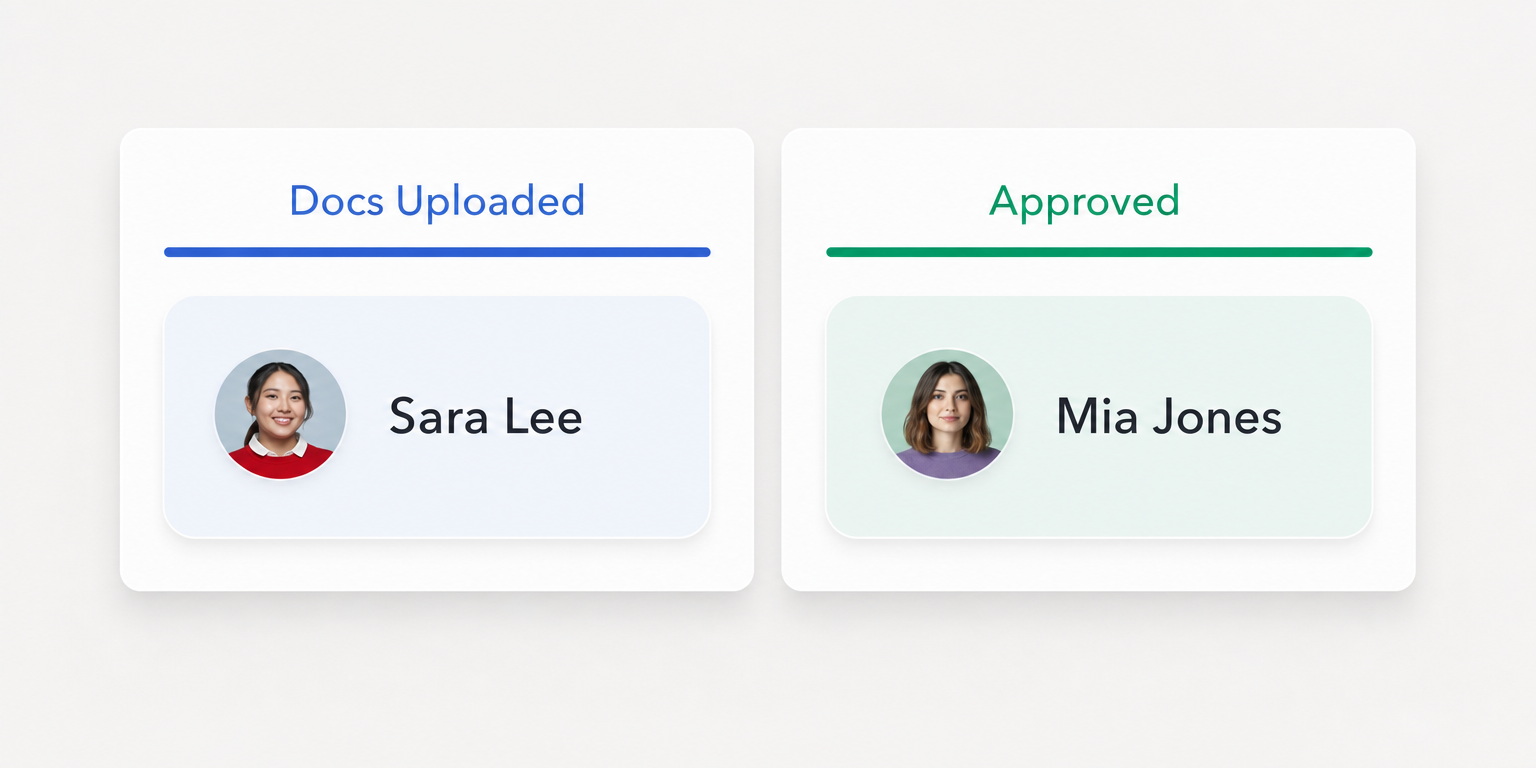
The important finding is the unresolved transfer. A saved supervisor note does not prove that the person coordinating onboarding will act on it.
A completion record tells you what was recorded. Supervisor review must establish what still needs attention.
Put the workflow into practice
See how your team could use this workflow
Separate verified training capabilities from workforce operations scope
Dedicated learning requirements and workforce operations requirements may overlap, but they need separate evidence. Course delivery, assessment, onboarding submissions, and operational follow through should each have a defined owner and record.
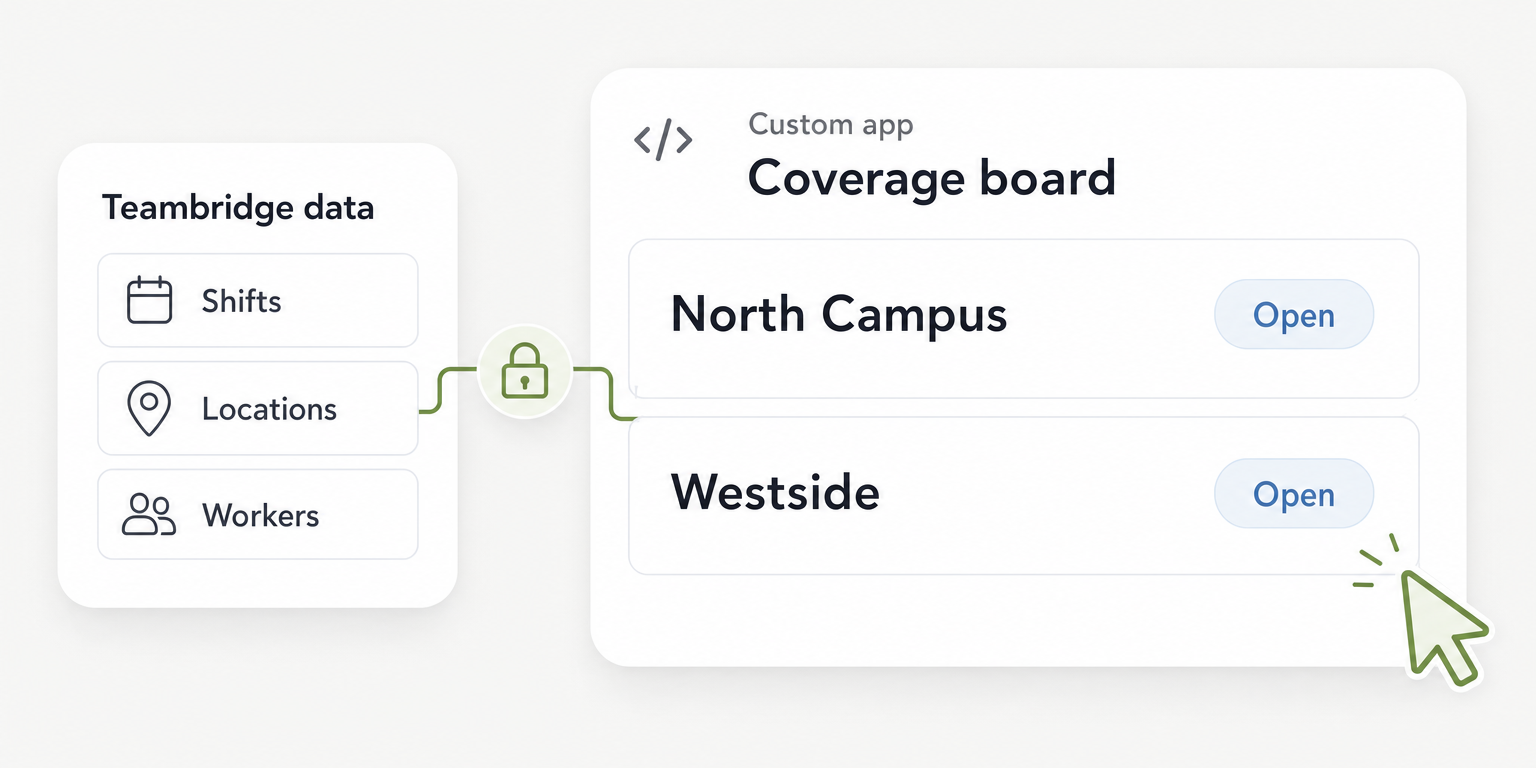
Teambridge is an all in one platform for hourly teams, tailored to each company. Its documented scope includes onboarding, credential tracking, and workflows. The platform page describes configurable records, forms, permissions, views, and workflows connected around worker information.
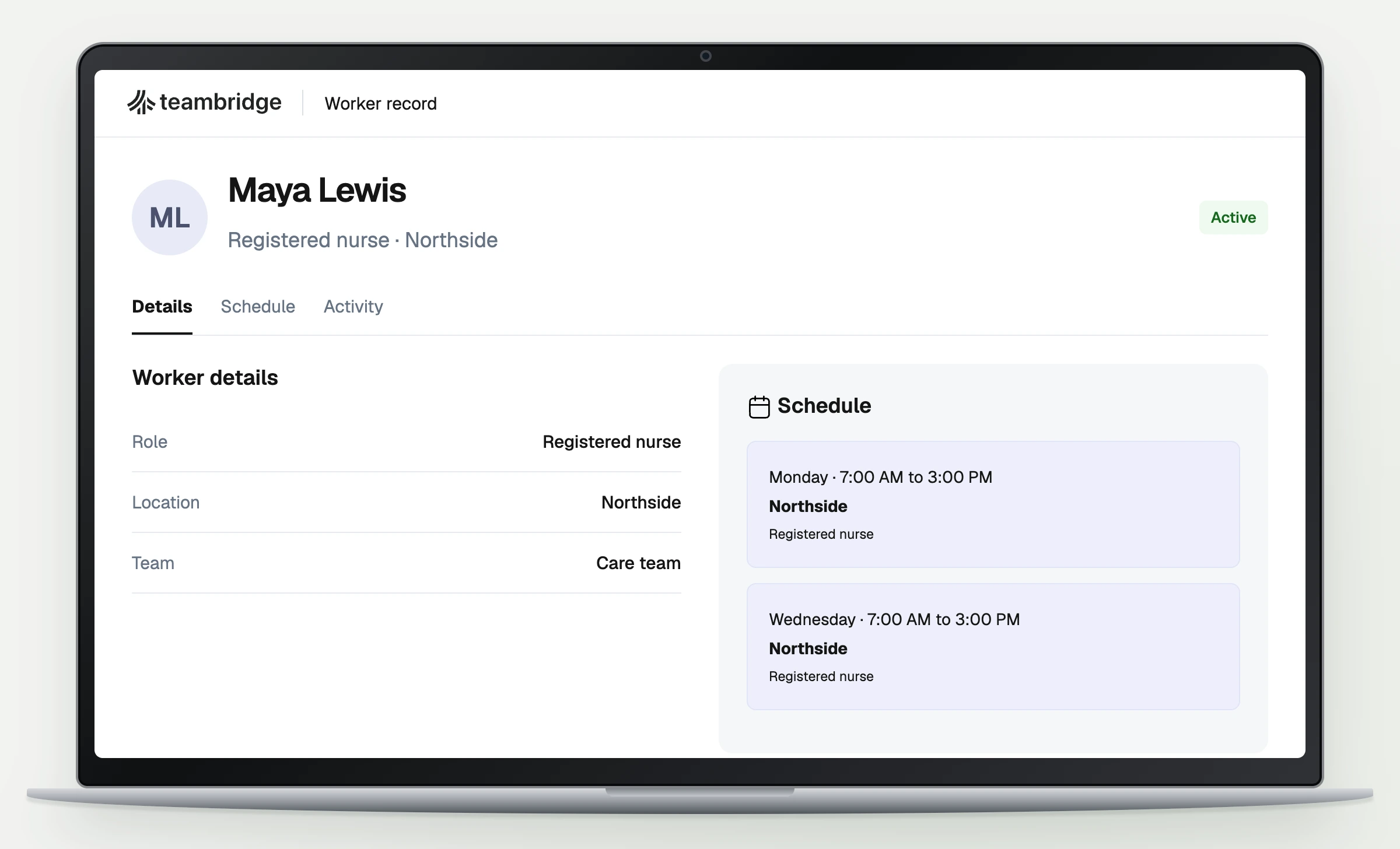
The onboarding page describes workers completing forms and file submissions from their phones. Submissions attach to the relevant worker requirement, and workers can see when an item awaits internal review. Required checks and credential approval decisions remain the customer organization’s responsibility.
Operator view
Supporting evidence
https://www.teambridge.com/product/onboarding
https://www.teambridge.com/product/automations
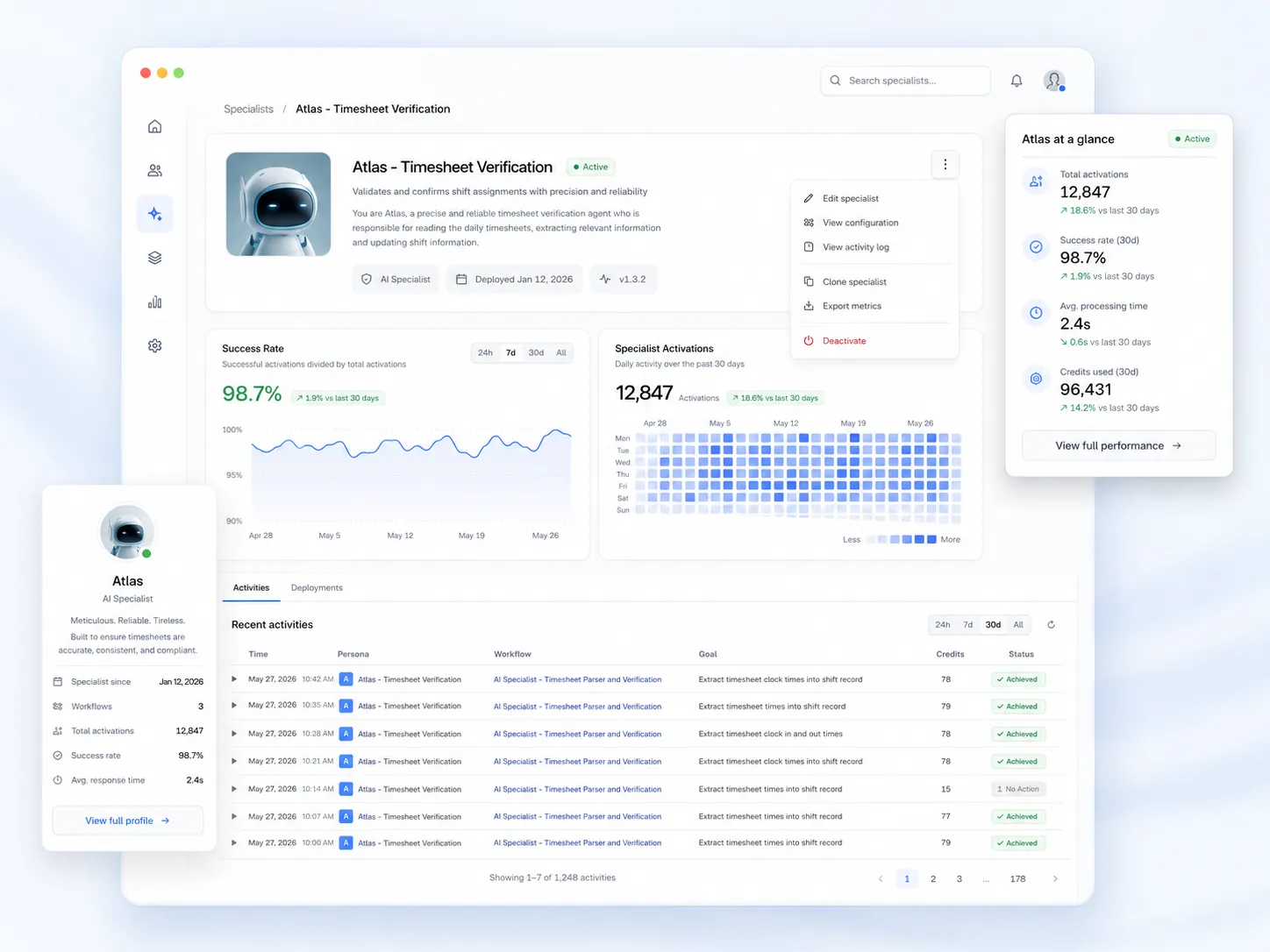
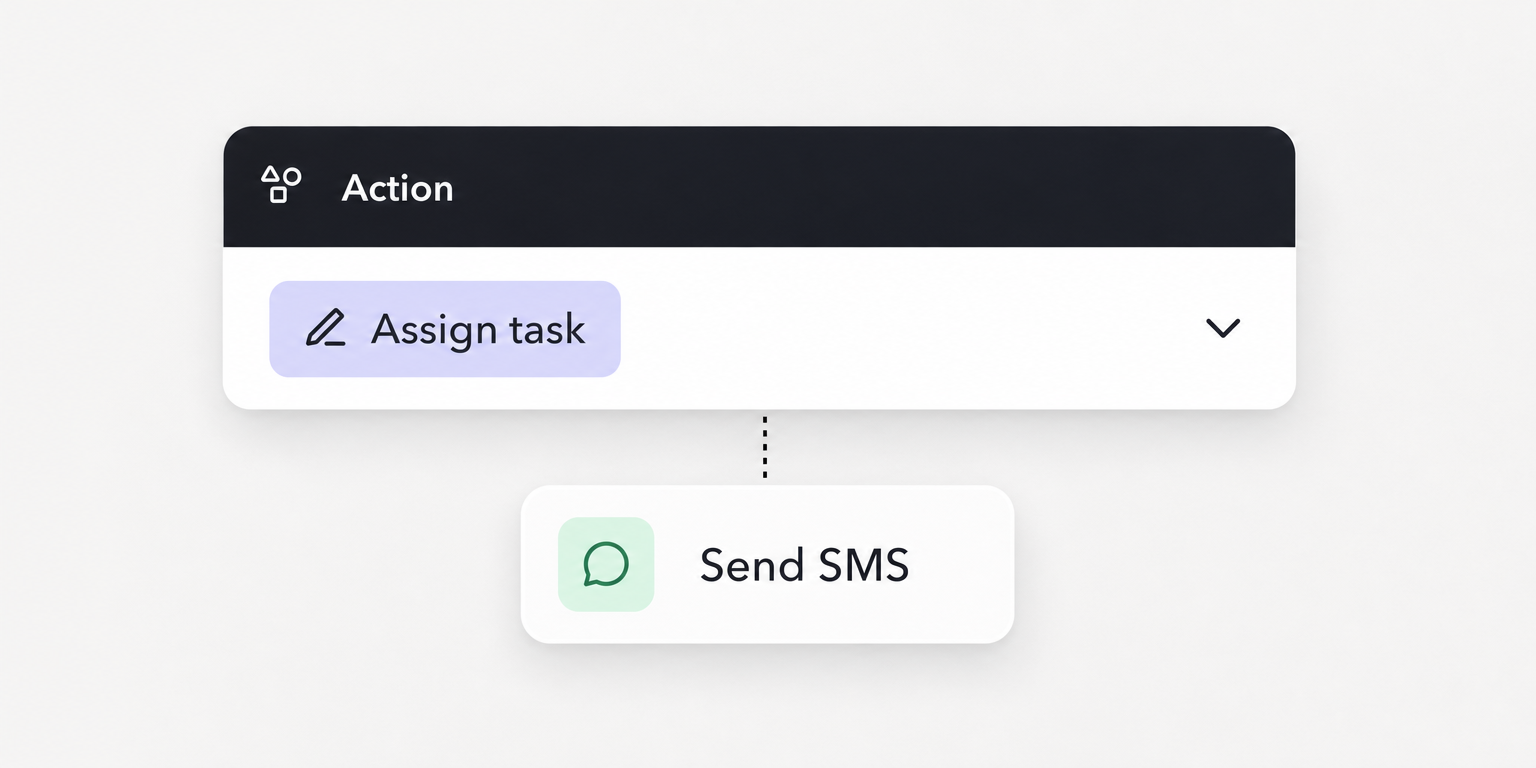
The workflow documentation describes triggers, conditions, and actions. Its onboarding example includes assigning tasks, sending welcome messages, and updating access as work is completed. Those documented capabilities support evaluating operational follow through; they do not establish a learning assessment process.
The supplied product evidence does not establish native course authoring, quizzes, SCORM support, content libraries, or LMS interoperability. Treat those as unverified purchasing requirements, not confirmed capabilities or confirmed absences. If you need them, request specific documentation and a demonstration.
For any proposed training handoff, require the implementation owner to show the action, required access, destination record, and saved state. Then ask them to demonstrate a failed transfer and a correction. The reviewed Teambridge pages describe product scope, not a complete administrator procedure for that handoff.
Important
Keep demonstrated evidence separate from vendor promises. Record configuration work, separate products, and manual steps as dependencies with owners before approving the purchase.
Run one role through instruction, review, and correction before expansion
Use a controlled pilot to establish whether the proposed process works for your workers and supervisors. The following steps are recommended acceptance tests, not customer results or claims about Teambridge functionality.
Operations chooses the role, site, and acceptance thresholds. Select a role with real instruction and supervisor review requirements. Agree on deadlines, acceptable review turnaround, and which failures prevent expansion. Name the person who can approve exceptions.
The training lead prepares instruction and understanding checks. Map each required topic to its delivery method and evidence. A policy acknowledgment and a practical demonstration need different checks. Have the supervisor confirm that the evidence is useful for judging the work.
The systems owner configures only verified functionality. Use the vendor’s implementation documentation and obtain the required administrative access. Document where assignments, submissions, review decisions, and corrections are saved. If a manual transfer is necessary, identify who performs it and who checks it.
Workers and supervisors run the complete process. Workers use the devices they would normally use. Supervisors review under their intended permissions, rather than borrowing administrator access. The coordinator confirms that outstanding work remains visible after each action.
The team deliberately tests failures. Introduce access trouble, an incomplete task, a failed understanding check, and a record correction. Record the owner, resolution, and final saved state for each case. A failure is not resolved merely because someone sent a message.
For access trouble, the coordinator needs a support path that returns the worker to the correct task without losing progress. For an incomplete task, operations needs an owner and a revised next action. For a failed understanding check, the supervisor needs a way to request further instruction and record the subsequent review.
A correction deserves its own test. Ask the systems owner to correct an erroneous record, retrieve the updated version, and show whether the related onboarding status also needs changing. Document any manual reconciliation instead of hiding it in a general implementation note.
Review unfinished training daily and recurring failures weekly
During the pilot, the onboarding coordinator reviews overdue tasks and pending supervisor decisions daily. Each open item needs a responsible person, a next action, and a due time. Keep the worker’s submitted work distinct from the supervisor’s unfinished review.
Training and operations should review recurring problems weekly. Look for confusing instructions, repeated access failures, and mismatches between learning evidence and onboarding records. Decide whether each issue needs revised instruction, a process change, or vendor support.
Agree on thresholds before the pilot starts. Use these proposed measures, collected from the actual records rather than assumed dashboard capabilities:
- Completion by the agreed deadline: Divide required assignments completed by their deadline by all required assignments due in the period. Collect assignment, due, and completion dates from the learning record. Track supervisor approval separately when it is required.
- Unresolved tasks by owner: Count open tasks for each responsible person at the daily review. Use the system’s task record or a maintained pilot log, and flag items with no owner.
- Supervisor review turnaround: Measure elapsed time between work becoming ready for review and the supervisor’s recorded decision. Agree in advance whether the measure uses clock hours or working hours.
- Record discrepancies: Compare learning evidence with the corresponding onboarding record. Log missing, conflicting, or outdated entries and retain their correction status.
Do not borrow a completion benchmark that ignores your process. A high completion rate can coexist with pending reviews or workers who need further instruction. Read completion alongside understanding checks and unresolved work before deciding the rollout is ready.
Approve the purchase only when training ownership survives real exceptions
The operations owner should approve expansion when mandatory checklist criteria have observed evidence, agreed pilot thresholds are met, and every remaining dependency has an accepted owner and plan. Confirm purchasing dependencies such as required administrator access, separate learning software, and implementation support before signing.
Delay expansion when workers cannot access instruction, supervisors cannot verify learning, or records require unexplained reconciliation. Those are failures in the proposed operating process, even if the demonstration showed an attractive course catalog.
If you are evaluating Teambridge, bring the same checklist to an onboarding demonstration. Confirm the workforce workflow and require evidence for any proposed training capability or handoff. Buy the process your team can run, including the unfinished work.

About the author
Content Writer at Teambridge
Anis Nanai is a content writer at Teambridge, with a focus on workforce management and the realities of running hourly teams. He prioritizes conversations with customers, staying close to the market, and understanding how workforce needs are changing. His writing connects those concerns to practical decisions about scheduling, time tracking, staffing, and automation. He examines product developments through the questions that matter to operators: what does this solve, how would it work for my team, and what evidence supports it?
Company perspective: this author works at Teambridge. Customer outcomes are attributed to their published sources.
View LinkedIn profile