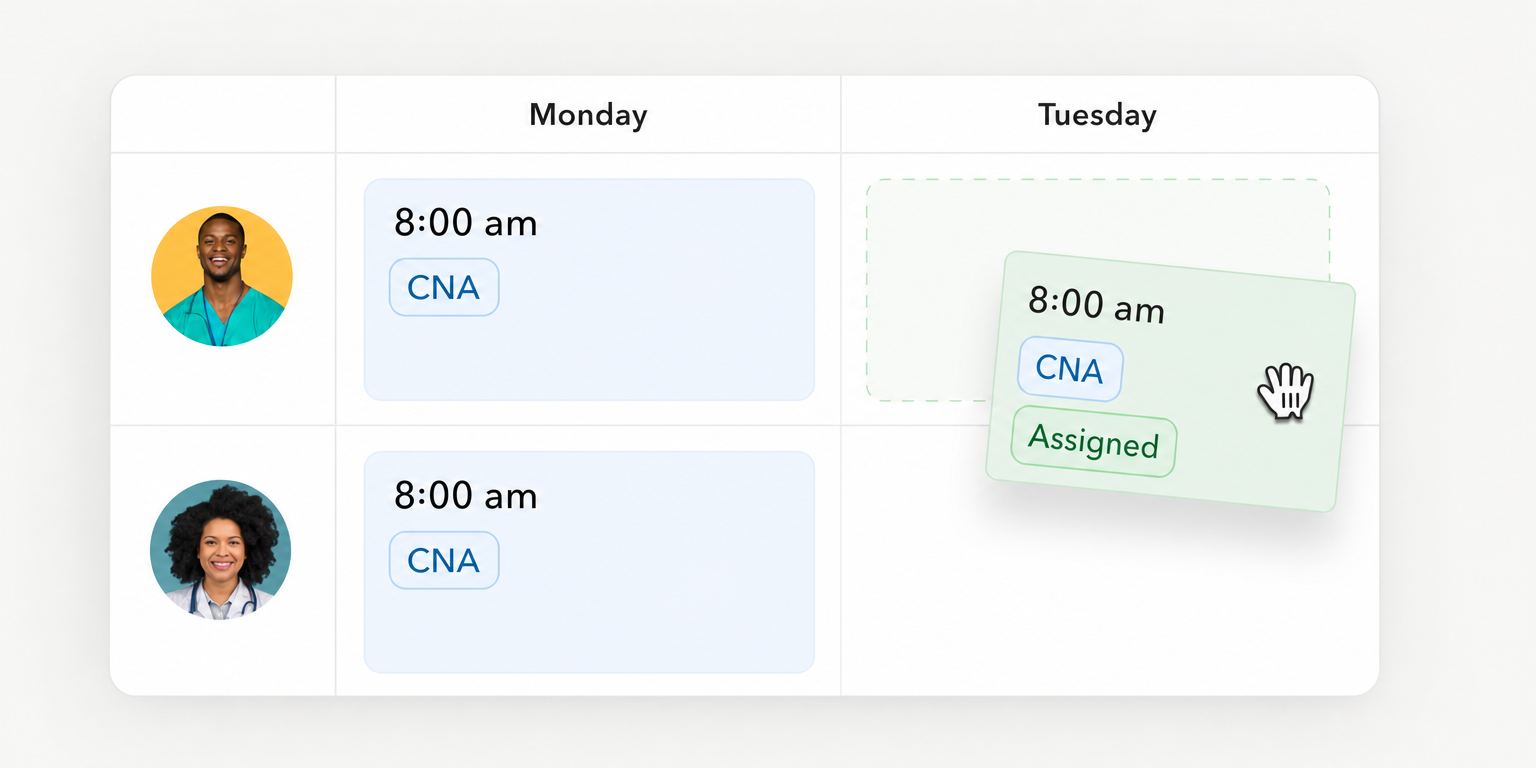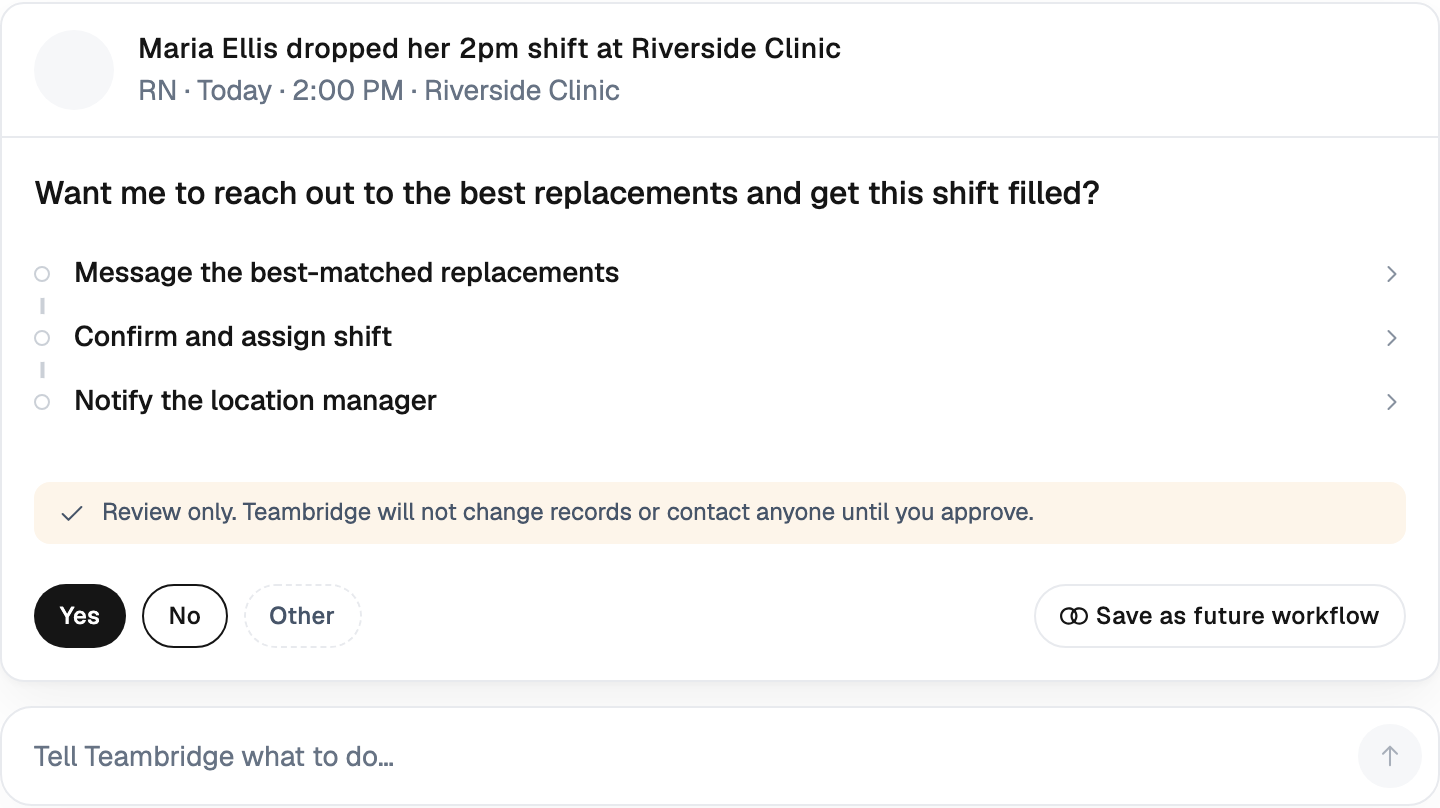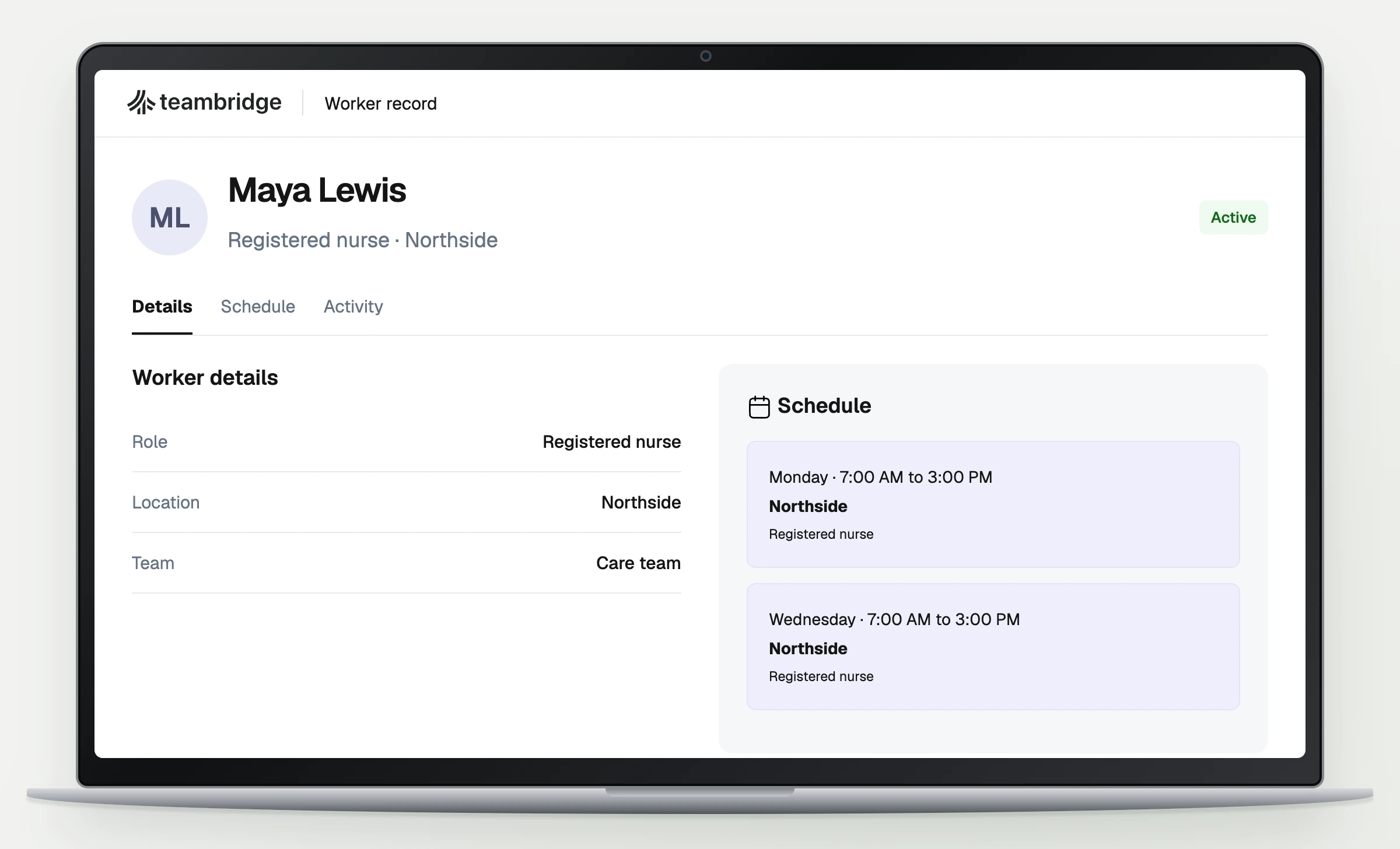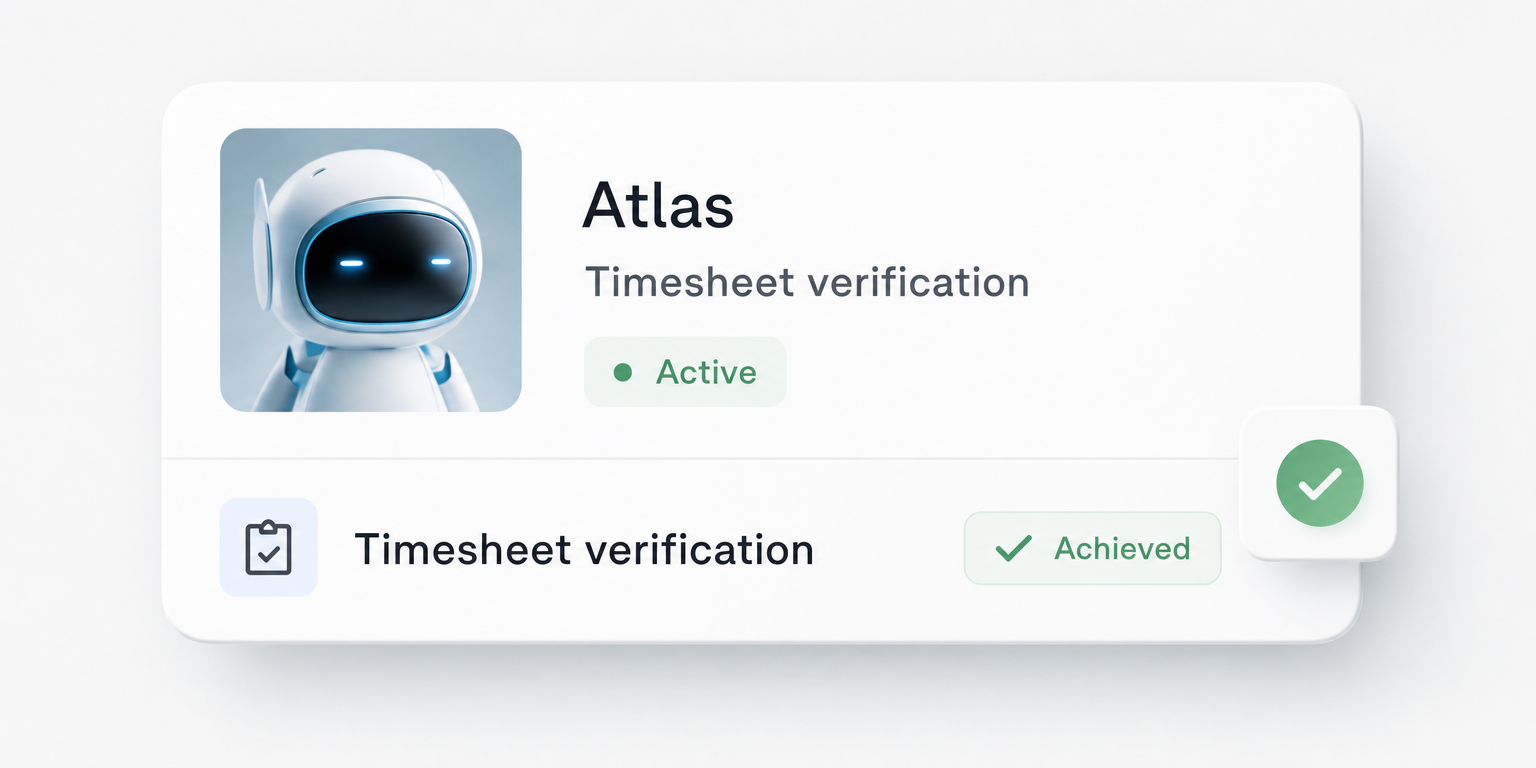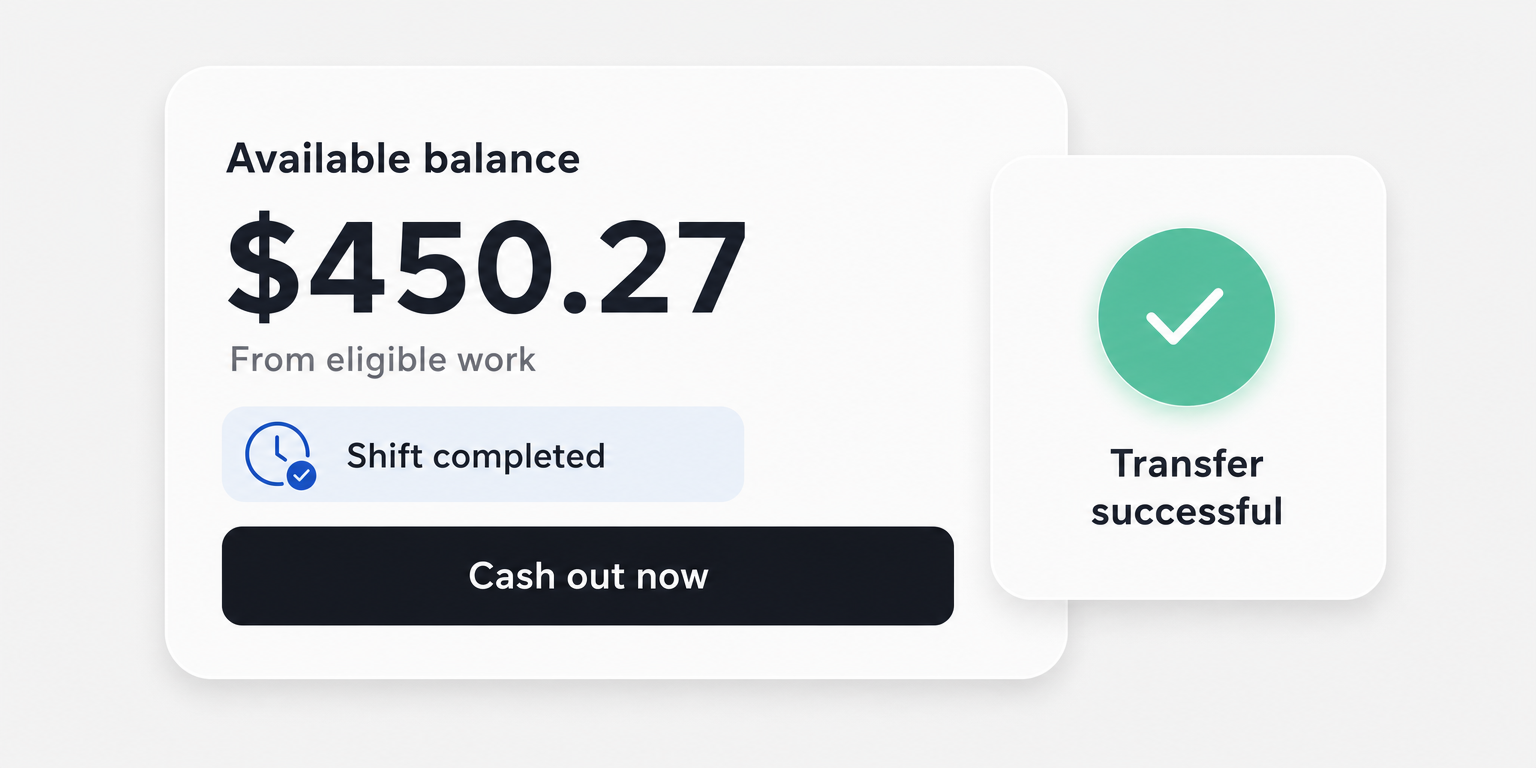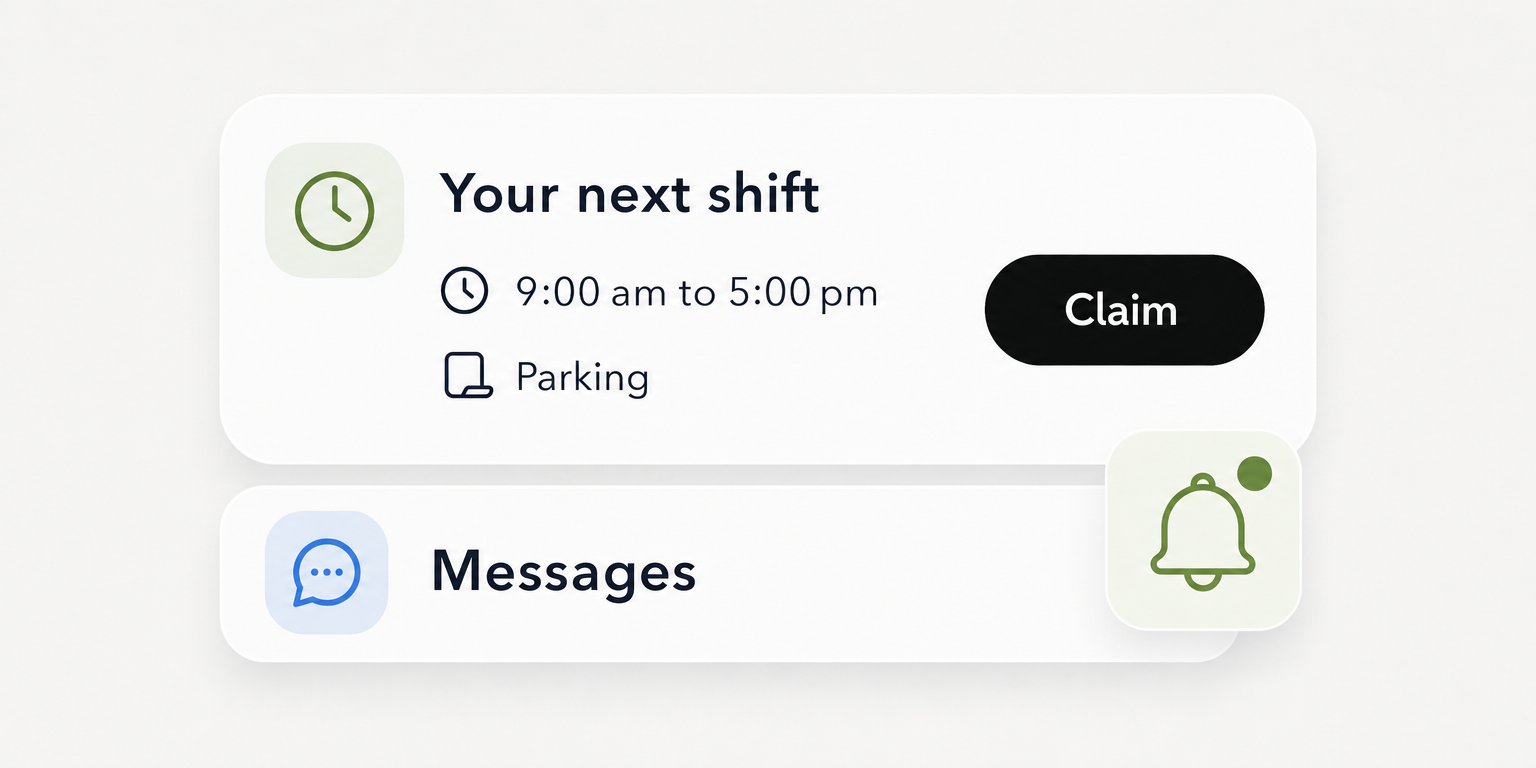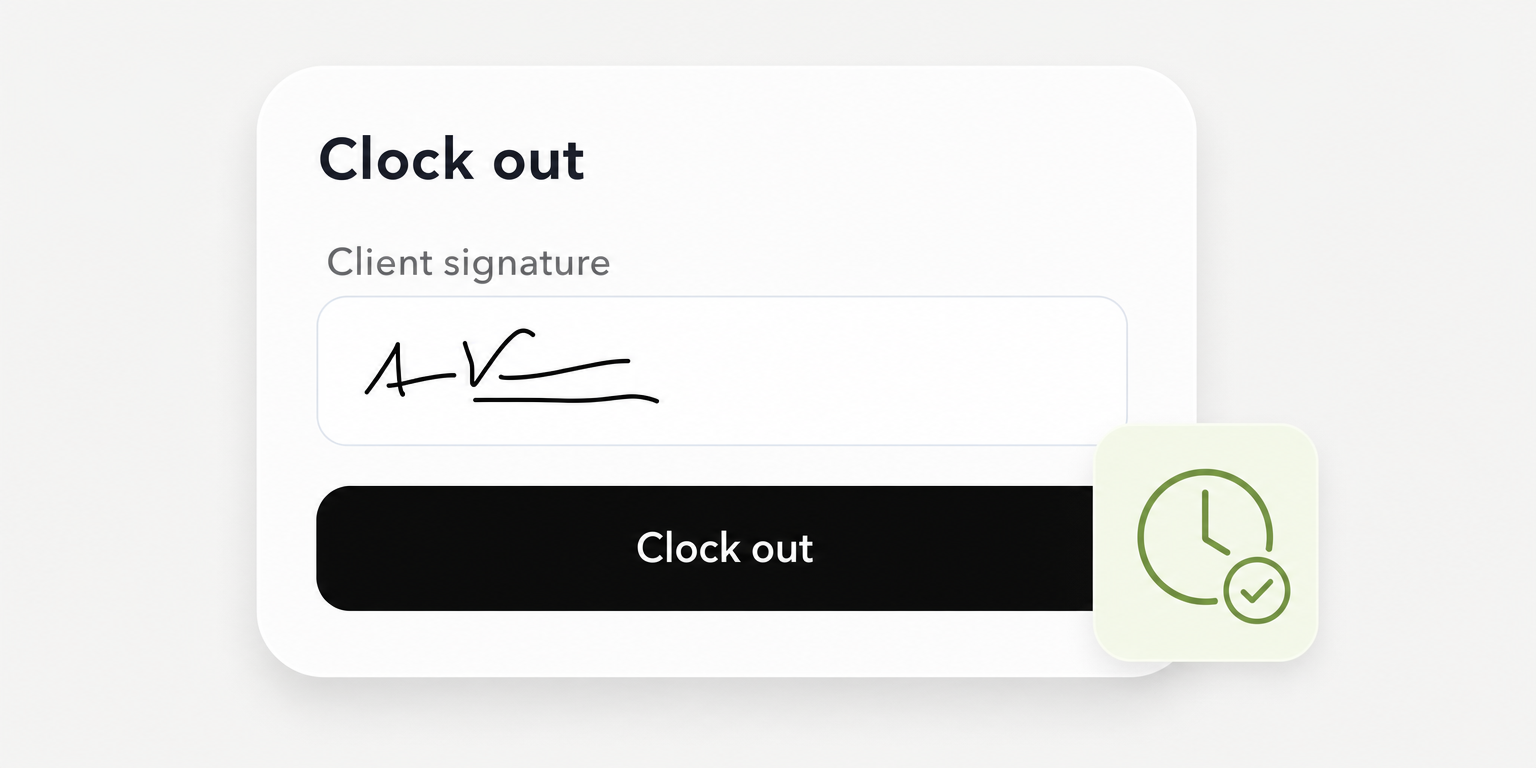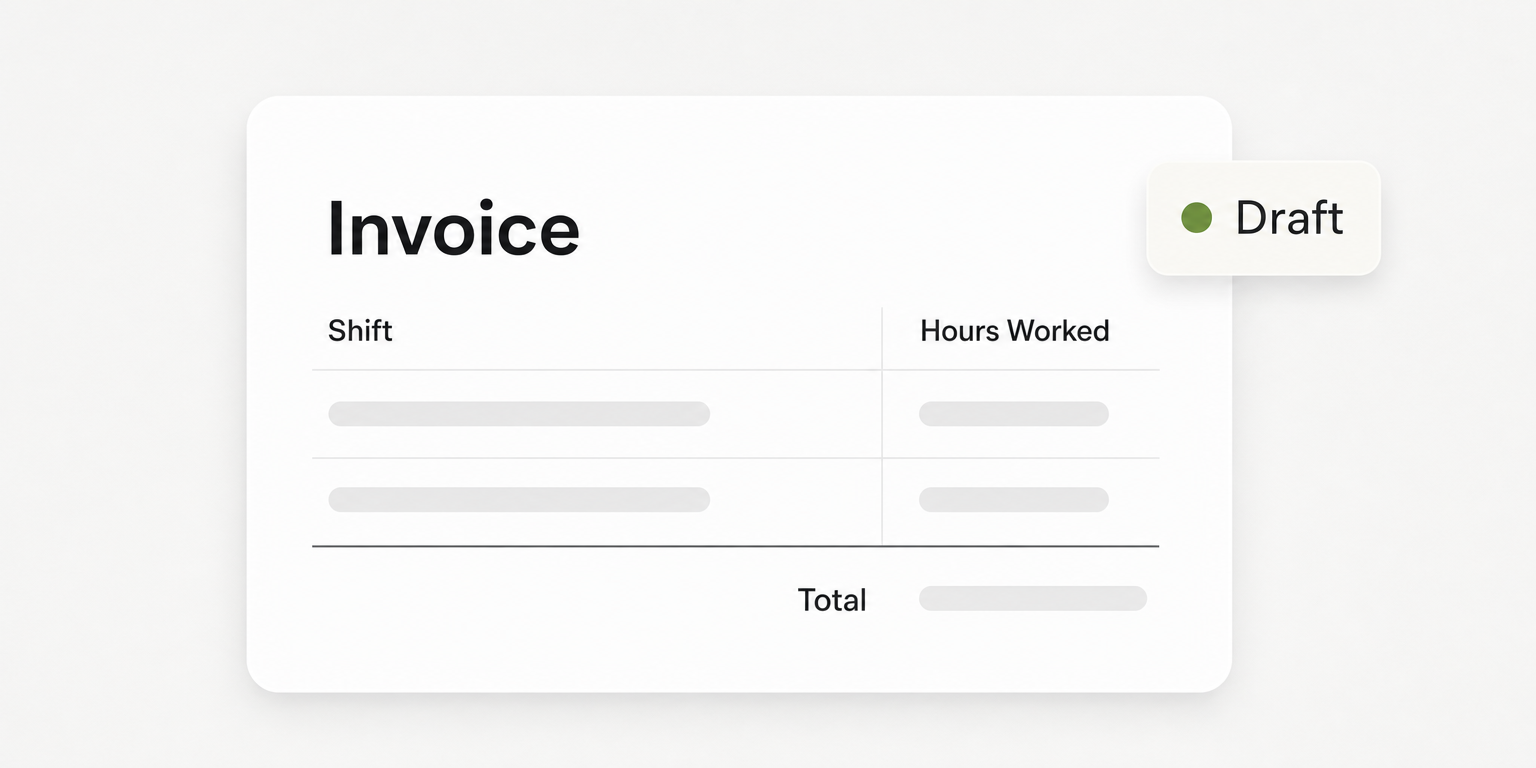


None of these feel like compliance events. Nobody calls legal. Nobody logs anything. And every one of them just triggered predictability pay — a premium owed to the worker whether you knew it or not.
The quiet premium-pay bleed most operators never see on a P&L
Fair workweek enforcement actions get the press. But for most multi-site employers, the real cost of predictive scheduling compliance isn't fines — it's the drip of predictability pay triggered by routine, well-intentioned operational behavior.
Run the math. One hour of premium pay at a $15/hour regular rate costs you $15 per schedule change. That sounds trivial until you multiply it across reality:
- 40 locations
- 6 schedule edits per location per week (a conservative number for retail, hospitality, or food service)
- Half of those edits fall inside the 14-day notice window
That's 120 premium-triggering changes a month. At $15 each, you're at $21,600 per year in predictability pay — before you count a single hour-reduction penalty, a right-to-rest violation, or the loaded cost of hours you didn't budget. Double the wage rate or the edit volume and you're pushing six figures, and not one of those line items ever appears as a "violation." It just shows up as labor cost creep that finance can't explain and operations can't see.
A $15 premium per change × 10 changes a week × 40 sites = six figures a year, with zero enforcement letters ever sent.
The failure mode is structural. Schedule edits happen in texts, spreadsheets, and verbal agreements at the site level. Premium liability is calculated — if it's calculated at all — at payroll time, weeks later, by people who weren't in the room.
Ready to move?
Ready to see Teambridge in action?
What Oregon, Seattle, NYC, and Chicago actually charge you for
Four jurisdictions define the shape of predictive scheduling compliance in the U.S. today. The details differ, but the pattern is the same: advance notice, premium pay for changes inside the window, rest protections, and recordkeeping duties that outlast everyone's memory of the shift in question.
| Jurisdiction | Coverage threshold | Notice window | Core premiums | Extra exposure |
|---|---|---|---|---|
| Oregon (statewide) | 500+ employees worldwide; retail, hospitality, food service | 14 days | 1 hour for additions/timing changes; half-pay per hour for reductions/cancellations | Right to rest: 1.5x for hours worked within 10-hour rest period without consent |
| Seattle | 500+ employees worldwide; retail and food service | 14 days | 1 hour for additions; half-pay for reductions | Higher premium for sub-24-hour changes; rest premium for clopenings |
| NYC | Fast food: 30+ locations; retail: 20+ employees | 14 days (fast food) | $10–$75 per change depending on notice and type; half-pay for cancellations | Escalating per-violation civil penalties; ban on on-call scheduling for retail |
| Chicago | 100+ employees globally (250 + 30 locations for restaurants); 7 covered industries | 14 days | 1 hour predictability pay per change; half-pay for sub-24-hour cancellations | Covers healthcare, building services, hotels, warehouse — not just retail |
Oregon's Bureau of Labor and Industries lays it out plainly: adding more than 30 minutes to a shift, changing a start time, or scheduling an additional shift inside the window each costs one hour at the regular rate, and cutting hours costs half-pay for each hour removed (Oregon BOLI). Chicago's ordinance extends the same 14-day, one-hour-premium structure across building services, healthcare, hotels, manufacturing, restaurants, retail, and warehouse services for employers with 100+ employees globally (City of Chicago).
Then come the civil penalties — typically $500 to $1,000 per violation, escalating in NYC for repeat offenses. And underneath all of it: recordkeeping requirements of two to three years. Every posted schedule, every change, every consent. If your schedules live in a group chat, your audit defense is a group chat.
Warning
Coverage thresholds are counted globally, not per location. A 12-person Chicago café inside a 400-person national chain is fully covered. "This site is small" is not an exemption.
Why multi-site employers get hit harder than single-location operators
Single-location operators deal with one ordinance, one threshold, one set of managers. Multi-site employers get all the compounding mechanics:
- Global headcount pulls small sites into coverage. Oregon, Seattle, and Chicago all count worldwide or global employees. Your smallest site inherits your largest obligation.
- Cross-site float pools create jurisdictional ambiguity. A worker who picks up shifts at three locations across a city line can sit under two different ordinances in the same pay period. Which premium applies, under which law, calculated how?
- Decentralized edits never get logged. Site managers solve coverage problems in real time — that's their job. But when the fix happens by text, the premium-triggering change exists in law and nowhere in your records. You owe money you can't see and can't defend.
- Industry expansion keeps widening the net. Chicago and Berkeley-style ordinances reach into healthcare, building services, and hospitality. Janitorial contractors, security firms, and hotel operators who assumed fair workweek was a "retail problem" are now squarely covered.
The pattern: the more distributed your scheduling authority, the more premium liability you generate and the less of it you can document.
The five schedule workflows that trigger 90% of predictability pay
Across multi-site operations, the same five patterns account for nearly all premium exposure:
- Same-day no-show backfills. Someone doesn't show; a manager calls in a replacement. In Oregon, that's an added shift inside the window: one hour of premium, every time. Multiply by your no-show rate.
- Manager-initiated swaps outside the system. Two employees agree to trade; the manager approves by text. If the employer facilitated it and it's inside 14 days, it's a change to two posted schedules — two premiums — and there's no documented consent to claim the voluntary-change exemption.
- Demand-driven hour reductions. A slow Tuesday means sending people home early or cutting tomorrow's shift. Reductions cost half-pay per hour removed — the most expensive premium category, and the one operators trigger most casually.
- Clopenings without documented consent. Scheduling a closer to open the next morning within the 10-hour rest window triggers 1.5x pay for those hours in Oregon and Seattle unless the employee consented — in writing, ideally.
- Failing to offer open shifts to existing staff first. Several ordinances require offering additional hours to current part-time staff before hiring. Skip it, and you're exposed on a different front entirely.
Note what doesn't appear on that list: "we had a good reason." Short of natural disasters and events genuinely outside the employer's control, operational necessity is not an exemption. A no-show is not an act of God.

Workflow controls that stop premiums before they're triggered
Policy memos don't stop a 6 a.m. schedule edit. Workflow controls do. The operators who get predictability pay under control build these five mechanisms into the scheduling system itself:
- Lock schedules at the 14-day window. Once posted, any edit inside the window routes through an approval gate. The manager can still make the change — but now someone sees the cost first.
- Capture digital consent for voluntary changes. The employee-initiated change is the exemption that actually exists in every ordinance. Make it one tap in an app: worker requests the swap, consent is timestamped, premium disappears. This is the single highest-ROI control available.
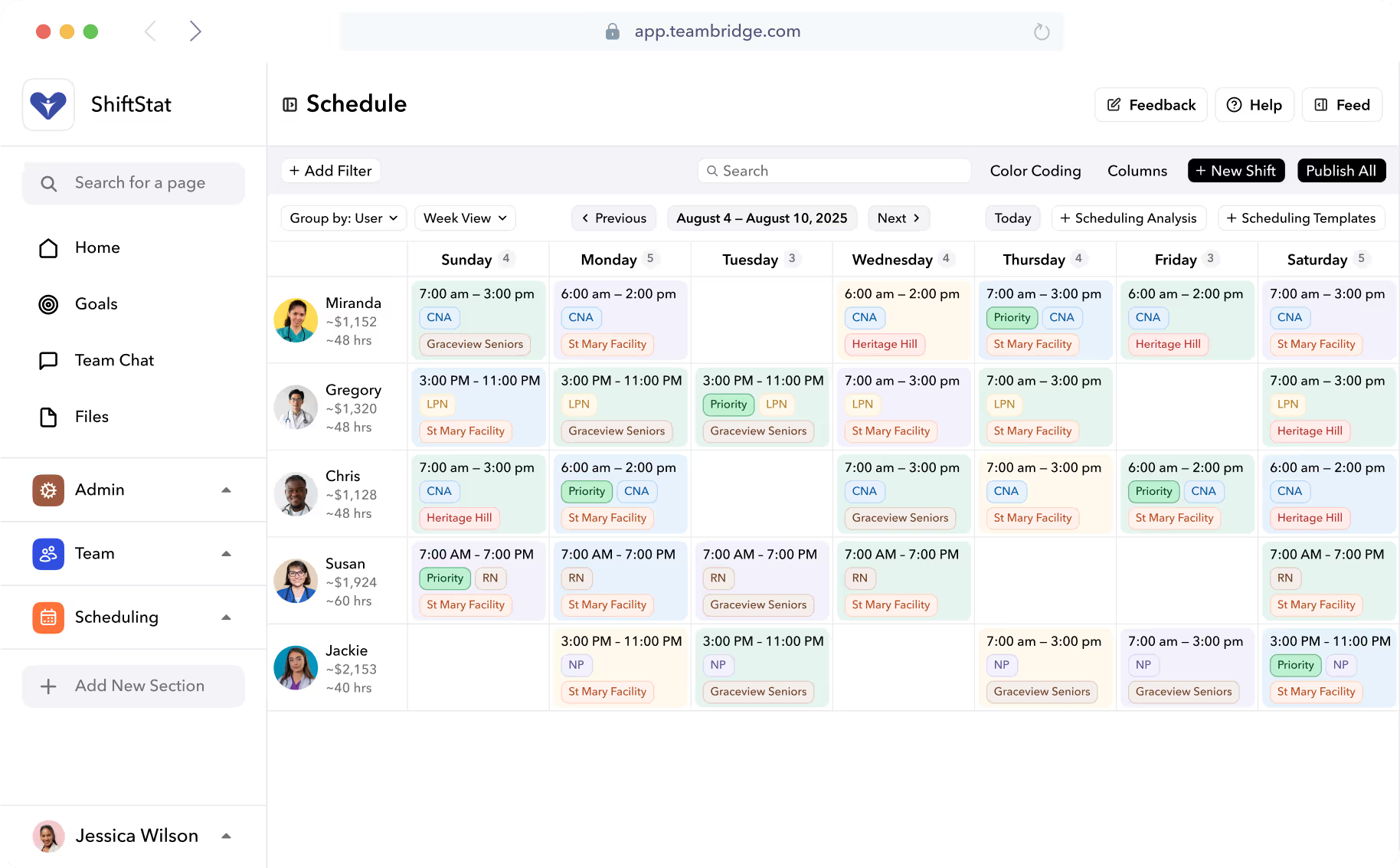
- Route every edit through one system. If the change happens in a text thread, the liability happens in the dark. One system of record means premium exposure is calculated in real time, shown to the manager before they confirm: "This change triggers $18.50 in predictability pay. Proceed?"
- Auto-offer open shifts to qualified staff. Claim workflows push an open shift to eligible existing employees first — satisfying offer-of-hours requirements and converting a premium event into a voluntary pickup.
- Keep an immutable audit trail. Every posted schedule, change, consent, and offer, retained for the full recordkeeping window. When the complaint arrives 18 months later, you answer with records, not recollection.
Tip
The cheapest predictability pay is the change a manager decides not to make once they see the price. Real-time premium display at the point of edit routinely cuts premium-triggering changes by double digits on its own.
This is the design philosophy behind the Teambridge platform: compliance enforced by the workflow, not by a handbook.
Connecting scheduling to payroll so predictability pay is never a surprise
Even a disciplined operation will owe some legitimate premiums. Demand spikes, genuine emergencies, worker-requested changes that still require documentation. That's fine — the law prices flexibility, it doesn't ban it.
The failure mode is discovery. Owed premiums that surface at audit time, or worse, in a worker complaint, convert a $15 line item into a wage-theft allegation with penalties, interest, and attorney's fees attached.
The fix is a closed loop:
- Real-time calculation — every schedule edit inside the window computes its premium the moment it happens, jurisdiction-aware, because Oregon's half-pay rule and Chicago's sub-24-hour rule are not the same math.
- A rules engine keyed to location — the system knows which ordinance governs which site and which worker, including floaters.
- Payroll integration — owed predictability pay lands on the check automatically, coded and documented. No manual true-up, no missed payments, no complaints that start with "I never got paid for that change."
That loop converts compliance from an enforcement risk into a line item you control, budget, and can actually manage down quarter over quarter.
Compliance is a scheduling problem, not a legal problem
The laws are spreading. LA County, Evanston, and Berkeley are already live alongside the big four, and more state and local bills move every session. Tracking ordinances by spreadsheet and hoping site managers remember the rules is a losing strategy — it was a losing strategy when you had two covered cities, and it's indefensible at five.
The durable fix is premium-resistant workflows: 14-day schedule locks, digital consent capture, real-time premium visibility, claim-first shift filling, and audit trails that survive the full recordkeeping window. Build those into the system, and each new ordinance becomes a configuration update instead of an operational crisis.
If you want to see what that looks like in practice, explore Teambridge scheduling, the broader platform, and the AI Specialists that monitor schedule changes, flag premium exposure, and chase consents in the background — before the premium, not after the complaint.

About the author

Content Writer at Teambridge
Anis Nanai is a content writer at Teambridge, with a focus on workforce management and the realities of running hourly teams. He prioritizes conversations with customers, staying close to the market, and understanding how workforce needs are changing. His writing connects those concerns to practical decisions about scheduling, time tracking, staffing, and automation. He examines product developments through the questions that matter to operators: what does this solve, how would it work for my team, and what evidence supports it?
Company perspective: this author works at Teambridge. Customer outcomes are attributed to their published sources.
View LinkedIn profile