

Confirm six readiness checks before authorizing dispatch
Copy the record below for each client launch. These gates, owner assignments and release rules are editorial operating recommendations, not a Teambridge standard, software acceptance test or complete compliance checklist.
Client and launch date: [Enter]
Launch reviewer and release authority: [Enter names]
Review time and time zone: [Enter]
Release scope: [Whole launch or specified assignments]
| Stage and check | Accountable owner | Verification evidence | Status | Corrective owner | Deadline | Escalation |
|---|---|---|---|---|---|---|
| Before dispatch: location | Agency account manager | Client confirms address, entrance, arrival time and access instructions | Pending | [Name if unresolved] | Before release | Client site lead |
| Before dispatch: roles | Agency operations manager | Duties, headcount and requirements match assigned workers | Pending | [Name if unresolved] | Before release | Client site lead |
| Before dispatch: contacts | Client site lead | Primary receiver and backup acknowledge responsibility | Pending | [Name if unresolved] | Before release | Agency launch owner |
| Before dispatch: billing | Agency billing lead | Entity, rates, terms, time approver and invoice recipient confirmed | Pending | [Name if unresolved] | Before release | Account owner |
| Before arrival: worker access | Agency coordinator | Every worker confirms usable assignment and arrival information | Pending | [Name if unresolved] | Before affected assignment release | Operations manager |
| First operating shift: arrivals | Client shift supervisor | Actual arrivals reconciled against expected workers | Pending | [Name if unresolved] | At first shift verification | Agency operations |
Replace role titles with named people when completing the record. In the evidence cell, retain the confirmation reference and timestamp, not just “done.”
Use Pass or Fail when a check has been performed. Use Pending when verification has not happened yet. Pending advance checks do not authorize dispatch; the arrivals check must remain pending until the shift occurs.
Important
Worker access belongs to preparation for arrival, but required worker confirmation must precede release of the affected assignment. Do not dispatch first and chase acknowledgment afterward.
Before dispatch, match confirmed locations to approved roles
The agency account manager owns location confirmation. Pass requires written client confirmation of the address, correct entrance, required arrival time and access instructions. A street address alone does not tell a worker which security desk receives temporary staff or whether the loading entrance is locked before the shift.
The agency operations manager owns role confirmation. Compare the approved duties, headcount and assignment requirements with the workers actually planned for dispatch. A familiar role title does not resolve a change in tasks or establish that every assigned worker meets the requirements.
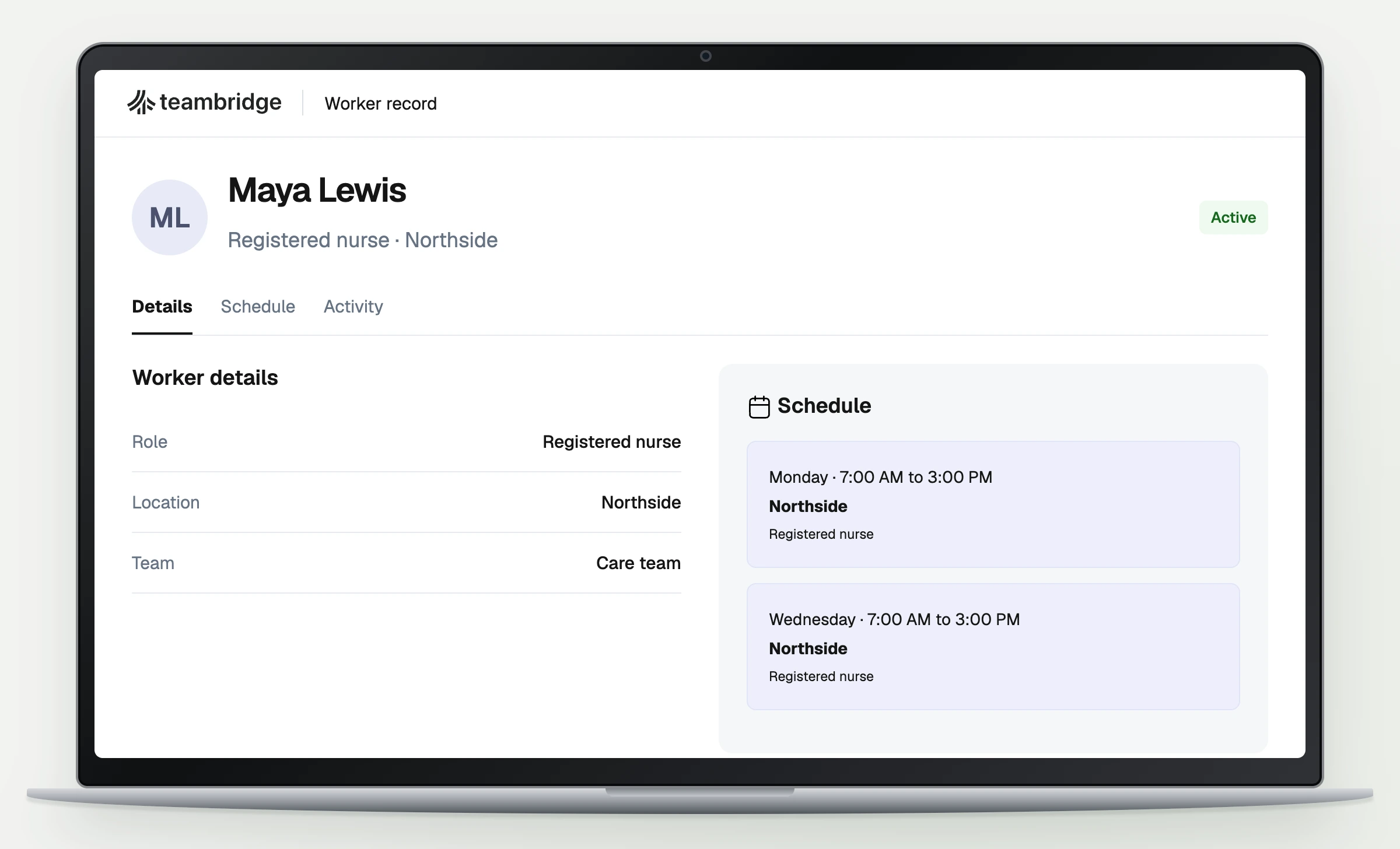
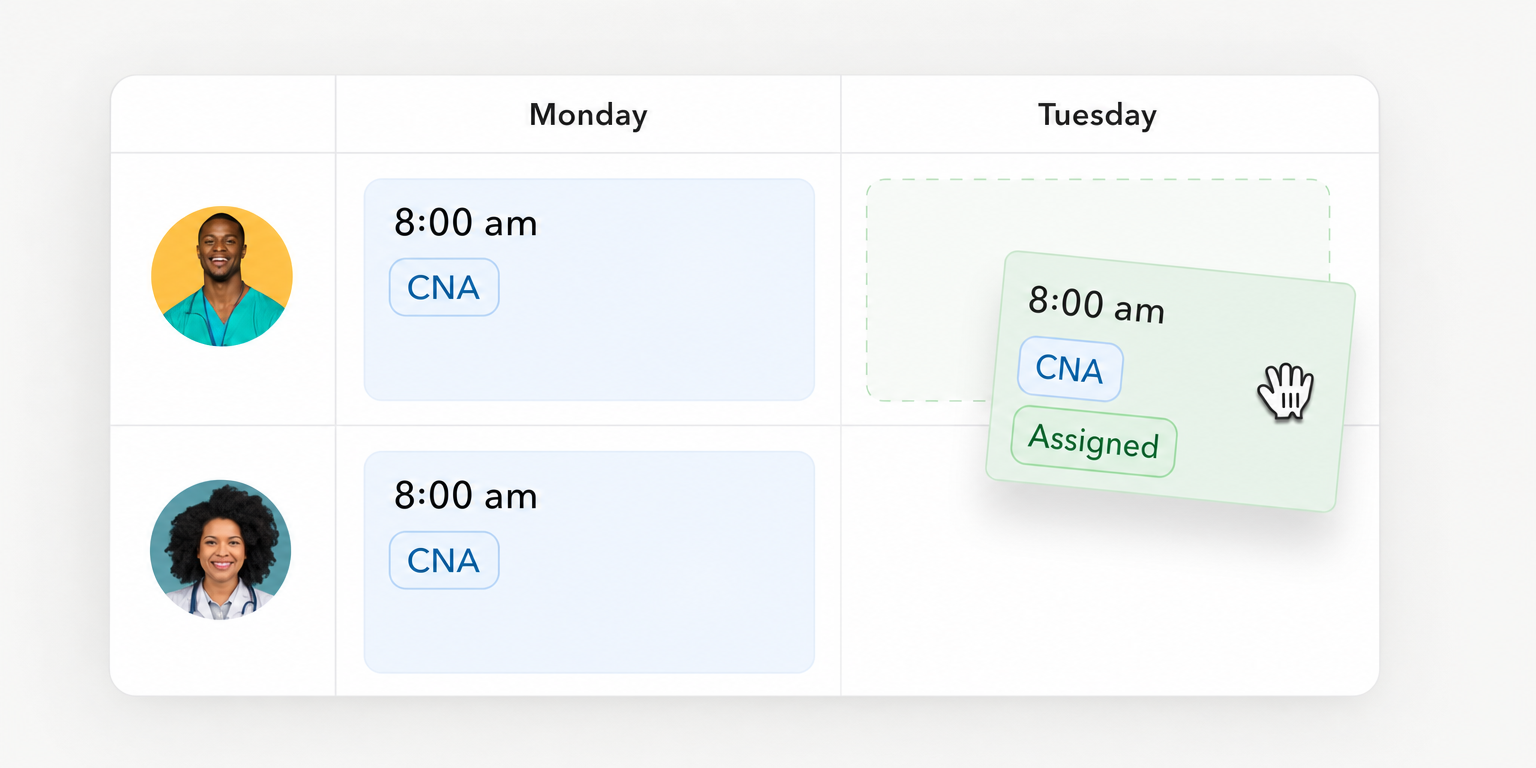
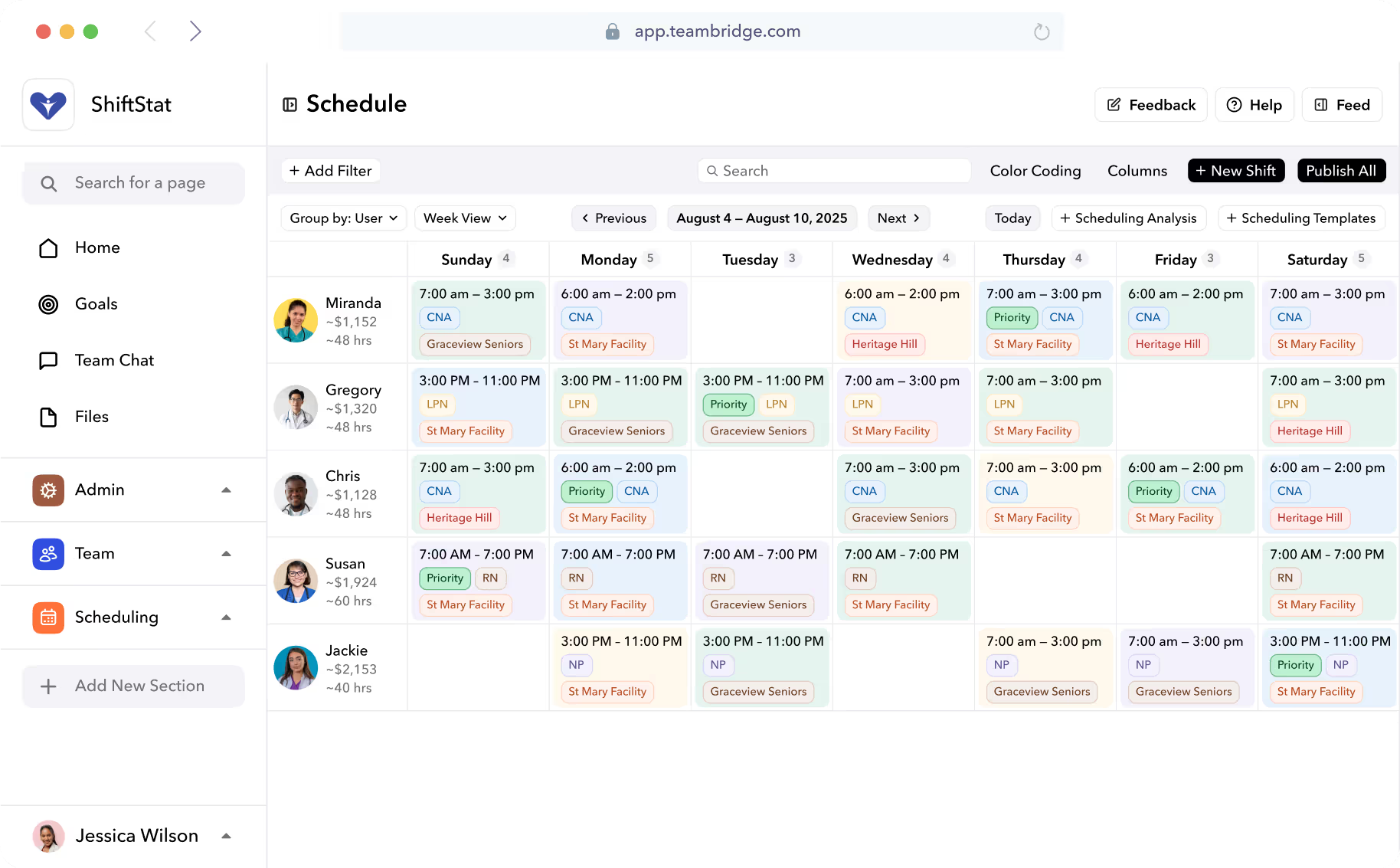
Teambridge Scheduling describes filtering workers by role, credentials and location, and keeping site, role and instructions with the shift. Those recorded details can support the review. They do not prove that the client confirmed the entrance or approved the work.
OSHA and NIOSH guidance for temporary workers recommends defining expected tasks and safety responsibilities and communicating them to workers before work begins. It also recommends specifying required protective equipment and who provides it. Use that coordination to inform the role check without treating this launch record as a substitute for safety verification.
Conflicting entrances, changed duties or unresolved worker eligibility fail the affected check. Hold the affected dispatch, name the person obtaining clarification and escalate to the client site lead. Once corrected, update the operating instructions and record the new confirmation so workers do not receive the superseded version.

Before dispatch, name the receiving contact and billing owner
The client site lead owns receiving coverage. Record a primary receiving contact and a backup, their contact methods and acknowledgment that they will handle the first arrival. A name copied from the sales handoff does not pass this check if nobody has confirmed availability.
The receiving contact needs to know what they are receiving: the expected crew, arrival time and escalation route for missing workers or denied entry. If neither contact is reachable, escalate to the agency launch owner before release. Do not make a worker standing outside the site discover that the listed supervisor is off duty.
OSHA’s communication and coordination guidance recommends establishing responsibilities before work starts, exchanging hazard information and making decision makers available to resolve coordination issues. It supports explicit ownership, but does not prescribe the job titles or deadlines in this checklist.
The agency billing lead owns commercial readiness. The evidence should identify:
- The entity being billed and invoice recipient.
- The agreed rates and payment terms.
- The person responsible for approving time.
- The recorded client confirmation supporting those details.
An unanswered email is not confirmation. Disputed rates, uncertain billing ownership or an unassigned time approver should go to the account owner before release, with a corrective owner and deadline recorded.
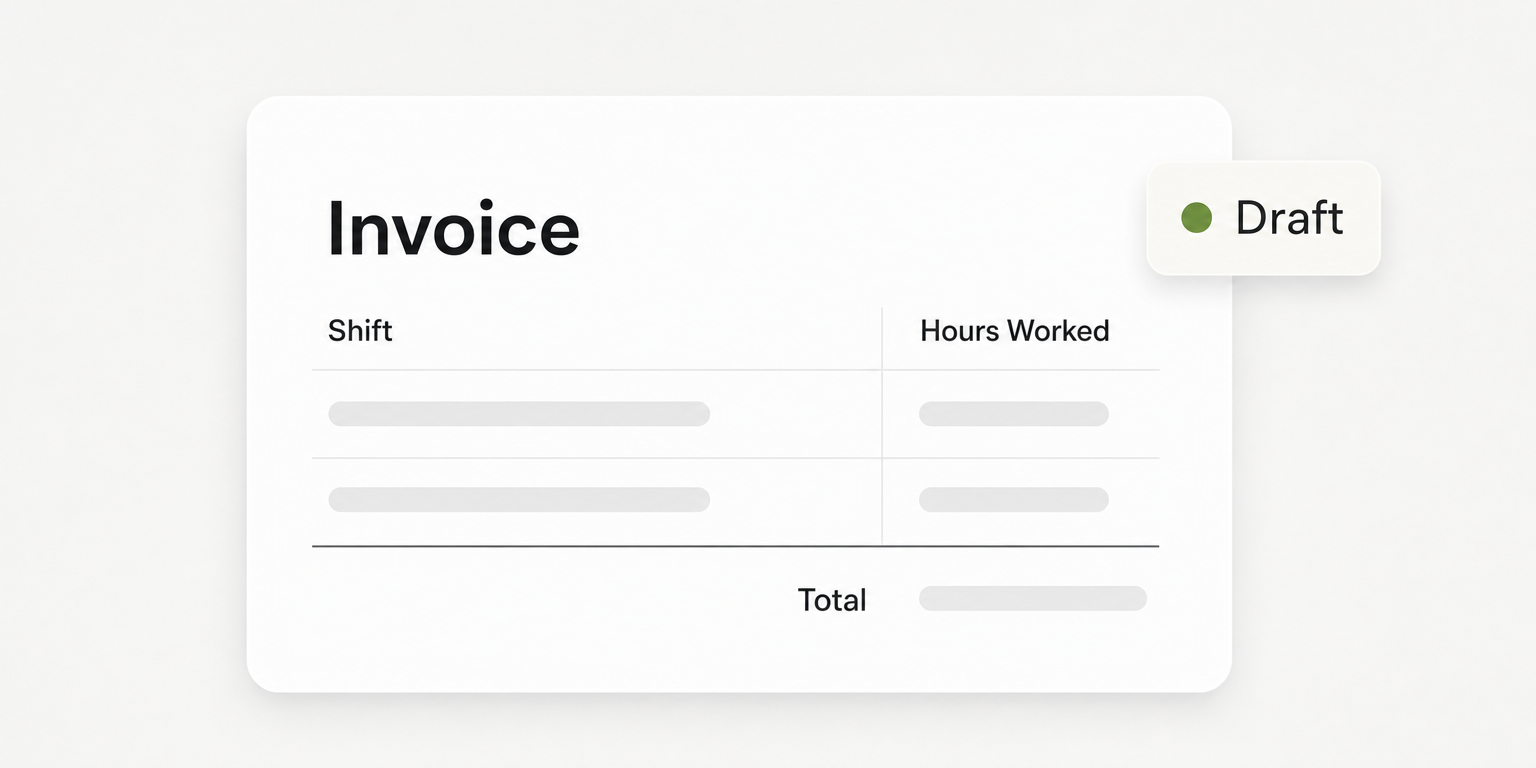
Teambridge Invoicing describes invoice drafts built from approved timecards using billing periods, rates, adjustments and client formats. That is relevant to the later billing handoff. Configured rates and terms are not evidence that the client agreed to them.
At this point, the record should show whether the site can receive the planned work and who owns the commercial handoff. The next checks establish whether the workers can act on that plan and whether the first shift actually starts as expected.
Put the workflow into practice
See how your team could use this workflow
Before arrival, verify that every worker can act on the instructions
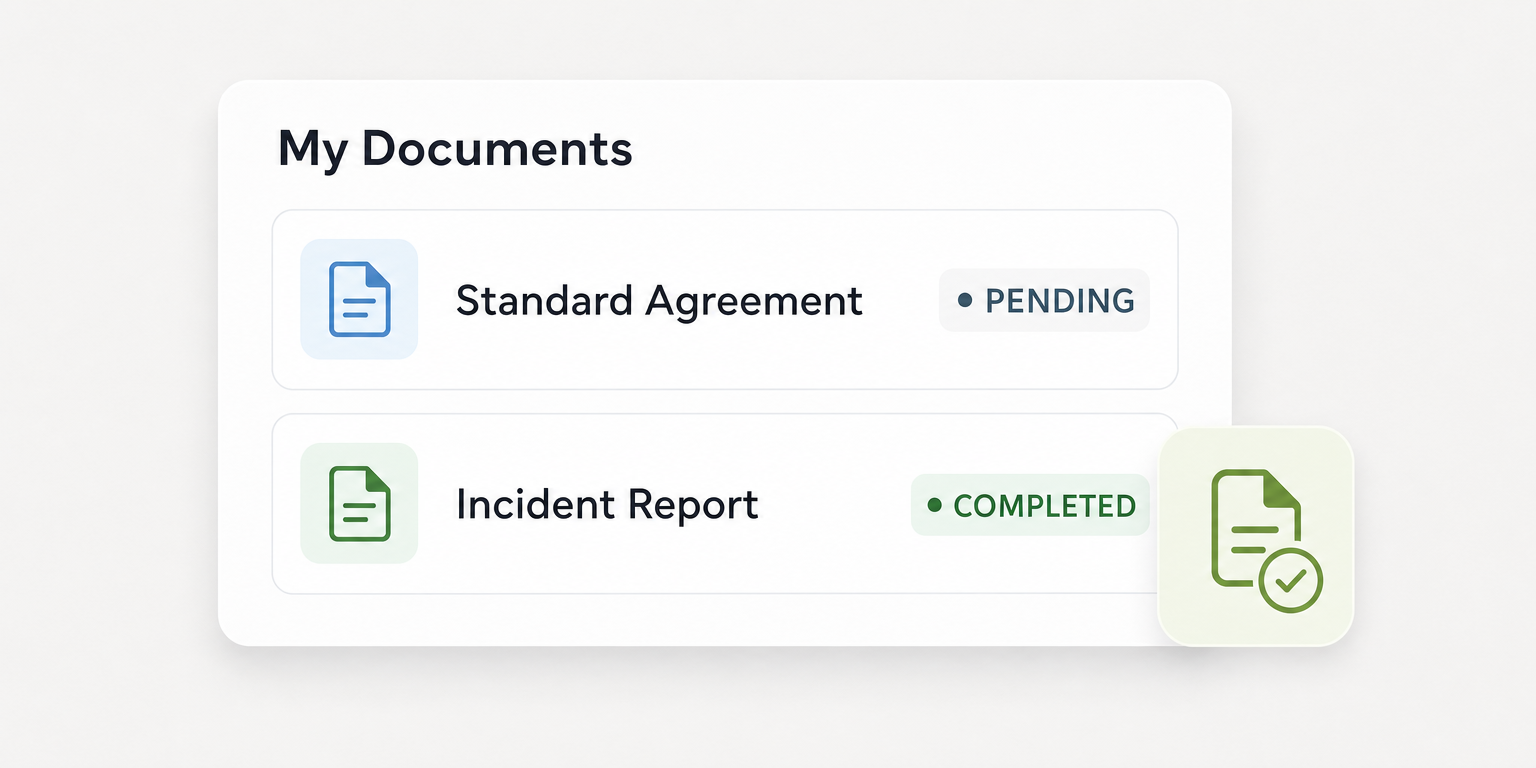
The agency coordinator owns worker confirmation. Each assigned worker should confirm the correct role, site, start time and arrival instructions, and demonstrate that they can access the required work information. A successful login alone does not establish that the worker found the correct assignment.
Ascen’s assignment acceptance documentation provides a useful distinction: workers review job details, start date, worksite, pay and classification before confirming an assignment. It directs incorrect assignment details back for correction. That describes Ascen’s workflow, not a universal staffing requirement.
This readiness record adds a specific operational question: can the worker act on the confirmed instructions for this client launch? A worker may accept the assignment but still have an unusable entrance description or an unanswered access question.
Teambridge Scheduling documents mobile access to upcoming work and shift details. Use that information as part of the handoff where applicable, but keep acknowledgment evidence separate from the fact that a shift was published.
Dispatch approval is a decision about confirmed readiness. First shift verification is an observation about what happened.
If a worker is unreachable or cannot use the instructions, fail the affected check. The coordinator must obtain acknowledgment or arrange a confirmed replacement before that assignment is released. A replacement must receive and confirm the same assignment information; filling the name slot is not enough.
During the first shift, reconcile actual arrivals with the launch record
The client shift supervisor owns the first operating shift check. Keep it pending during advance review, even when every other row passes. Scheduled workers are expected workers, not observed arrivals.
Use a short reconciliation at the agreed arrival point:
- Compare observed arrivals with the expected worker list and record who is missing or denied entry.
- Confirm that workers are being received for the approved duties, and report changed duties to agency operations immediately.
- Record the observation time, exceptions, corrective owners and next update deadline in the launch record.
If everyone arrives as expected, record the supporting observation and pass the check. If a worker is missing or denied entry, record the failure and corrective action rather than leaving the row blank. Agency operations should have enough information to act without reconstructing the incident from separate messages.
The later time review is a different handoff. Teambridge’s staffing page describes capturing time against assignments, routing approval and keeping missing or disputed hours visible. None of that makes the advance schedule proof of arrival.
Subsequent time review handoff: the Teambridge staffing page identifies this as an actual product time approval view. It is not a launch readiness dashboard or proof that workers arrived.
A hypothetical warehouse launch stays on hold for one unconfirmed worker
Hypothetical example. Assume one unnamed warehouse, eight pickers and a first shift starting at 7:00 a.m. Review takes place at 3:00 p.m. the previous day. All confirmations below are invented planning evidence, not customer records or reported results.
For this example, the agency chooses to hold the whole launch until all required advance checks pass. That is the example’s release policy, not a vendor rule.
Client and launch date: Unnamed warehouse; first shift tomorrow
Launch reviewer and release authority: Agency operations manager
Review time and time zone: Previous day, 3:00 p.m., site local time
Release scope: Whole launch
| Stage and check | Accountable owner | Verification evidence | Status | Corrective owner | Deadline | Escalation |
|---|---|---|---|---|---|---|
| Before dispatch: location | Agency account manager | Hypothetical client message confirms address, staff entrance, 7:00 a.m. arrival and access instructions | Pass | None | Complete at review | Client site lead if changed |
| Before dispatch: roles | Agency operations manager | Hypothetical written approval confirms eight pickers, duties and requirements matched to assigned workers | Pass | None | Complete at review | Client site lead if changed |
| Before dispatch: contacts | Client site lead | Hypothetical primary receiver and backup acknowledge arrival coverage | Pass | None | Complete at review | Agency launch owner if coverage changes |
| Before dispatch: billing | Agency billing lead | Hypothetical confirmation records billing entity, agreed rates and terms, time approver and invoice recipient | Pass | None | Complete at review | Account owner if disputed |
| Before arrival: worker access | Agency coordinator | Seven workers acknowledge instructions; one assigned worker has not acknowledged | Fail | Agency coordinator | Previous day, 5:00 p.m. | Operations manager controls release |
| First operating shift: arrivals | Client shift supervisor | No arrival observation possible yet | Pending | Assign if an exception occurs | First shift arrival check | Agency operations |
The coordinator has two resolution paths: obtain the remaining worker’s acknowledgment or confirm a replacement who can act on the instructions. At 5:00 p.m., the operations manager reviews the evidence, not a promise that the worker will probably respond.
If confirmation is still missing, full launch approval remains on hold under the chosen policy. If it arrives, the reviewer updates the worker access row and records release authorization. Actual arrivals remain pending until the next morning.
Release only when blockers have evidence of resolution
Before dispatch, the launch owner should review the record with the client and confirm that the release scope matches the evidence. Keep failed or pending items visible through the first shift. A deadline identifies when a decision is due; it does not automatically turn an unresolved item into a pass.
The following decision rules are editorial recommendations informed by the linked sources, not documented Teambridge approval logic.
Operator view
Decision criteria
https://www.teambridge.com/product/scheduling
https://www.teambridge.com/product/scheduling
https://www.teambridge.com/product/platform
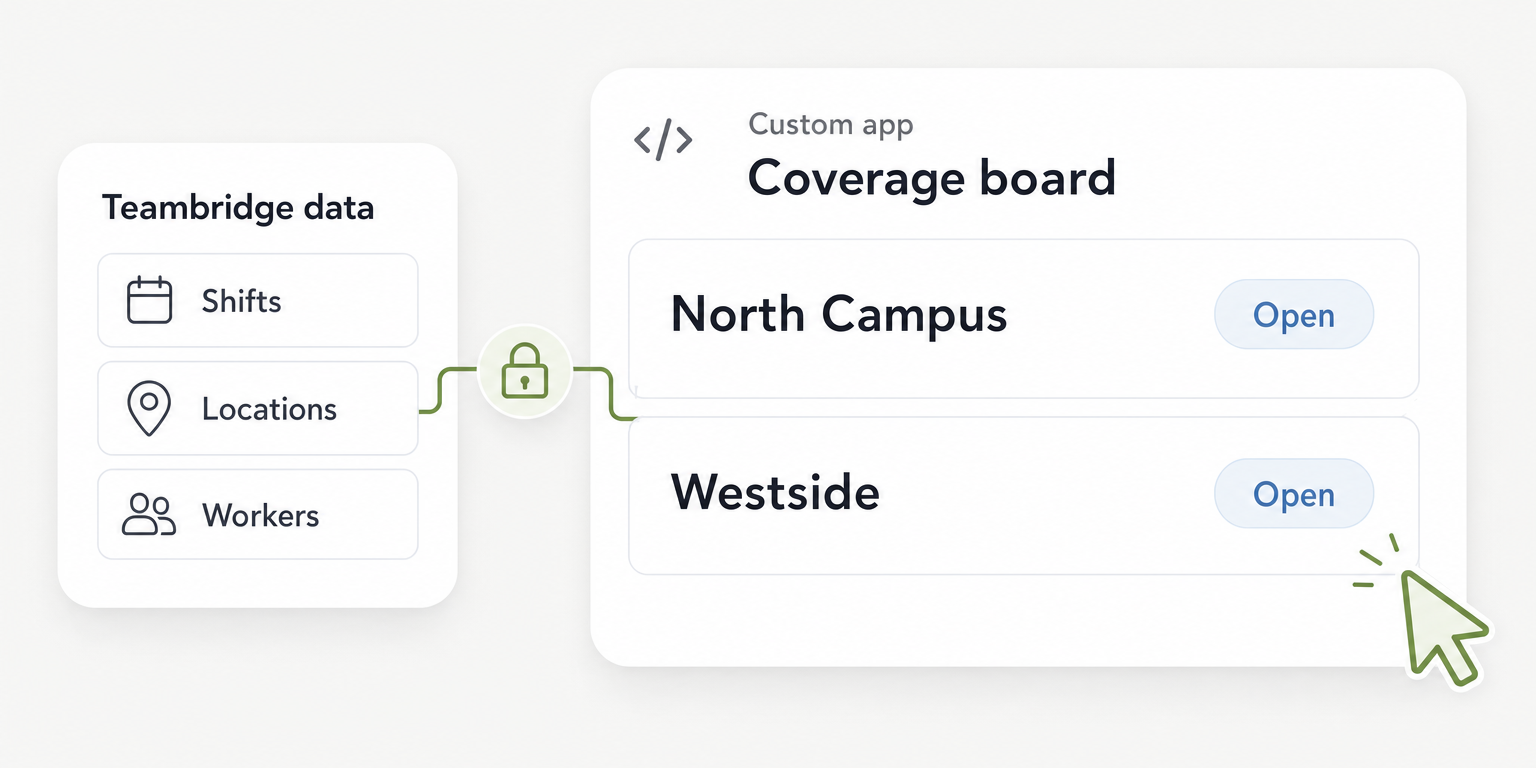
The Teambridge Platform documents configurable records, fields, permissions, forms and workflows. That makes it an operational option for organizing a readiness record. It does not establish that this checklist ships as a standard feature or that a particular approval route is already configured.
Recording readiness does not replace client approval, establish accounting compatibility or resolve safety obligations. Teambridge’s staffing page notes that integration availability depends on customer systems and implementation scope. OSHA also explains that staffing agencies and host employers share responsibility for temporary worker safety, with responsibility depending on the facts.
Release against confirmed evidence, retain the decision and finish the arrival check when the work begins. The launch is not fully verified merely because dispatch was authorized.

About the author

Content Writer at Teambridge
Anis Nanai is a content writer at Teambridge, with a focus on workforce management and the realities of running hourly teams. He prioritizes conversations with customers, staying close to the market, and understanding how workforce needs are changing. His writing connects those concerns to practical decisions about scheduling, time tracking, staffing, and automation. He examines product developments through the questions that matter to operators: what does this solve, how would it work for my team, and what evidence supports it?
Company perspective: this author works at Teambridge. Customer outcomes are attributed to their published sources.
View LinkedIn profile