

This is the quiet tax on staffing availability management. It doesn't show up as a line item. It shows up as longer fill times, padded schedules, and coordinators who spend Monday mornings on the phone instead of filling orders.
The hidden cost of scheduling against last month's availability
Stale availability doesn't fail loudly. It fails one declined offer at a time.
Here's the mechanics. Your system — or your spreadsheet, or the note taped to a monitor — says Maria is available evenings. Maria picked up a second job three weeks ago and now only works weekends. Nobody told the office. So the dispatcher offers her an evening shift, waits, gets nothing, moves to the next name, and repeats. Each dead-end offer costs a few minutes of waiting plus a few minutes of re-sorting the list.
Multiply that across a real book of business. An agency filling 300 shifts a week, where even a third of first offers go to workers whose availability changed, is burning hours of dispatch time on offers that were never going to land. And the clock is the enemy: shift work remains one of the hardest segments to fill according to Staffing Industry Analysts, which means speed-to-fill is often the difference between a filled order and a client calling your competitor.
The downstream costs stack up fast:
- Slower time-to-fill on every order touched by a bad record
- Lower offer-acceptance rates, which push dispatchers to blast more workers per shift
- Client frustration when confirmations arrive late or shifts go unfilled
- Burnout in dispatch, where the job becomes triage instead of logistics

None of this is a dispatch performance problem. It's a data freshness problem wearing a dispatch costume.
Ready to move?
Ready to see Teambridge in action?
Why weekly phone trees and spreadsheet audits never stay current
The legacy fixes all share the same fatal assumption: that availability is something you collect on a schedule. Monday calls. Friday spreadsheet audits. A group text asking who's around next week.
Every one of these decays within days, sometimes hours.
The Monday phone tree
A coordinator calls 200 workers to confirm the week's availability. At two minutes per call — and that's optimistic when half go to voicemail and trigger callbacks — that's a full day of labor to produce data that starts rotting Tuesday morning. The kid's daycare falls through Wednesday. The other job picks up a Thursday shift. The phone tree already knows nothing about it.
The shared spreadsheet
Someone maintains a Google Sheet with availability by worker and day. It's accurate exactly once: the moment after a full audit. Every change between audits lives in the worker's head, a text thread, or nowhere. Version control is a fantasy when three coordinators edit the same file.
The group text
Fast, informal, and unauditable. Replies get buried. Workers respond to the thread but not the office. There's no structure, so nothing flows back into the system that actually builds the schedule.
Warning
If your availability data has a "last updated" date measured in weeks, you are not scheduling — you are guessing with extra steps.
The pattern is identical across all three: availability is captured in batch, by the office, on the office's schedule. Real life doesn't run on the office's schedule.
The real reason availability goes stale: workers have no reason to update it
It's tempting to blame workers for not keeping the office informed. Don't. The incentives are broken, not the people.
Look at what updating availability costs a worker under the legacy model:
- Notice their own schedule changed
- Remember to tell the agency
- Call during business hours — when they're often at another job
- Wait on hold, explain the change, hope it gets written down
Now look at what ignoring a shift offer costs them: nothing. The offer expires. Life goes on.
When updating availability is harder than ignoring offers, stale data wins every time. This is the core insight most agencies miss: stale availability is a data-flow problem, not a people problem. Workers will keep their availability current the moment doing so takes ten seconds and visibly benefits them — because accurate availability means they only get offered shifts they can actually work.
No more 6 a.m. texts for shifts they can't take. No more awkward declines. The payoff has to be immediate and personal, or the behavior never changes.
What self-serve, always-current availability looks like in practice
The fix flips the model: instead of the office pulling availability from workers on a schedule, workers push updates themselves at the moment life changes — from their phone, in seconds.
Concretely, the operating model has four parts:
- Worker-owned profiles. Each worker sets recurring availability patterns — "weekday evenings," "every other weekend" — directly in an app. No phone call, no business hours.
- One-off exceptions. Daycare fell through next Thursday? That's a 15-second exception on top of the recurring pattern, not a phone call and a sticky note.
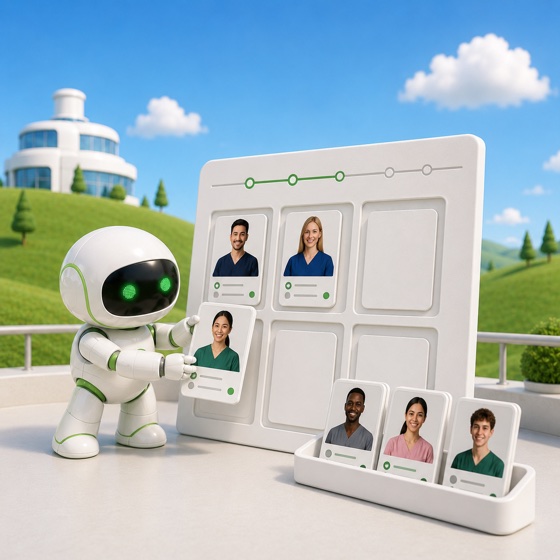
- A schedule that reads live data. Shift offers only go to workers whose availability matches right now. The system doesn't know what Maria's availability was last month; it knows what it is today.
- Auto-fill against live availability. Open shifts surface to qualified, currently-available workers first, so the first offer is usually the last one needed.
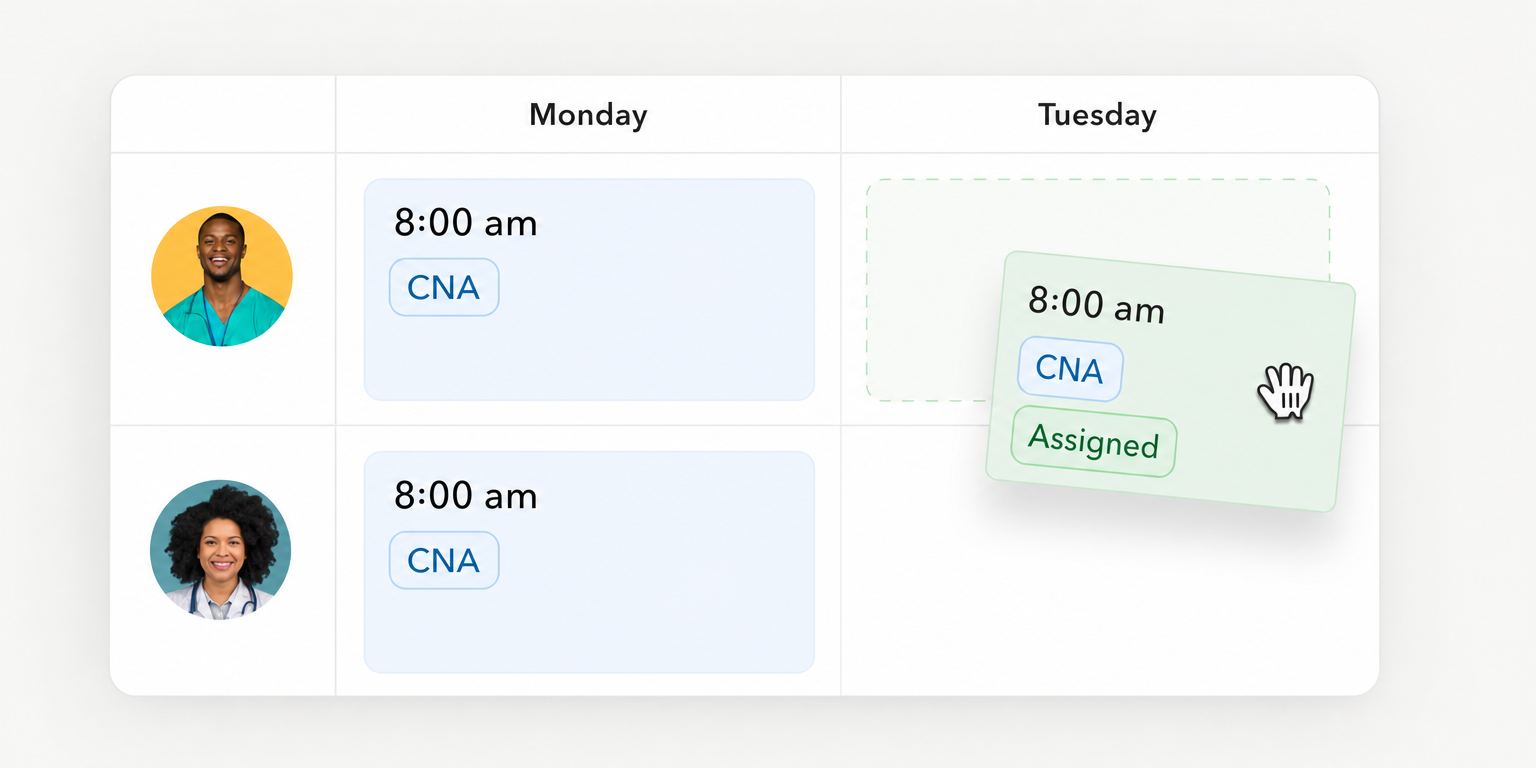
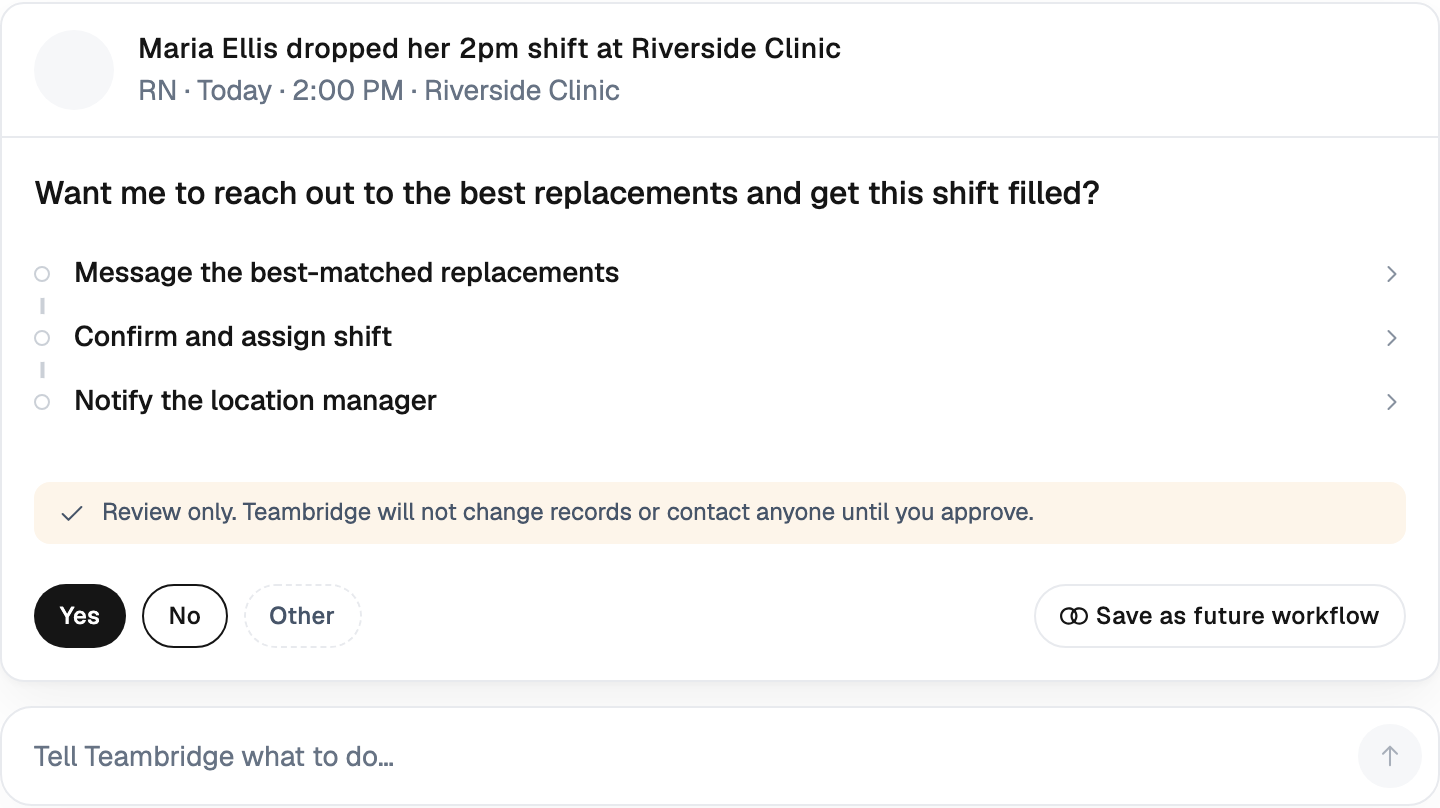
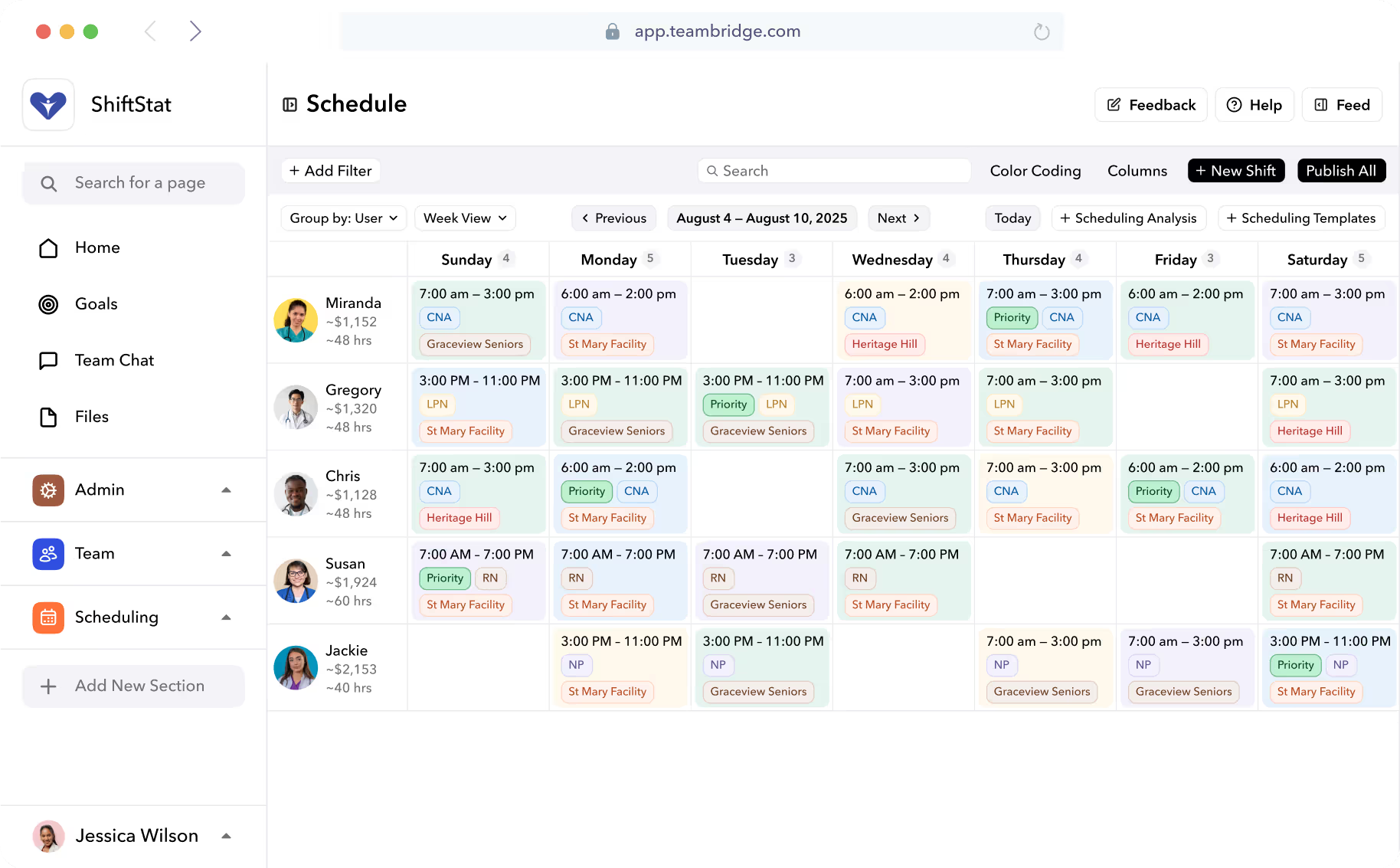
This is exactly how Teambridge Scheduling works — auto-filling gaps against live, worker-maintained availability instead of a list someone updated in a spreadsheet last month. For agencies running this at scale, the Teambridge platform ties that availability into time tracking, compliance, and pay, so a confirmed shift flows through the whole operation without re-keying.

The comparison against the legacy model is stark:
| Phone tree + spreadsheet | Self-serve live availability | |
|---|---|---|
| Data freshness | Days to weeks old | Minutes old |
| Coordinator hours per week | 8-15 on calls and audits | Near zero on upkeep |
| Who updates | The office, in batch | The worker, in the moment |
| First-offer acceptance | Low, unpredictable | High — offers match real availability |
| Mid-week life changes | Invisible until a shift fails | Captured as a one-off exception |
| Auditability | Texts and memory | Timestamped records |
Connect availability to the moments workers are already engaged
Even with self-serve tools, the best agencies don't wait for workers to remember. They prompt availability confirmations at the moments workers are already interacting with the agency.
The natural touchpoints:
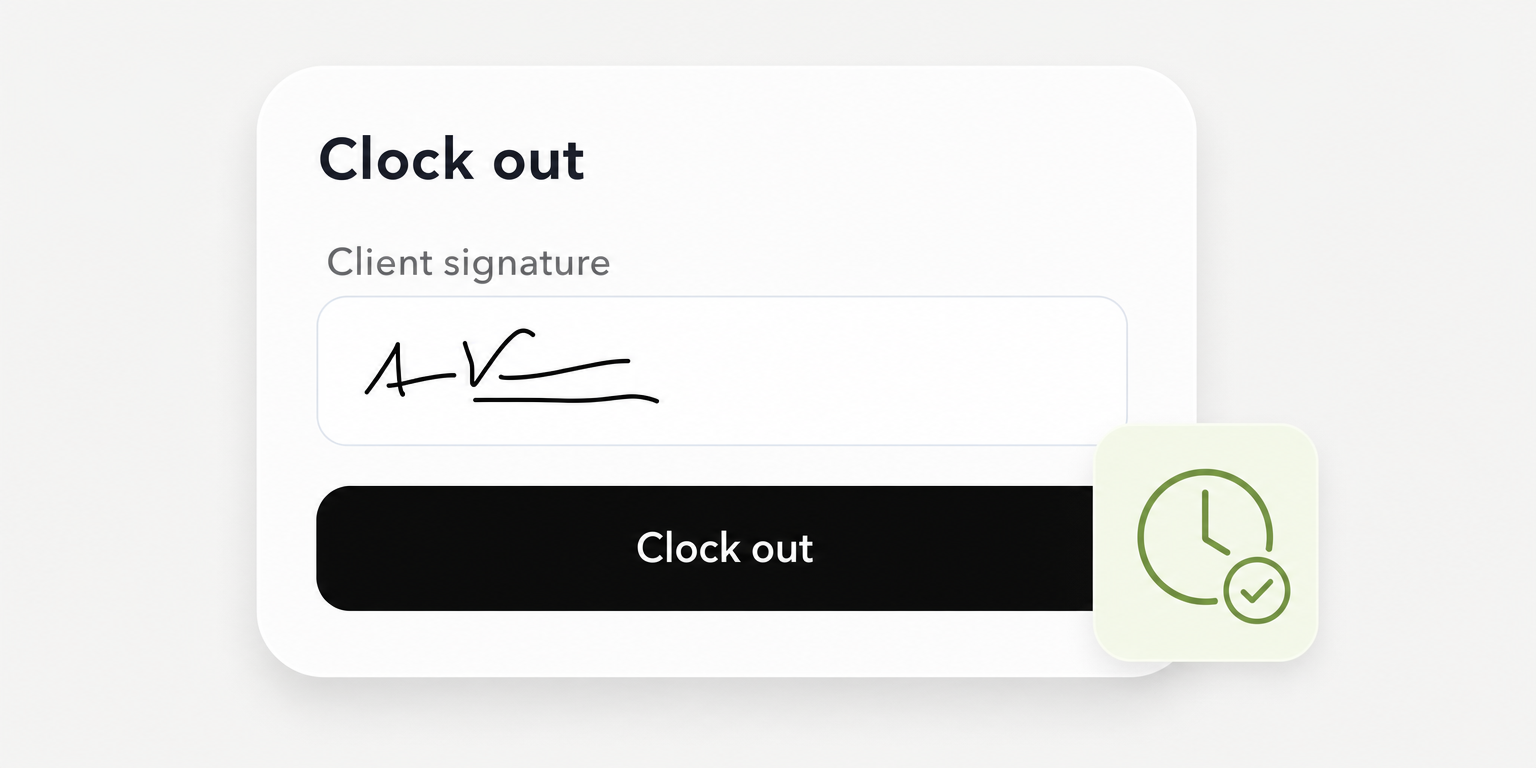
- After clock-out. A worker just finished a shift and has the app open. A one-tap "same availability next week?" confirmation takes seconds.
- After accepting a shift. They're engaged and planning ahead — the right moment to confirm the rest of the week.
- Before the weekly schedule drops. A short nudge: "Confirm your availability to get matched to shifts." Workers who want hours have a direct reason to respond.
The channel matters as much as the timing. Nudges that require an app open get ignored by the chunk of your workforce that lives in text messages. Teambridge Communication handles this with SMS fallback — the prompt reaches workers wherever they are, and a reply updates the record without anyone in the office touching it.
Tip
The best availability prompt is the one attached to something the worker was already doing. Clock-out confirmations routinely outperform standalone "please update your availability" blasts because the friction is near zero.
The metrics that tell you your availability data is trustworthy
You can't manage what you don't measure, and availability quality shows up clearly in four numbers.
Offer-acceptance rate. The cleanest signal. If first offers are accepted most of the time, availability data is current. If acceptance is low, the data is lying to you.
Time-to-fill. How long from an open shift to a confirmed worker. Stale availability stretches this by forcing dispatch through dead-end offers. Current availability collapses it.
Decline-with-no-response rate. Workers who see an offer and ignore it are telling you the offer never should have reached them. A high no-response rate is a stale-availability symptom, not a worker-engagement problem.
No-show rate. The lagging indicator. Workers confirm shifts, life changes, nobody updates the record, and the shift goes dark. Current availability plus timely confirmation prompts pushes no-shows down.
When availability is current, dispatchers stop padding every schedule with backup calls "just in case" — and that reclaimed time is the real ROI.
Track these weekly. When availability upkeep moves from the office to the worker, acceptance climbs first, time-to-fill follows, and the no-response rate falls off a cliff.
Stop dispatching blind: put availability upkeep on autopilot
Your dispatchers were never slow. They were aiming at targets that moved weeks ago. The phone tree didn't fail because coordinators weren't trying; it failed because batch-collected data can't keep up with lives that change mid-week.
The agencies that fix this treat availability as worker-owned, mobile-first, and continuously refreshed — prompted at the moments workers are already engaged, enforced by a schedule that only offers shifts matching live data. That's the model behind Teambridge Scheduling, and you can see what it looks like in production in our customer stories — agencies that killed the Monday phone tree and fill shifts faster because the first offer actually lands.
If your time-to-fill is stuck and your acceptance rate is a coin flip, the problem probably isn't your team. It's the data they're forced to trust. Book a 20-minute walkthrough and see what dispatch looks like when availability stops expiring.

About the author

Content Writer at Teambridge
Anis Nanai is a content writer at Teambridge, with a focus on workforce management and the realities of running hourly teams. He prioritizes conversations with customers, staying close to the market, and understanding how workforce needs are changing. His writing connects those concerns to practical decisions about scheduling, time tracking, staffing, and automation. He examines product developments through the questions that matter to operators: what does this solve, how would it work for my team, and what evidence supports it?
Company perspective: this author works at Teambridge. Customer outcomes are attributed to their published sources.
View LinkedIn profile