

Most operators treat it as a discipline problem. Catch the bad apple, write them up, move on. That framing is why the problem never gets solved. Time theft is a workflow problem dressed up as a behavior problem, and the fix is structural.
Time Theft, Defined: Why Operators Should Care Before Payroll Runs
At the operator level, time theft is any instance where an employee is paid for time they didn't actually work. Sometimes it's deliberate fraud. More often it's drift — a few minutes here, a long break there, a rounded-up timecard at the end of the week. The intent matters less than the math.
The scale is hard to ignore. Time theft costs U.S. employers between $450 billion and $550 billion annually according to the American Payroll Association. Older estimates put the figure at $400 billion, but the direction of travel is clear. Almost half (49 percent) of US employees who track time admit to time theft. In the US, this costs employers more than $11 billion a year.
43% of hourly workers admit to reporting more hours than they actually work. According to a study by the American Payroll Association, time theft costs businesses an estimated 1.5% to 5% of their gross payroll annually. If you run a 200-person operation at $22/hour, even the low end of that range is six figures gone every year.
This isn't a "bad apple" problem. It's a workflow problem, and it hits hardest in industries where workers aren't physically next to a manager: home care, construction, janitorial, healthcare staffing, security, and field services.
The Six Forms of Time Theft You're Actually Paying For
Time theft isn't one behavior. It's a category of six distinct patterns, each with its own mechanics and its own structural cause.
- Buddy punching — one employee clocks in or out for another. Sixteen percent of US employees who track time admit to buddy punching.
- Timecard padding — manually rounding up hours, editing entries after the fact, or claiming hours not worked. Falsifying hours: manually rounding up hours on a timesheet or adjusting digital entries.
- Extended or unauthorized breaks — the 15-minute break that runs 35 minutes, several times a shift.
- Early-out / late-in patterns — clocking in before the shift starts and clocking out after it ends, with no actual work happening in those windows.
- Personal tasks on the clock — errands, phone scrolling, side conversations that compound into hours per week.
- Ghost shifts — punches recorded for someone who never showed up at all, often paired with buddy punching.
The per-employee math is brutal. The average employee steals 4 hours and 5 minutes every week according to the American Payroll Association. It's shocking, but it's also consistent with a seminal time theft survey conducted by Robert Half International, which found that employers lose about 4.5 hours per week per employee.
Even if you discount that figure heavily, the labor leak is real. Ten minutes a day, across ten employees, at $20/hour, across 260 working days, is roughly $8,600 a year in pure wage leak — and that's before you count the overtime multiplier when those phantom minutes push someone over 40 hours in a week.
| Form of Time Theft | Typical Mechanism | Where It Hides |
|---|---|---|
| Buddy punching | Shared PIN, badge swap | Punch logs |
| Timecard padding | Manual edits, rounding | End-of-period timecards |
| Extended breaks | Unenforced break rules | Daily exception logs |
| Early-in / late-out | No schedule-bound clock | Pre-shift / post-shift minutes |
| Personal tasks | Idle time on shift | Productivity vs. hours ratio |
| Ghost shifts | No identity verification at punch | Schedule vs. attendance mismatch |
Buddy Punching: The Most Expensive Loophole in Manual Timekeeping
Of the six, buddy punching is the most preventable — which is exactly why it's the most embarrassing line item. The mechanics are simple: shared PINs, paper timesheets, badges left in a drawer, kiosks that nobody supervises.
Sixteen percent of US employees who track time admit to buddy punching. In the US, this costs employers at least $373 million a year. 74% of employers experience payroll losses related to buddy punching. According to Nucleus Research, these losses average 2.2% of gross payroll, and that's just one form of time theft.
Warning
Basic "fixes" like PIN passwords don't work. PINs get shared in the breakroom within a week. Biometrics alone don't work either if your system still allows a manual PIN fallback when the fingerprint reader fails — that fallback becomes the loophole.
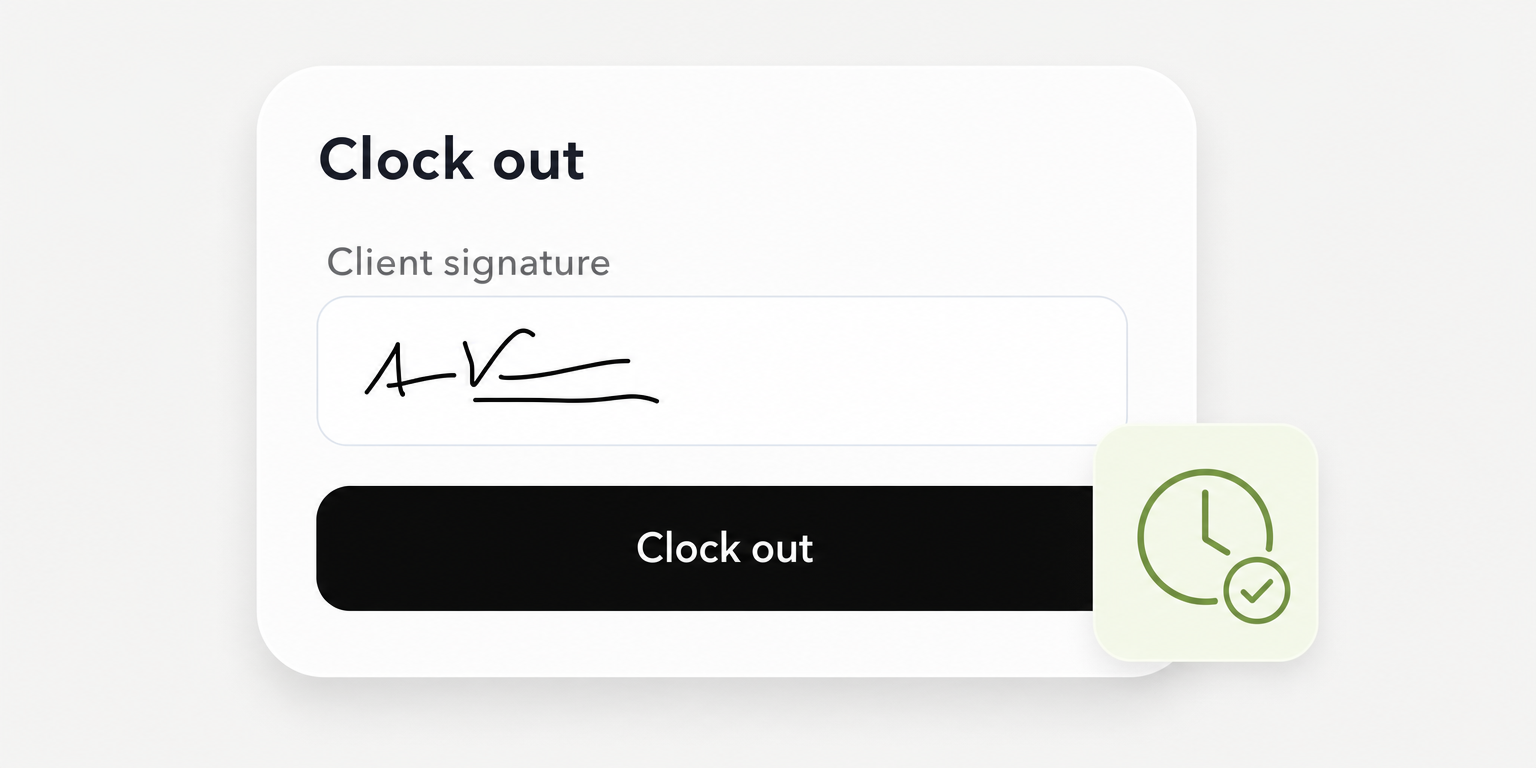
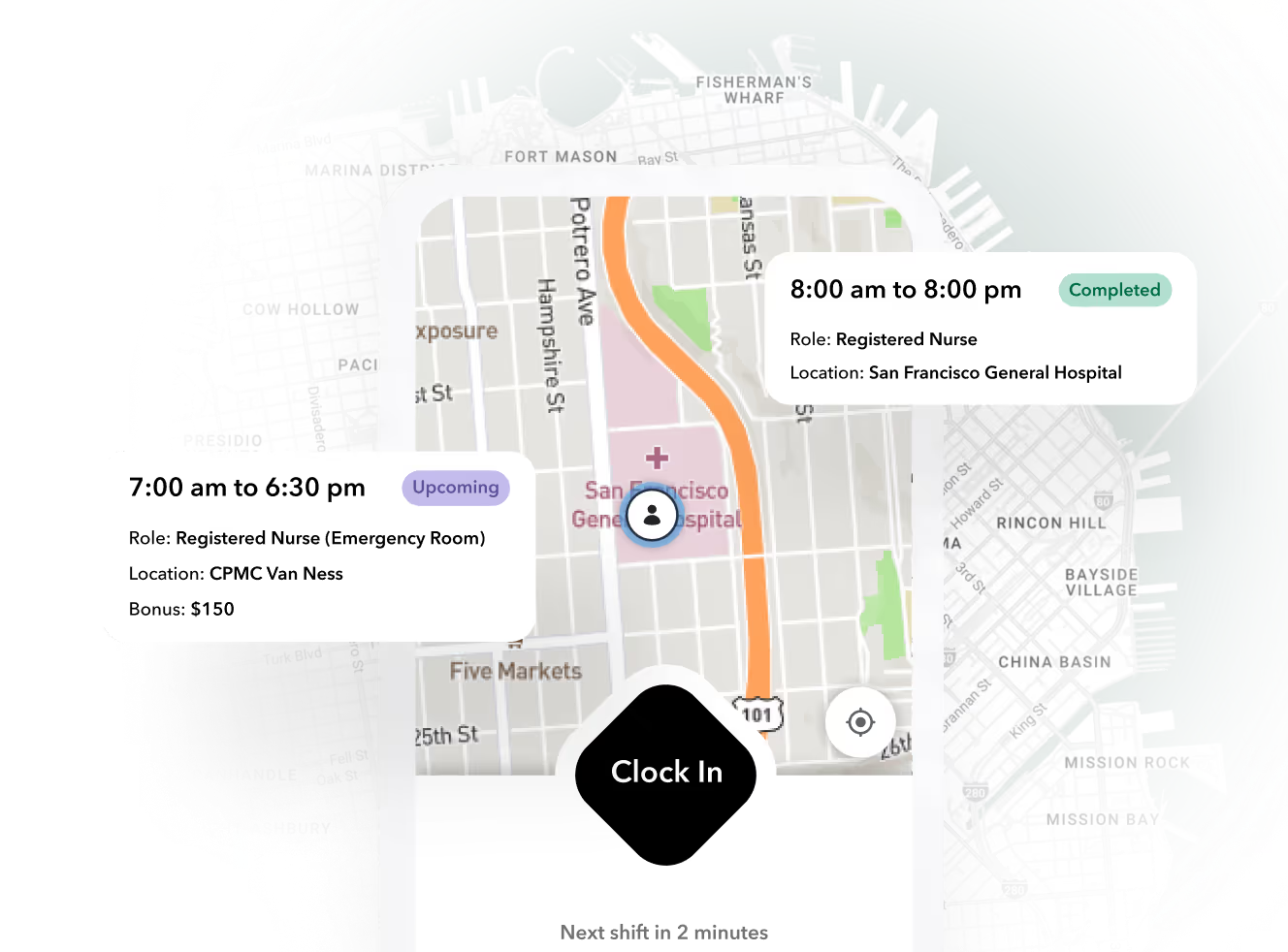
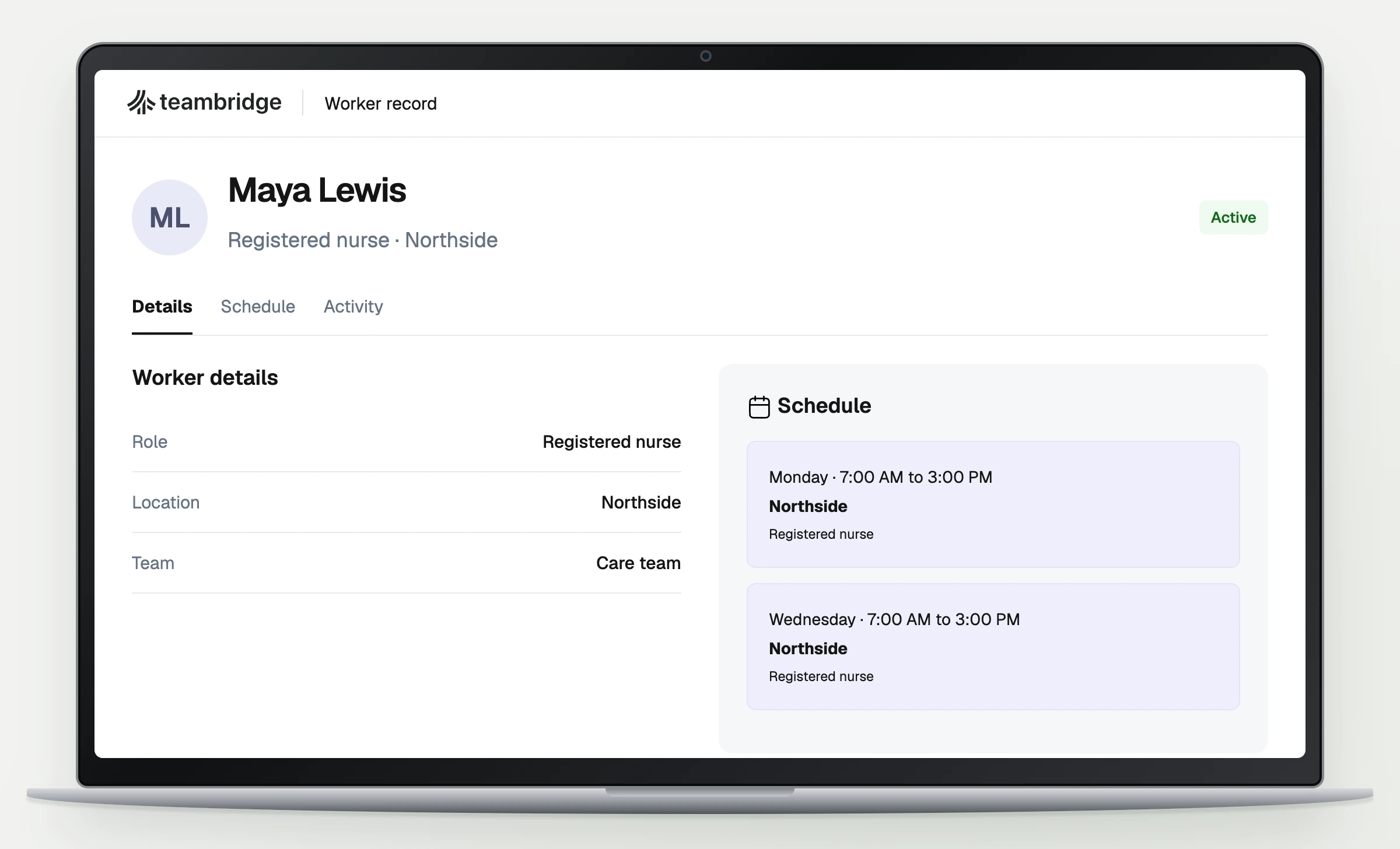
The structural fix is identity verification at the moment of the punch event, with no shared-credential escape hatch. That means GPS-bound clock-in tied to a specific shift assignment, photo-on-punch or facial recognition, and a clock-in workflow that can't be triggered from a coworker's device. This is the foundation of Teambridge's Time Tracking — GPS-verified clock-in, photo verification, and timecard exception handling in one workflow.

The Compliance Trap: When Fixing Time Theft Creates FLSA Exposure
Here's where operators get burned. The instinct, when you catch suspected time theft, is to refuse to pay the disputed hours. Don't.
Under the Fair Labor Standards Act, employers must pay for all hours an employee has reported as worked. If you refuse to pay suspected stolen time without going through proper documentation and dispute procedures, you risk a wage claim worth back wages plus liquidated damages and attorney fees. Off-the-clock work: unrecorded overtime that can violate the Fair Labor Standards Act (FLSA). While buddy punching is often seen as "doing a friend a favor," it's a direct violation of company policy and federal wage and hour law. Under the FLSA, employers are required to maintain accurate time records.
The trap: you can't underpay your way out of time theft, and aggressive counterclaims for fraud can be characterized as retaliation. The only safe posture is documentation discipline — timestamped audit trails, exception logs, and consistent enforcement applied uniformly.
This matters even more in compliance-sensitive industries. In home care, every unverified visit is both time theft and a potential Electronic Visit Verification (EVV) violation. In healthcare staffing, a buddy punch means you may have paid an uncredentialed worker who wasn't actually present — a credentialing exposure on top of a payroll exposure. In construction, inflated hours feed certified payroll reports, which feed into prevailing wage compliance.
Important
Fixing time theft is a documentation game, not a confrontation game. The system that prevents fraud must also be the system that creates a defensible record when you have to terminate or claw back.
Why Distributed Workforces Get Hit Hardest
Distributed work breaks every traditional control. There's no front-desk manager watching the door, no shared clock, no visual confirmation that the person on the timecard is the person on the jobsite. The result is industry-specific, but the pattern is the same.
Home Care
Unverified visits create a compounded problem: the caregiver is paid for a visit that may not have happened, and the agency fails its EVV obligation to Medicaid. The fix isn't more oversight phone calls — it's GPS-bound clock-in tied to the client's address and the caregiver's identity. See how Teambridge handles home care workflows from credentialing through visit verification.
Construction
Inflated hours don't just leak wages. They skew bid estimates and project budgets. If your labor reporting says a framing crew burned 120 hours on a job that should've taken 90, your next bid will be wrong — and your margin shrinks for the next project too. Jobsite-bound time tracking is the floor, not the ceiling. Teambridge's construction industry workflows tie certifications, jobsite time, and project billing into one record.
Janitorial
Ghost punches in janitorial work cause two losses: you pay for cleaning that didn't happen, and you reorder supplies based on inflated activity reports. Clients eventually notice the standards drop.
Healthcare Staffing
Buddy punching in healthcare staffing isn't just a wage issue. It collides with credential expiry. If the per-diem RN who supposedly worked Saturday's overnight was actually a coworker covering with a friend's badge, you may have just billed your client for an uncredentialed shift. That's a contract risk on top of a payroll risk. Teambridge's healthcare staffing platform enforces credentials at the shift level.
Ready to move?
Ready to see Teambridge in action?
The Detection Stack: Signals That Indicate Time Theft Is Already Happening
Before you deploy technology, audit for the signals. Time theft leaves fingerprints in your existing data. Train your operations leads to look for:
- Identical clock-in times across multiple employees down to the second — a sign of a shared device or coordinated punches.
- Punches outside geofence boundaries when GPS data is available — the employee was nowhere near the worksite.
- Repeated "forgot to clock out" exceptions from the same employee, always producing a manager edit in the employee's favor.
- Mismatched project progress versus logged hours — the work output doesn't reconcile with the reported time.
- Consistent 7-minute roundings that always favor the employee, never the employer. Random rounding is noise. Patterned rounding is intent.
- Clusters of punches from the same device or IP address — multiple employees punching from one phone.
A monthly exception audit by a workforce ops lead surfaces 80% of active time theft patterns without any new technology. The audit itself is often what changes behavior.
These signals are the diagnostic step. They tell you whether the problem is concentrated (a few employees) or systemic (a workflow that incentivizes it).
Prevention That Doesn't Devolve Into Micromanagement
There are two failure modes in time theft prevention. The first is doing nothing and accepting the leak. The second is overcorrecting into surveillance theater — screen recordings, keystroke loggers, location pings every 30 seconds — which kills morale without fixing the underlying problem.
The right answer is structural identity verification at the punch event, with everything else handled through policy and exception workflows.
The Structural Layer
- GPS-verified clock-in tied to a specific shift assignment. No shift, no clock-in. No location match, no clock-in.
- Photo-on-punch or facial recognition with no PIN fallback. A fallback is a loophole.
- Geofencing for jobsite-based work. The system knows where the work is supposed to happen.
- Automated exception flagging. Missed punches, out-of-geofence events, and pattern anomalies route to managers in real time.
- Integrated timecard-to-payroll workflow. Eliminate the manual edit window where padding happens.
The Policy Layer
- Documented time theft policy in the handbook with clear definitions and consequences.
- Consistent enforcement — selective enforcement creates wage-and-hour exposure.
- Annual timekeeping audits. According to the Benchmark Report, companies that conduct annual timekeeping audits experience 45% fewer compliance violations than those that don't.
| Before | After |
|---|---|
| Paper timesheets, shared PIN kiosks | GPS-bound mobile clock-in with photo verification |
| Manager edits hours at end of week | Real-time exception flagging during shift |
| "Forgot to clock out" handled via memory | Auto clock-out with documented exception trail |
| Buddy punching detected by accident | Identity verified at every punch event |
| Payroll reconciliation takes 6 hours per cycle | Timecards flow into payroll automatically |
When your time tracking data flows directly into payroll, errors disappear. Integrated systems ensure that wages, tax filings, and overtime calculations remain accurate and audit-ready — protecting both your business and your employees.
The point isn't to watch employees. It's to make fraud structurally impossible at the moment of the clock event, so the rest of the day can be about work instead of supervision. For more context on how Department of Labor enforcement intersects with timekeeping, the DOL Wage and Hour Division publishes the FLSA recordkeeping requirements every operator should know.
Stop Paying for Hours Nobody Worked
Time theft isn't a moral failing of your workforce. It's the predictable output of a timekeeping system that doesn't verify identity, location, or schedule alignment at the moment of the punch. Treat it as a discipline problem and you'll be doing the same disciplinary write-ups in five years. Treat it as a system problem and you fix it once.
The operator playbook is short: identity verification at the clock event, geofence-bound punches tied to a real shift, automated exception handling, integrated payroll flow, and a documented policy applied consistently. That stack closes the structural loopholes that account for most of the $450B annual leak.
Teambridge's unified workforce platform brings GPS clock-in, exception handling, credential enforcement, and compliance reporting into one system — built for the distributed, shift-based operations where time theft compounds fastest. The fix isn't more discipline. It's a workflow where the wrong punch can't happen in the first place.

About the author

Content Writer at Teambridge
Anis Nanai is a content writer at Teambridge, with a focus on workforce management and the realities of running hourly teams. He prioritizes conversations with customers, staying close to the market, and understanding how workforce needs are changing. His writing connects those concerns to practical decisions about scheduling, time tracking, staffing, and automation. He examines product developments through the questions that matter to operators: what does this solve, how would it work for my team, and what evidence supports it?
Company perspective: this author works at Teambridge. Customer outcomes are attributed to their published sources.
View LinkedIn profile