

Start with one control log for four staffing checkpoints
Copy the table below into your operating record. Add a row for each checkpoint and connect related rows with the same exception reference. Replace bracketed entries with event details; the pass criteria are starting controls, not completed checks.
| Stage | Affected post | Worker reference | Observation time | Accountable owner | Pass or fail signal | Escalation trigger | Next action | Receiving owner acknowledgment |
|---|---|---|---|---|---|---|---|---|
| Arrival reporting | [Post] | [Worker ID] | [Time] | [Post supervisor] | Pass: presence at assigned post confirmed. Fail: checkpoint missed. | No post confirmation by [time] | [Action and due time] | [Owner, response, time] |
| Supervisor escalation | [Post] | [Worker ID] | [Original time] | [Responsible supervisor] | Pass: supervisor accepts next action. Fail: no accepted owner. | No acceptance by [time] | [Action or backup contact] | [Owner, response, time] |
| Worker reassignment | [Origin and destination] | [Worker ID] | [Time] | [Desk owner coordinating move] | Pass: release approved, eligibility checked, destination arrival confirmed, origin accounted for. | Any approval or confirmation missing | [Action and due time] | [Receiving supervisor, response, time] |
| Incident handoff | [Post] | [Worker ID or reference] | [Time] | [Sending owner until acceptance] | Pass: receiving owner accepts outstanding action. Fail: forwarding only. | No acceptance by [time] | [Outstanding action and due time] | [Receiving owner, response, time] |
These are editorial operating recommendations, not an industry standard, a documented Sentry procedure or a default Teambridge workflow. Keep supporting notes for current conditions, approvals and unresolved actions alongside each row.
Before arrivals begin, define local checkpoints, acknowledgment deadlines and backup contacts. Assign actual people to the owner roles, including relief coverage for the staffing desk. An owner label such as “supervisor” is not enough when several supervisors share a radio channel.
Arrival reporting passes only when the worker reaches the assigned post
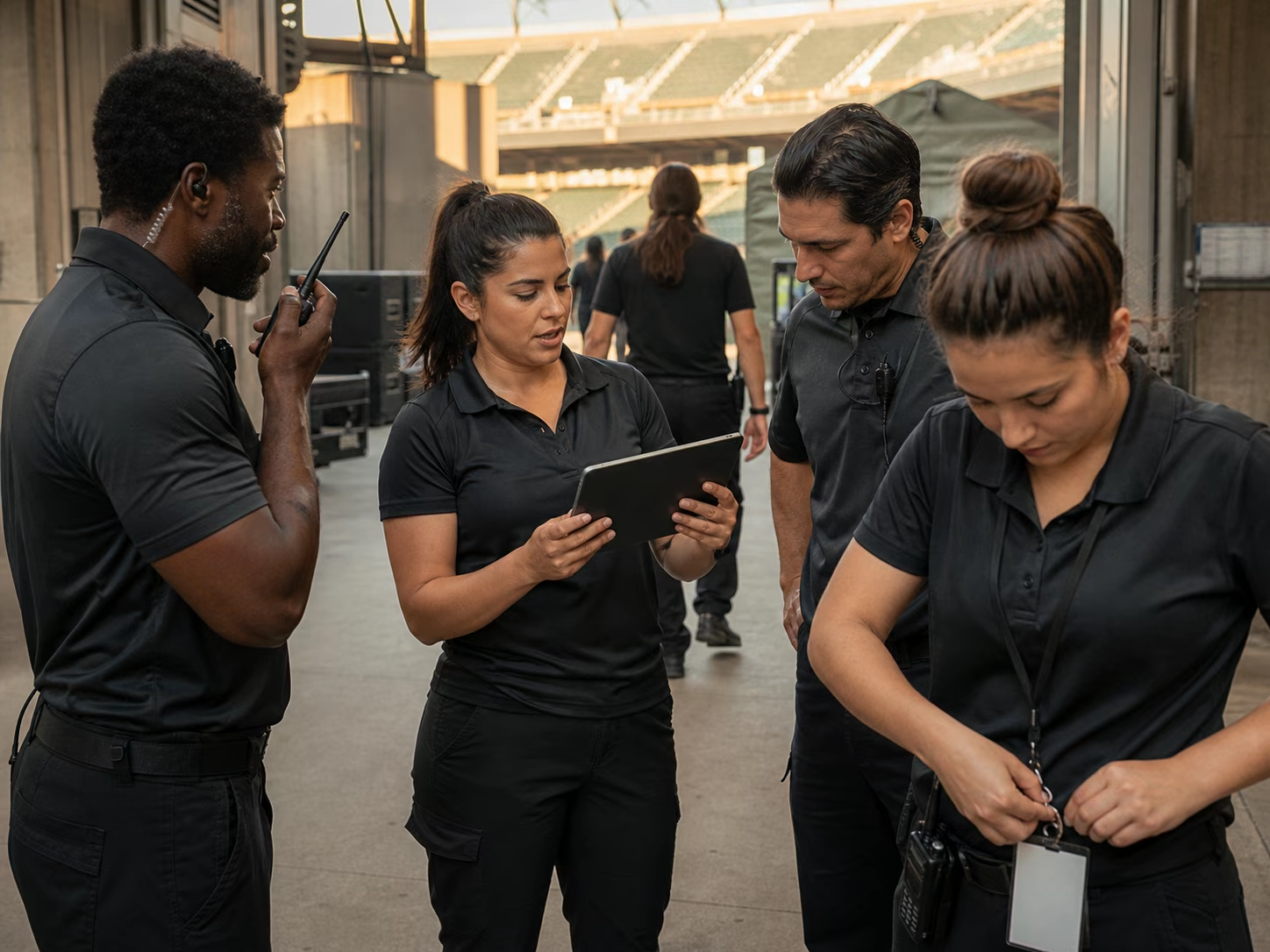
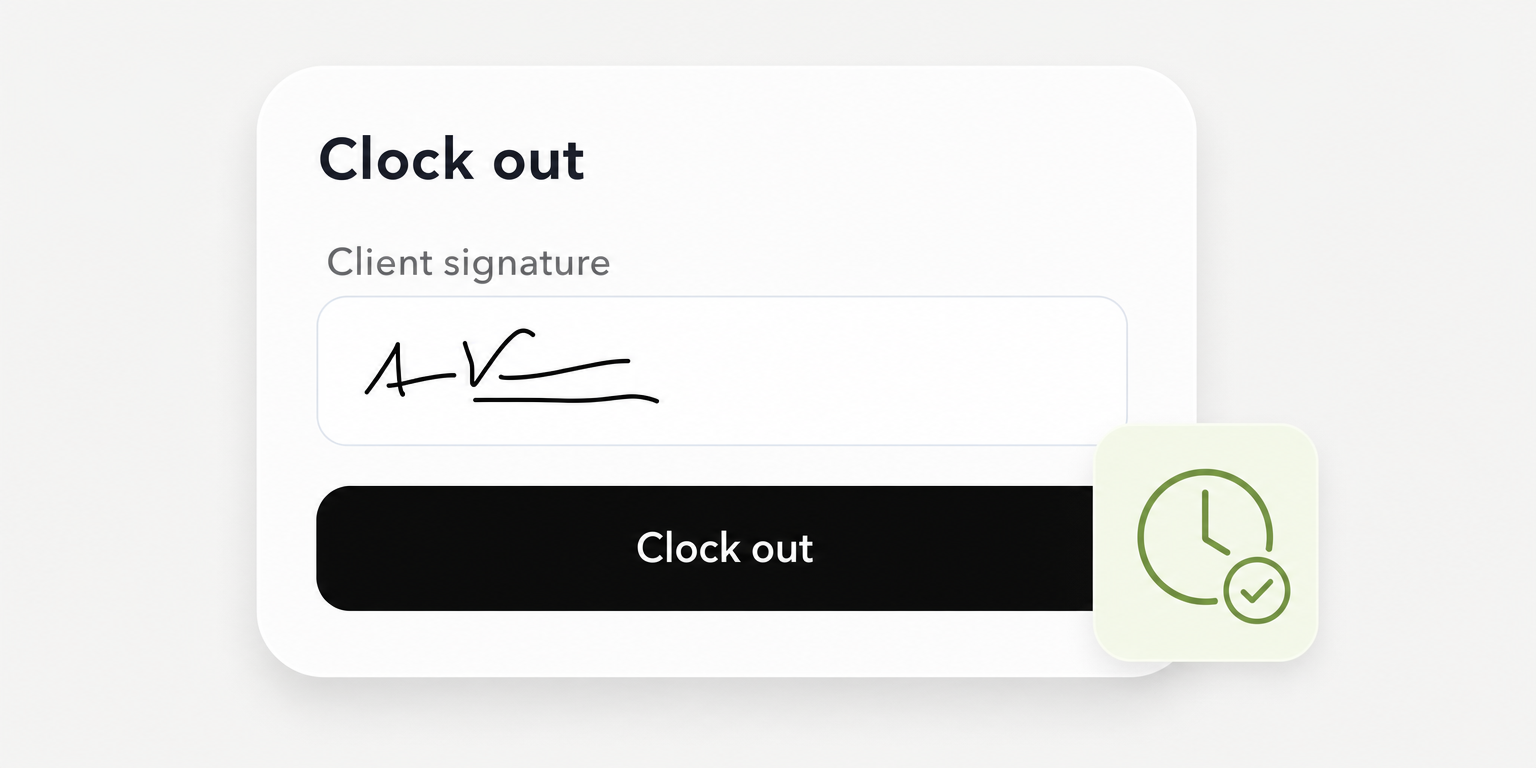
The arrival check answers a narrow question: is the expected worker physically at the assigned post? The post supervisor confirms identity, post and observation time, then reports that confirmation to the staffing desk. The desk records the observation rather than treating a roster status as evidence of presence.
An accepted assignment does not pass this check. Neither does a message response, arrival at the venue entrance or a report that the worker is walking toward the gate. Those observations can help locate someone, but they do not establish coverage at the assigned post.
At the locally agreed checkpoint, missing post confirmation is a failed check. The desk opens an exception, assigns the responsible supervisor and records the next action. If confirmation arrives later, preserve the original failure and add the new observation instead of rewriting the history.
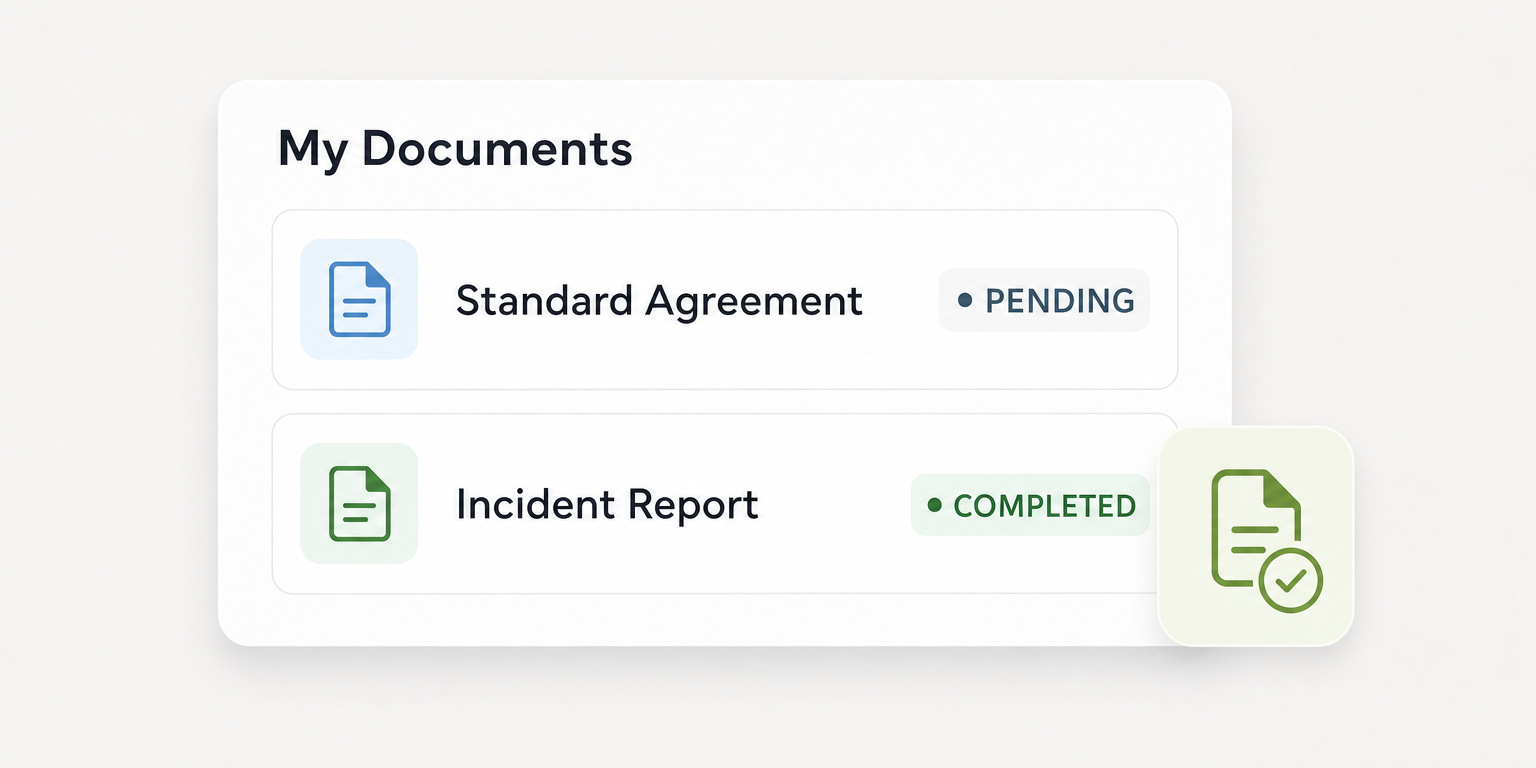
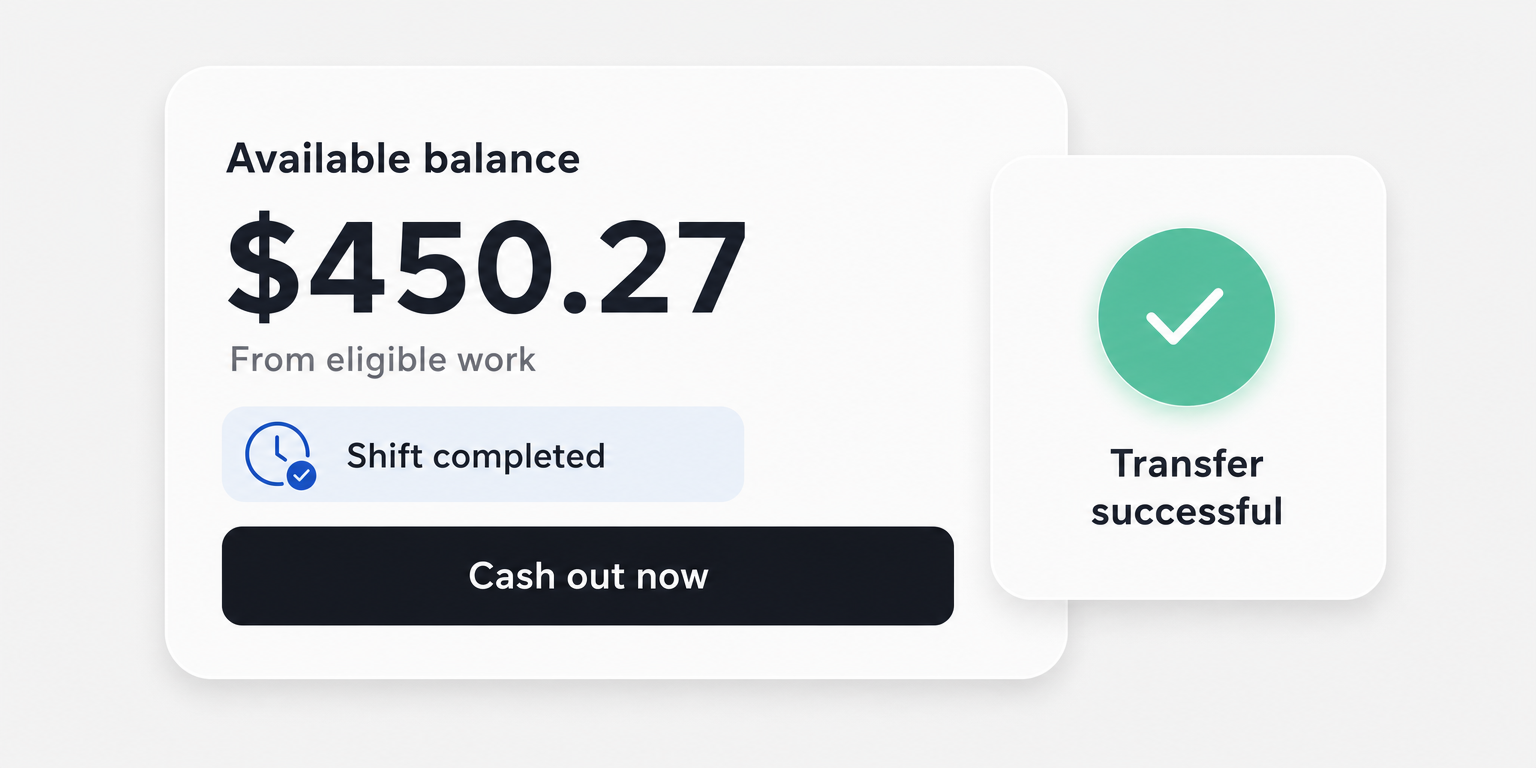
Teambridge’s Sentry customer story illustrates why assignment filling and arrival reporting need separate records. The published result concerns filling shifts, not confirming coverage at individual posts.
Operator view
Supporting evidence
Sentry customer story
Sentry customer story
A fast assignment process can leave the desk with a full roster and an unconfirmed post. Keep those states visibly different so the supervisor knows which problem requires attention.

Escalate exceptions until a supervisor accepts the next action
An escalation is not complete when a message leaves the desk. It passes when the responsible supervisor explicitly accepts the exception and its next action. Record the affected post, original observation time, acknowledgment deadline and fallback contact together so the next desk owner can continue without reconstructing a conversation.
Use a response that identifies responsibility and action. “Received” may confirm that someone heard the call, but it does not establish who will locate the worker or arrange coverage. Ask for the missing commitment and keep the escalation open until it is recorded.
The checklist should fail when the acknowledgment deadline expires or the proposed action has no owner. Contact the designated backup, retaining the original observation time. A second message must not reset the age of the uncovered post.
Britain’s Health and Safety Executive guidance on incidents and emergencies supports defined responsibilities, instruction routes and communication testing before an event. This is British operational guidance, not United States law. The acknowledgment deadlines and fallback rules in this checklist remain locally selected controls, not HSE requirements.
Test both the primary route and the backup before workers start arriving. A useful test includes an unanswered call: the desk should know whom to contact next and where to record that escalation.
Put the workflow into practice
See how your team could use this workflow
Approve reassignment without creating an unseen coverage gap
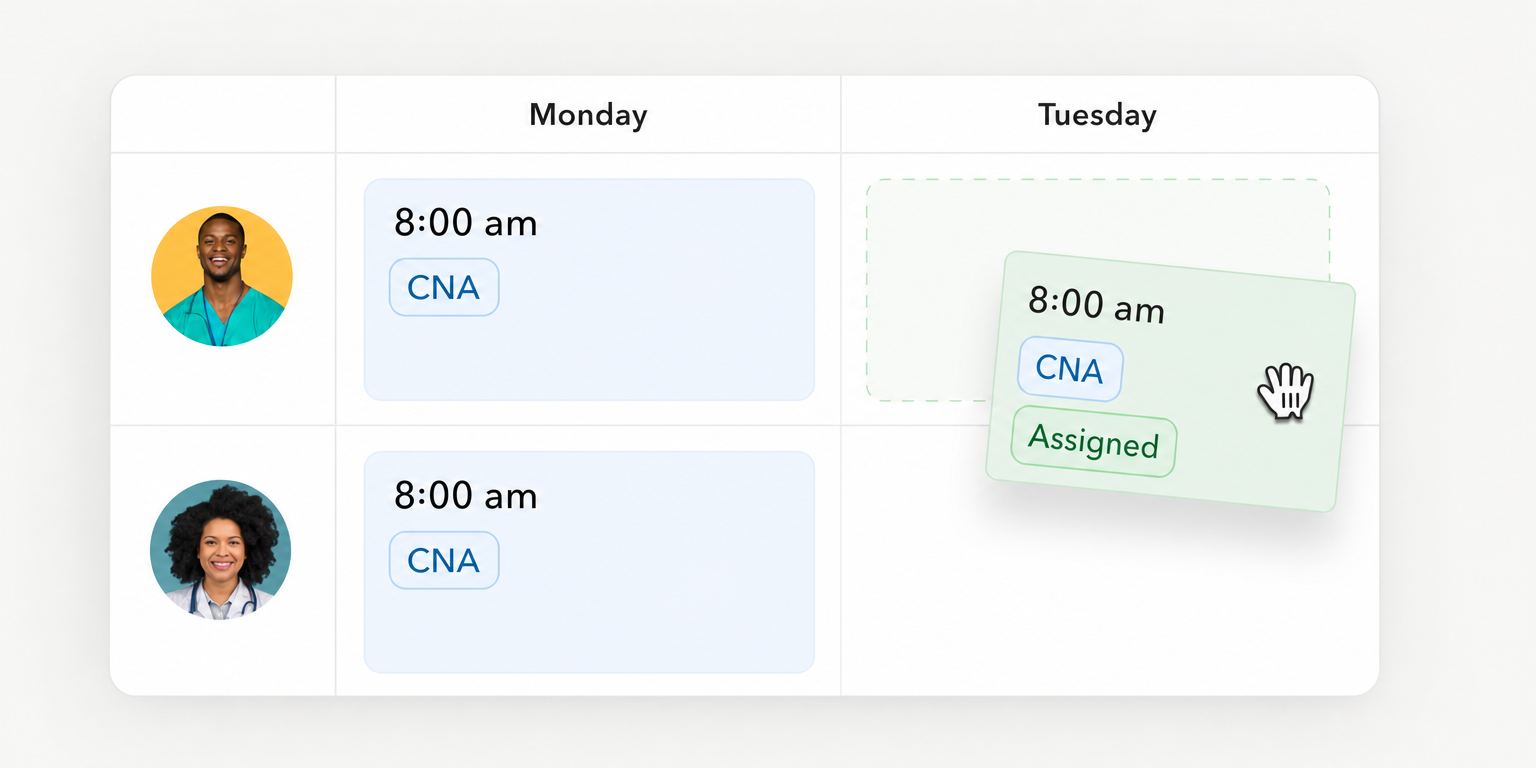
Moving an available worker can solve one shortage while creating another. Before approving a move, the releasing supervisor confirms that the original assignment can be released. The receiving supervisor checks eligibility for the destination, and the staffing desk records the approval and updates the assignment record.
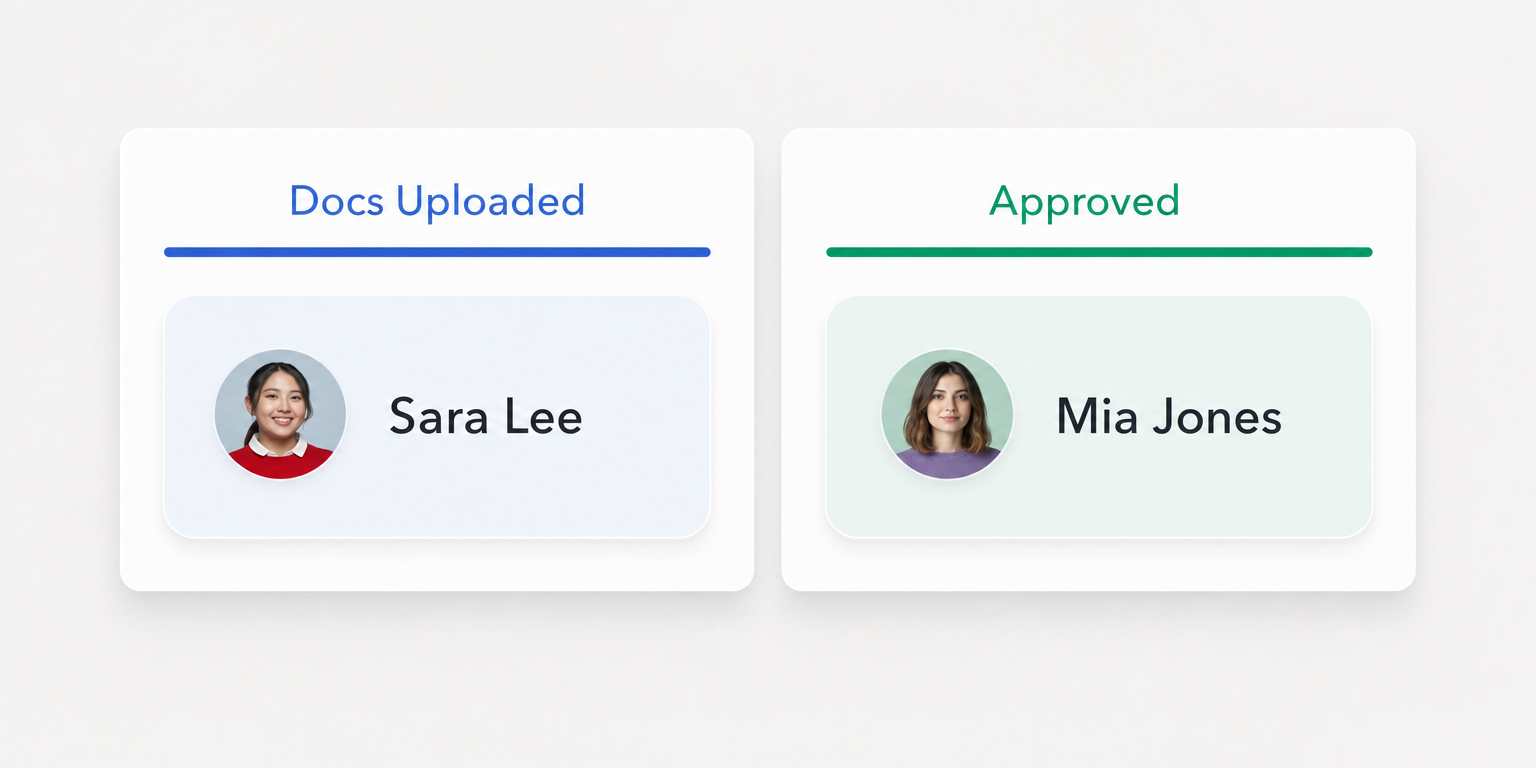
The reassignment row stays open while the worker is moving. Approval establishes permission to move; it does not prove arrival. Pass only when the receiving supervisor confirms the worker at the new post and the original post remains covered or its gap has been explicitly escalated.
Use these independent failure checks:
- Eligibility for the destination is unknown or unconfirmed.
- The releasing supervisor has not approved release.
- The destination supervisor has not confirmed arrival.
- The move leaves an original post uncovered without an accepted escalation owner.
For each failure, record the missing evidence and who must supply it. Do not remove the worker from the original assignment in the shared operating picture without preserving the release decision and destination status.
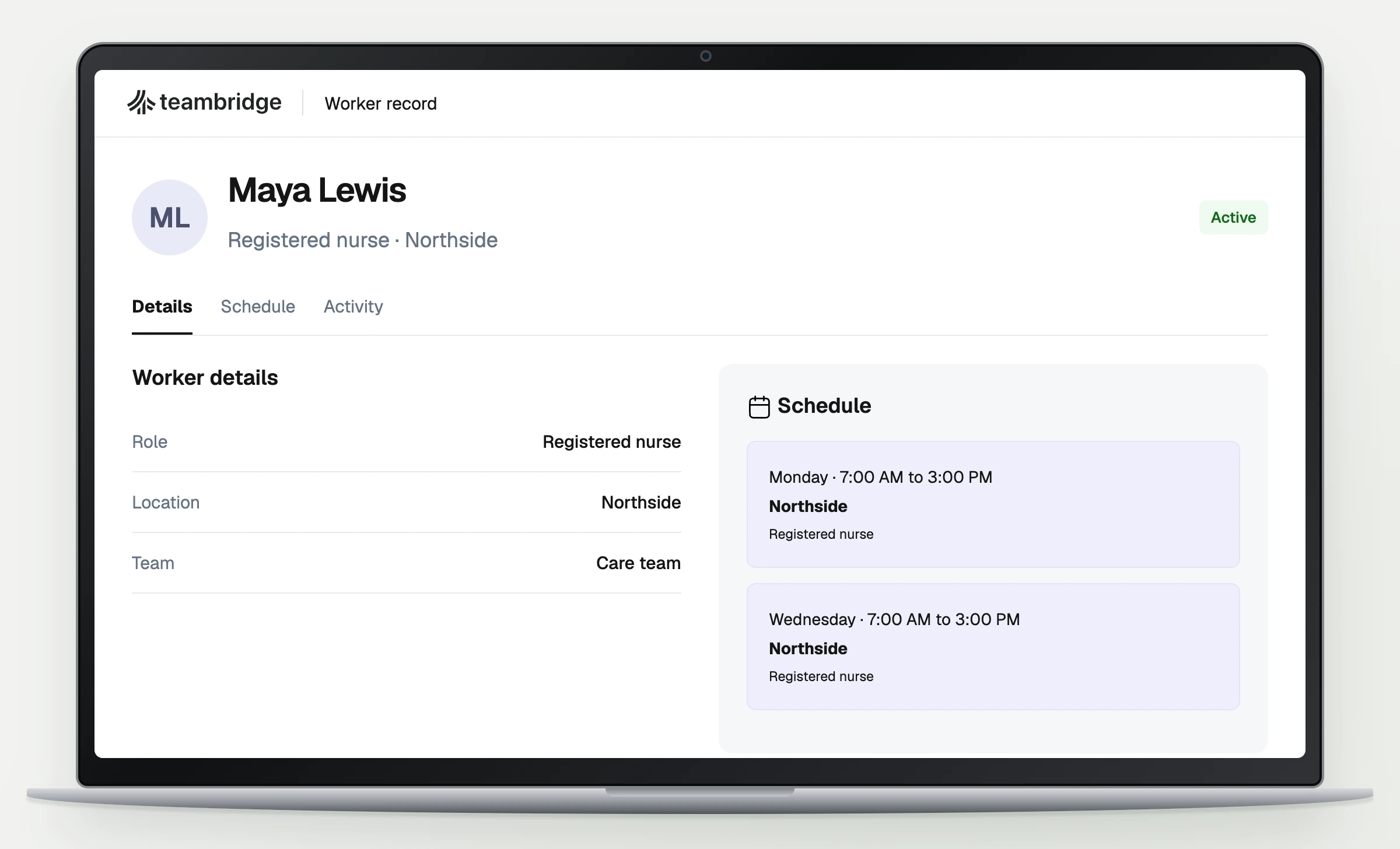
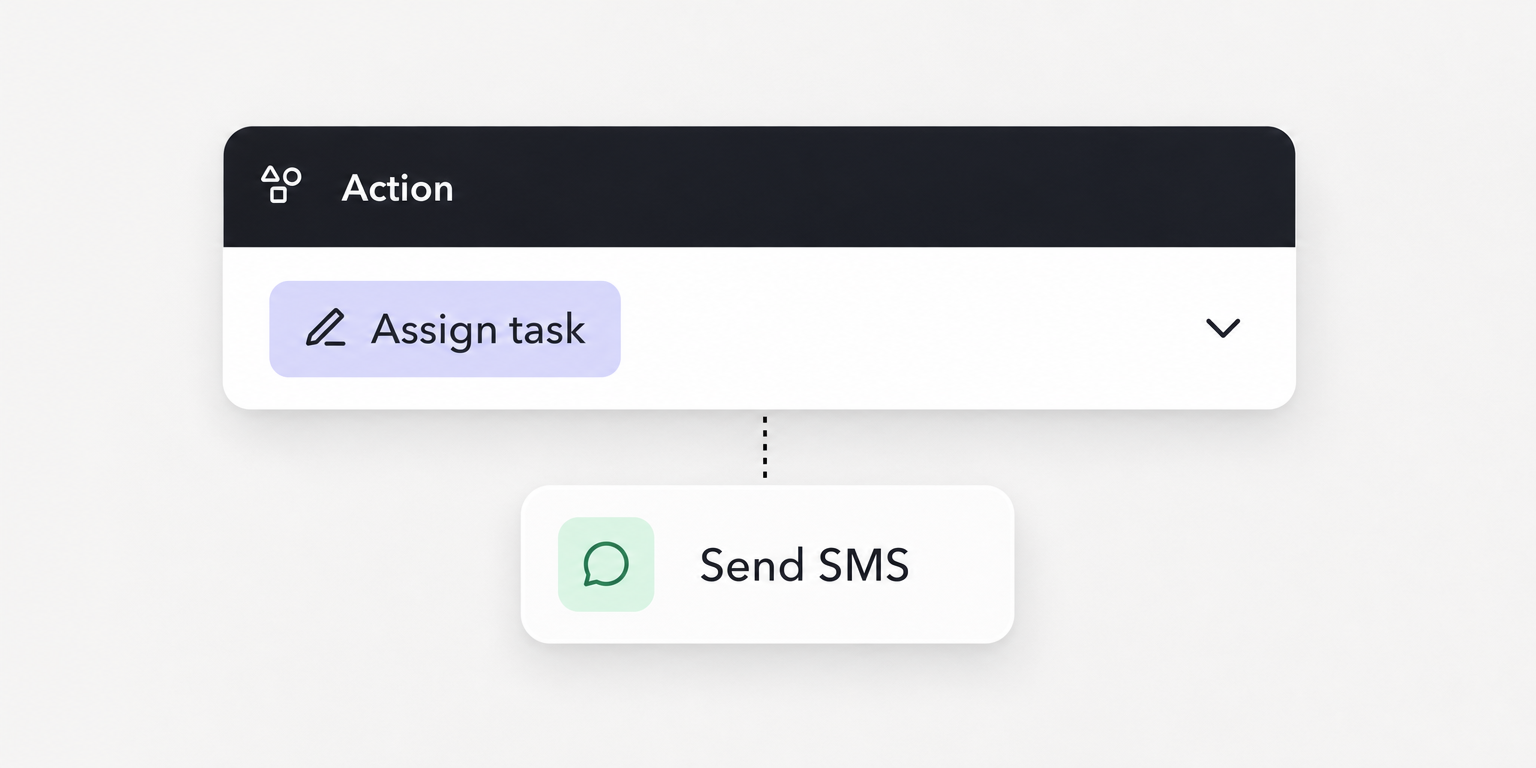
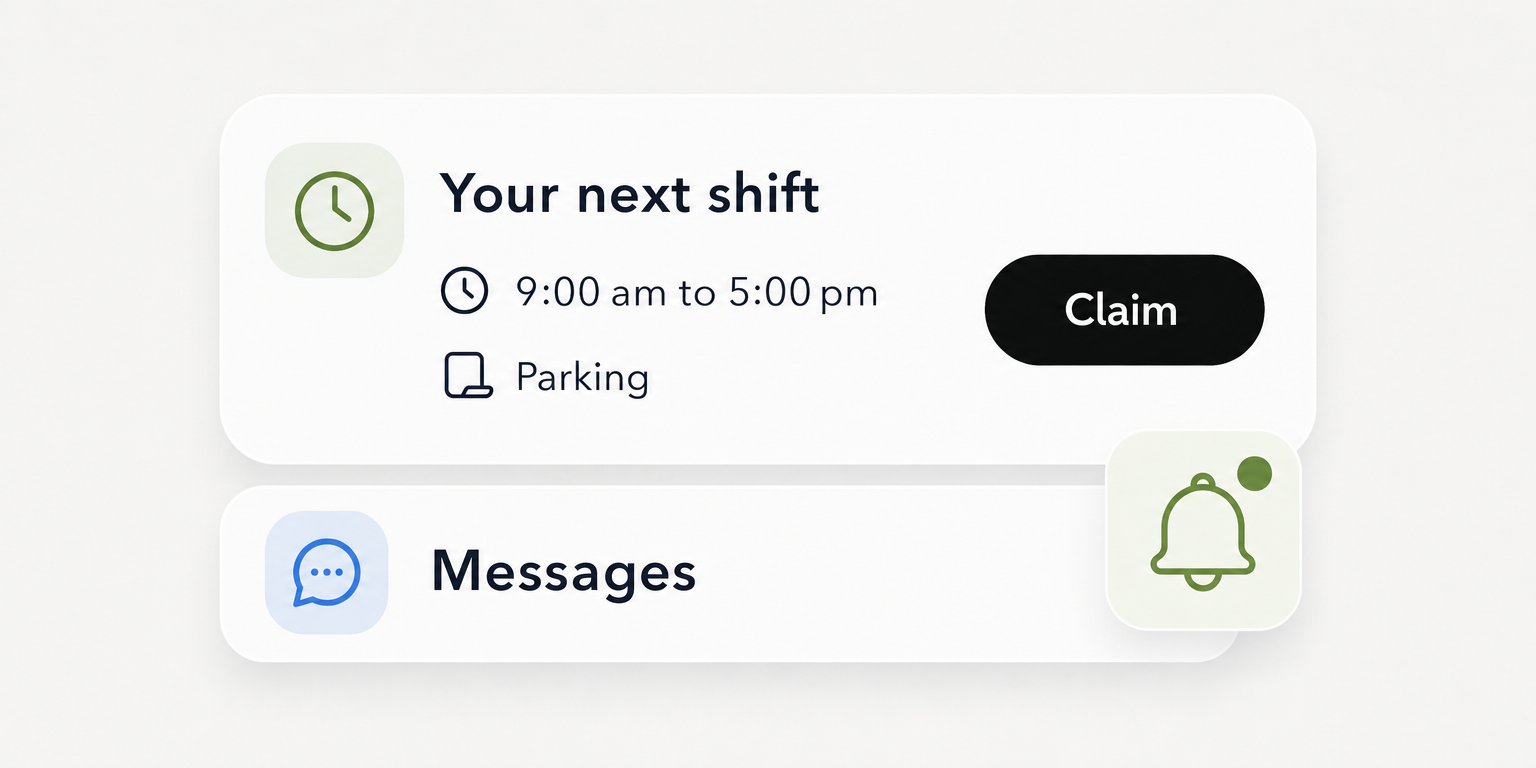
Teambridge’s live events page describes connected role, readiness, venue, zone, call time and approval context while retaining supervisor control over staffing and safety decisions. That is the relevant boundary here: software can support the coordination record, but a changed assignment does not independently authorize a safe move or establish physical coverage.
Incident handoff passes on acceptance, not on forwarding a message
A desk change is a common point for an unresolved absence to disappear. The outgoing owner has sent the notes; the incoming owner assumes someone else is contacting the worker. Prevent that ambiguity by recording the operational issue, affected post, current conditions, actions already taken and outstanding actions before requesting acceptance.
Keep the sending owner responsible until the receiving owner accepts responsibility and the next action. Record both owners and the acknowledgment time. If the receiving owner cannot take the action, escalate through the designated supervisory route rather than marking the handoff complete.
The handoff can pass while the incident remains unresolved. For example, a receiving owner may accept responsibility for locating an absent worker even after reserve coverage restores the post. Coverage restored, handoff accepted and absence resolved are separate states.
Warning
Urgent safety issues follow the event emergency plan immediately. Do not wait for a staffing log entry, a desk acknowledgment or a reassignment approval before taking the actions required by that plan.
HSE emergency planning guidance addresses actions such as moving people away from danger, summoning emergency services and transferring incident responsibility when appropriate. The staffing log supports workforce coordination; it is not a substitute for emergency command or the event’s emergency communication arrangements.
Hypothetical gate coverage example completes the same checklist
The following is a hypothetical operating example, not a Sentry procedure or customer result. Every time, deadline, worker reference and outcome is invented to demonstrate the checklist.
Assume two entry gates, worker W1 assigned to Gate A and one eligible reserve worker R1 under Gate B supervision. There is a staffing desk owner, a supervisor at each gate and an incoming desk owner. The locally chosen arrival checkpoint is 17:30, and the acknowledgment deadline is two minutes after an escalation or handoff request.
| Stage | Affected post | Worker reference | Observation time | Accountable owner | Pass or fail signal | Escalation trigger | Next action | Receiving owner acknowledgment |
|---|---|---|---|---|---|---|---|---|
| Arrival reporting | Gate A | W1 | 17:30 | Gate A supervisor | Fail: W1 absent at checkpoint | Post confirmation missing at 17:30 | Desk opens absence exception and requests supervisor action | Desk accepts report at 17:30 |
| Supervisor escalation | Gate A | W1 | Original observation 17:30 | Gate A supervisor | Pass: supervisor accepts action at 17:31 | Backup required if no acceptance by 17:32 | Request reserve coverage | Gate A supervisor accepts at 17:31 |
| Worker reassignment | Gate B reserve to Gate A | R1 | Release 17:32; arrival 17:35 | Desk owner coordinating move | Pass at 17:35: release approved, eligibility confirmed, destination presence confirmed; no occupied post vacated | Missing release, eligibility or arrival confirmation | Record Gate A coverage; retain W1 absence exception | Gate A supervisor confirms eligibility before move and arrival at 17:35 |
| Incident handoff | Gate A absence exception | W1 | Transfer request 17:40 | Outgoing desk until acceptance; then incoming desk | Pass: handoff accepted at 17:41; absence remains open | Backup required if no acceptance by 17:42 | Incoming desk contacts W1 by 17:45 | Incoming desk accepts ownership and contact action at 17:41 |
At 17:32, the reserve move is approved but not yet complete. The receiving supervisor’s 17:35 observation closes the reassignment check. Gate B has released a reserve worker without vacating an occupied post, so this example does not conceal a second coverage gap.
Review the example against three questions: was each acknowledgment explicit, was coverage confirmed at the destination, and does every unresolved action still have an owner? The W1 absence remains open after the handoff. It needs a later entry showing what the worker contact established, not an assumed resolution because Gate A is covered.
Test the configured record before using it at the next event
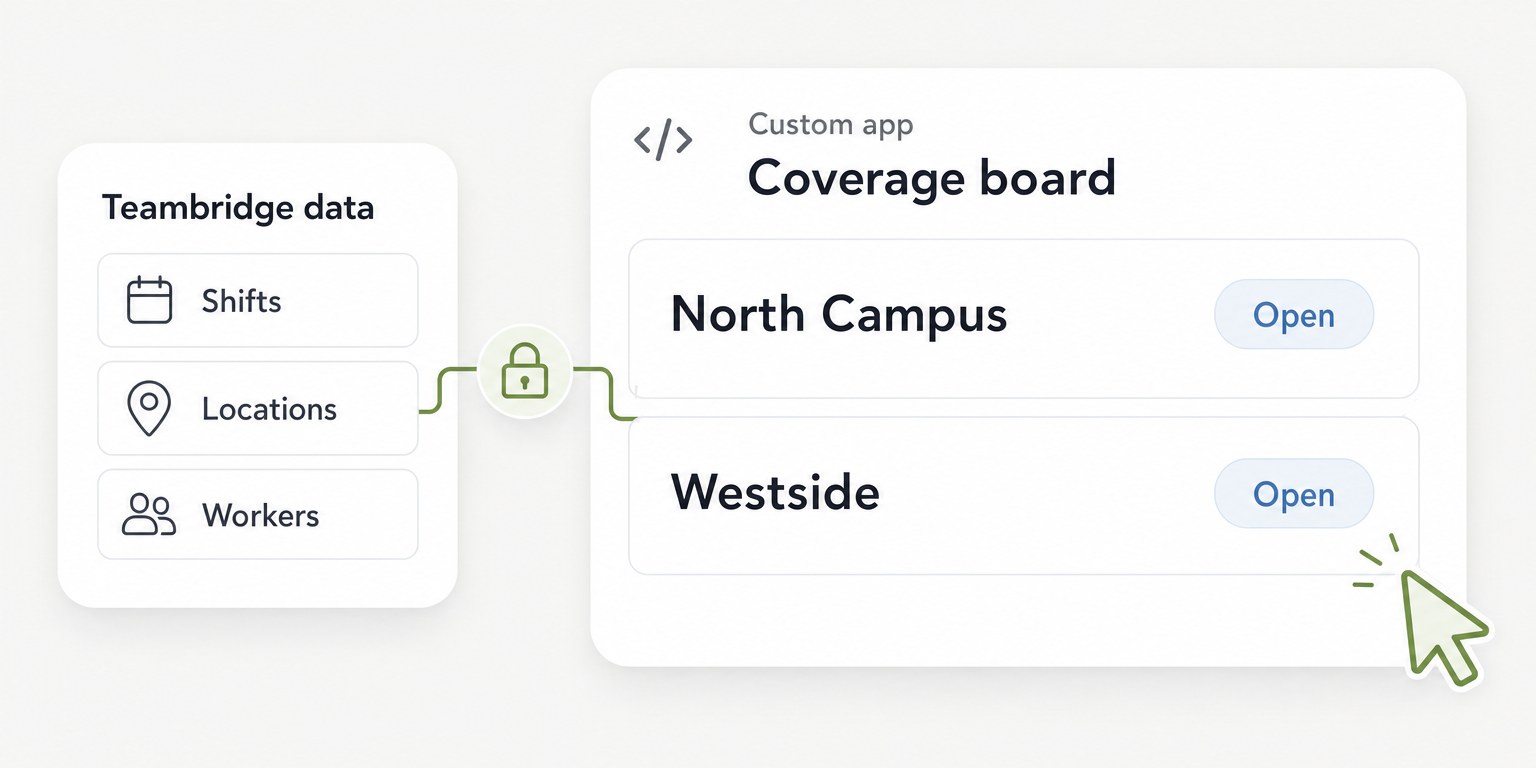
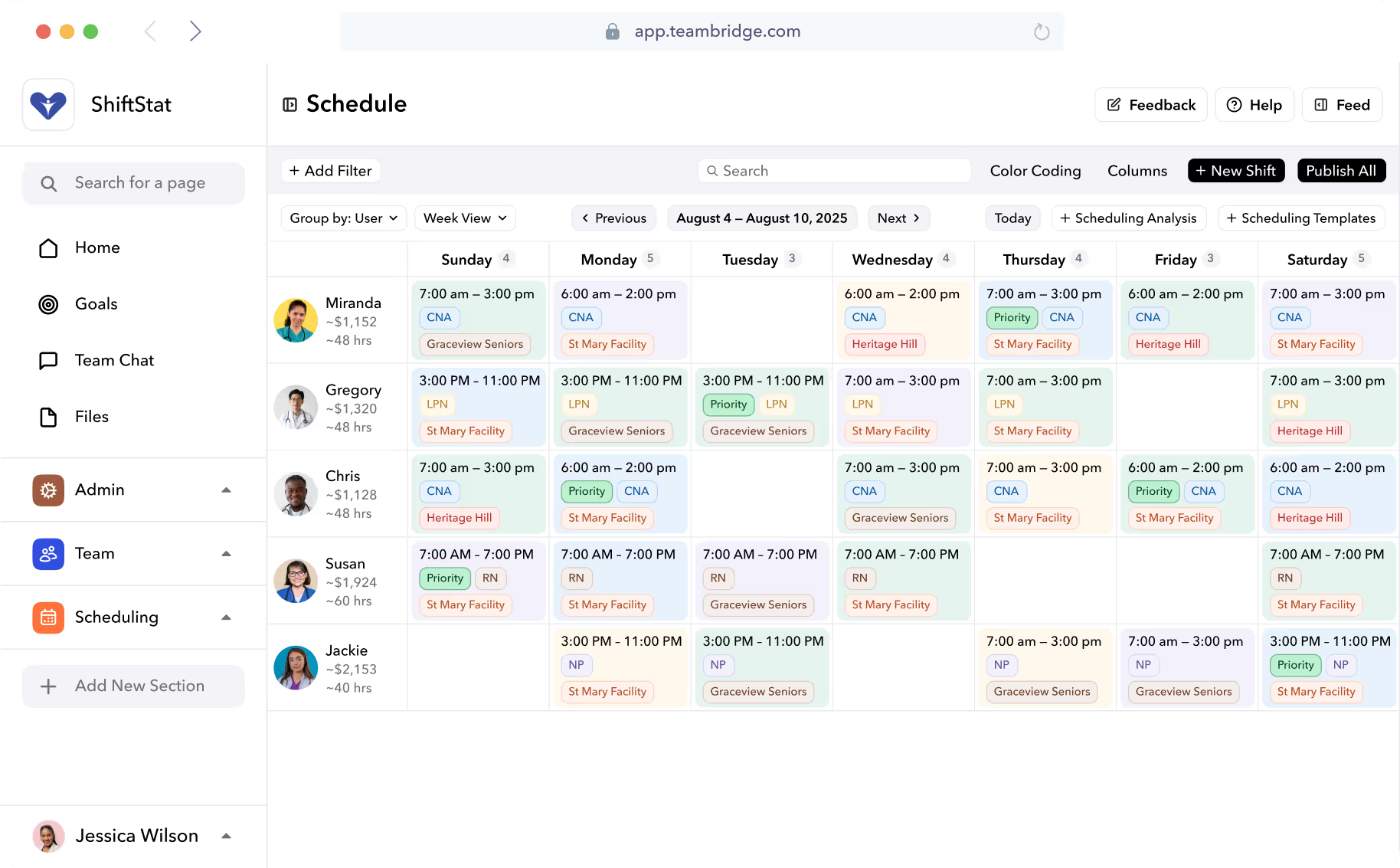
The implementation owner and staffing desk lead should jointly approve the operating record. Teambridge’s platform documents configurable records, views, fields, permissions, forms and workflows, making it an implementation option for this checklist. It does not establish a ready made event command center or a verified setup procedure for this particular log.
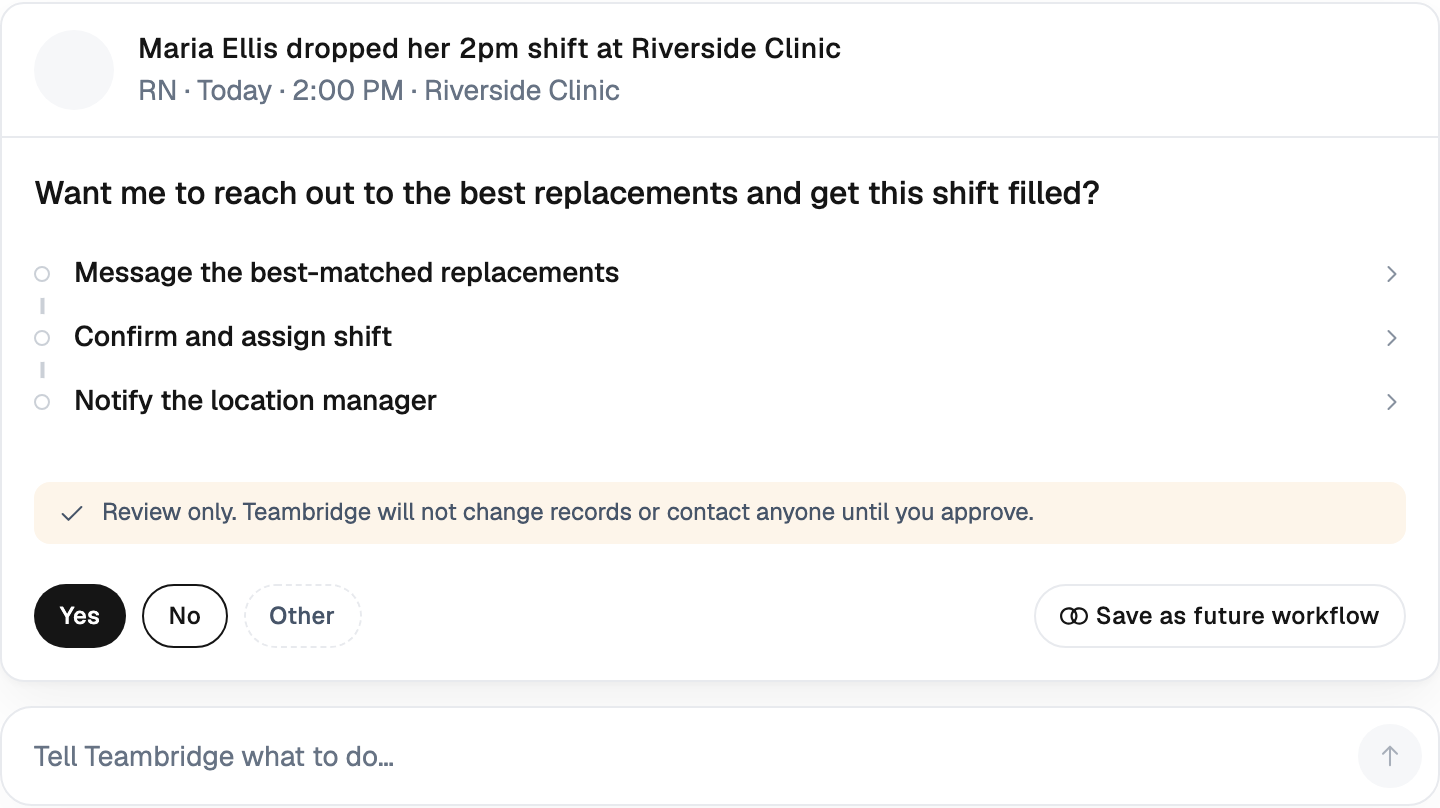
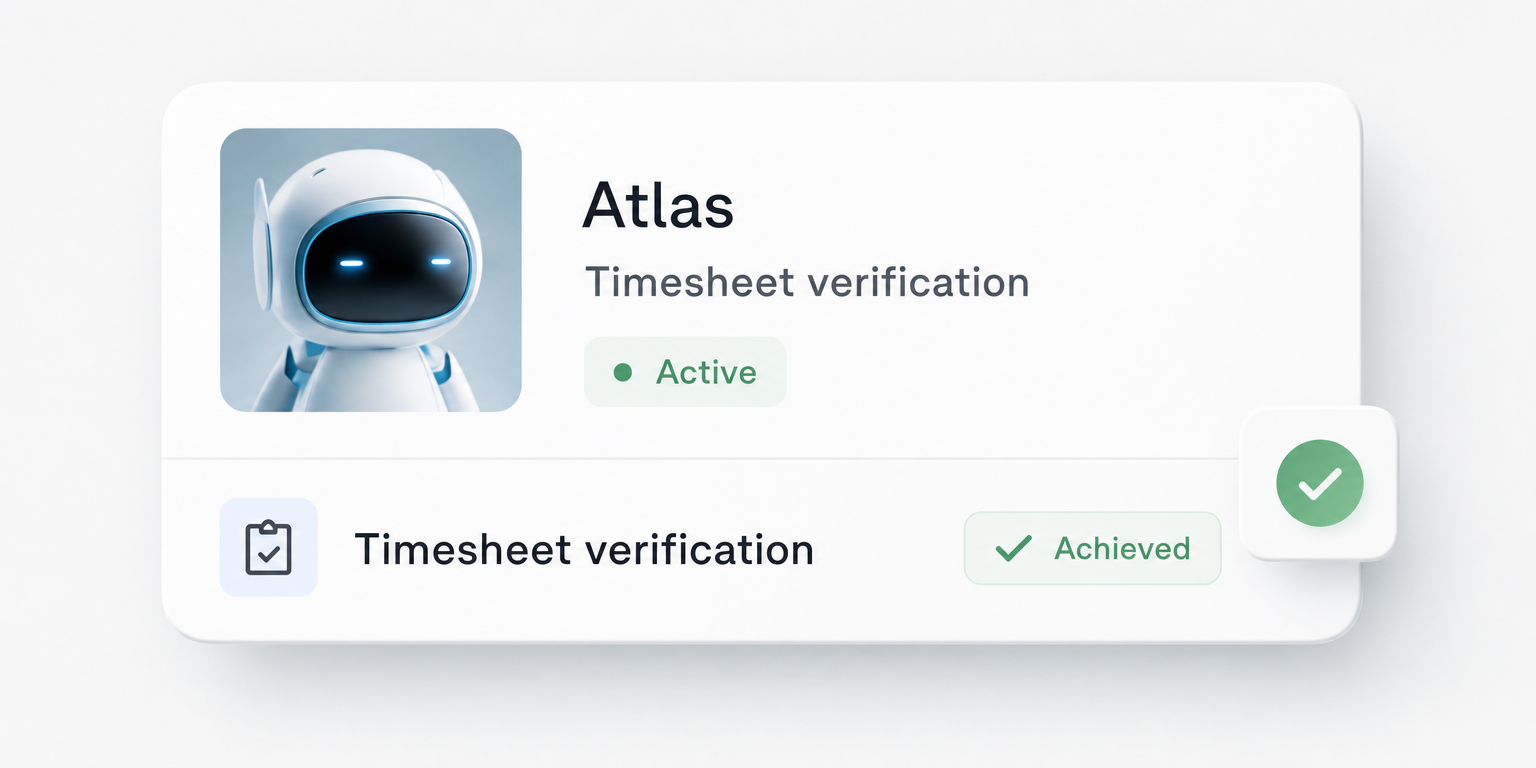
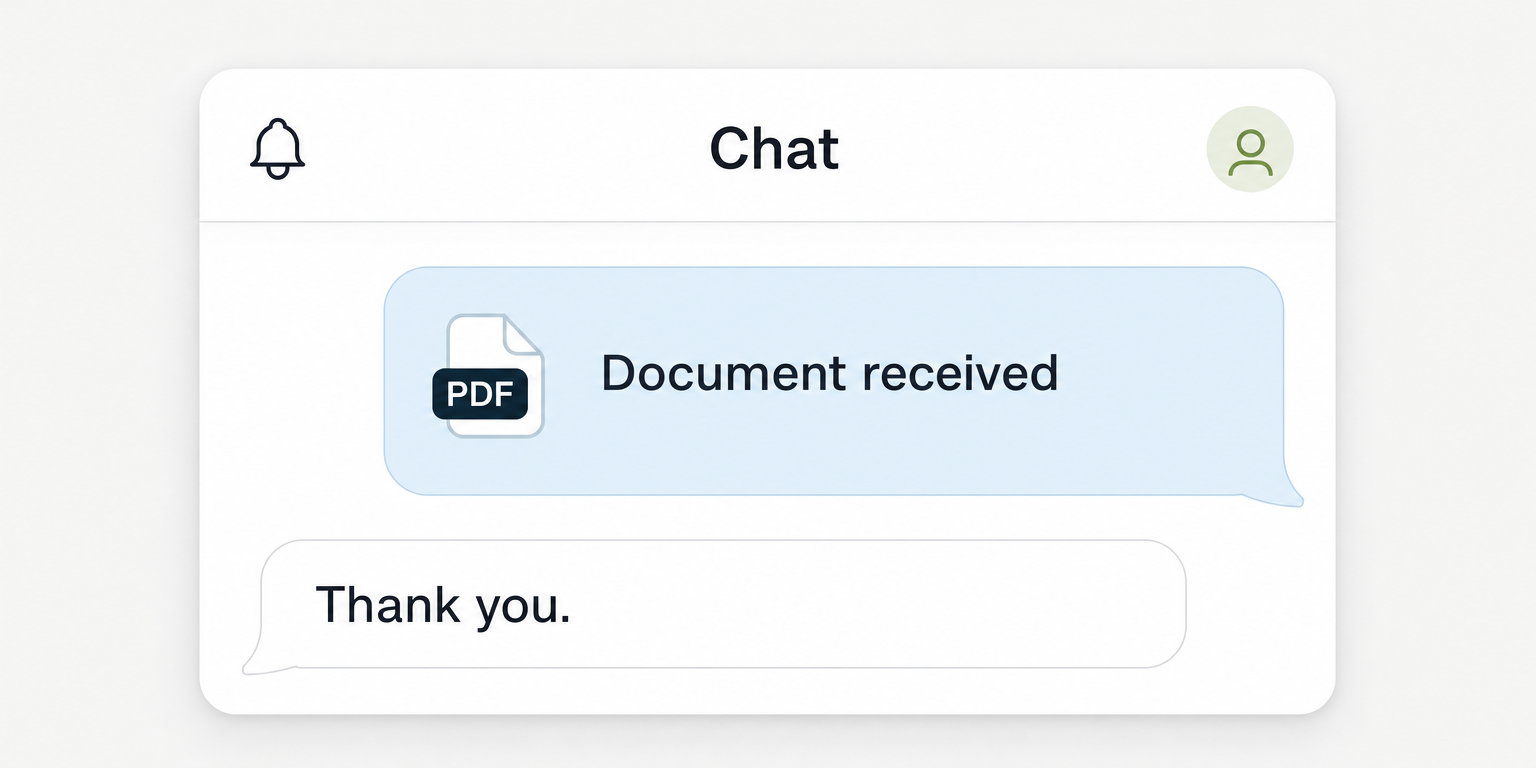
Teambridge’s communication page describes delivery, read, acknowledgment and reply visibility in supported flows. Available behavior depends on configuration. Do not treat delivery or read status as supervisor acceptance, or promise universal delivery, automatic acceptance or emergency communication.
Before configuring the record, obtain the implementation documentation or a validated walkthrough for your environment. Confirm who has permission to change the configuration and which desk and supervisor roles can create, update and review entries. The public product pages do not establish the exact administrative access, saved behavior or recovery procedure for this checklist.
Run an acceptance test that checks the actual operating record:
- Create and retrieve an exception. Using the intended role access, save the post, worker reference, observation time, owner and next action. Reopen the record and verify that the saved values remain available to the next authorized owner.
- Exercise a missed acknowledgment. Let the test deadline pass. Confirm that the desk can identify the failure, contact the backup and preserve the original observation time, whether those actions are manual or configured.
- Complete a move and a handoff. Keep the move open until destination confirmation, then transfer an unresolved action to a receiving owner who explicitly accepts it.
- Test the fallback record. Agree how the desk will capture observations if the normal record or communication route is unavailable, and how those entries will be reconciled afterward without losing their original times.
Set the review frequency before the event and debrief significant exceptions afterward. HSE guidance on managing an event recommends establishing the frequency, responsibility and methods for checking risk controls, as well as debriefing significant incidents or changes. Use that guidance to inform local review arrangements rather than inventing a universal interval.
Reject the configuration if a failed checkpoint has no escalation owner, a reassignment can appear complete without destination evidence or an unresolved incident loses its accepted owner during handoff. Before operational use, test one exception through all four stages with the people who will run the desk.

About the author

Content Writer at Teambridge
Anis Nanai is a content writer at Teambridge, with a focus on workforce management and the realities of running hourly teams. He prioritizes conversations with customers, staying close to the market, and understanding how workforce needs are changing. His writing connects those concerns to practical decisions about scheduling, time tracking, staffing, and automation. He examines product developments through the questions that matter to operators: what does this solve, how would it work for my team, and what evidence supports it?
Company perspective: this author works at Teambridge. Customer outcomes are attributed to their published sources.
View LinkedIn profile