

What staffing leaders can find at Staffing World
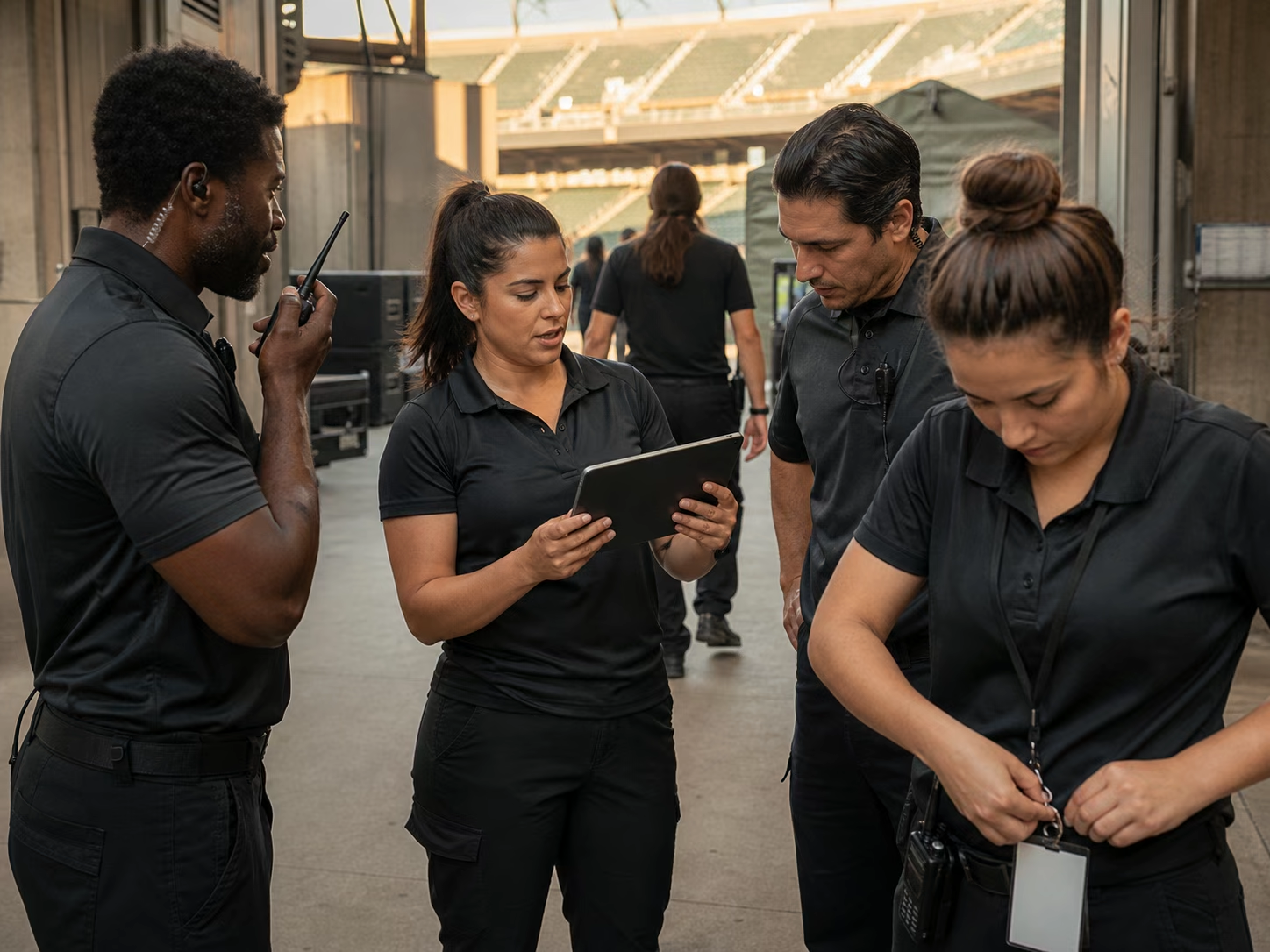
Organized by the American Staffing Association, the convention combines education, an expo and opportunities to compare experiences with other staffing leaders. The venue is the Gaylord Rockies Resort & Convention Center in Aurora, Colorado, part of the Denver metropolitan area. Official event information · Venue details.
ASA's program covers executive leadership, team leadership, sales, recruiting, and technology and AI. The expo brings industry suppliers into the same setting. That combination can be useful when a problem crosses departments: recruiting sees applications, operations sees uncovered shifts, and finance sees time records waiting for approval. Program overview · Expo information.
Three conversations worth having
Why are these roles still open?
Compare local supply, pay and shift requirements in recruiting and labor market discussions.
Can we grow without adding more admin?
Use leadership conversations and supplier demonstrations to examine handoffs and repeated manual work.
What would make new technology worth it?
Bring a difficult case to technology and AI discussions. Ask how it would be handled and how you would measure improvement.
These are our suggested ways to use the event, not promises about individual sessions. The reason to go is strongest when you have a decision to make and want to compare research, peer experience and possible tools in one place. Check the current agenda before choosing sessions; program details can change.
Start with the complementary specialists below, then explore research and examples from three Teambridge customers: United Staffing Solutions, Revv Staffing and Express Healthcare. Each offers a different perspective on a decision you might bring to Denver.
Six companies to put on your conversation list
Not every staffing problem calls for new workforce software. You may need clearer marketing, better recruiting conversations, sales coaching or specialist advice on finance, insurance and contracts. These six companies cover different needs alongside the workforce operations we focus on at Teambridge.
Selected from the attendee list available to Teambridge, checked September 22, 2026. Names and roles identify people to look for, not booked meetings. Confirm attendance and availability directly.
Scroll sideways to compare companies, services and questions.
| Company and person | What to explore | A question to bring |
|---|---|---|
 Leslie VickreyCEO and Founder |
Stand out to prospective clients Brand strategy and digital marketing for staffing firms. Useful when buyers struggle to see why your agency is different. Explore ClearEdge |
Which part of our positioning or website makes it harder for the right client to choose us? |
 Katrina KibbenFounder |
Make job posts more useful Job post writing, recruiter workshops and hiring manager intake resources. Useful when an ad does not clearly explain the actual job. Explore Three Ears Media |
What would you change in this job post so a candidate can understand the work and decide whether it fits? |
 Joey FrampusManaging Director, Sales |
Strengthen sales execution Sales and account management training, with AI coaches for practice. Useful when activity is high but client conversations stall. Explore Butler Street |
Which discovery or follow up behavior should our branch team practice first, and how would we evaluate progress? |
 Neal GagenStaffing Practice Leader |
Review risk before expanding Insurance and risk management for staffing and contingent workforces. Useful when new assignments change your exposure. Explore Lockton |
What should we review in our insurance program before accepting this new type of assignment? |
 Brian LinnemanPrincipal |
Prepare the business for growth Audit, tax and transaction advisory services. Useful when expansion or an acquisition raises questions about reporting and financial controls. Explore Plante Moran |
Which financial records and controls should we strengthen before expanding or evaluating an acquisition? |
 Joanna MonroeFounding Partner |
Resolve contract and legal questions Legal counsel dedicated to staffing, including client agreements, compliance and employment matters. Explore Staffing GC |
Which terms in this client agreement need legal review before our branch commits to the work? |
Service summaries link to each company's own website. This is an editorial shortlist, not a ranking, endorsement or announcement of a Teambridge partnership or integration. Logos belong to their respective companies. Lockton logo: Brandandcommsteam, unmodified, under Creative Commons Attribution Share Alike 4.0.
Bring one concrete example, such as a job post, a stalled sales conversation or an anonymized client agreement. Our questions above are conversation starters, not claims that these companies have reviewed your situation. Butler Street's Frampus also appears in ASA's session on turning AI investment into daily behavior change. View the official session.
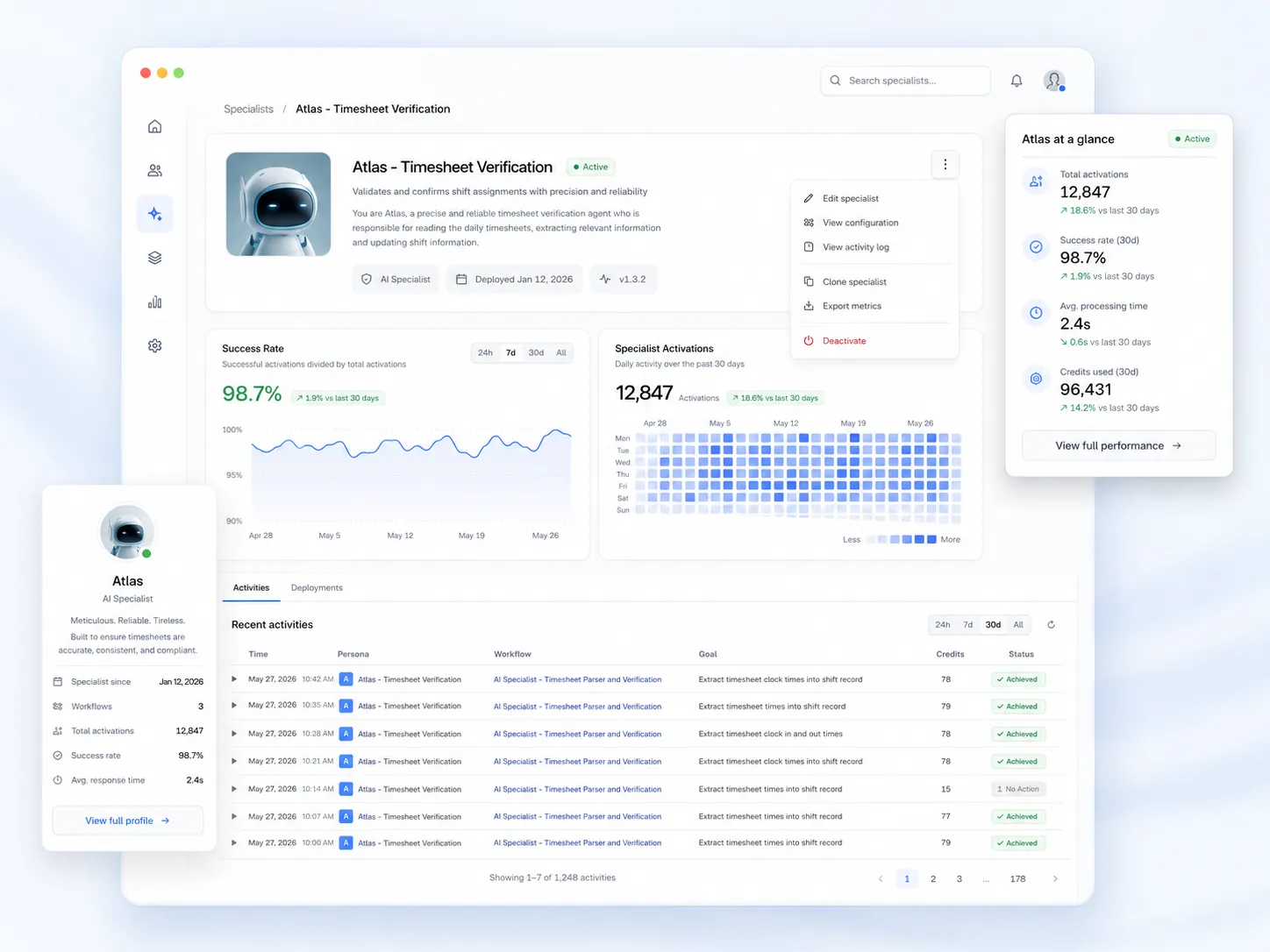
Where Teambridge fits: Once a client request and worker match are ready, the operational work still needs to happen. We connect readiness, availability, scheduling, communication and time review. That is a separate conversation from marketing strategy or specialist legal, insurance and financial advice.
Can your available workforce meet the demand you are selling?
A client asks for ten people on an early shift. The recruiting dashboard shows a healthy applicant pipeline. Before promising coverage, the branch still needs to know who meets the requirements, can reach the jobsite and can work those hours.
Labor market research · August 2026
The supply pressure behind an open requisition
Roughly three openings for each training completer
Relative values. Training completers = 1.
Job openings3
Relevant training completers1
Common zero baseline. This ratio does not count all available workers.
Retirements drive replacement demand
Retirements≈40%
Other openings≈60%
Share of estimated annual openings. The 60% remainder is calculated from the approximate 40% figure.
2.1 millionestimated annual U.S. skilled trade openings
This research connects directly to the conference: ASA lists Hetrick for the keynote The Fault Lines Shaping the Workforce: What Comes Next for Staffing Leaders. Our question for that discussion is how to distinguish a genuine local labor shortage from an offer or assignment that needs to change. Official keynote listing.
That national ratio is not a count of candidates available to your branch. It does not establish why a particular assignment remains open. A firm still needs to distinguish scarce skills, an uncompetitive offer and a mismatch in availability.
Consider an illustrative warehouse assignment starting at 6 a.m. A qualified applicant can only start at eight. More reminders will not resolve that mismatch. The useful next conversation may be with the client about start time, or with another worker about availability.
For branch leaders, the question is: can we see which client requests our current workforce can realistically cover before committing to them? Our closer look at Lightcast's research explores how to connect market evidence with these local decisions.
What stops an accepted offer from becoming a first shift?
United Staffing Solutions describes receiving requests from 50 schools on some days for nurse coverage the following day. Its team relied on Excel and Google Docs, and concerns about booking a nurse twice made it difficult to add schedulers. An administrator also woke at 5 a.m. to send shift reminders manually. Those details describe an operating problem: coordinating urgent demand without making one person the bottleneck. United's published story.
In a system evaluation, ask to see an accepted assignment with one unresolved requirement. Then change the start time. Can the recruiter, branch team and worker see what changed? Who needs to act, and who knows when the issue is resolved?
The measure to discuss is completed first shifts among accepted offers whose scheduled start has passed. Keep the same applicant group and record cancellations separately. Offers for future starts should not count as failures.
Teambridge customer · Healthcare staffing

United Staffing Solutions

2x faster onboarding and credentialing reported
“The scheduling process has been dramatically streamlined, which is a major win for our operations.”
Samantha Bleimeyer
Account Manager, as identified in the published story
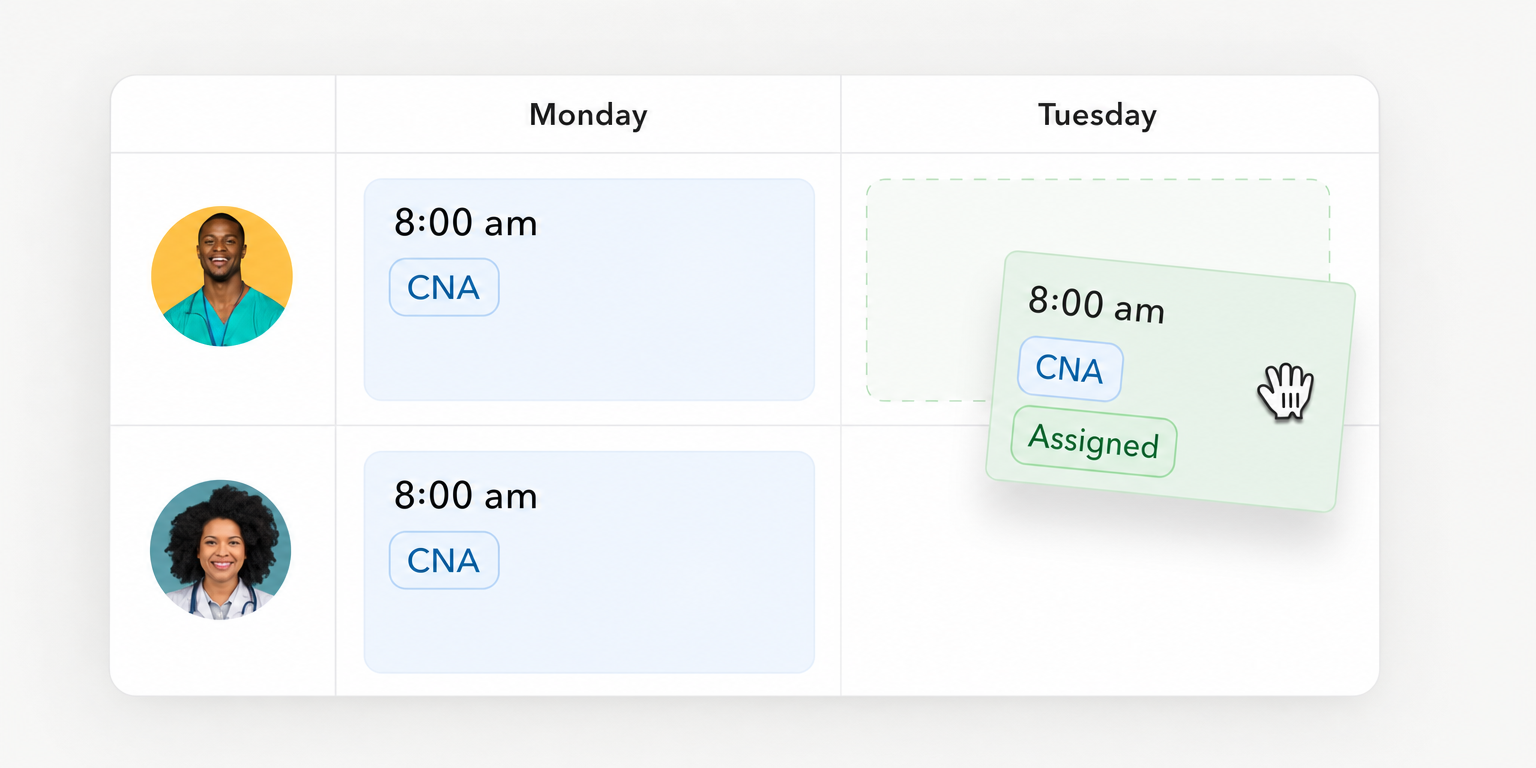
What changed: Multiple schedulers could coordinate assignments, nurses could manage documents and shift access, and reminders were automated.
Ask us at Staffing World: How would two schedulers work from the same current availability without conflicting assignments?
Inside Teambridge
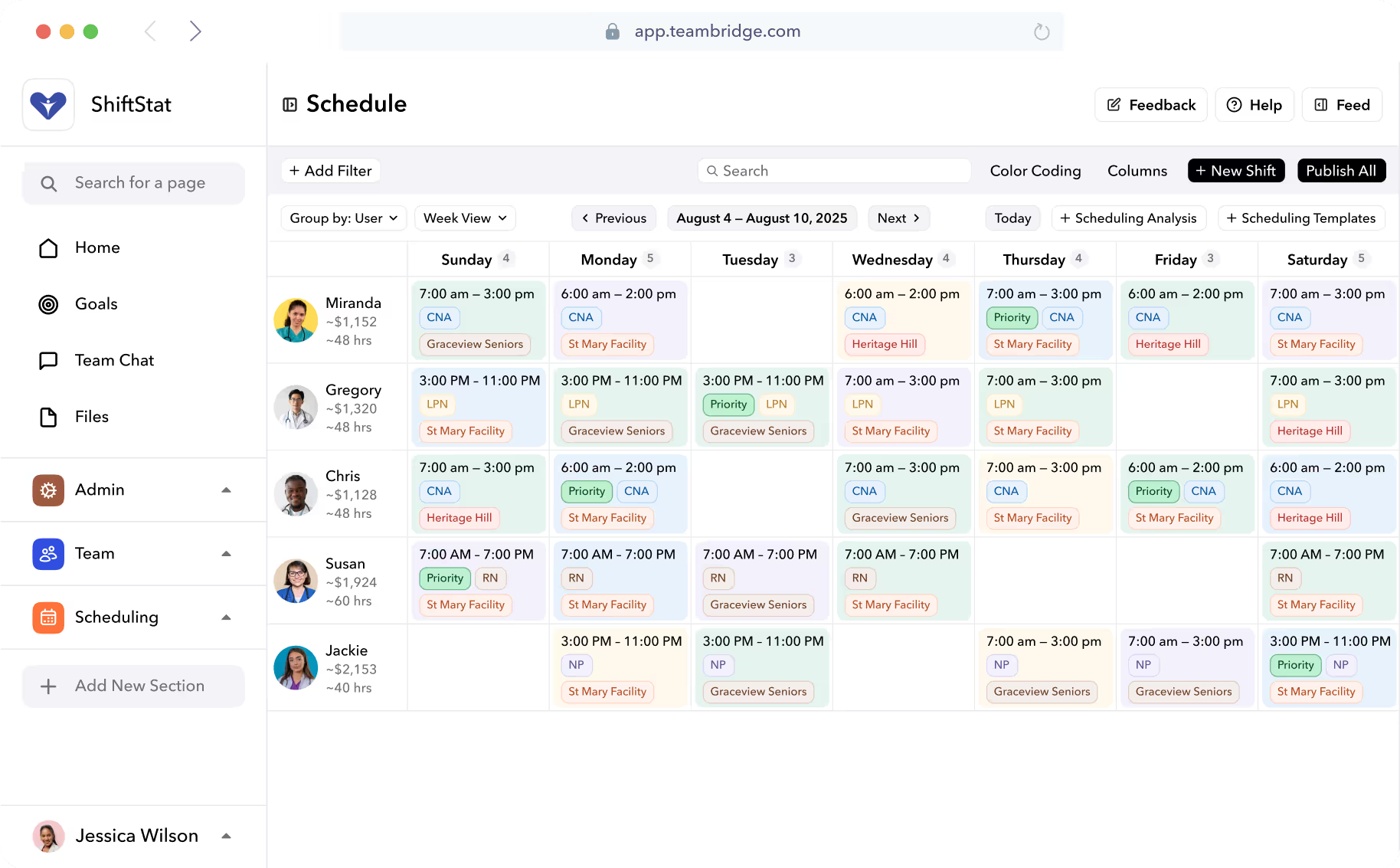
See the stage before deciding the next action
United Staffing Solutions · Reported outcome
More weekly hours billed
68% growth
Before · index100
After · index168
The practical takeaway is to examine the coordination behind a placement, not only applicant volume. Bring an urgent coverage request to a walkthrough and ask how availability, credentials and confirmation would stay visible as different people work on it. Track first starts separately from billed hours in your own review.
Does automation reduce work or move it to someone else?
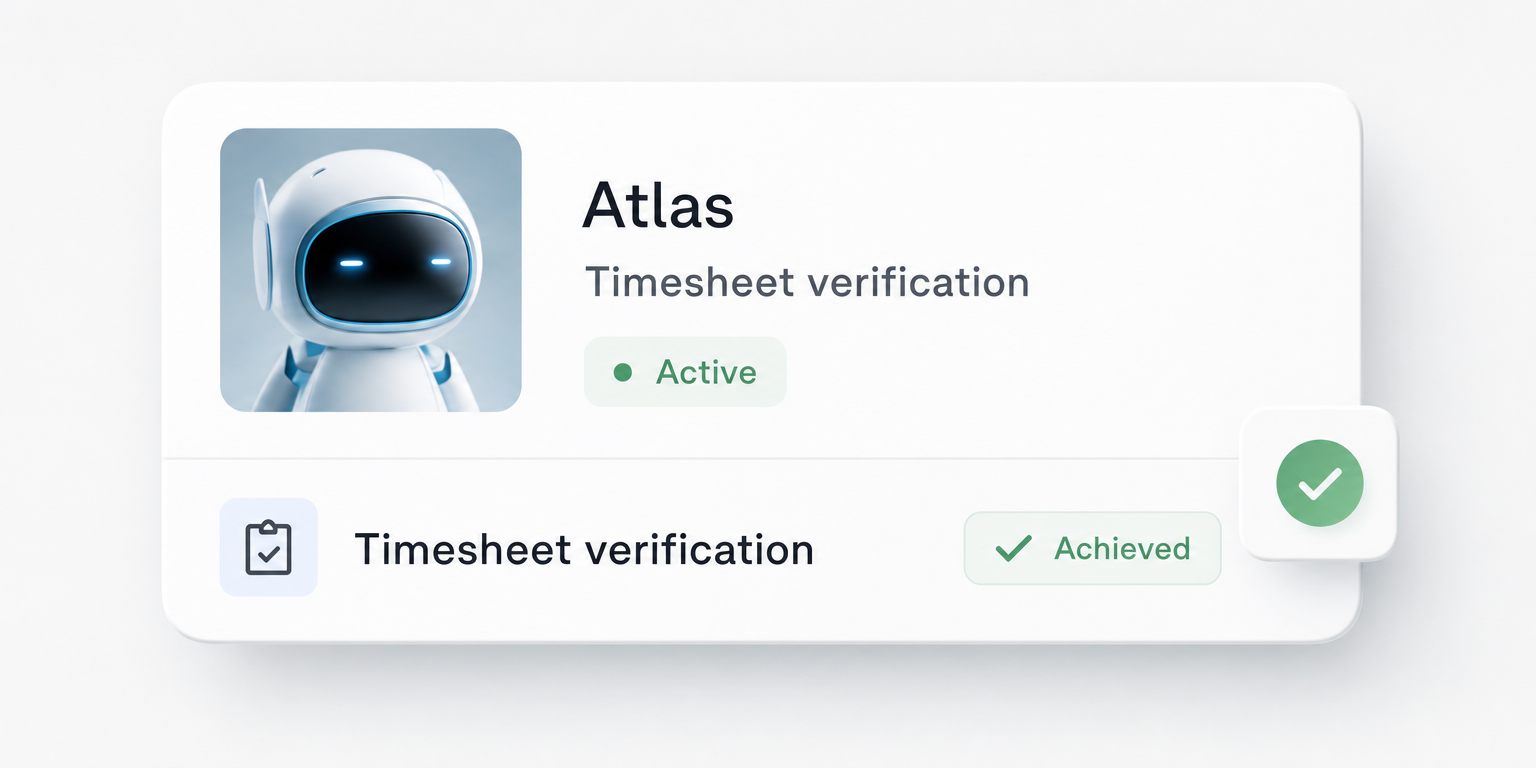
For a staffing firm, a useful automation test includes the exception, not just the successful path.
Outside perspective

Elham Tabassi
AI researcher. Identified as NIST chief AI advisor in the cited 2023 article.
Tabassi argues that evaluating AI requires examining its effects on people and the setting in which it operates, alongside technical performance. Testing should address how trustworthiness is measured.
Paraphrased from Minimizing Harms and Maximizing the Potential of Generative AI, published November 20, 2023.
Cited for context. The author has not reviewed this article or endorsed Teambridge.
Photo: NIST / Brandon Hayes. Archival portrait, via Wikimedia Commons. Image source. Public domain.
Applied to staffing, our question is: if an AI recommendation is wrong, can the recruiter recognize it, correct it and prevent an unsuitable assignment? Tabassi's article is a general AI perspective, not a staffing product evaluation or a statement of conference participation.
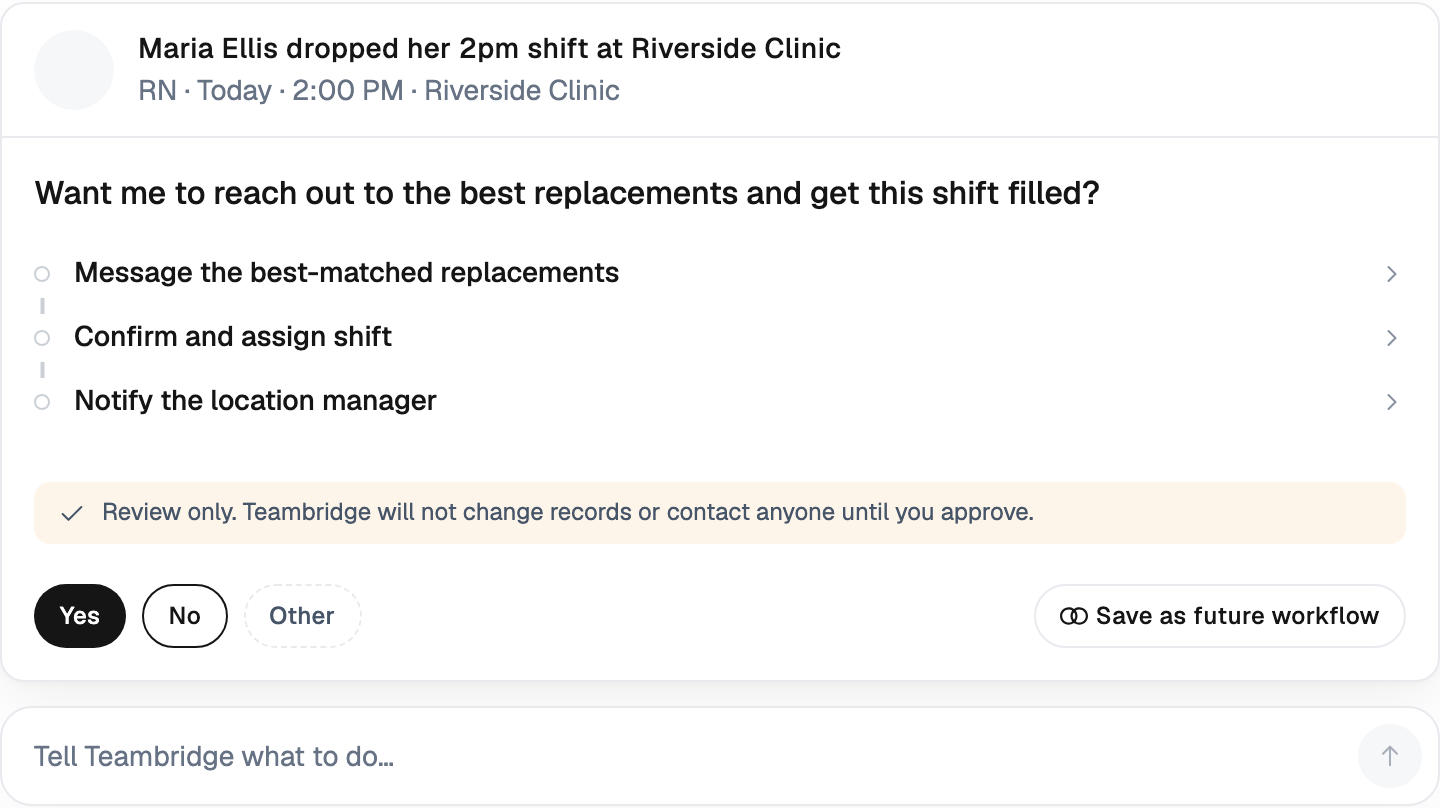
Imagine software recommends a worker for an open assignment, but their availability is out of date. Ask how the recommendation was reached, how a dispatcher corrects it and whether that correction reaches everyone relying on the record. Then ask what happens if nobody responds.
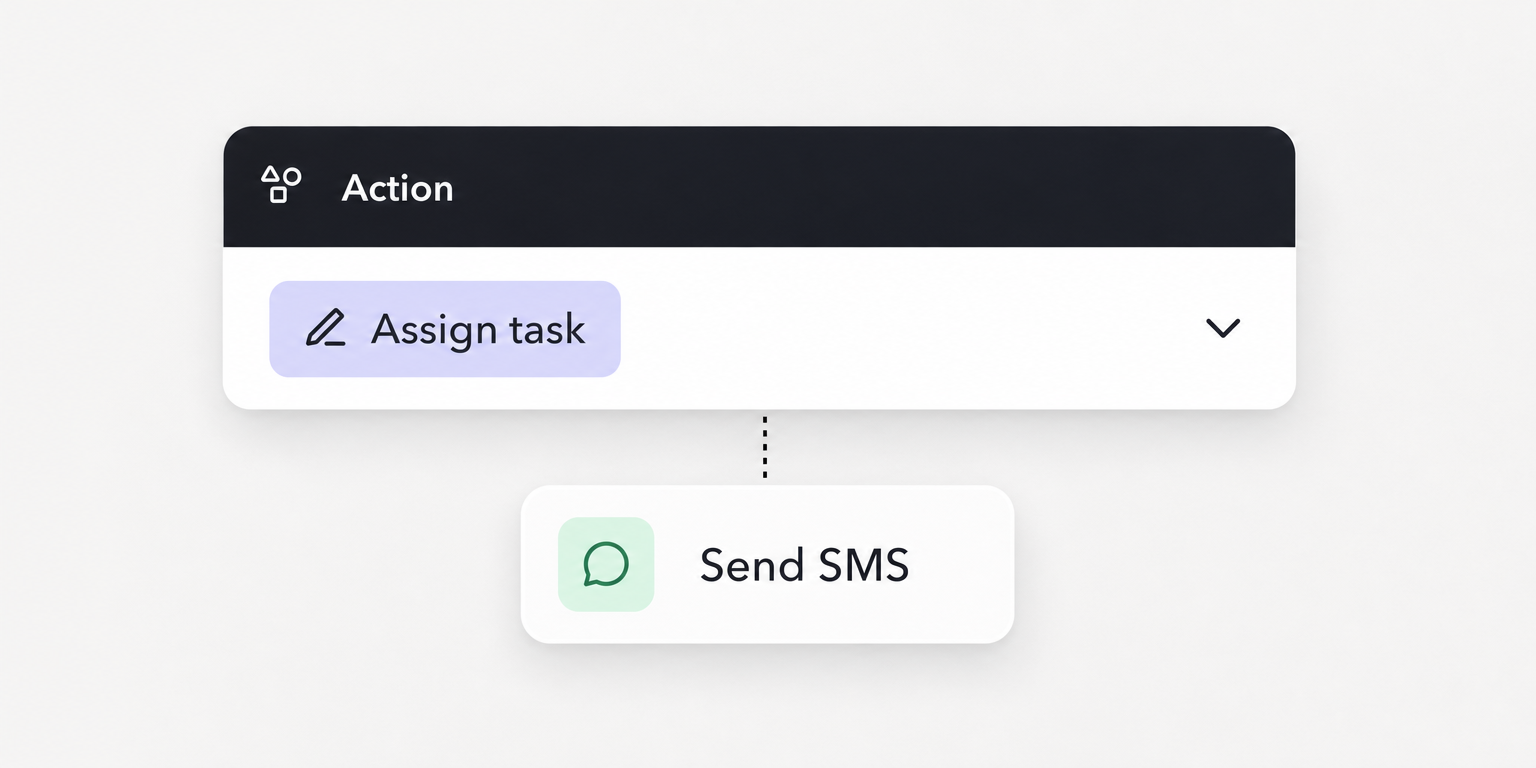
The same test applies to an automated reminder or approval request. Sending a message is not the same as resolving the problem. Someone needs to own the unanswered request before the shift starts or the billing deadline passes.
Our proposed evaluation criteria are straightforward: a visible reason for the action, a way for a person to review it, a record of changes and a named owner for unresolved work. Measure staff time including corrections and follow up, not just the time saved on the initial task. These are operating questions, not a claim that any particular tool guarantees better results.
Teambridge customer · Healthcare staffing

Revv Staffing
60% less administrative time reported
“We had scheduling tools and time tracking tools, but that didn’t move the needle.”
Nathan
Founder, as identified in the published story
The problem: Separate tools left manual work between onboarding, scheduling and time tracking.
What changed: Scheduler Bailey used Teambridge to tailor automation from mobile onboarding to client business intake. Nurses could upload credentials and claim shifts in the same app.
Ask us at Staffing World: Which handoff still requires your staff to copy information or chase someone?
Administrative time, indexed
Before · index100
After · index40
A 60% reduction leaves 40% of the original level. Index values illustrate the reported change, not measured hours. Common zero baseline.
For your own review, time one assignment from acceptance to confirmation. Include every manual touch, even work outside the main system. Repeat the same exercise after a workflow change, with a comparable mix of assignments. A shorter automated step means little if the exception takes longer to resolve.
Use that example in technology conversations at the event. Ask to see the unanswered request and the correction process, not just a successful demonstration.
Where do worked hours wait before they can be billed?
Teambridge customer · Healthcare staffing
Express Healthcare: when client service depends on repetitive work
The problem: A mix of internal software and external tools left a large team handling scheduling, credentialing, client relations, invoicing and billing. That effort supported client relationships, but the firm found it difficult to scale.
What changed: Express created client dashboards in Teambridge and added custom automations for cancellations. The published story describes clients allocating more open needs to Express as the service improved.
Ask us at Staffing World: When a client changes a request, where does your team reenter information, and which later steps need updating?
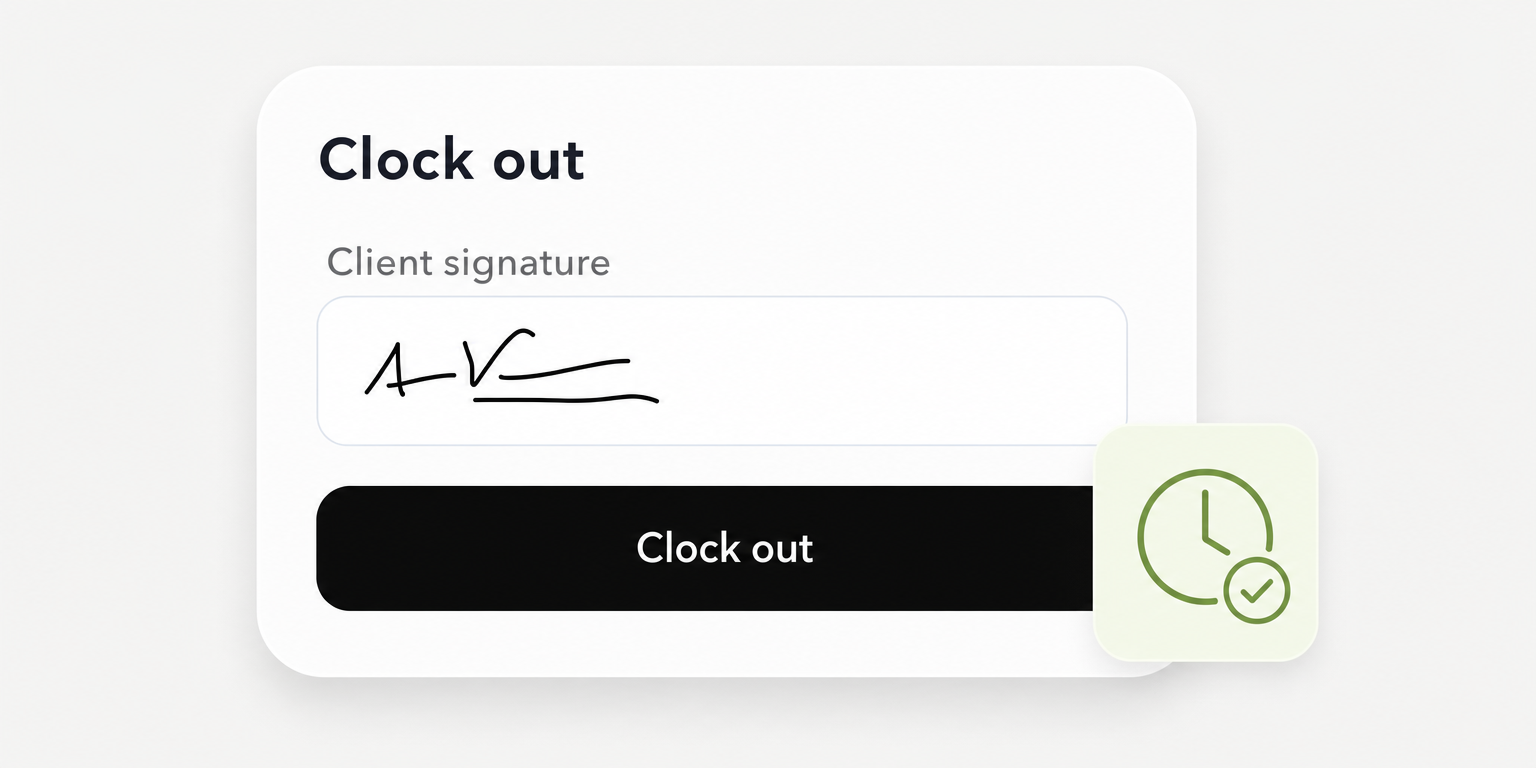
A completed shift is not yet a finished billing process. A staffing firm may still need to resolve a missed clock out, confirm the assignment, obtain client approval or correct a billing detail.
Take a recent billing period and trace the unresolved records. Separate hours awaiting internal review from records waiting on the client. For each delay, identify what is missing, who can supply it and who owns the next action.
That distinction matters when evaluating software. A faster approval screen cannot resolve an unclear client approval process by itself.
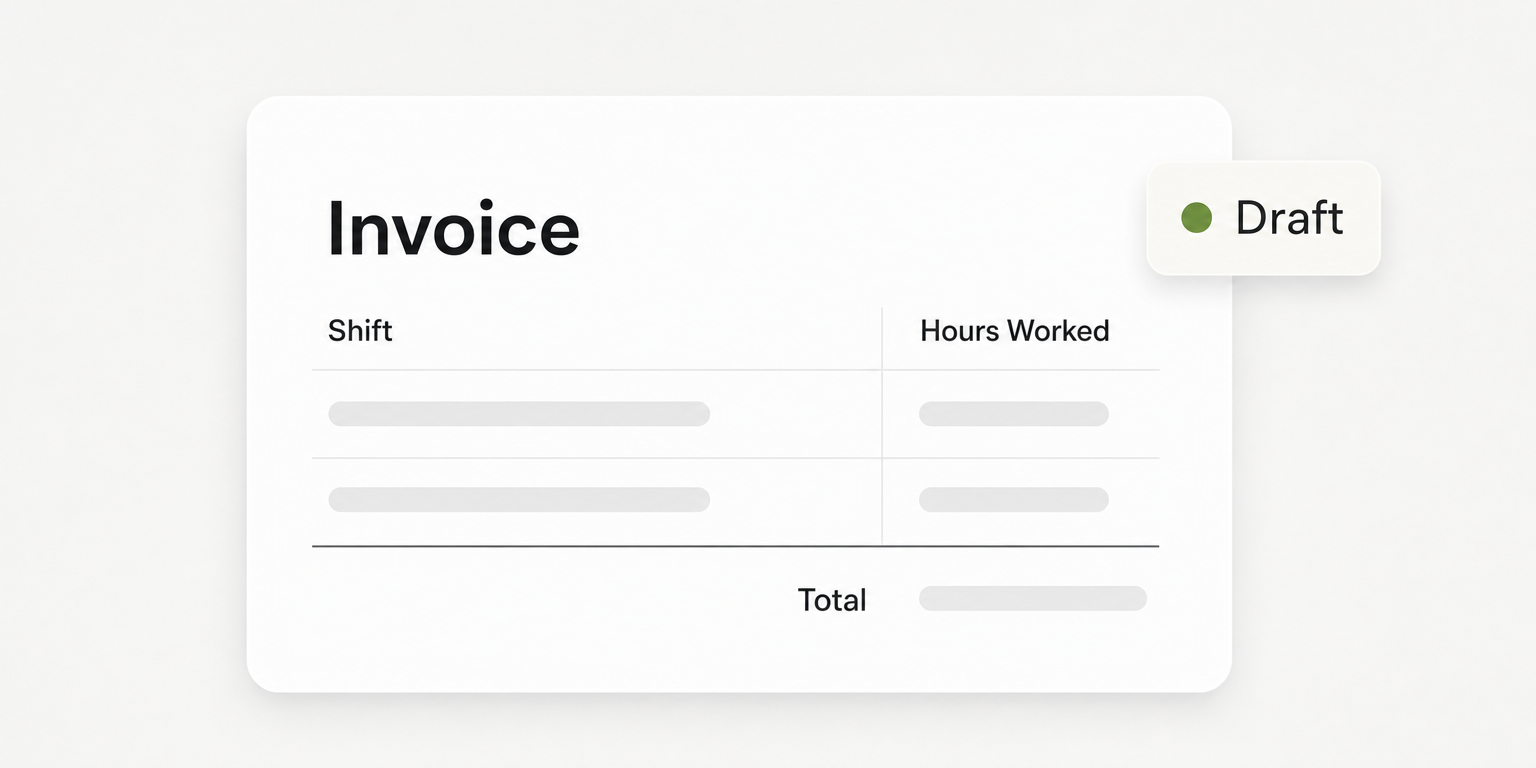
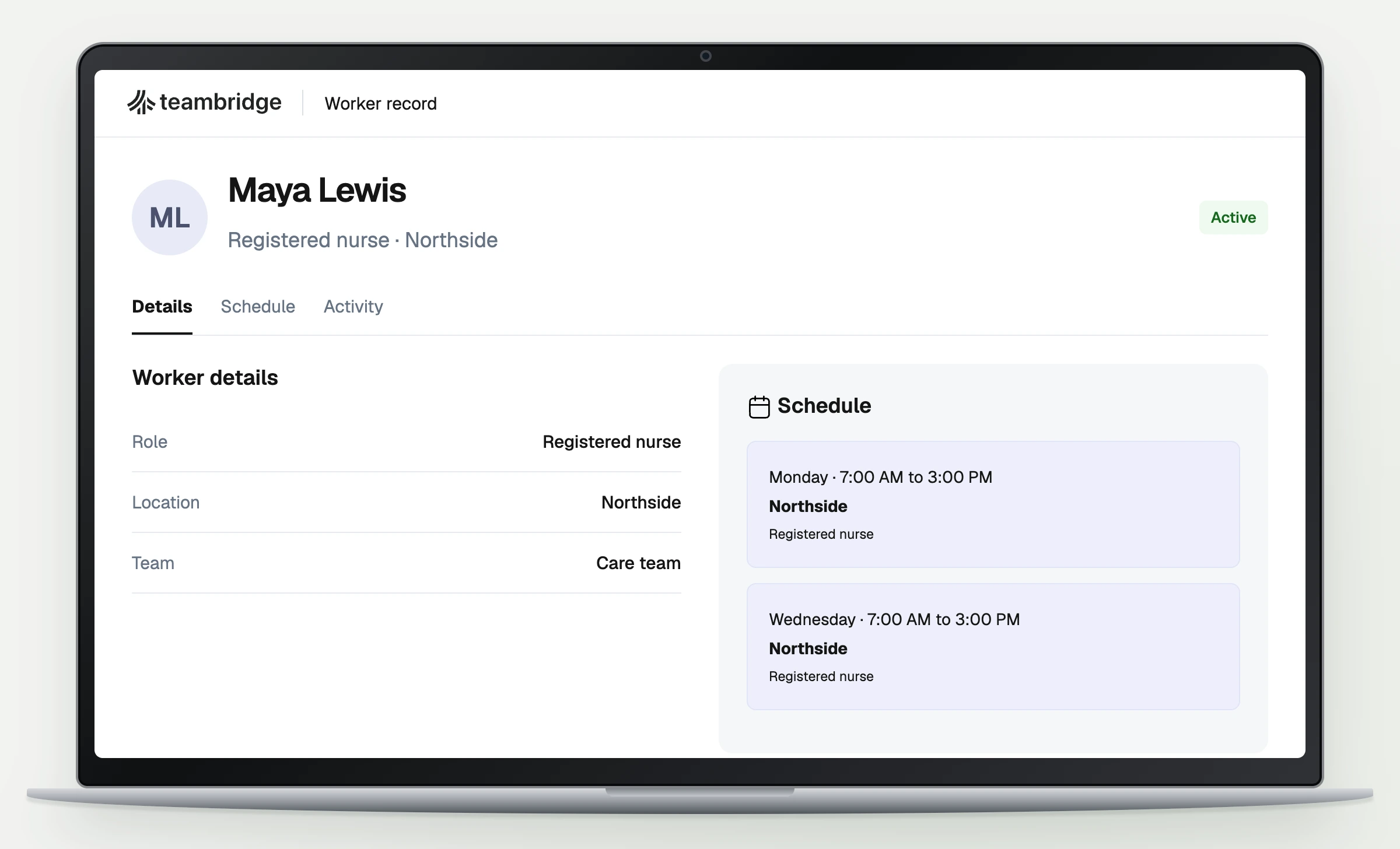
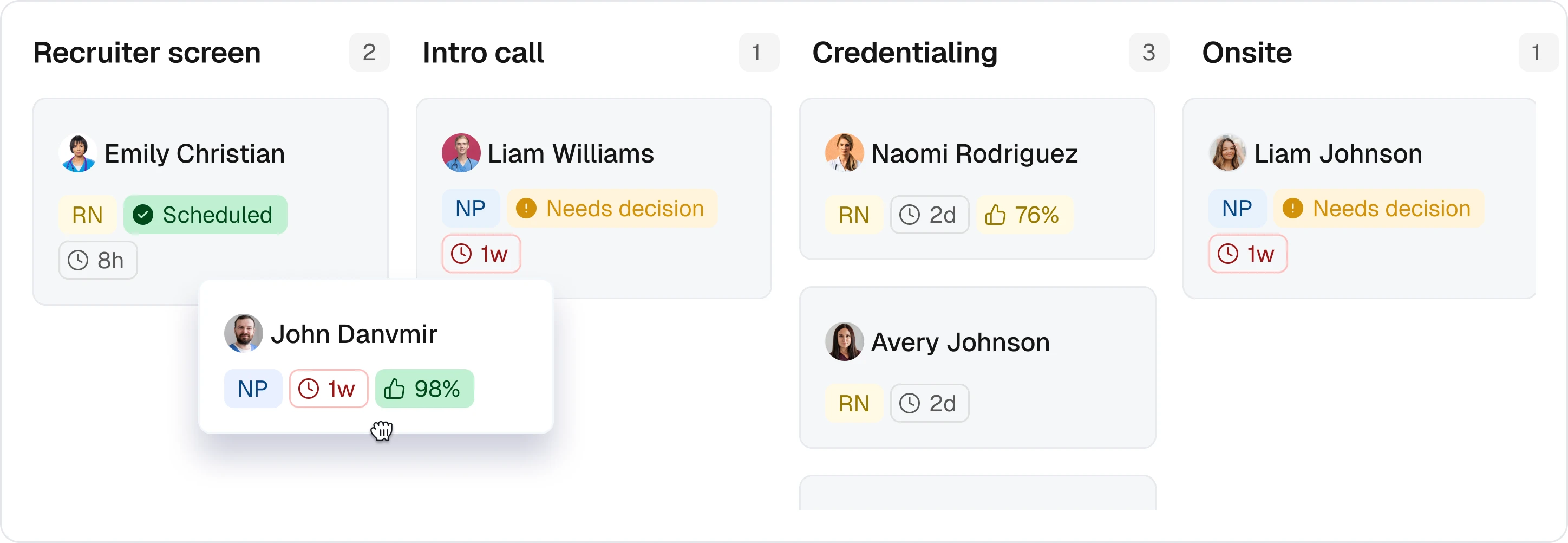
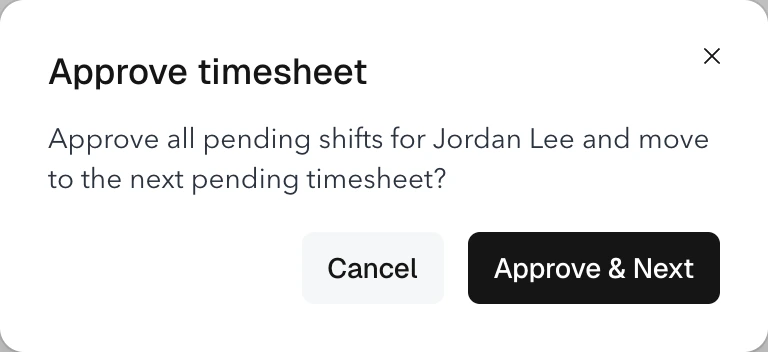
Teambridge's timesheet review workflow is one concrete part of this discussion. The broader question for the firm is whether the approved time record contains what its billing process needs, without someone rebuilding the assignment history elsewhere.
Track elapsed time from shift completion to approval and from approval to an invoice ready to send. Keep unpaid invoices separate: collecting payment is a different stage from preparing an accurate bill.
Inside Teambridge
Review the time before advancing the record
Choose evidence that can change a decision
Use the next branch review to trace 20 consecutive accepted assignments whose first start dates have passed. This is a manageable diagnostic sample, not a statistically representative study. Include the failures and cancellations, not just the clean records.
Copy these fields into a worksheet: anonymized assignment ID, client, role, offered hours, worker availability, acceptance time, outstanding requirements, scheduled start, actual start, reason for no start, shift end, approval time, invoice ready time and next action owner.
Four checks to take into your next branch review
Scroll sideways to see all three columns.
| Review | Check or measure | Next action |
|---|---|---|
| Match | Accepted assignments with conflicting hours, location or requirements. | Ask the branch lead to resolve the mismatch before confirming coverage. |
| First start | Completed first shifts divided by accepted offers whose scheduled start dates have passed. | Group missed starts by reason. Assign an owner to the most common unresolved issue. |
| Manual work | Staff minutes per assignment, including chasing, corrections and exceptions. | Test a change to one repeated task before expanding automation. |
| Billing readiness | Time from shift end to approval, then from approval to invoice readiness. | Separate internal review delays from client approval delays. Follow up with the right owner. |
For elapsed times, show the median, the number of completed records and the number still waiting. Open items should remain visible with their current age; excluding them can make the process look faster than it is. Missing timestamps are missing evidence, not zero delay.
Choose one change and review the next comparable group. Keep the branch, role and date window clear, and note changes in client demand or assignment mix. The aim is a decision you can defend, not a percentage that looks good in isolation. Use anonymized examples in any conversation outside your team.
What you can work through with Teambridge at Staffing World
We are attending Staffing World to connect these industry conversations with the daily work of running a staffing firm. A session may help you rethink the market or your operating model. A conversation with our team can then focus on what that means for one assignment in your business.
Teambridge connects worker readiness, availability, scheduling, communication and time tracking. Our perspective is that staffing firms need visibility across those steps, not only into the recruiting pipeline. That does not remove a labor shortage or fix an unsuitable offer. It helps teams see what still needs to happen after a potential match.
Bring one anonymized assignment that was difficult to fill, slow to start or hard to get ready for billing. Tell us what your team expected, what actually happened and where someone had to intervene. That gives us a concrete starting point for a relevant product walkthrough.
Your conversation with Teambridge
One assignment. Three useful questions.
- 01What is blocking progress?
Separate pay, availability or skills constraints from missing documents, confirmation and approval delays.
- 02What would the workflow need?
Ask us to show the relevant Teambridge steps and explain the required data, configuration, permissions and human decisions.
- 03What should your team test next?
Use the branch checklist to identify one change, a responsible person and a measure to review afterward.
Revv, United and Express show what staffing teams can unlock when the work is connected. Jake Simpson and Patrick Shunney bring that experience to the conversation as members of Teambridge. Bring us the workflow slowing your team down, ask the questions that matter and leave with a clearer picture of what your team can make possible.

Jake Simpson
Sales Development Representative, Teambridge
Patrick Shunney
Team Lead, Enterprise Account Executive, Teambridge
If this would help your firm, request a conversation with Teambridge and mention Staffing World along with the process you want to discuss. Not attending? You can use the same checklist with your branch team or speak with us separately.

About the author

Content Writer at Teambridge
Anis Nanai is a content writer at Teambridge, with a focus on workforce management and the realities of running hourly teams. He prioritizes conversations with customers, staying close to the market, and understanding how workforce needs are changing. His writing connects those concerns to practical decisions about scheduling, time tracking, staffing, and automation. He examines product developments through the questions that matter to operators: what does this solve, how would it work for my team, and what evidence supports it?
Company perspective: this author works at Teambridge. Customer outcomes are attributed to their published sources.
View LinkedIn profile