

Defining "Gig Workers"
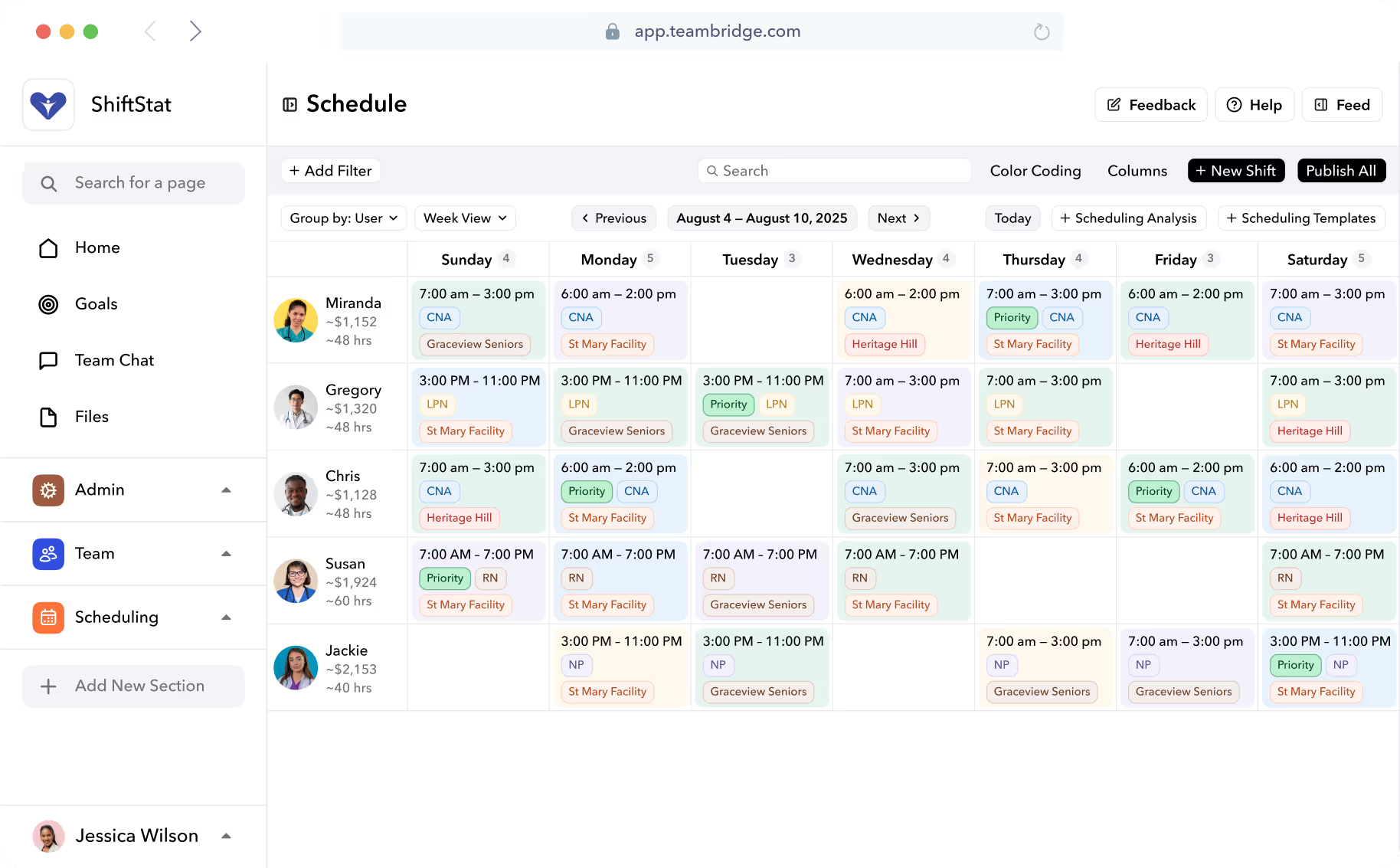
Gig workers are independent contractors, freelancers, or temporary employees who take on single projects or shifts—often called “gigs”—instead of committing to a long-term role. This on-demand approach helps businesses move beyond rigid staffing models and scale their workforce up or down as needed. It's a modern solution for filling immediate gaps without the overhead of permanent hires.
How gig workers is commonly used
In healthcare, the term often refers to per diem nurses or other temporary HCPs brought in to cover last-minute shift vacancies or manage unexpected patient surges. This flexible model allows facilities to maintain optimal staffing levels without the long-term commitment of hiring full-time employees.
Why Gig Workers Matters & Industry Context
Historical context
While temporary staffing in healthcare has existed for decades through traditional agencies, the rise of digital platforms has transformed this model into a more dynamic, real-time solution. Technology now allows facilities to connect with and manage on-demand talent instantly, moving beyond the slower, more manual processes of the past.
Relevance in healthcare settings
Persistent staffing shortages often lead to overworked core teams and high burnout rates, which can compromise the quality of care. The gig worker model offers a practical solution, giving facilities access to a flexible talent pool to fill gaps and give their full-time staff much-needed support. This approach not only improves operational agility but also helps maintain consistent, high-quality patient care by ensuring every shift is adequately staffed.
The Role of Gig Workers in Modern Healthcare Staffing
Healthcare facilities constantly juggle fluctuating patient numbers and unexpected staff absences, turning daily scheduling into a high-stakes puzzle. This unpredictability forces managers to scramble for coverage, often leaving core team members overworked and risking gaps in patient care.
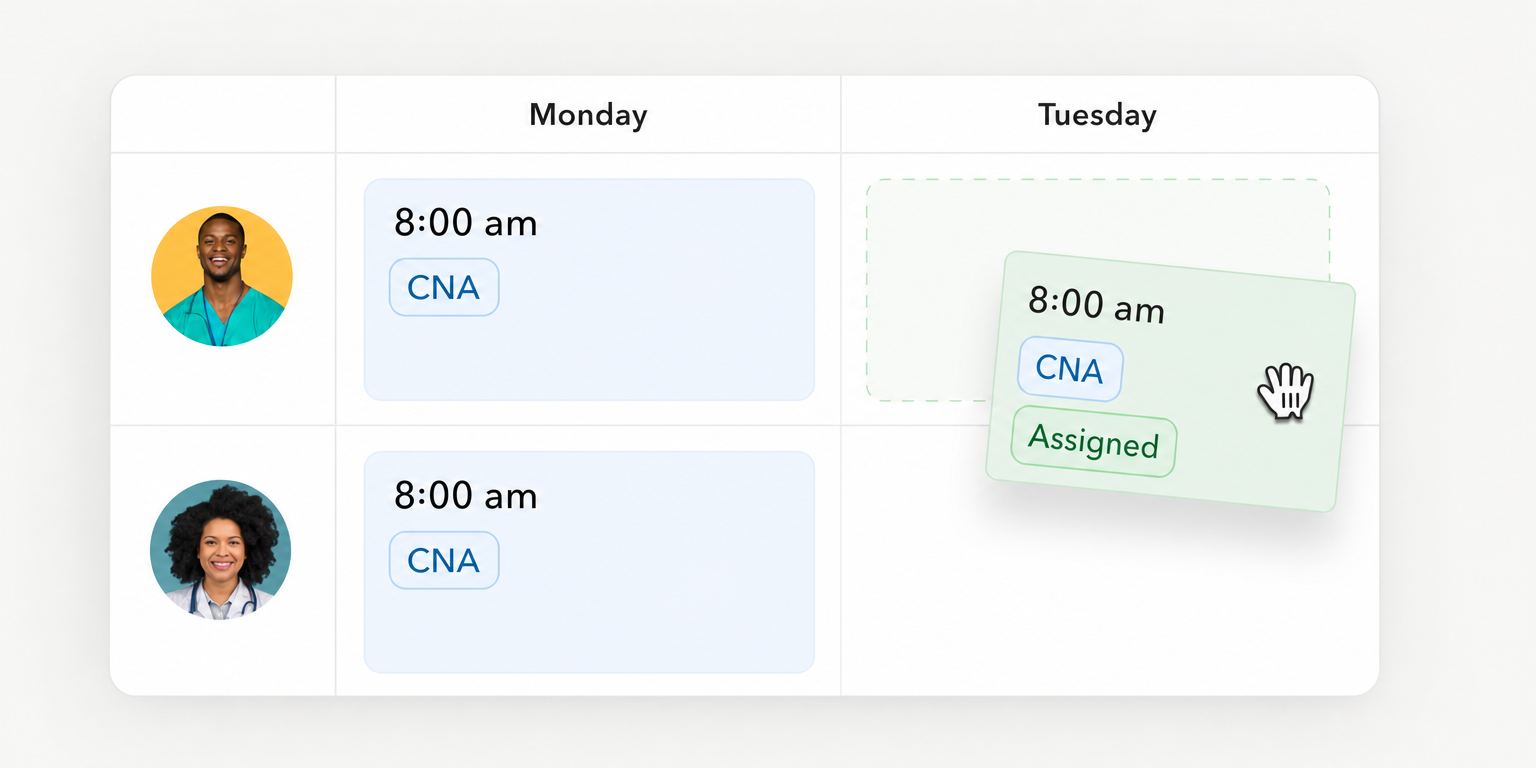
This is where the gig worker model, powered by modern workforce platforms, transforms the game. It gives facilities on-demand access to a pool of vetted professionals, allowing them to fill shifts in real-time with just a few clicks. By embracing this flexible approach, organizations can ensure consistent coverage, reduce administrative burdens, and empower their full-time staff to focus on what they do best.
How a flexible workforce model helps
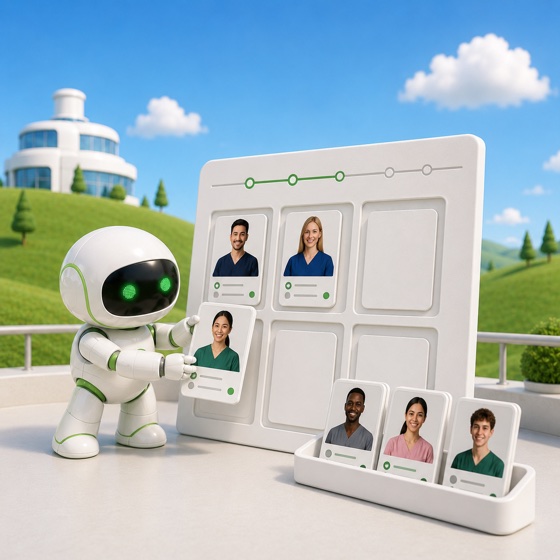
Instead of constantly reacting to staffing emergencies, managers can proactively build a reliable bench of on-demand talent. This shift from reactive to strategic staffing not only ensures every shift is covered but also creates a more stable and supportive environment for your core team, reducing burnout and improving retention.
Benefits and Challenges of Hiring Gig Workers in Healthcare
Adopting a gig worker model can transform your staffing strategy, but it's important to weigh the advantages against the potential hurdles. While it offers incredible flexibility, success depends on managing the unique dynamics of a blended workforce.
- Cost efficiency: Hiring on-demand staff can help control labor costs by avoiding the expenses tied to full-time benefits, paid time off, and overtime.
- Agility: Instantly scale your workforce to meet fluctuating patient demand, ensuring you always have the right number of staff without over-committing resources.
- Consistency: Integrating temporary staff who are unfamiliar with your facility’s specific workflows and culture can sometimes disrupt team cohesion.
- Onboarding: Ensuring every temporary professional is quickly and effectively brought up to speed on your protocols is crucial for maintaining seamless operations.
Compliance, Credentialing, and Risk Management for Gig Workers
Managing a flexible workforce requires a strong focus on compliance and safety. Properly vetting and integrating gig workers is essential to protecting your facility, your team, and your patients. Modern workforce platforms can automate these critical checks, turning potential risks into manageable processes.
- Compliance: Ensuring every worker is correctly classified and paid according to labor laws to avoid legal pitfalls.
- Credentialing: Verifying that all temporary staff hold the necessary, up-to-date licenses and certifications for their roles.
- Integration: Establishing clear protocols for onboarding gig workers to align them with your facility’s standards and culture.
How Modern Staffing Platforms Fill Clinical Shifts End to End
This is how you can use a modern platform to connect with on-demand talent.
- Post your open shifts directly on the platform, detailing the specific roles, required credentials, and shift times you need to fill.
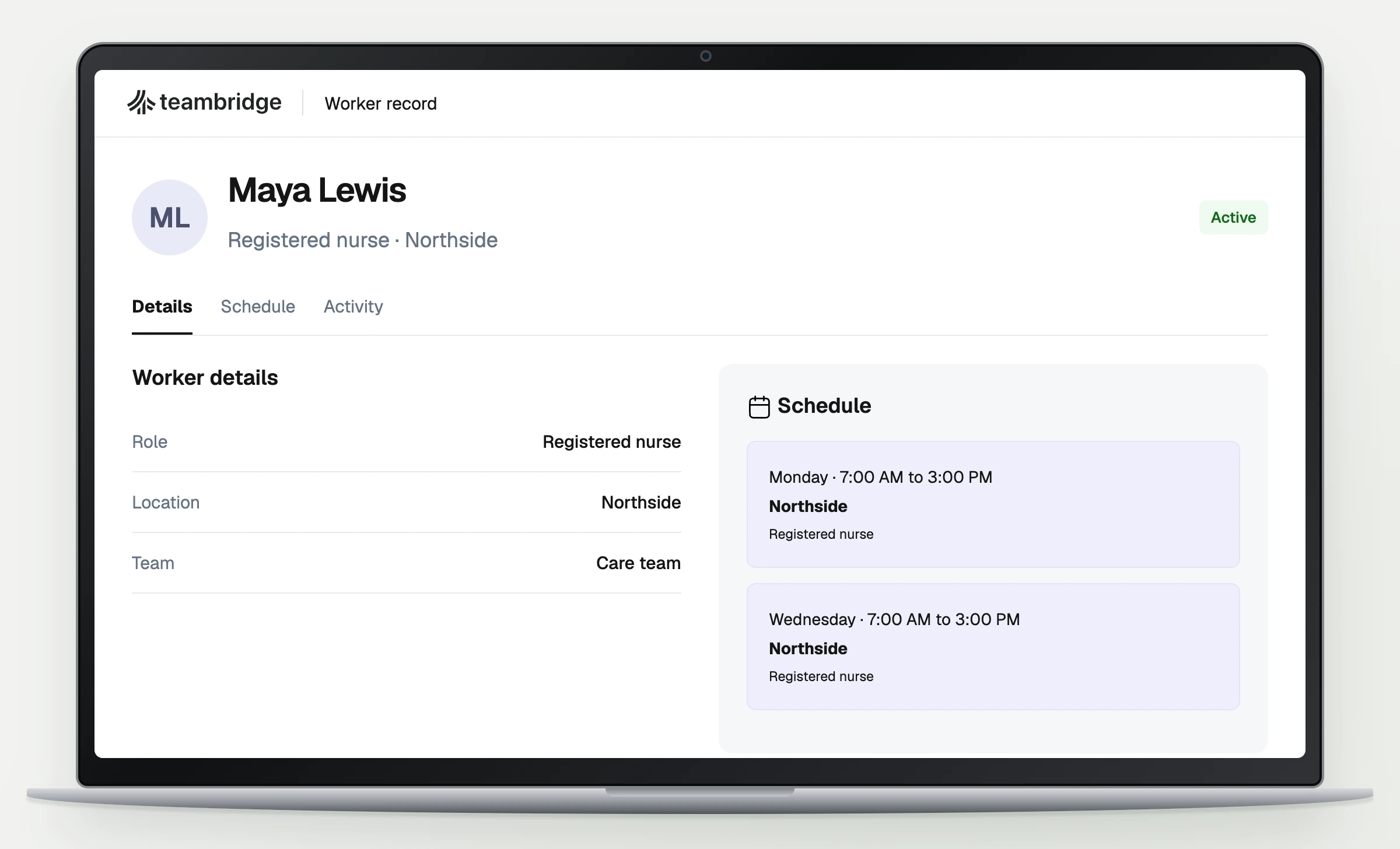
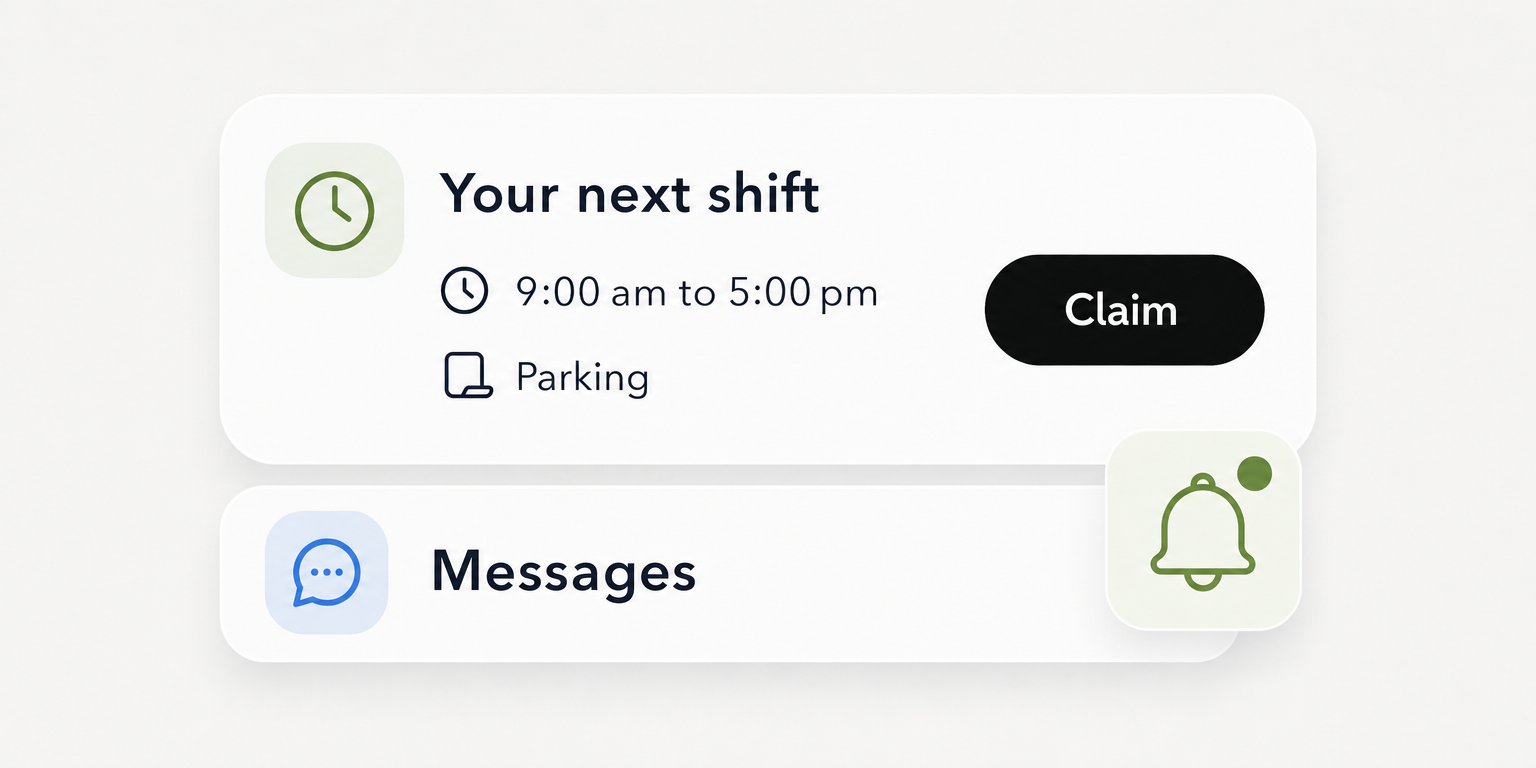
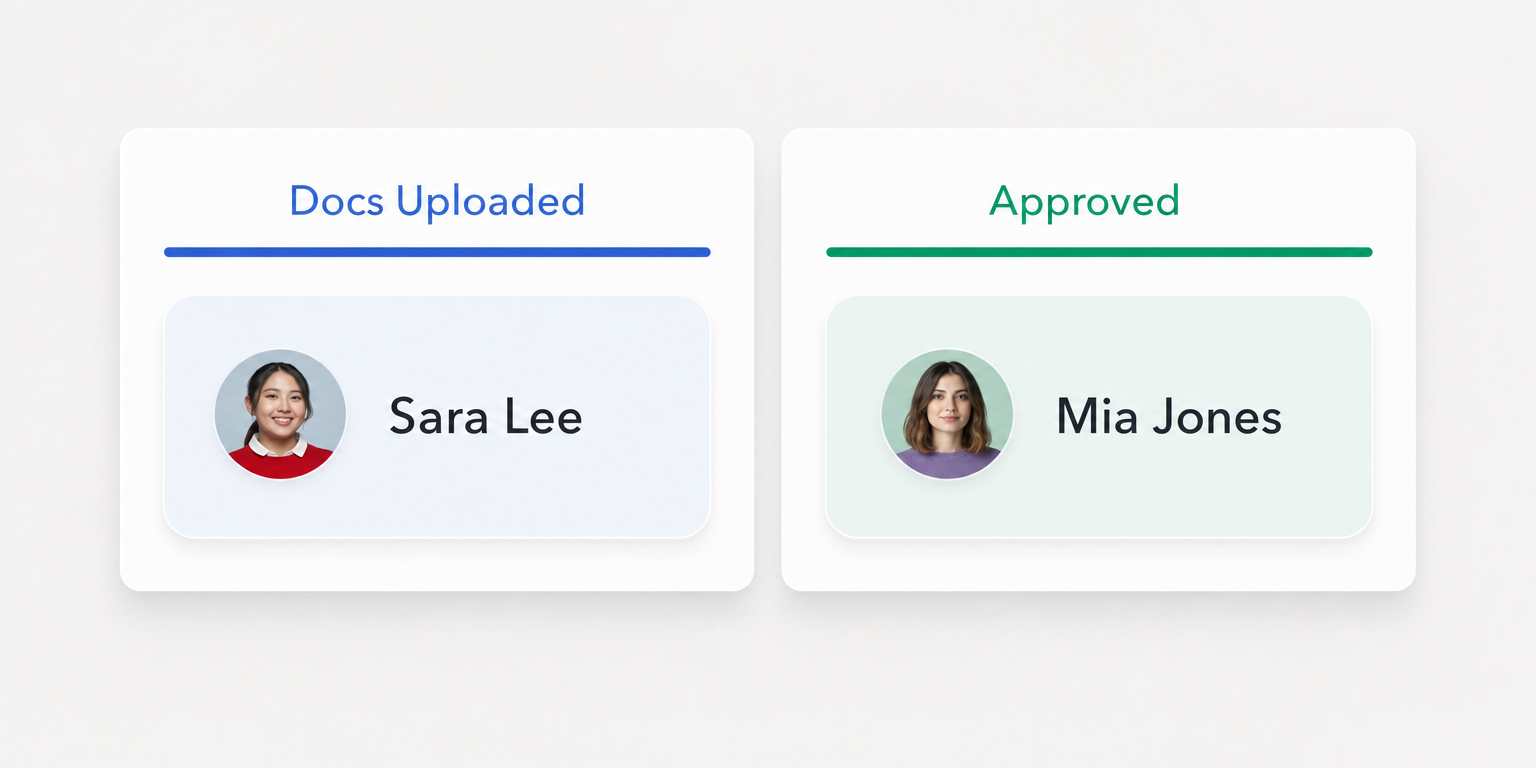
- The platform instantly notifies your bench of qualified and pre-vetted professionals in your area, who can then view and accept open shifts directly from their mobile devices.
- Review applicants and confirm your chosen professional with a single click, while the system handles all confirmations and updates your schedule in real-time.
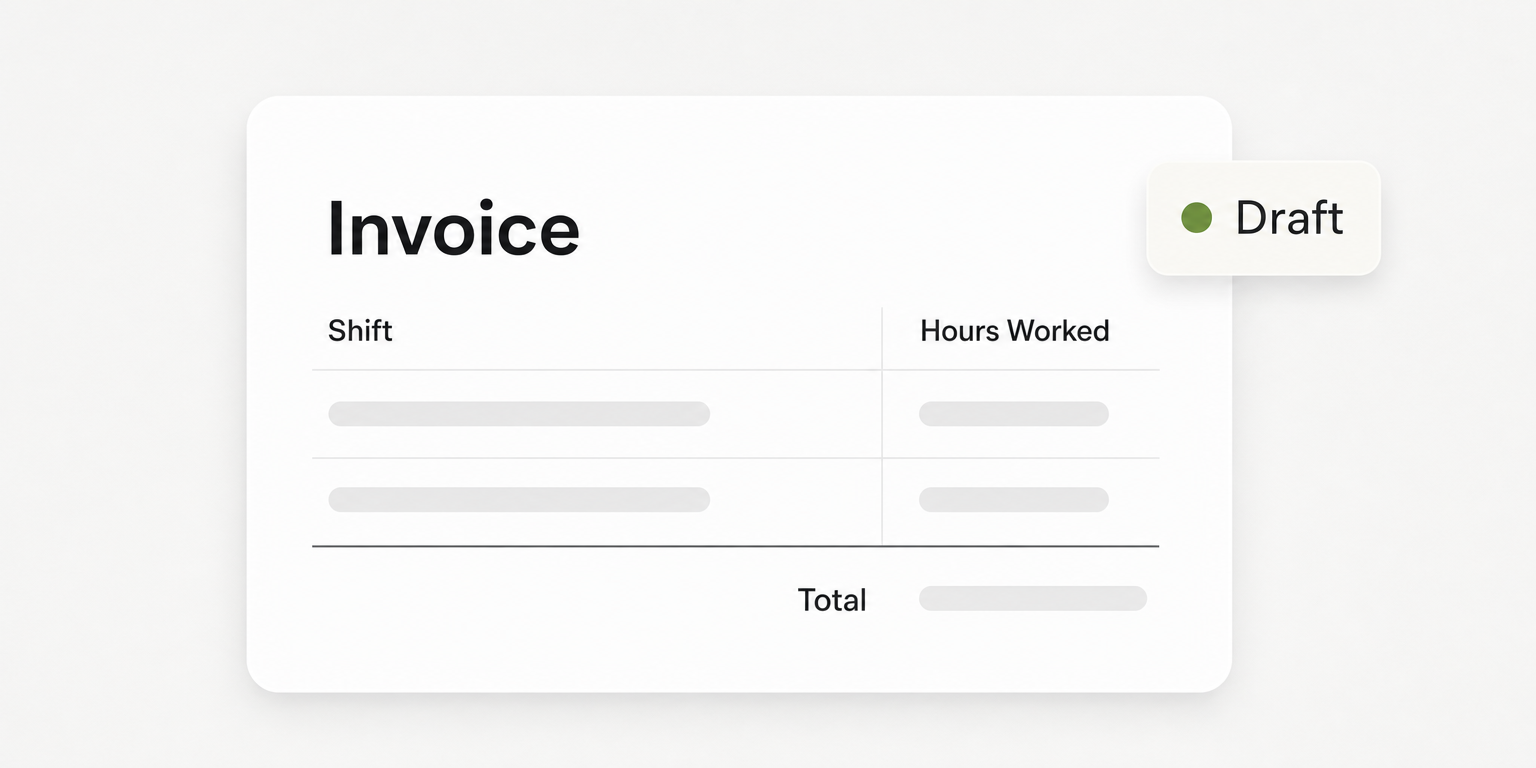
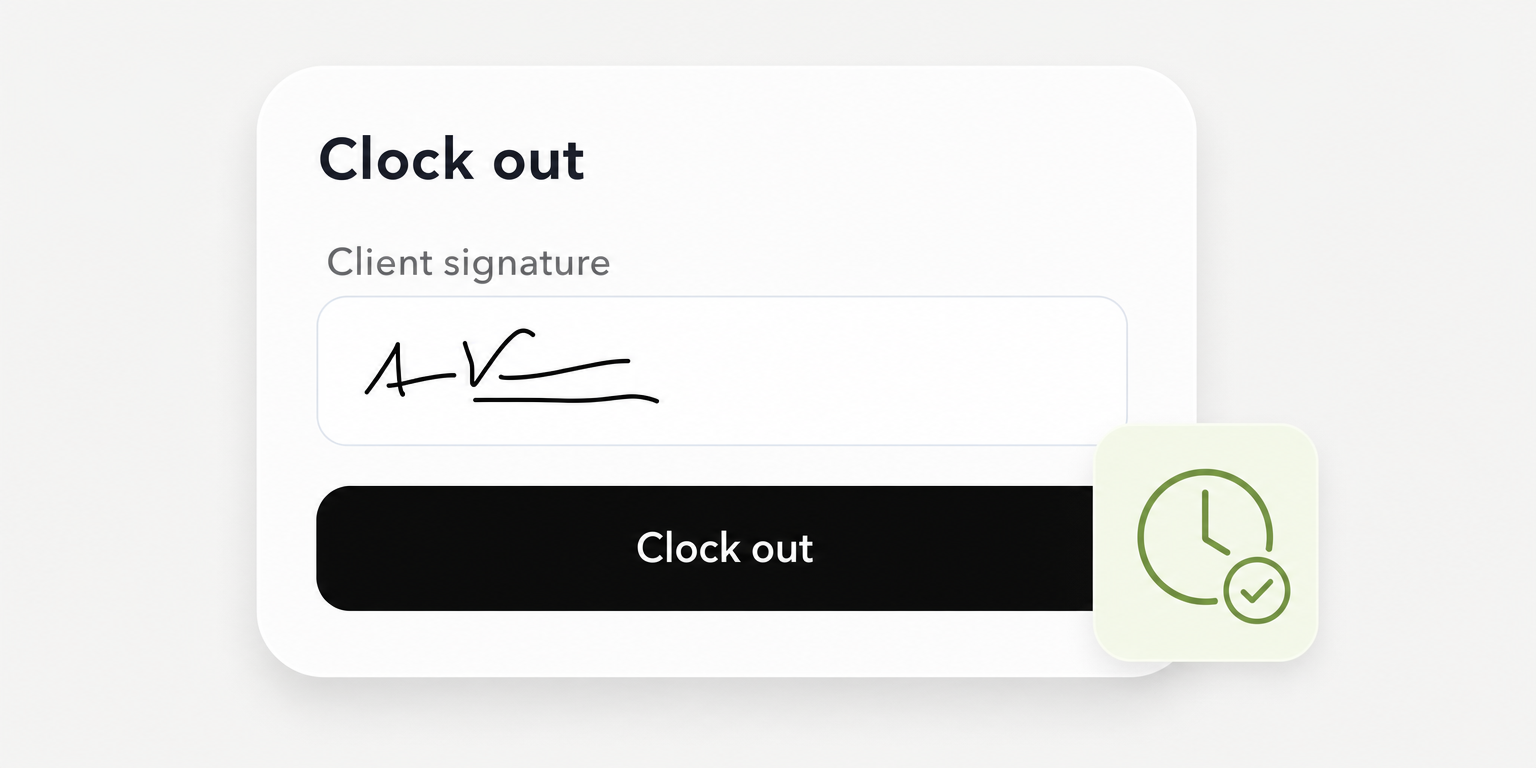
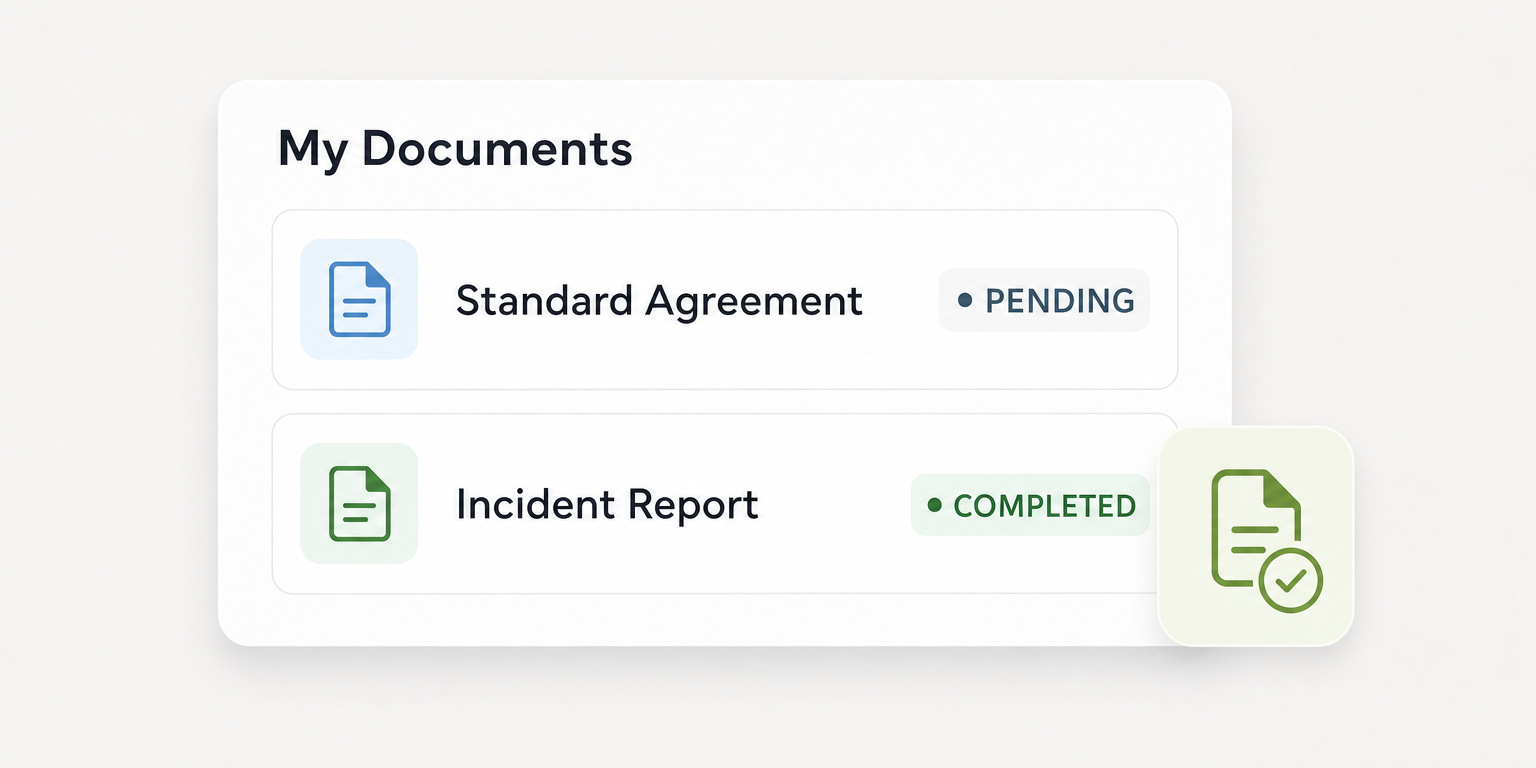
- After the shift, the platform records hours worked and maintains all required compliance documentation in one place.
Best Practices for Integrating Gig Workers into Clinical Teams and Workflows
Successfully integrating gig workers is about more than just filling a shift; it's about making them feel like part of the team, even for a day. A smooth onboarding process ensures they can contribute effectively from the moment they arrive, maintaining care continuity and team morale. Here are a few best practices to create a seamless experience for everyone.
- Orientation: Provide a quick, standardized orientation covering key protocols, facility layout, and points of contact.
- Communication: Assign a go-to team member to answer questions and serve as a resource throughout the shift.
- Inclusion: Introduce temporary staff to the core team and include them in huddles to foster a collaborative atmosphere.
- Feedback: Establish a simple process for both giving and receiving feedback to improve future integrations and build a strong talent pool.
Final Takeaways
The gig worker model offers a modern, flexible solution to the persistent challenge of healthcare staffing shortages and unpredictability. By providing on-demand access to a pool of vetted professionals, facilities can fill critical gaps, support their core teams, and maintain consistent patient care. When managed with the right technology, this approach transforms reactive scheduling into a strategic advantage, ensuring your organization is agile, efficient, and always prepared.

About the author

Content Writer at Teambridge
Anis Nanai is a content writer at Teambridge, with a focus on workforce management and the realities of running hourly teams. He prioritizes conversations with customers, staying close to the market, and understanding how workforce needs are changing. His writing connects those concerns to practical decisions about scheduling, time tracking, staffing, and automation. He examines product developments through the questions that matter to operators: what does this solve, how would it work for my team, and what evidence supports it?
Company perspective: this author works at Teambridge. Customer outcomes are attributed to their published sources.
View LinkedIn profile