

Only 29 percent of hourly workers say they are likely to stay with their current employer over the next year. Although their day-to-day responsibilities vary, they expressed nearly identical frustrations. Communication gaps, unpredictable scheduling, and inconsistent processes are the strongest signals that a worker may be preparing to leave. Employers often treat these issues as unavoidable parts of running a busy operation. To workers, these issues represent the difference between staying and looking for a more stable alternative.
Workers want more than just pay
Hourly workers are clear about what matters most to them. It may start with the amount on their paycheck, but it goes far deeper. 68% name pay amount as a top factor when choosing where to work. This is followed by flexible hours (46%) and reliable scheduling and shift availability (40%).
After these top 3, workers name good communication with management (33%) and opportunities for growth and promotion (31%). Flexibility and reliability matter more than career growth and promotion.
Broken operations break worker trust
For most workers, the decision to leave doesn’t come from a single bad day, it builds from repeated breakdowns in communication and clarity.
The top reasons people stop picking up shifts or leave a job all trace back to operations: poor communication from managers (46%), lack of flexibility and control (37%), no clear way to get more hours or better roles (37%), and pay delays (31%).
Before workers officially leave, issues such as schedule changes with no warning, waiting over a week to get paid, and unreliable communication all create frustration that ultimately drives churn.
Workers crave control and connection
These operational gaps lead workers to feel like they have no control and no one to turn to when things go wrong.
Only 51% of workers feel they have enough control over their schedules. Since flexibility and reliable scheduling are among the most important factors in choosing where to work, this number should be a wake-up call.
Workers also lack the support they need. More than 85% report having needed help outside of business hours and being unable to get it.
A practical blueprint for 2026
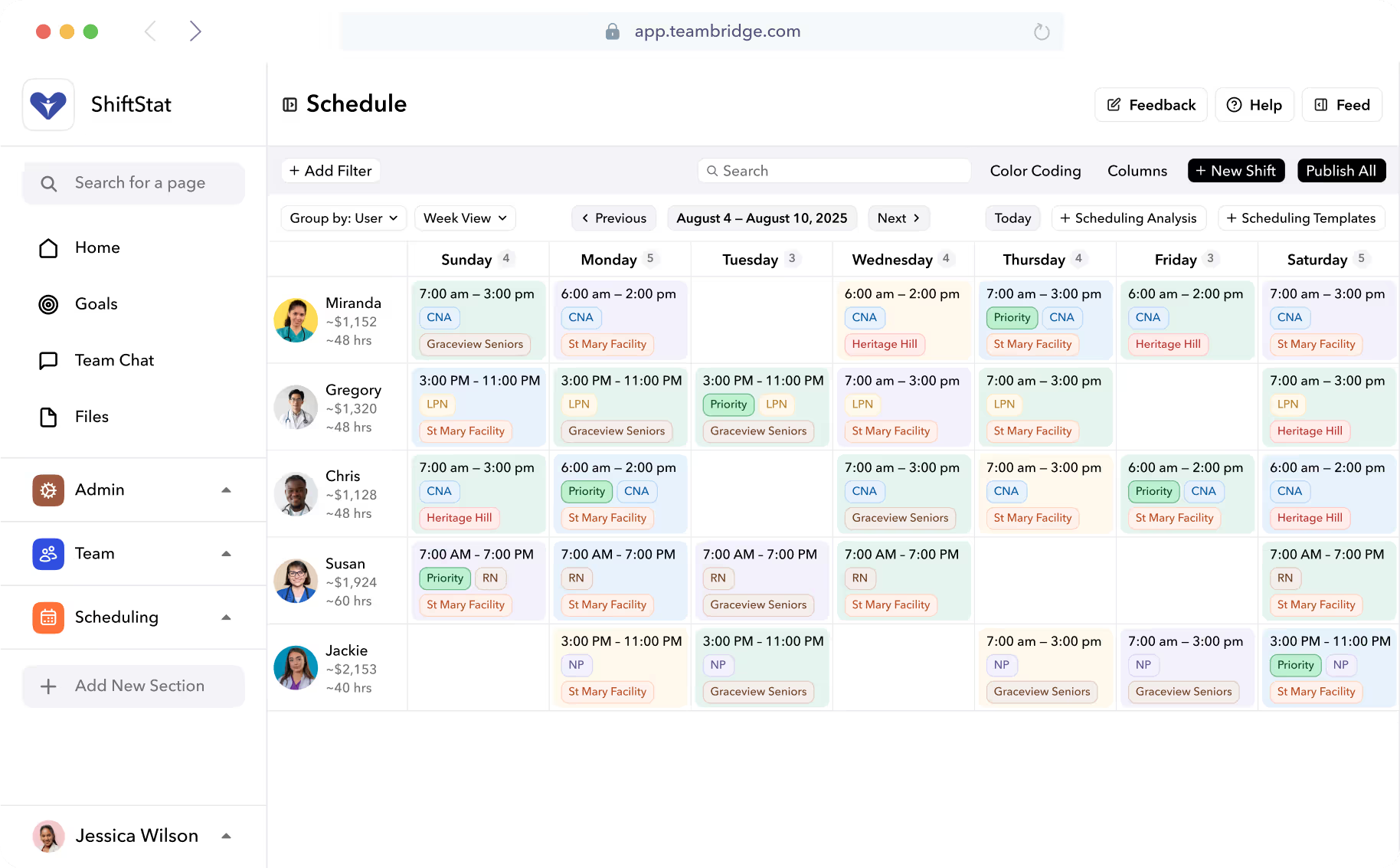
The report highlights several operational improvements that workers consistently linked to stronger engagement and a higher likelihood of staying. These include predictable scheduling, fast and clear communication channels for questions or issues, on-demand pay, and consistent processes across shift assignments, attendance, and timekeeping. These are not abstract concepts. They are operational decisions that employers can control.
Retention is no longer a mystery
Our world runs on workers who keep hospitals open, staff large events, and maintain supply chains. These workers want stability, transparency, and a workplace that respects their time. Employers who take these findings seriously will be better positioned to retain their teams in 2026 and beyond.
To see the full set of insights, trends, and recommendations, download the complete report here.

About the author

Content Writer at Teambridge
Anis Nanai is a content writer at Teambridge, with a focus on workforce management and the realities of running hourly teams. He prioritizes conversations with customers, staying close to the market, and understanding how workforce needs are changing. His writing connects those concerns to practical decisions about scheduling, time tracking, staffing, and automation. He examines product developments through the questions that matter to operators: what does this solve, how would it work for my team, and what evidence supports it?
Company perspective: this author works at Teambridge. Customer outcomes are attributed to their published sources.
View LinkedIn profile