

Defining "Long Term Care"
Long-term care (LTC) encompasses a wide variety of services designed to meet a person's health or personal care needs over an extended period. These services help people live as independently and safely as possible when they can no longer perform everyday activities on their own. It’s not just for older adults; LTC supports individuals of all ages with chronic illnesses or disabilities who require ongoing assistance.
How long term care is commonly used
It's most often used to provide hands-on help with daily activities like bathing and eating, or to deliver skilled nursing care for individuals with complex medical conditions. This support can happen anywhere from a person's home to a dedicated facility, ensuring people get the right level of care in the right environment.
Why Long Term Care Matters & Industry Context
Historical context
Historically, long-term care was often informal and siloed, relying heavily on family caregivers or isolated nursing facilities. The industry has since evolved to recognize LTC as a critical part of the broader healthcare continuum, shifting focus toward more integrated and professionalized models of support.
Relevance in healthcare settings
In today's healthcare landscape, managing an aging population and the rise of chronic illness puts immense strain on hospitals. Long-term care directly addresses this by providing a crucial bridge between acute hospital stays and returning home, ensuring patients receive continuous support. This model helps reduce hospital readmissions, frees up beds for high-acuity cases, and ultimately creates a more efficient and sustainable healthcare ecosystem.
Key Components and Services Within Long Term Care
Long-term care services generally fall into two buckets: skilled care and personal support. Skilled care involves licensed professionals providing services like medication management or physical therapy. Personal support, on the other hand, focuses on assisting with Activities of Daily Living (ADLs) such as bathing, dressing, and meal preparation.
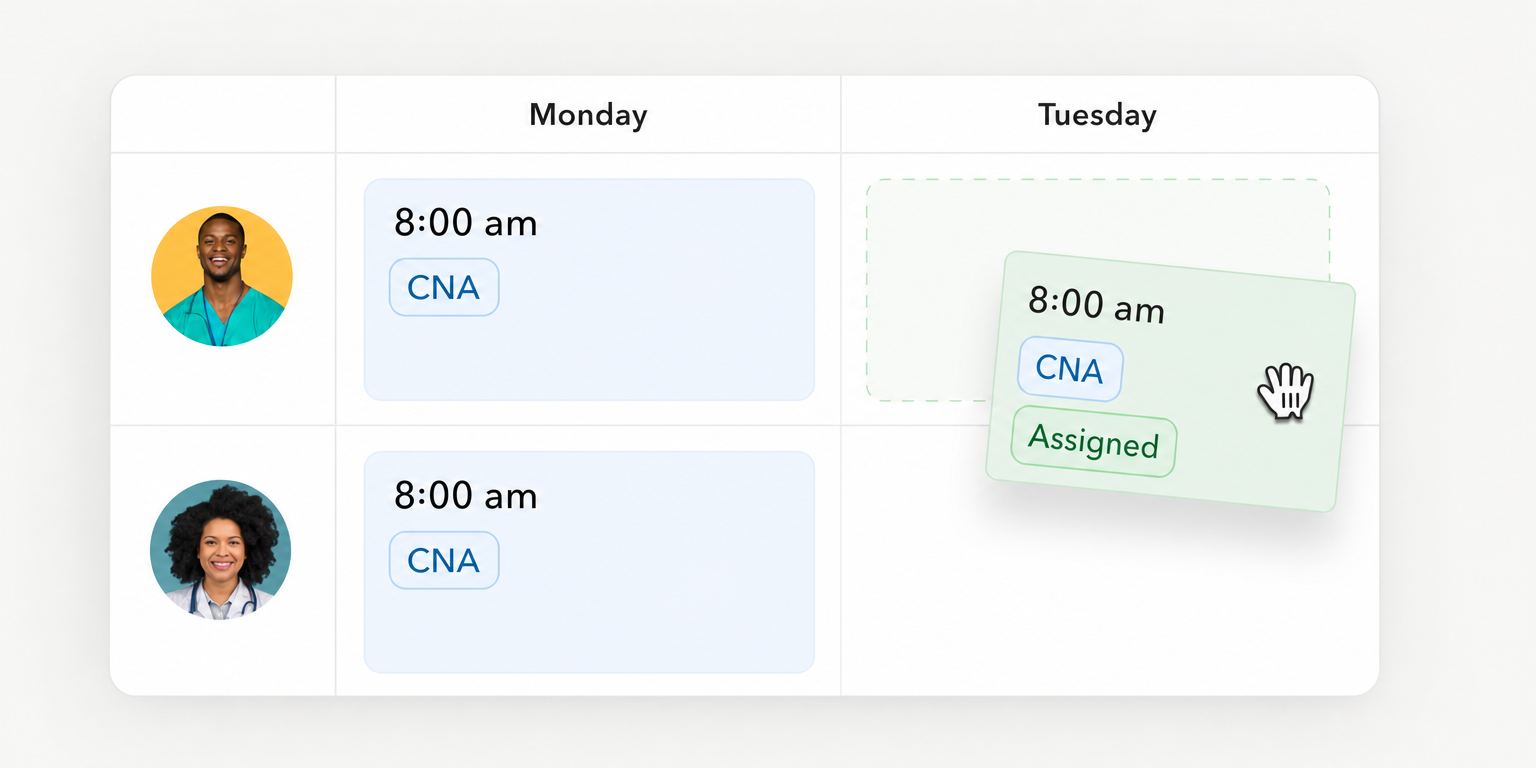
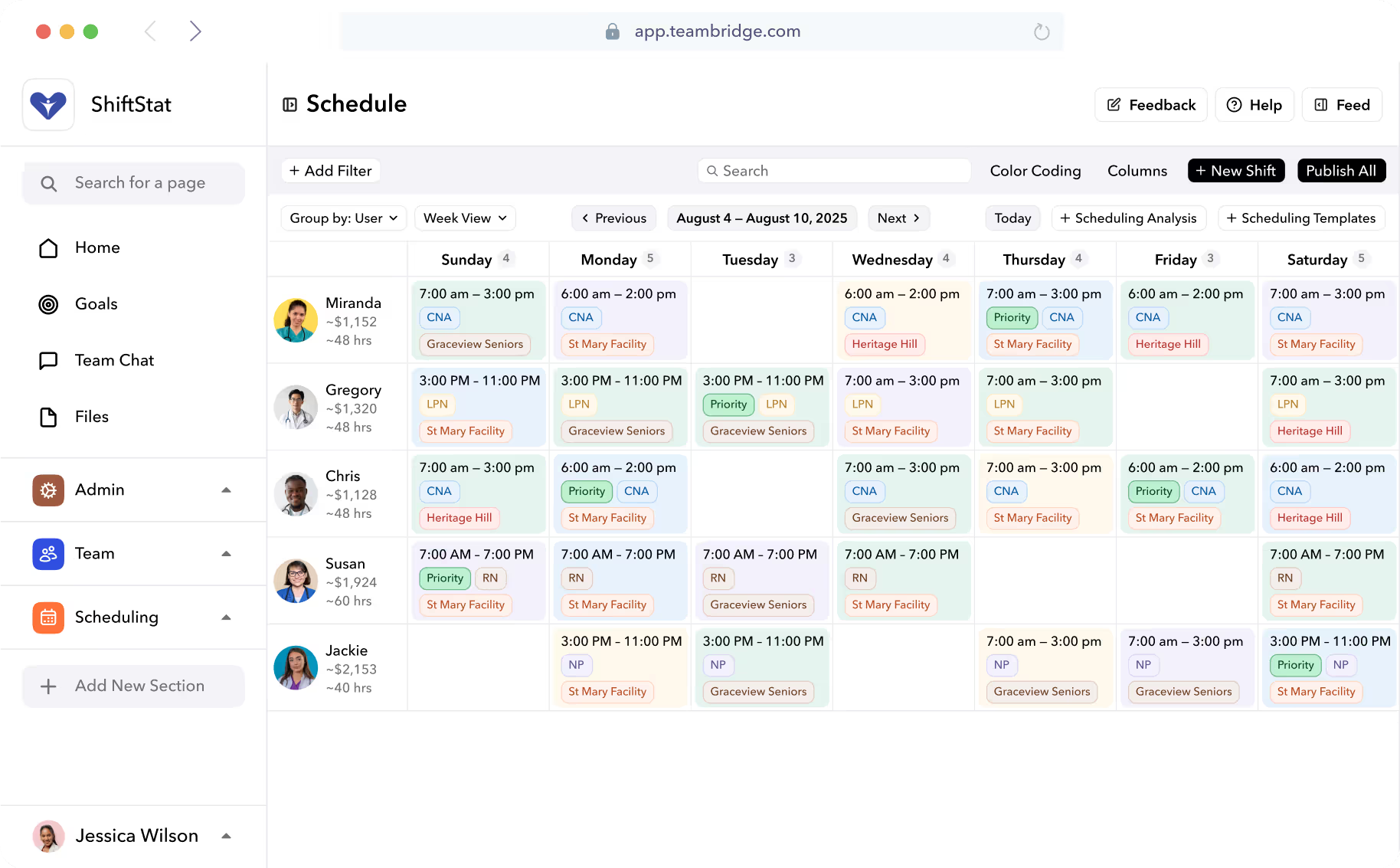
Delivering this care requires a coordinated team of registered nurses, certified nursing assistants (CNAs), and various therapists. The challenge for many organizations is orchestrating this diverse workforce, from scheduling shifts to ensuring clear communication across roles. This is where modern workforce management becomes critical, turning potential chaos into a seamless, efficient operation that prioritizes patient outcomes.
Solving workforce challenges with technology
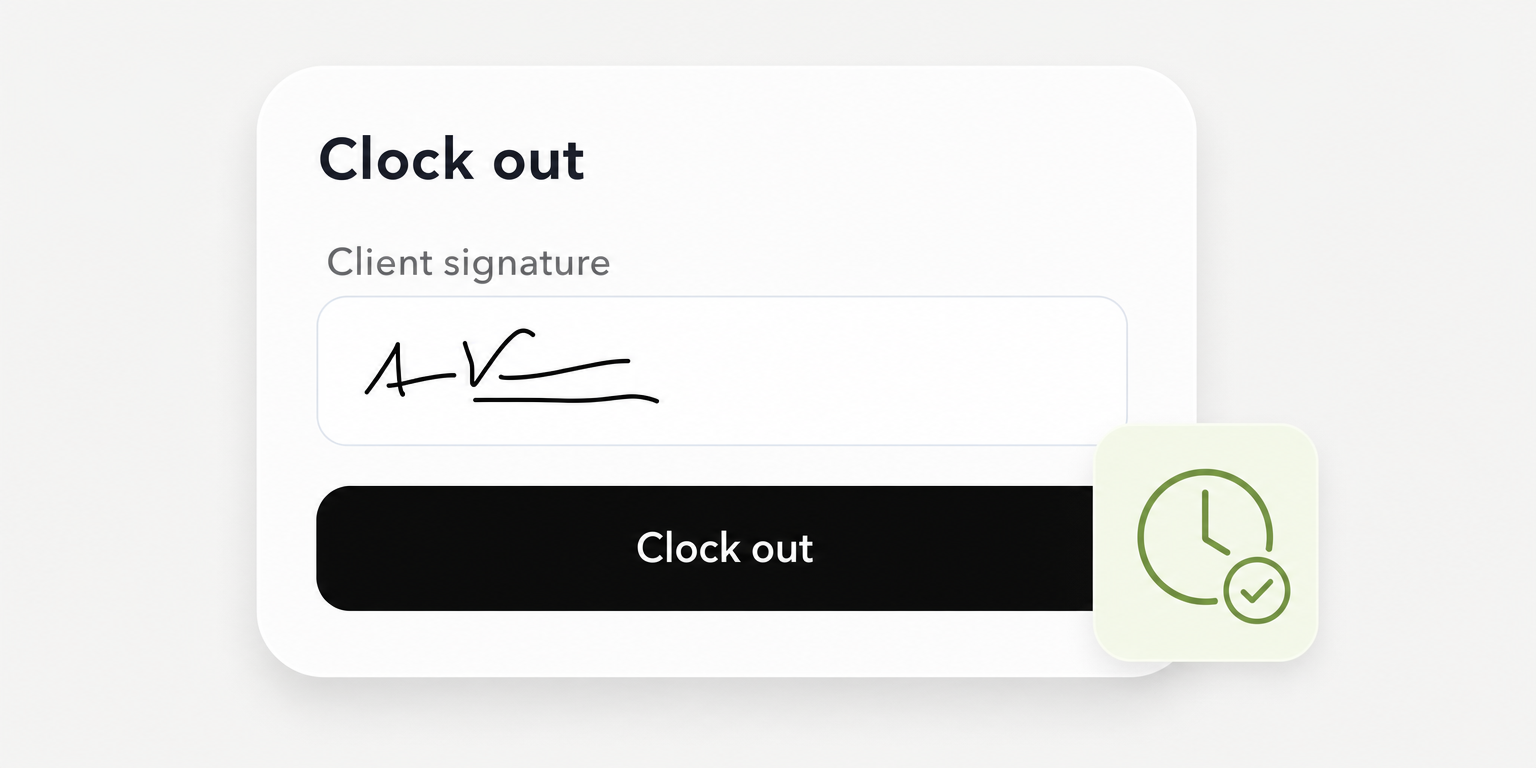
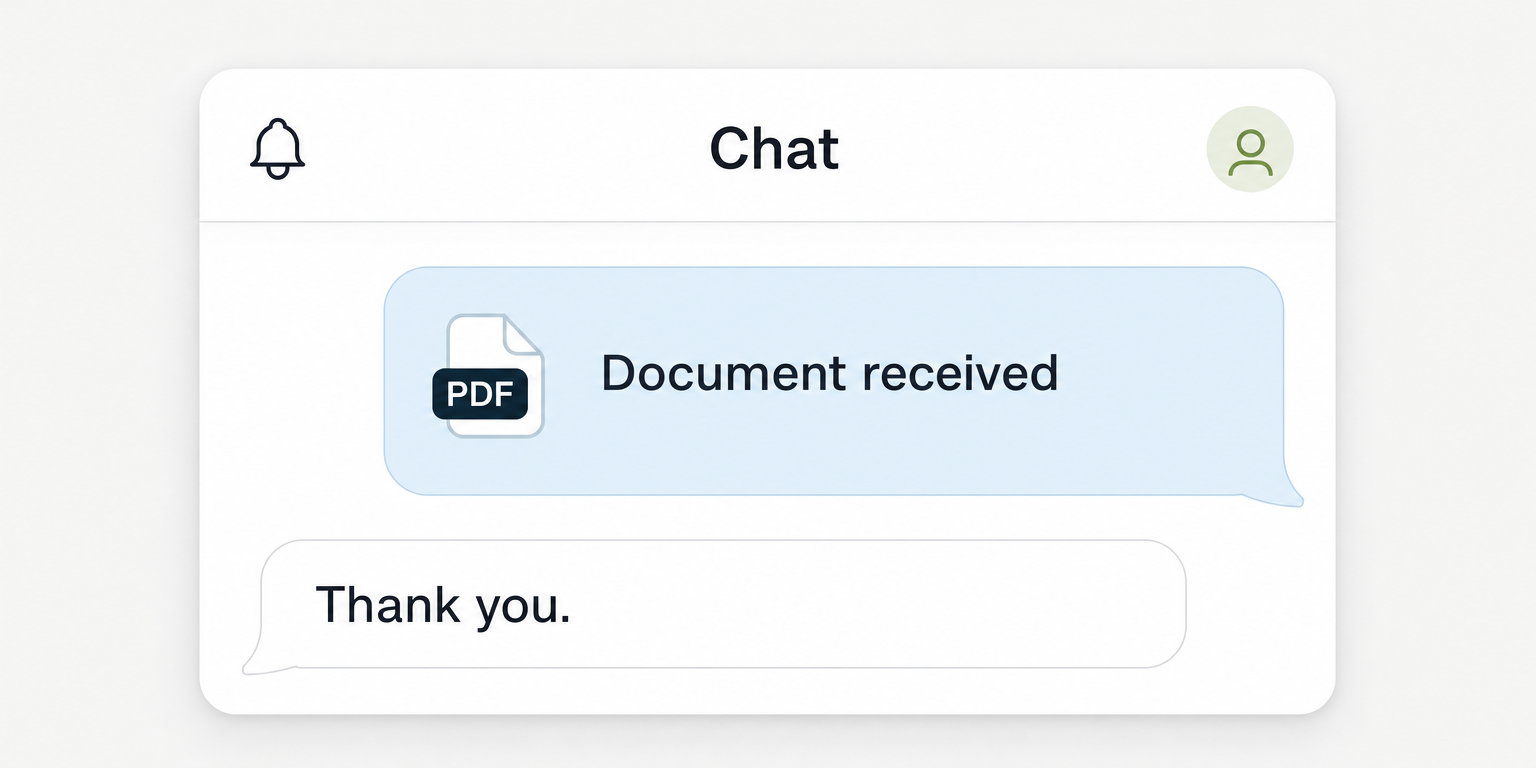
Without the right tools, managers are stuck juggling spreadsheets and phone calls, leading to scheduling errors and communication breakdowns. A modern workforce platform automates these routine tasks, freeing up staff to focus on what truly matters: delivering high-quality patient care. It transforms operational headaches into streamlined, reliable workflows.
Eligibility, Assessment, and Admission Processes for Long Term Care
This is how you can streamline the journey from initial inquiry to admission for long-term care.
- Evaluate the individual’s need for support with daily activities. This usually involves a clinical assessment to understand their physical and cognitive abilities, which helps pinpoint the exact level of care required, whether it's skilled nursing or personal assistance.
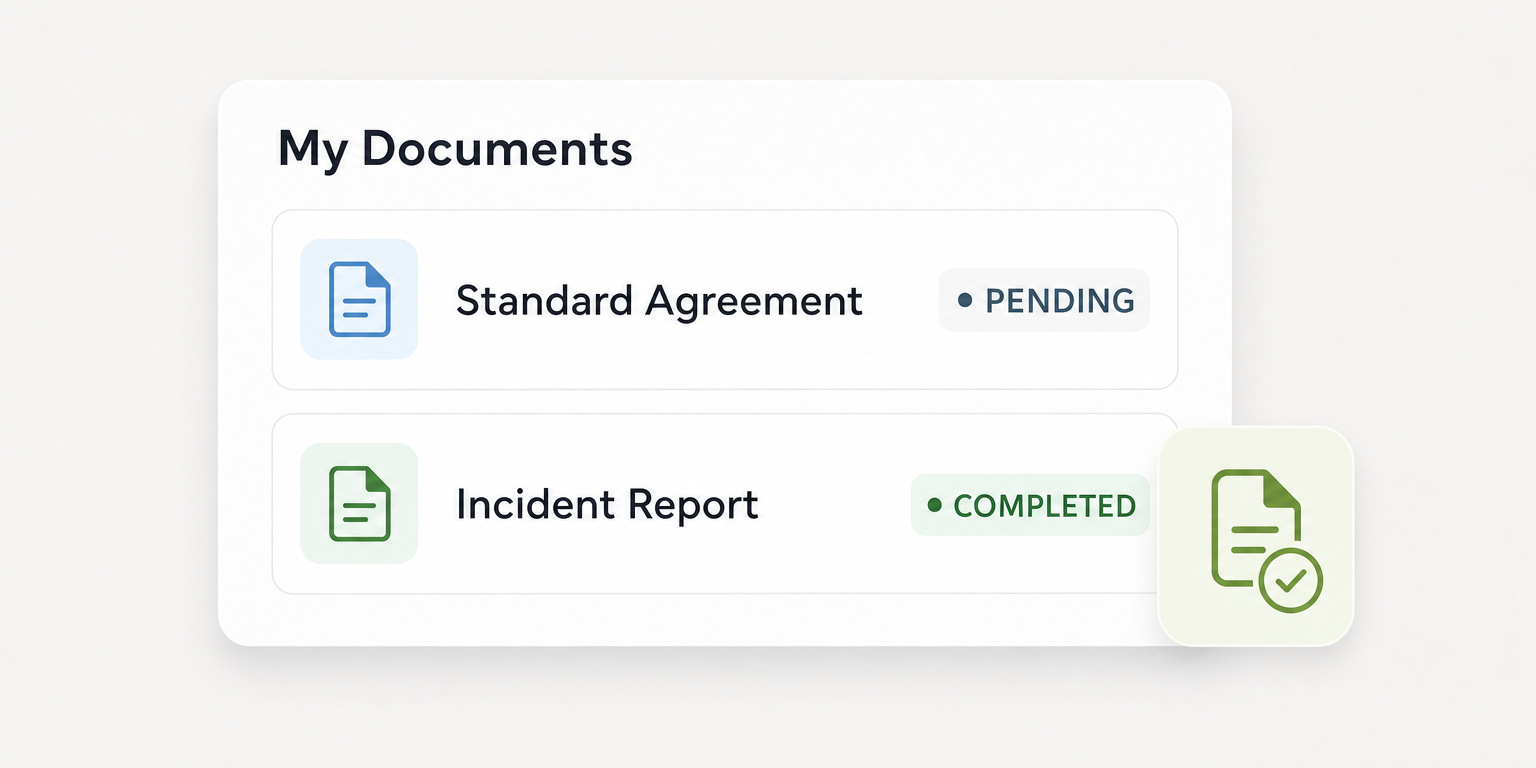
- Conduct a formal assessment to document their health status and functional needs. This step is often bogged down by paperwork, but centralizing this information in a digital platform ensures the entire care team has instant access to a consistent, up-to-date patient profile.
- Navigate the financial and insurance verification process. This involves confirming eligibility through payers like Medicare, Medicaid, or private insurance. It’s a critical gatekeeper for admission, and getting it right prevents future billing headaches and ensures a smooth transition for the patient.
- Finalize the admission and create a personalized care plan. With eligibility confirmed, you can officially bring the individual into your care. This is where a modern platform shines, helping you translate the care plan into actionable staff schedules and assignments, ensuring the right caregiver is in the right place at the right time from day one.
Roles of Healthcare and Staffing Professionals in Long Term Care
In long-term care, a diverse team works together to provide seamless support. Success hinges on clear roles and smooth coordination, turning individual tasks into a unified care experience that feels effortless for patients.
- Clinicians: Registered Nurses (RNs) and therapists who develop care plans and provide specialized medical treatment.
- Caregivers: Certified Nursing Assistants (CNAs) and personal care aides who assist with daily activities like bathing, dressing, and mobility.
- Coordinators: Schedulers and administrators who manage shifts, handle communication, and ensure the right staff are always available to meet patient needs.
Quality Standards, Regulations, and Compliance in Long Term Care
Navigating the world of long-term care means staying on top of a complex web of rules and regulations. These standards aren't just red tape; they're essential for ensuring patient safety and delivering high-quality care. Keeping everything in order can be a major challenge, but it's where a streamlined system can make all the difference.
- Licensing: Ensuring facilities and staff meet state-mandated requirements to operate legally.
- Inspections: Undergoing regular, unannounced surveys by state and federal agencies to verify compliance with care standards.
- HIPAA: Protecting sensitive patient health information and maintaining strict confidentiality across all communications.
- Staffing: Meeting mandated staff-to-patient ratios and verifying credentials to ensure adequate and qualified care is always available.
- Reporting: Documenting and submitting required data on patient outcomes, incidents, and quality measures to regulatory bodies.
Emerging Trends and Future Challenges in Long Term Care
The long-term care industry is evolving rapidly, driven by new technologies and changing patient expectations. While these shifts present exciting opportunities for better care, they also bring new operational hurdles. Successfully navigating this future means embracing innovation while tackling workforce challenges head-on.
- Technology: While telehealth and AI promise greater efficiency and personalized care, they require significant investment in training and infrastructure to avoid disrupting workflows.
- Home-Based Care: The shift toward care at home meets patient demand and can lower costs, but it creates complex logistical puzzles for scheduling and supervising a distributed workforce.
- Staffing Models: As talent shortages persist, flexible staffing models are becoming essential for retention, yet managing them without the right tools can lead to burnout and compliance risks.
Final Takeaways
Long-term care is crucial for supporting patients with ongoing needs, but its operational complexity—from staffing and scheduling to compliance—can hinder your team's effectiveness. The solution lies in leveraging technology to automate and streamline these processes from a single platform. This not only solves daily logistical puzzles but also frees up your staff to focus on delivering the high-quality, person-centered care that defines a successful organization. It's about turning workforce challenges into a strategic advantage.

About the author

Content Writer at Teambridge
Anis Nanai is a content writer at Teambridge, with a focus on workforce management and the realities of running hourly teams. He prioritizes conversations with customers, staying close to the market, and understanding how workforce needs are changing. His writing connects those concerns to practical decisions about scheduling, time tracking, staffing, and automation. He examines product developments through the questions that matter to operators: what does this solve, how would it work for my team, and what evidence supports it?
Company perspective: this author works at Teambridge. Customer outcomes are attributed to their published sources.
View LinkedIn profile