

Defining "W2 Employee"
Simply put, a W-2 employee is a worker on a company's payroll. Their employer is responsible for withholding federal, state, and local income taxes, as well as Social Security and Medicare taxes, directly from their paycheck. At the end of the year, the employee receives a Form W-2 detailing their total earnings and the taxes paid, which is where the name comes from.
How w2 employee is commonly used
In healthcare, this term describes the most common employment relationship for roles like registered nurses, medical assistants, and administrative staff who are hired directly by a hospital or clinic. They are considered part of the core team, distinct from temporary or contract workers.
Why W2 Employee Matters & Industry Context
Historical context
Historically, as the healthcare industry shifted from smaller independent practices to larger hospital systems, the W-2 model became a common approach for employing clinical staff. This shift supported more standardized workforce structures while also increasing administrative requirements that continue to shape healthcare operations today.
Relevance in healthcare settings
In many healthcare settings, managing a large W-2 workforce involves ongoing operational tasks such as scheduling, payroll, and regulatory compliance. These administrative responsibilities require consistent oversight and can influence how managers allocate their time across staffing and team support. As a result, workforce management tools are often used to help organize these processes and improve administrative efficiency.
Key Responsibilities and Expectations of a W2 Employee in Healthcare Staffing
As a core member of the healthcare team, a W-2 employee operates within a structured framework of responsibilities that ensures both quality care and operational smoothness. This employment model is built on a mutual understanding of duties and expectations between the employer and the staff member. Key aspects of this relationship include:
- Adherence: Following all company policies, patient care protocols, and critical compliance standards like HIPAA.
- Availability: Committing to a predetermined schedule and being present for assigned shifts to ensure reliable staffing.
- Teamwork: Actively collaborating with colleagues, participating in team meetings, and contributing to the unit's culture.
- Quality: Upholding the facility's standards for patient care and consistently meeting performance expectations.
- Growth: Engaging in required professional development, completing ongoing training, and keeping all credentials current.
What employers are responsible for
This employment relationship involves responsibilities on both sides. In return for meeting role expectations, employers provide wages, benefits, and required legal protections. Managing these obligations across larger teams requires ongoing administrative effort and attention to compliance. Workforce management platforms are often used to support these processes.
Benefits and Protections Available to W2 Employees in Clinical Roles
W-2 employees in clinical settings receive a package of benefits and legal safeguards that provide crucial stability and security. This formal employment structure not only simplifies life for the employee but also builds a more reliable and committed team for the employer.
- Legal Safeguards: Protection under laws like the Fair Labor Standards Act (FLSA), ensuring rights to minimum wage, overtime pay, and a safe workplace.
- Comprehensive Benefits: Access to employer-sponsored health insurance, retirement plans like a 401(k), and paid time off for vacation and sick leave.
- Financial Stability: A predictable income stream with regular paychecks and employer contributions to Social Security and Medicare taxes.
- Career Development: Opportunities for employer-funded training, continuing education credits, and clear pathways for advancement within the organization.
How W2 Employee Status Impacts Taxes, Payroll, and Compliance in Healthcare
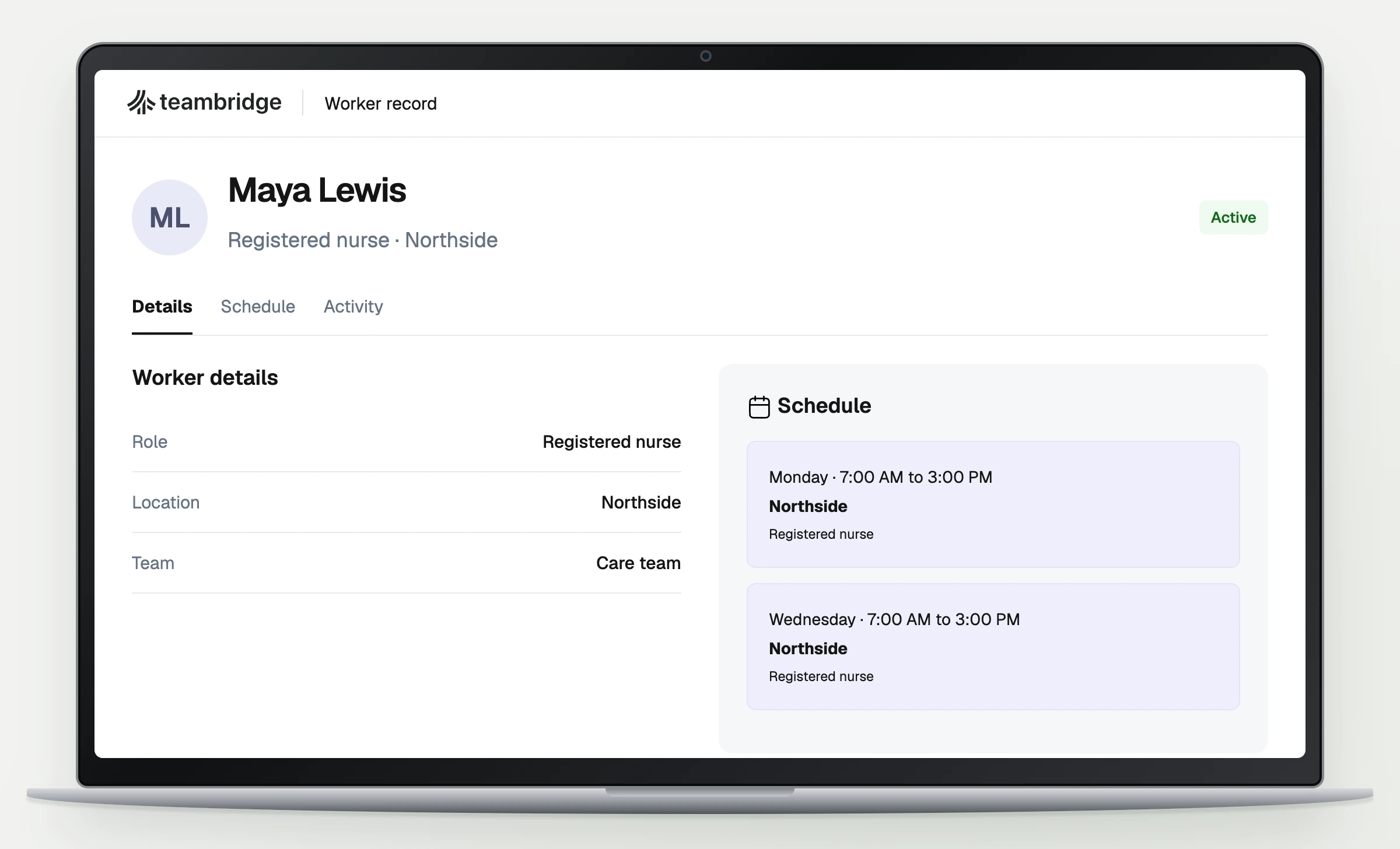
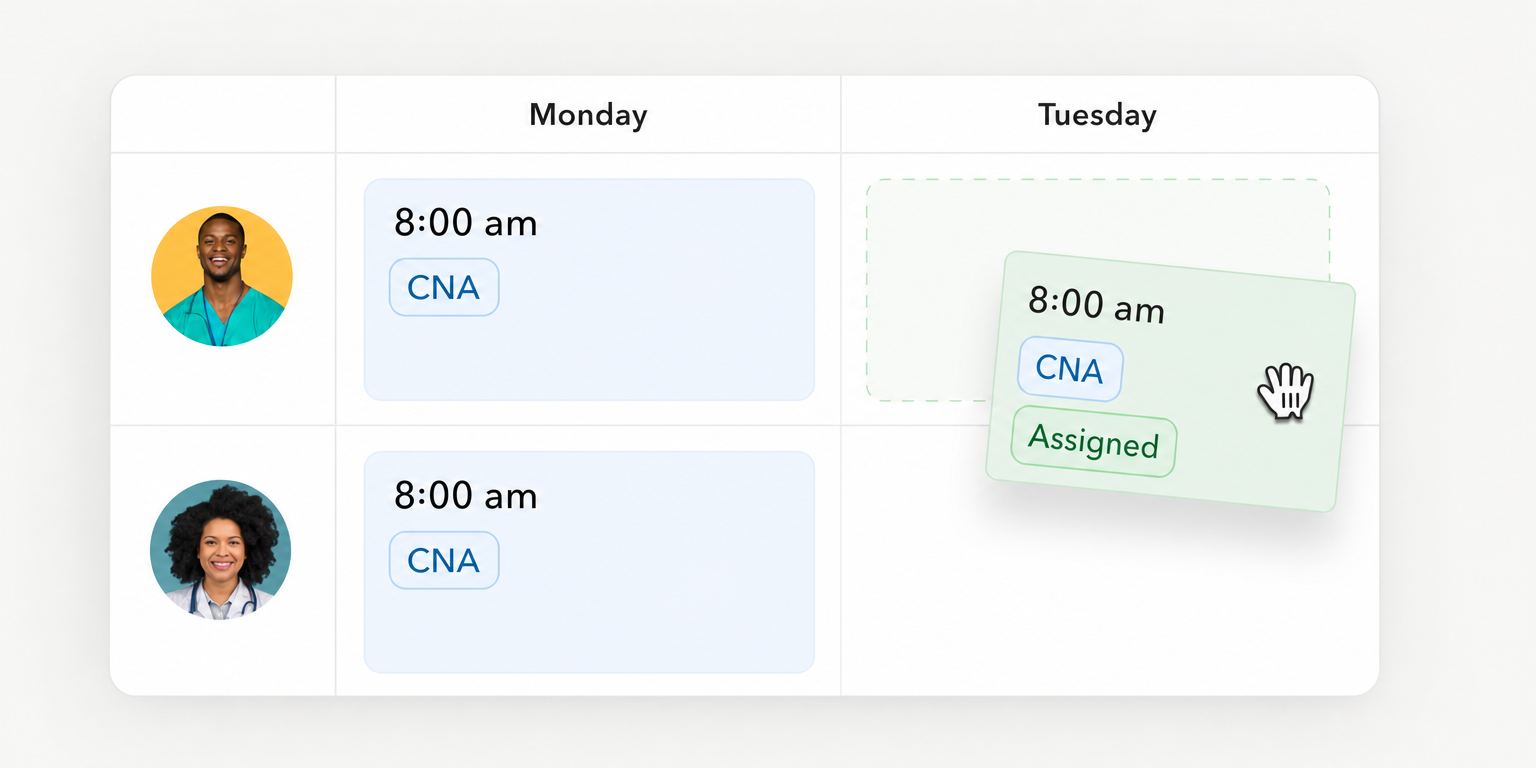
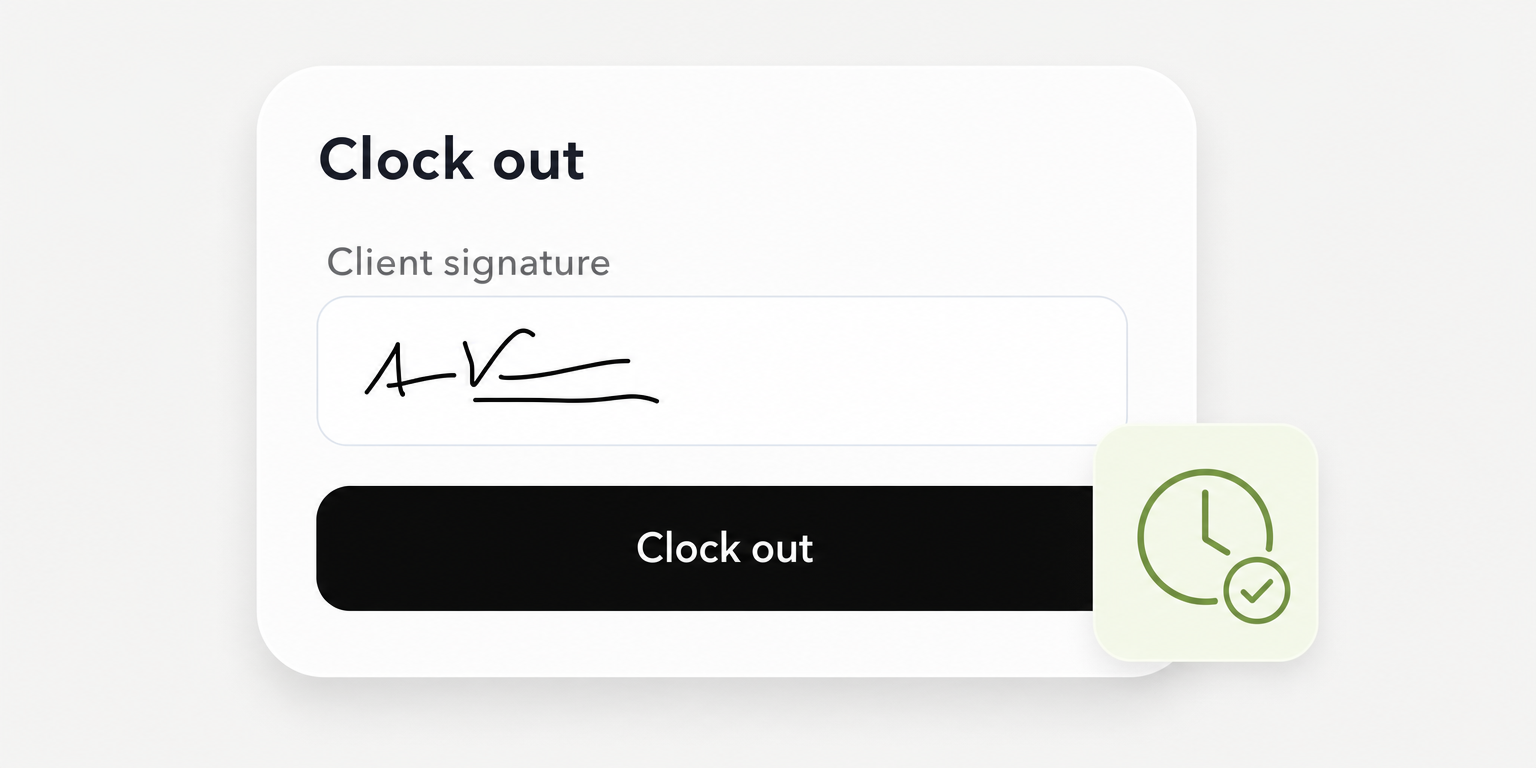
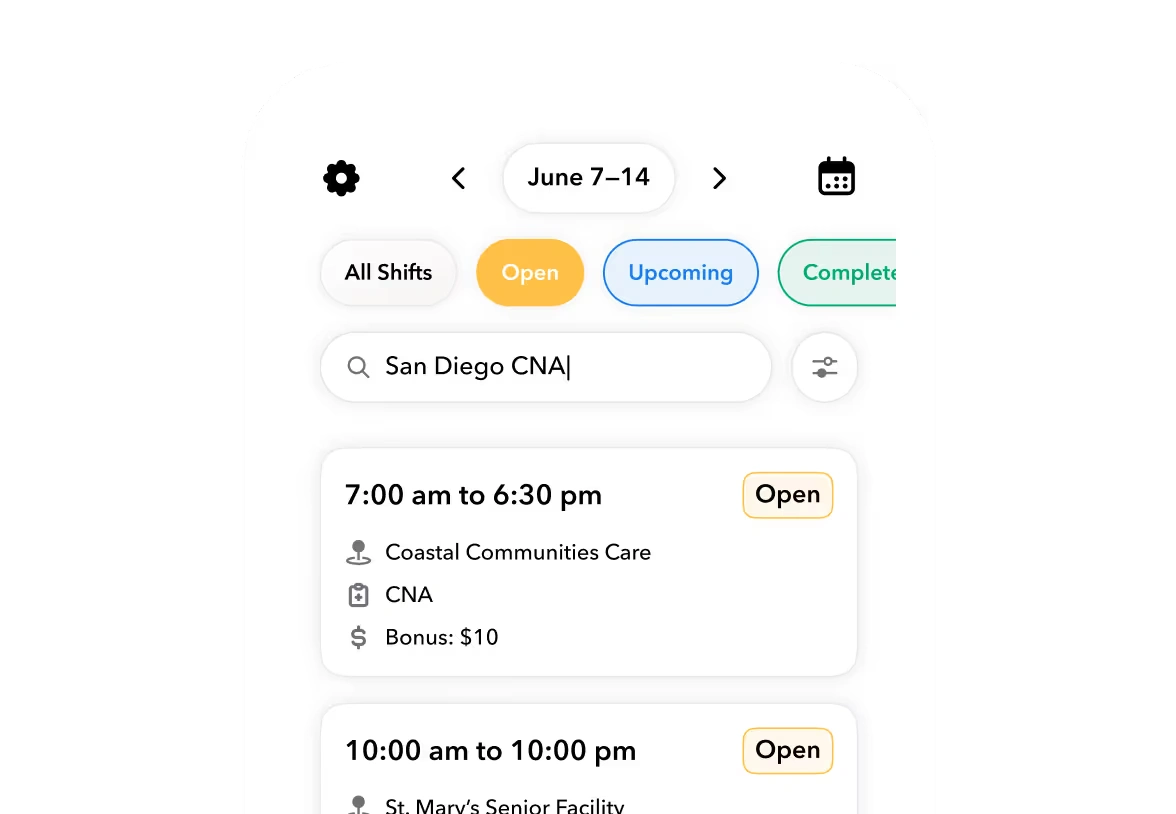
For healthcare managers, supporting W-2 employees involves ongoing administrative responsibilities related to scheduling, time tracking, and compliance coordination, alongside payroll and tax processes handled through separate systems. These requirements apply to both full-time and part-time staff who work regularly for the same organization throughout the year. Workforce management platforms like Teambridge are used to support these teams by organizing scheduling, tracking hours worked, and maintaining accurate records across different staff types, while payroll and tax processing remain with the employer’s payroll provider.
Comparing W2 Employee Arrangements to 1099 Contractors in Medical Staffing
The key difference lies in control and responsibility. W-2 employees are part of your team, following your schedules and procedures, while 1099 contractors operate as independent businesses responsible for their own taxes and benefits. This gives you more oversight with W-2 staff but offers greater flexibility when engaging 1099 professionals for specific, short-term needs.
Juggling both worker types creates a classic operational headache, from separate payroll runs to compliance risks around misclassification. The challenge is maintaining a cohesive team without getting bogged down in disparate administrative workflows. Modern platforms solve this by centralizing management, allowing you to schedule, pay, and communicate with both W-2 employees and 1099 contractors in one place.
Best Practices for Healthcare Facilities Managing W2 Employees Across Multiple Sites
This is how you can streamline operations and create a cohesive team experience, even when your staff is spread across different locations.
- Centralize your communications. Instead of relying on scattered emails and text threads that leave teams feeling disconnected, use a single platform where announcements, policy updates, and team messages can be shared instantly with everyone or targeted to specific sites.
- Standardize key processes. Create a unified playbook for onboarding, training, and compliance that applies to every location. This ensures every W-2 employee receives the same high-quality experience and understands their role, no matter where they work.
- Unify scheduling and payroll. Ditch the separate spreadsheets and manual processes for each site. A modern workforce platform allows you to manage schedules, track time, and run payroll from one central hub, making it easy to see staffing gaps and even allow employees to pick up shifts at other locations.
- Use data to guide decisions. Implement a system that gives you a bird's-eye view of performance metrics, labor costs, and staffing trends across all your facilities. This allows you to move from reactive problem-solving to proactive, data-informed workforce management.
Final Takeaways
The W-2 employee model is commonly used across healthcare organizations and involves administrative requirements related to payroll, scheduling, and compliance. Managing these activities across multiple sites requires coordination and consistent processes. Centralized communication, standardized workflows, and workforce management platforms are often used to support these operational needs.

About the author

Content Writer at Teambridge
Anis Nanai is a content writer at Teambridge, with a focus on workforce management and the realities of running hourly teams. He prioritizes conversations with customers, staying close to the market, and understanding how workforce needs are changing. His writing connects those concerns to practical decisions about scheduling, time tracking, staffing, and automation. He examines product developments through the questions that matter to operators: what does this solve, how would it work for my team, and what evidence supports it?
Company perspective: this author works at Teambridge. Customer outcomes are attributed to their published sources.
View LinkedIn profile