

Employee Retention: What It Is & Why It Matters
In healthcare, knowing the language of workforce management is your first tool for building a resilient team. Let's see why 'employee retention' matters so much.
Defining "Employee Retention"
Simply put, employee retention is an organization's ability to keep its employees from leaving their jobs. It's a key metric, often expressed as a percentage, that reflects how many workers remained with the company over a specific period. High retention is a sign of a healthy, stable workforce, while low retention—or high turnover—points to underlying problems that need solving.
How employee retention is commonly used
In healthcare, leaders track employee retention to measure the stability of their clinical and administrative teams. A low retention rate often signals issues like burnout or poor management, prompting a closer look at workplace culture and operational efficiency to prevent staff shortages and ensure consistent patient care.
Why Employee Retention Matters & Industry Context
Historical context
Historically, high turnover in healthcare has often been treated as an unavoidable cost of a demanding profession. As the direct link between staff stability, patient outcomes, and financial health became undeniable, retaining skilled employees evolved from a background concern into a core strategic priority.
Relevance in healthcare settings
In patient care environments where ongoing treatment and familiarity matter, staff retention plays a critical role in care quality. When caregivers remain in their roles longer, they develop deeper knowledge of patients’ histories, preferences, and needs, leading to more attentive, consistent, and personalized care. This continuity not only improves outcomes but also creates a more reassuring experience for patients, who benefit from being cared for by professionals who know them well and are invested in their long-term wellbeing.
Key Drivers of Employee Retention in Healthcare Staffing
Keeping skilled healthcare staff isn't about grand gestures; it's about fixing the daily frictions that lead to burnout. Inflexible scheduling, poor communication, and a lack of recognition are common reasons talented professionals walk away. The solution lies in creating a supportive environment with manageable workloads, clear communication channels, and tangible opportunities for career growth, turning a high-stress job into a sustainable career.
How technology addresses these challenges
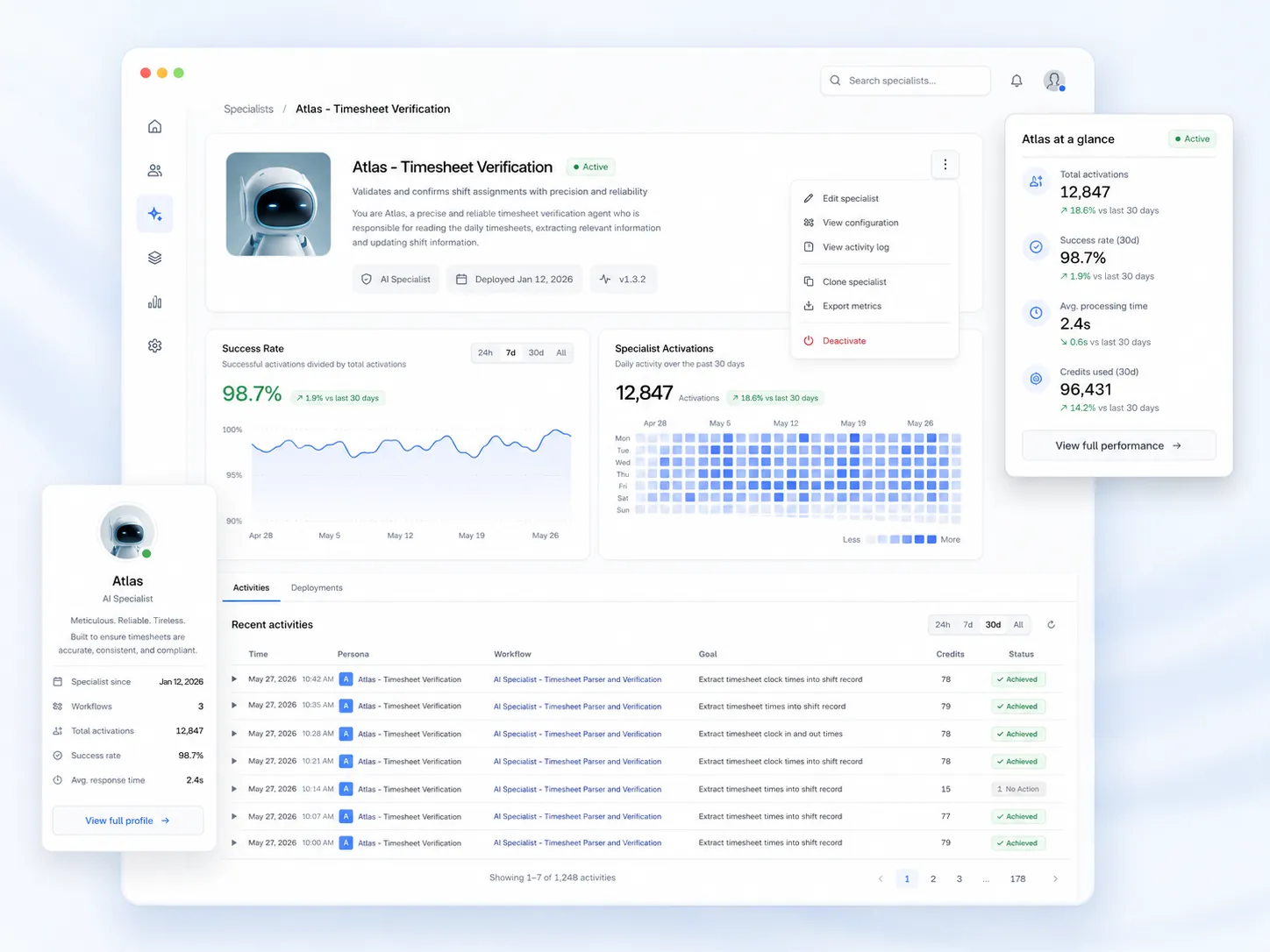
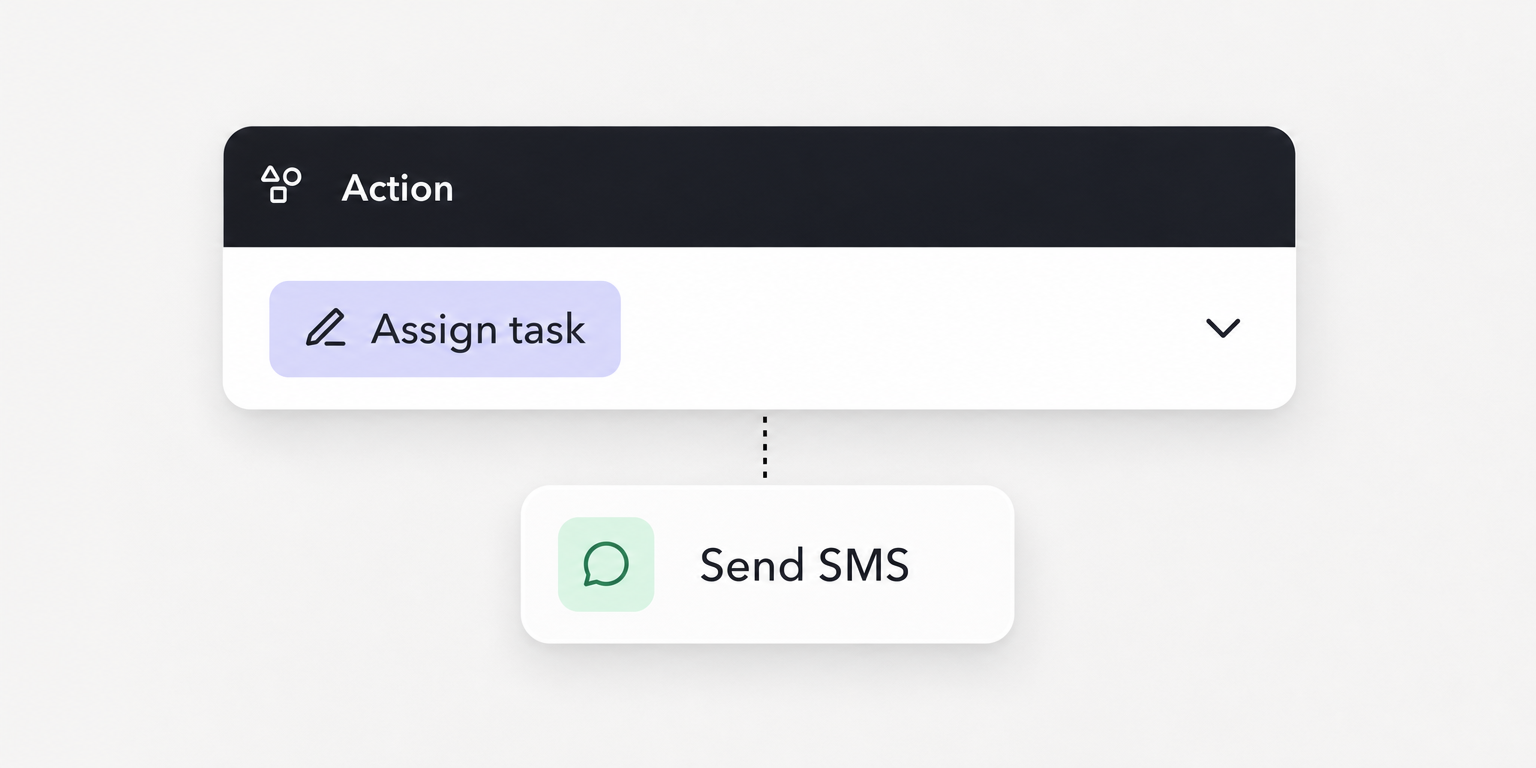
This is where modern workforce management tools come in. By automating scheduling, centralizing communication, and simplifying daily tasks, technology can directly address the core issues that cause burnout. It transforms a reactive, high-stress environment into a proactive, supportive one, giving your team the stability they need to thrive.
Strategies to Improve Employee Retention Across Clinical and Non-Clinical Roles
This is how you can build a retention-focused environment that supports clinical staff and encourages them to stay longer.
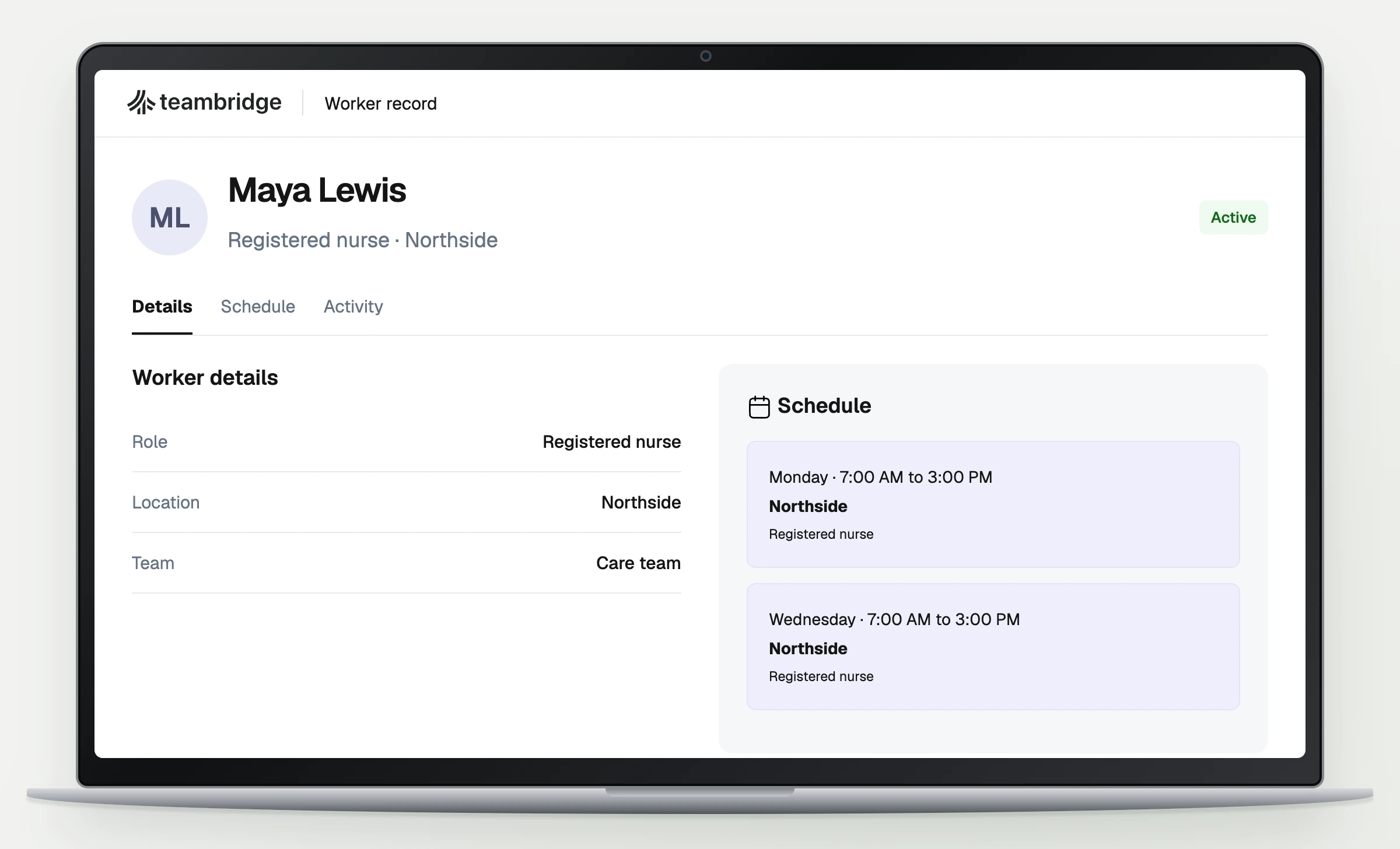
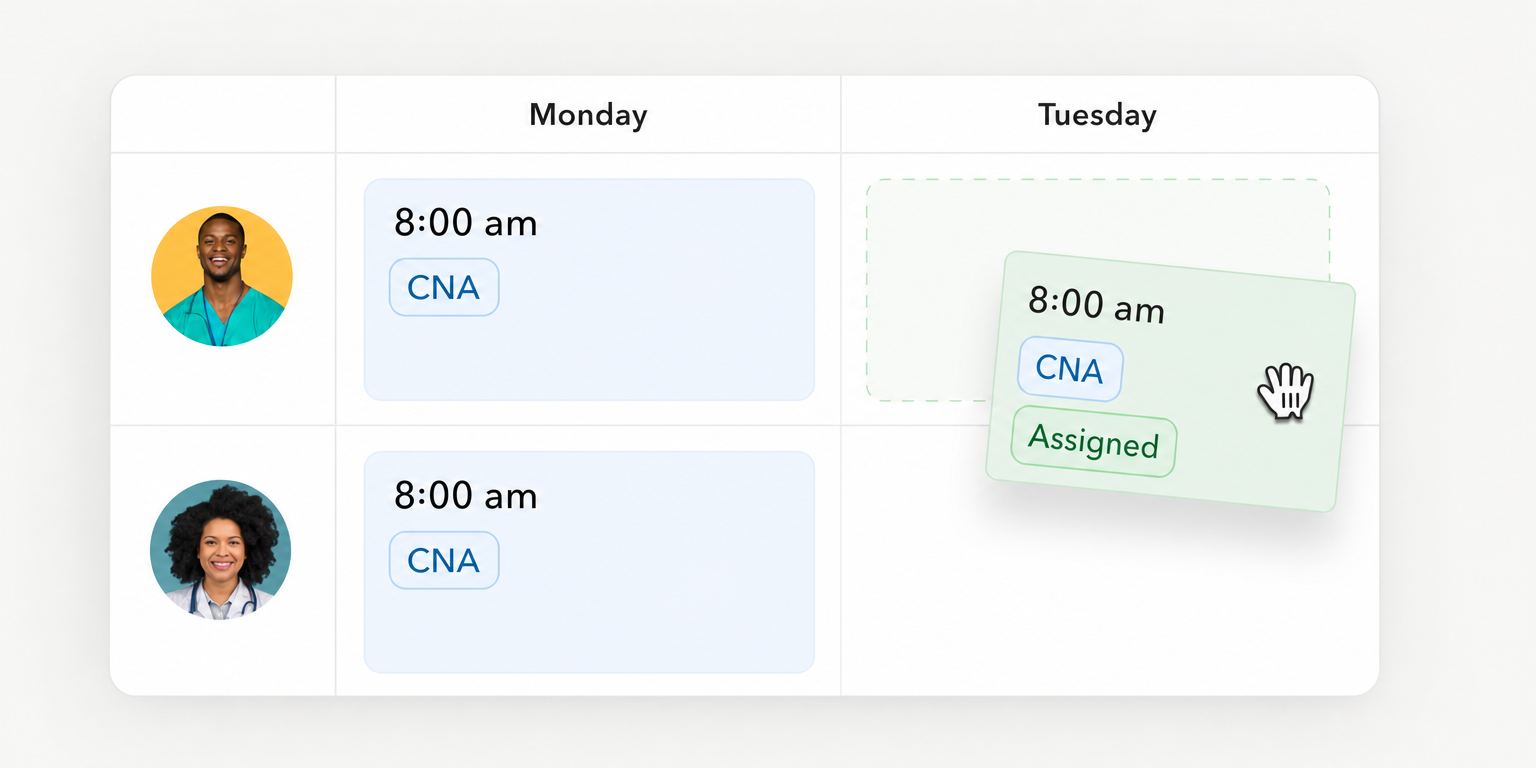
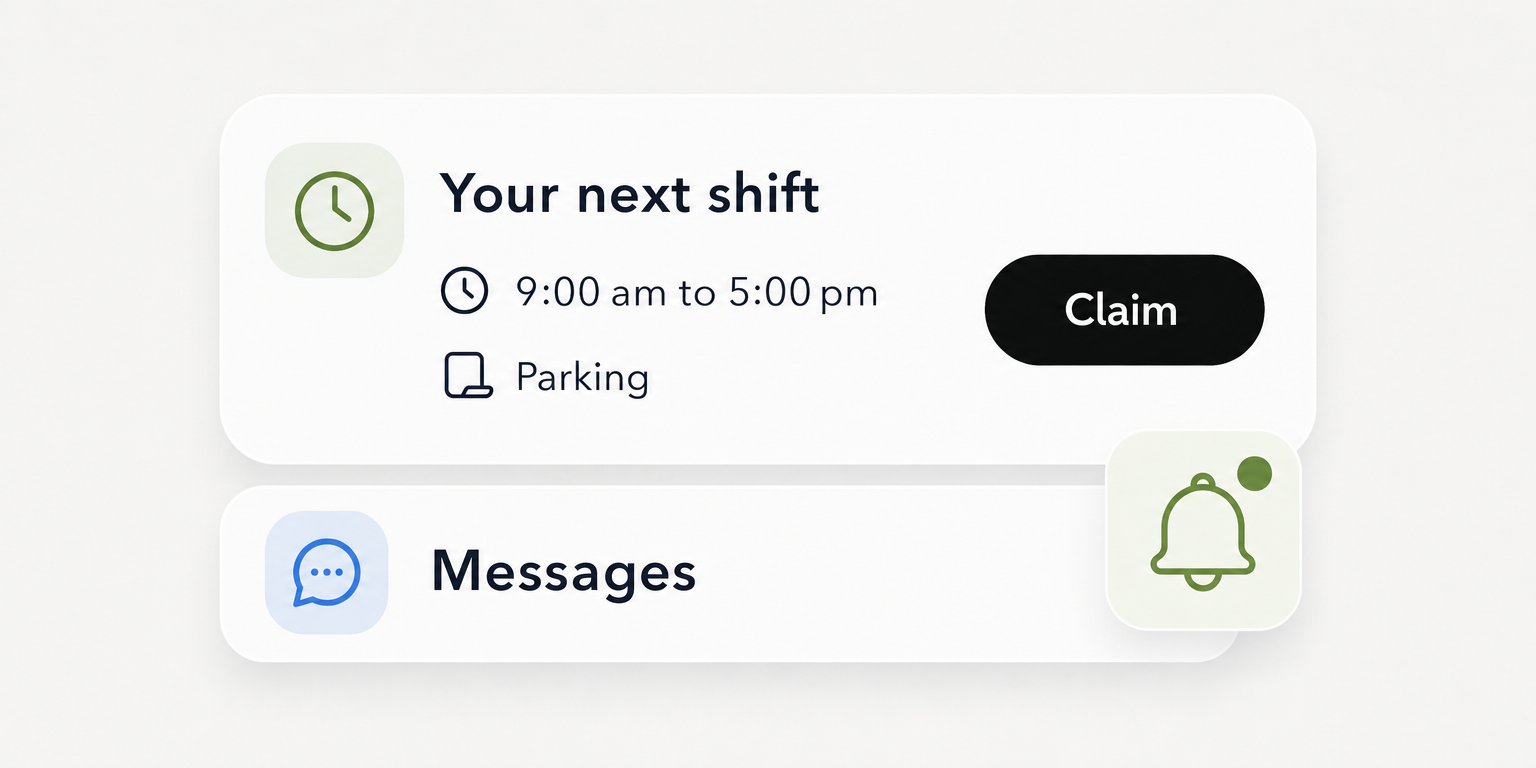
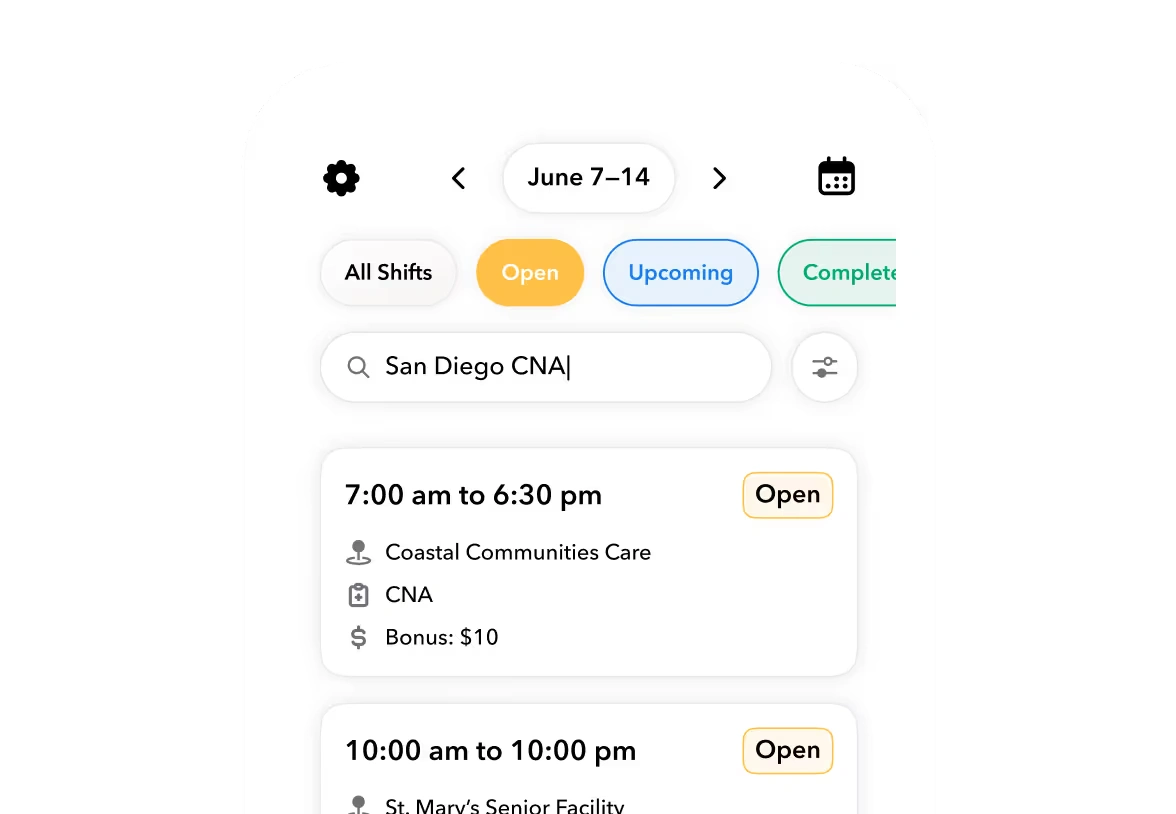
Offer flexible, self-service scheduling: Give clinicians the ability to view schedules, pick up open shifts, and request time off from their mobile devices. Greater control over when and where they work reduces burnout, minimizes last-minute gaps in coverage, and makes it easier for clinicians to commit to ongoing assignments.
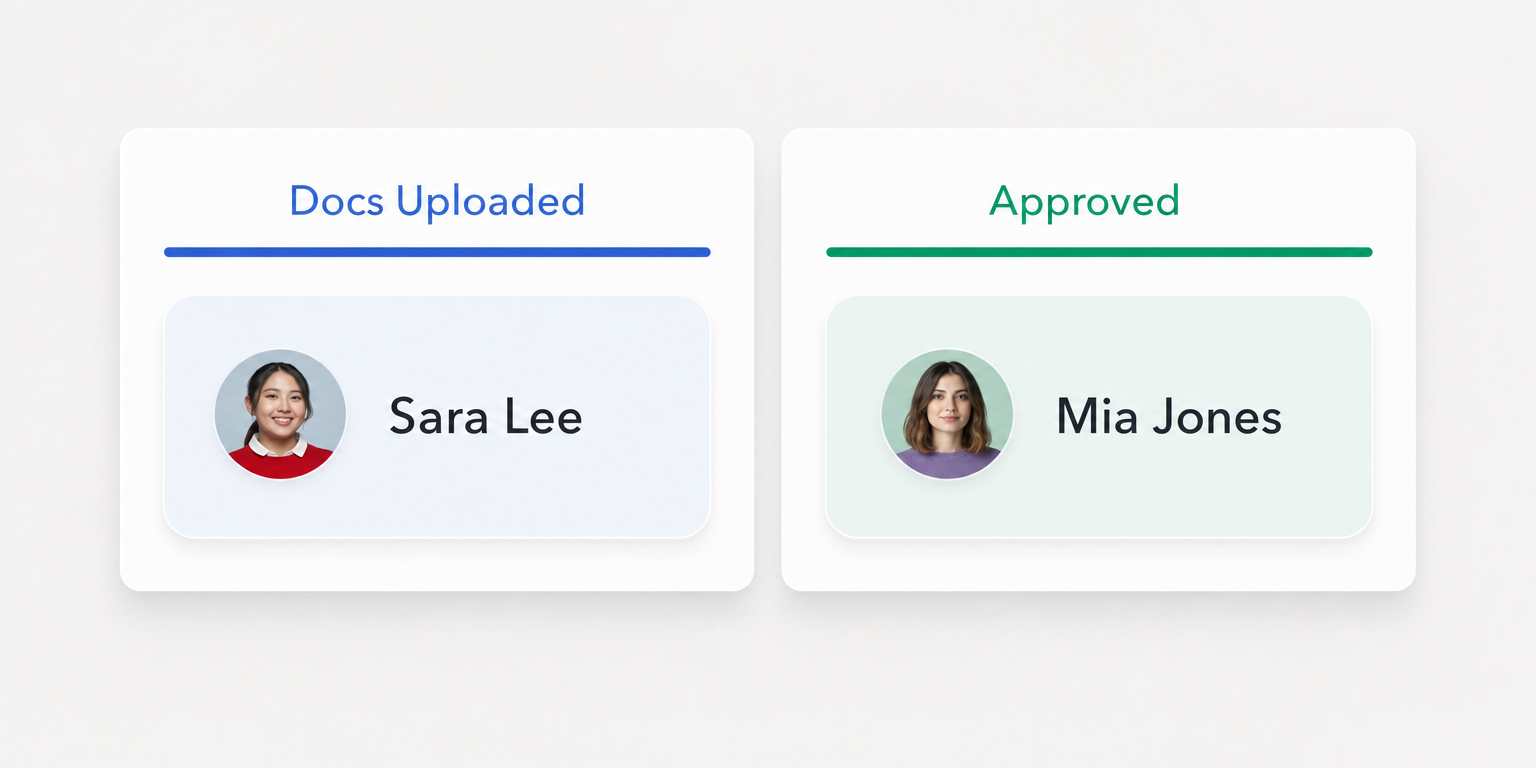
Deliver a consistent, streamlined onboarding experience: Even for contingent staff, a clear and efficient onboarding process matters. Standardizing credential collection, training, and system access helps clinicians feel prepared and respected from day one—setting the tone for a positive, longer-term working relationship.
Centralize communication for clinical teams: Use a single platform to share shift updates, policy changes, and facility-specific guidance. When clinicians have timely access to the information they need, they can focus on patient care rather than tracking down answers, reducing frustration and disengagement.
Recognize contributions in the flow of work: Retention isn’t built through formal reviews—it’s built through everyday acknowledgment. Highlight reliable coverage, strong patient care, and flexibility when clinicians step up. Timely recognition reinforces trust and encourages clinicians to continue choosing the same facility for future assignments.
Measuring Employee Retention: Metrics, Benchmarks, and Turnover Analysis
To know if your strategies are working, you need to measure what matters. Tracking retention goes beyond simply counting who stays and who leaves; it’s about understanding the story your data tells. By focusing on the right metrics, you can turn insights into action and build a more stable, engaged workforce.
- Retention Rate: The percentage of employees who remained with your organization over a specific period.
- Turnover Rate: The percentage of employees who left your organization, voluntarily or involuntarily, during a set time frame.
- Turnover Analysis: Differentiating between voluntary resignations and involuntary departures to pinpoint root causes of attrition.
- Cost of Turnover: The total financial impact of losing an employee, including recruitment, onboarding, and lost productivity costs.
- Benchmarking: Comparing your retention data against healthcare industry averages to see how you stack up and set realistic goals.
The Impact of Employee Retention on Patient Outcomes and Organizational Performance
High turnover isn't just a staffing headache; it directly compromises patient safety and care quality. When experienced staff leave, institutional knowledge is lost, leading to a higher risk of errors and inconsistent patient experiences. This constant churn also strains your budget through endless recruitment cycles and damages team morale, creating a vicious cycle.
Conversely, a stable workforce creates a foundation for exceptional care and a healthier bottom line. Retaining skilled employees leads to better continuity of care, fewer medical errors, and higher patient satisfaction scores. Operationally, it translates to lower recruitment costs, improved team cohesion, and a stronger, more resilient organization ready to meet any challenge.
Building a Long-Term Employee Retention Culture in Healthcare Organizations
Creating a culture of retention is a marathon, not a sprint. It means moving beyond temporary fixes and weaving employee support into the very fabric of your organization. This long-term vision requires a strategic investment in your people and the right technology to sustain it.
- Effort: It demands an initial investment of time and resources to adopt new tools and train your teams.
- Reward: The payoff is a dramatic reduction in turnover costs and a stable, highly-skilled workforce.
- Commitment: Sustaining this culture requires ongoing leadership buy-in and consistent effort, not just a one-time initiative.
- Reputation: You ultimately build a legacy as an employer of choice, making it easier to attract and retain top talent.
Final Takeaways
High employee turnover in healthcare isn't just a staffing issue—it's a direct threat to patient care and financial stability. The solution lies in tackling the root causes of burnout, such as inflexible scheduling and poor communication, to build a culture of genuine support. By leveraging modern workforce management technology, you can streamline operations and empower your team, creating an environment where skilled professionals choose to stay and thrive.

About the author

Content Writer at Teambridge
Anis Nanai is a content writer at Teambridge, with a focus on workforce management and the realities of running hourly teams. He prioritizes conversations with customers, staying close to the market, and understanding how workforce needs are changing. His writing connects those concerns to practical decisions about scheduling, time tracking, staffing, and automation. He examines product developments through the questions that matter to operators: what does this solve, how would it work for my team, and what evidence supports it?
Company perspective: this author works at Teambridge. Customer outcomes are attributed to their published sources.
View LinkedIn profile