Compare
Teambridge vs Shiftboard: complex scheduling with AI workflow execution.
Complex shift operations need more than planning. Teambridge helps teams detect operational issues and execute the follow-up work across workers, managers, rules, and systems.


Teambridge is a fit for
- Organizations with high-volume or variable shift demand
- Teams that need automated recovery when schedules change
- Operations that combine scheduling, communication, compliance, and attendance
The operating difference
A clearer look, side by side.
Shiftboard visuals are public product or brand assets where available. Teambridge is shown as the workflow layer operators use to turn events into action.
Public view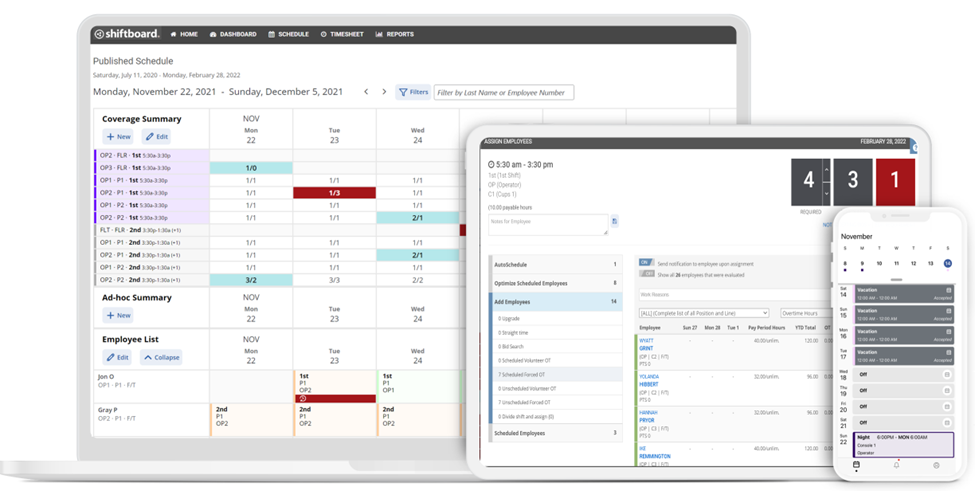 Workflow view
Build schedules, fill open shifts, and manage sites from one admin workspace.
How it works
From open shift to covered — automatically.
The problem
Friday coverage
2 gapsThe workflow
ranking eligible workers
Maria S.
RN · 2.1 mi · available
James T.
RN · overtime risk
Lena P.
RN · restricted site
The outcome
Coverage
FilledMaria S. confirmed
RN · 7:00 PM · covered in 47s
47s
to fill
0
manager texts
60%
faster time-to-fill for open shifts
3x
faster event staffing turnaround
45%
employee retention lift
Inside Teambridge
See the actual product.
Scheduling & admin tools
Build schedules, fill open shifts, and manage sites from one admin workspace.

Time tracking & approvals
Capture hours, breaks, and exceptions, then approve for payroll.

Team communication
Message workers across channels and track acknowledgements.

Worker mobile app
Workers claim shifts, clock in, and complete tasks from their phone.
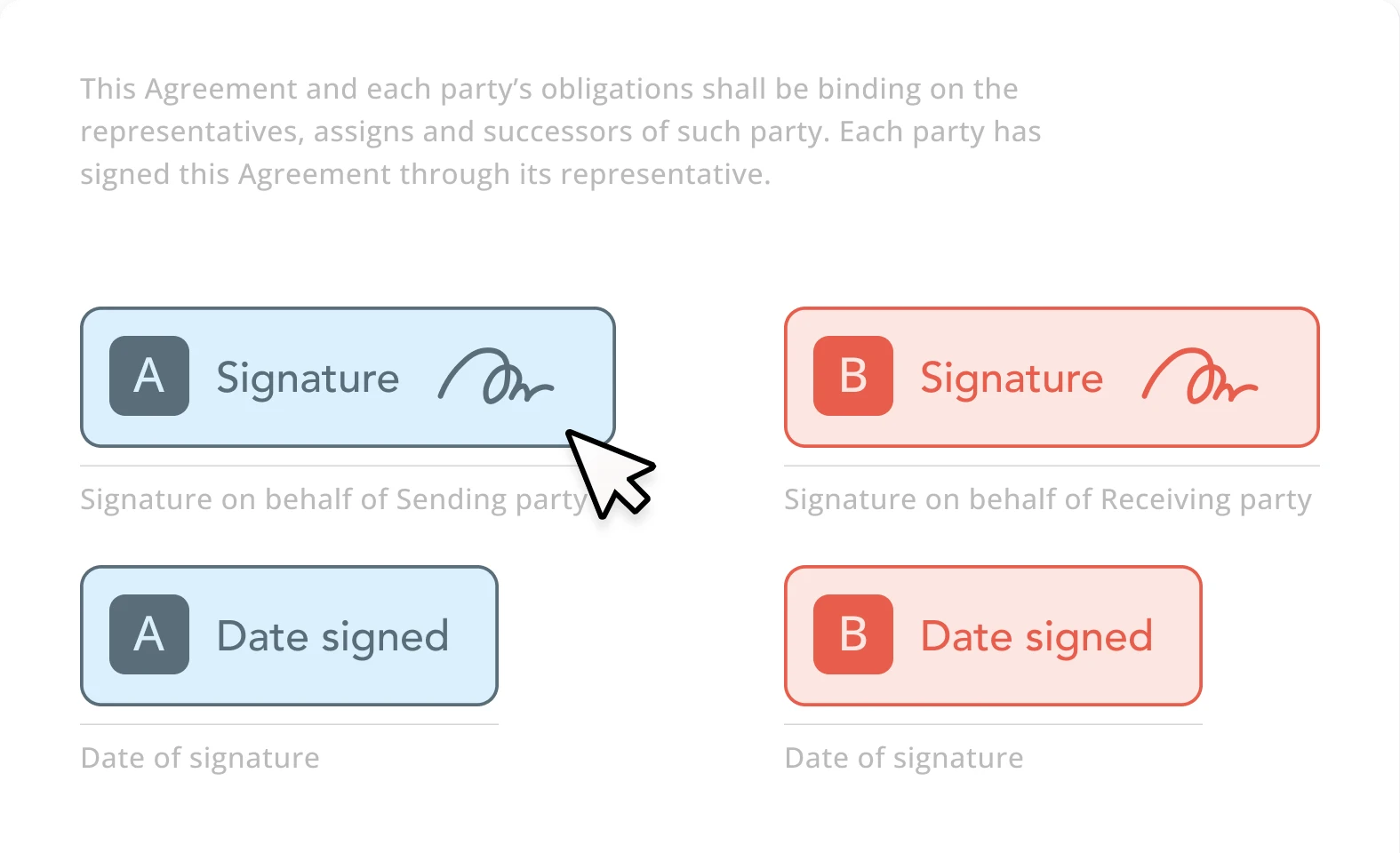
Documents & e-signature
Send forms, collect e-signatures, and store signed documents.
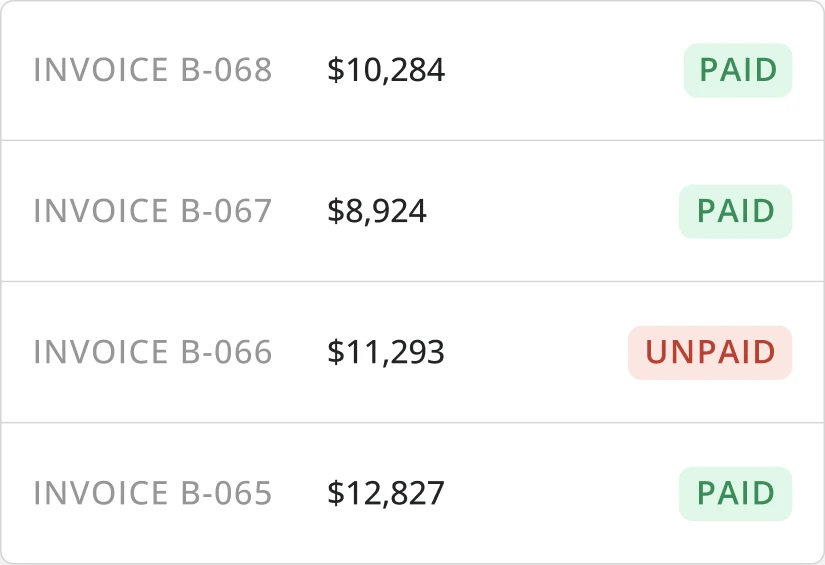
Invoicing & billing
Turn approved time and activity into client-ready invoices.
Side by side
Shiftboard compared with Teambridge.
What to evaluate
Three questions that actually matter.
Real-time adaptation
Compare how the platform reacts when demand changes, workers call out, managers need approvals, or compliance rules block an assignment.
Communication precision
Broad messages create noise. Complex operations need targeted outreach based on worker context and shift requirements.
Operational systems fit
Assess whether scheduling data can power time, pay, compliance, onboarding, and worker engagement workflows.
Fair read
Where each platform fits.
Shiftboard is strong when
- Strong public focus on mission-critical employee scheduling and complex shift environments.
- Highlights schedule automation, worker self-service, coverage optimization, and labor demand planning.
- Credible option for organizations where scheduling complexity is the main buying driver.
Teambridge is strong when
- Treats scheduling as one part of a connected operating layer.
- Automates downstream work after schedules change across communication, time, compliance, and documents.
- Useful when coverage gaps create follow-up across multiple teams and systems.
What clients say
Shiftboardreviews, in clients' words.
Aggregated from public review platforms in June 2026. Ratings change over time — open any source for current numbers.
Clients praise
- Flexible, rules-based scheduling: auto-scheduler, sign-up sheets, qualification limits, and a shift tradeboard
- Handles complex, mission-critical industrial scheduling
- Integrates with UKG, ADP, Workday, SAP, and more
Common watch-outs
- Web interface feels dated and clunky; no drag-and-drop on the calendar
- Learning curve; overtime and holiday tracking are not automatic
- Customization is involved; plans require a ~100-employee minimum
Which is right for you
Honestly? It depends on your team.
Both are good tools. Here is the straight answer on who each one fits best — so you pick what is right for you, not just for us.
Choose Shiftboard if you…
- A deep, rules-heavy scheduling engine is the entire requirement
- You run 24/7 union- or compliance-bound coverage (corrections, energy, utilities)
- Scheduling optimization matters more than the work that follows a shift change
Choose Teambridge if you…
- Organizations with high-volume or variable shift demand
- Teams that need automated recovery when schedules change
- Operations that combine scheduling, communication, compliance, and attendance
Learn how it works
Go deeper in the docs.
Fill open shifts
How Teambridge moves an open shift to a confirmed assignment.
Open docControl overtime
Block or flag overtime before it reaches payroll.
Open docPlatform concepts
Collections, workspaces, access groups, and workflows explained.
Open docVideo library
Short walkthroughs of real Teambridge workflows.
Open docAsk Nova
Open any documentation page and ask Nova how to build a workflow for your operation — scheduling, compliance, payroll prep, and more.
Open the docsFAQ
Common questions
What should complex shift teams evaluate?
Evaluate scheduling logic, worker communication, exception handling, integrations, reporting, compliance, and how much manual follow-up the platform removes.
How is Teambridge positioned?
Teambridge is positioned as an AI-native workforce management platform for frontline and shift-based operations.
